

Xian Airport Transfer: A Tourists Practical Guide
Stepping out of Xi'an Xianyang International Airport (XIY) after a 12-hour flight, the first thought that hit me was: “Now, how do I actually get to my hotel in the city center without getting lost or overpaying?” As a solo traveler who’d never been to Xi’an before, I was a bit overwhelmed by the chaos of arrivals—taxis honking, tour guides holding signs, and signs in both Chinese and English. But after a few days of figuring things out (and a few mistakes along the way), I’ve put together this guide to help you skip the guesswork. Whether you’re budget-conscious, traveling with family, or just want the easiest ride, here’s everything you need to know about Airport Transfers in Xi’an.
First, Know Your Airport: XIY Basics
Xi’an Xianyang International Airport has two terminals: T1 (mostly domestic flights, smaller) and T3 (international flights and most domestic flights). If you’re flying in from abroad (or from a major city like Beijing/Shanghai), you’ll likely land at T3, which is huge—so follow the signs for “Arrivals” and head to the ground floor. T1 is a short shuttle ride away (free, 5 minutes), but most tourists won’t need to go there unless they’re on a specific domestic airline.
Option 1: Metro – The Budget-Friendly & Reliable Choice
I’m a fan of public transport when traveling, and Xi’an’s metro is a lifesaver for airport transfers. Here’s why: it’s cheap, fast, and avoids traffic jams.
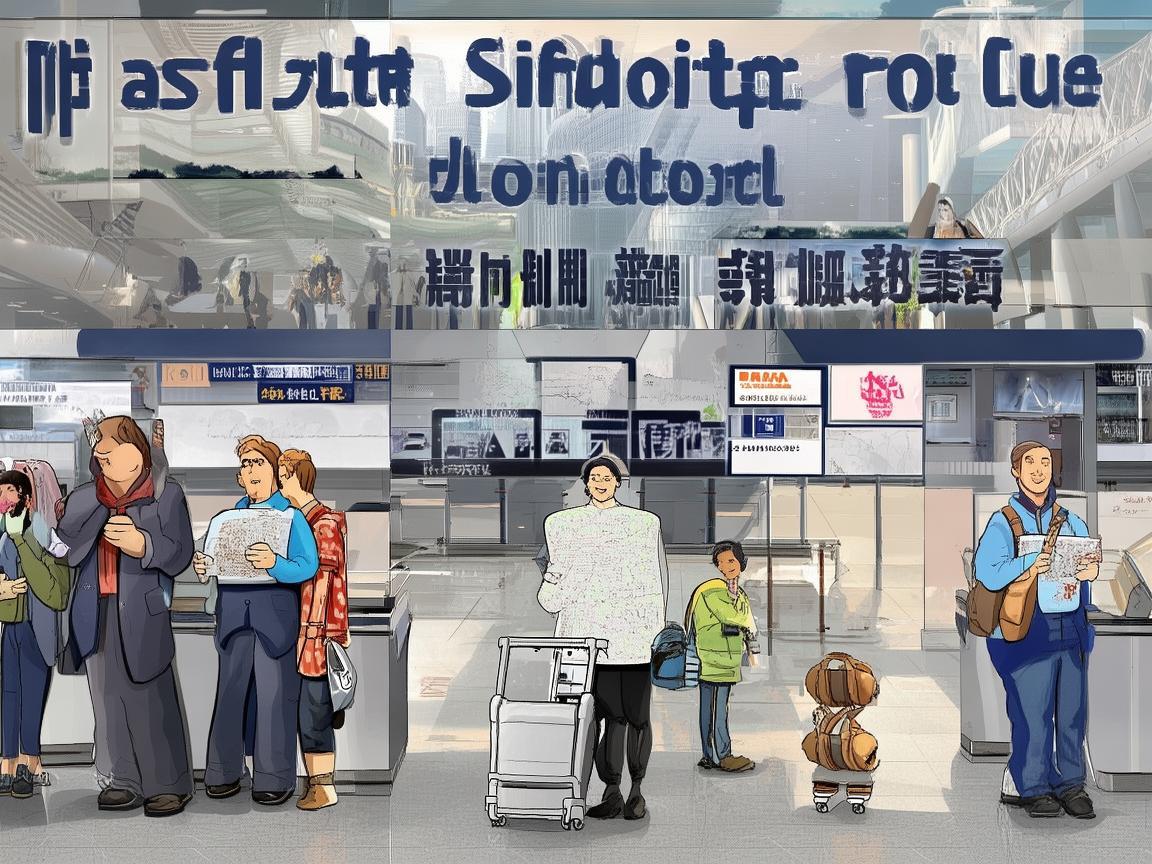
Xian Airport Transfer: A Tourists Practical Guide
Route: The airport is connected to Metro Line 14 (the Airport Line). T3 has a direct metro station; from T1, take the free shuttle to T3 first.
Key Stops: The line runs from the airport to North Railway Station (North Station), where you can transfer to Line 2 (the main north-south line) to reach popular areas like:
- Bell Tower (Zhonglou): The heart of downtown, near Muslim Quarter, Drum Tower, and shopping streets.
- South Railway Station: For trains to Chengdu or Chongqing.
- Small Wild Goose Pagoda (Xiao Yanta): A quieter tourist spot with great parks.
Fare: It’s based on distance. From T3 to Bell Tower, it’s around ¥8-10 (≈$1.10-1.40). Pay at the ticket machines (they have English options) or use Alipay/WeChat pay to scan the QR code at the gate (super convenient if you have a Chinese mobile number).
Time: About 40-60 minutes to Bell Tower, depending on stops. No traffic delays—unlike cars!
Pros: Cheapest option, avoids traffic, easy to navigate (signs in English), runs frequently (every 5-10 minutes during peak hours).
Cons: Can be crowded with luggage during rush hours (7-9 AM, 5-7 PM), and if your hotel is far from a metro stop, you’ll need to grab a taxi/ride-share for the last mile.
My Tip: If you’re staying near the Bell Tower or Muslim Quarter, metro is a no-brainer. I took it from T3 to my hotel near the Muslim Quarter, and it cost ¥9—way cheaper than a taxi!
Option 2: Airport Shuttle Bus – Convenient & Direct
If you’re carrying heavy luggage or don’t want to navigate the metro, the airport shuttle bus is a solid middle-ground. It’s cheaper than taxis and drops you off at key locations without transfers.
Key Routes (T3 Departures; T1 has fewer routes):
- Line 5: T3 → Bell Tower → South Railway Station. Fare: ¥25. Duration: 1 hour.
- Line 4: T3 → Xi’an Railway Station → East Bus Station. Fare: ¥20. Duration: 50 minutes.
- Line 1: T3 → High-tech Zone (near universities/tech parks). Fare: ¥15. Duration: 40 minutes.
- Line 603: T3 → North Railway Station → Qujiang New District (near Big Wild Goose Pagoda). Fare: ¥25. Duration: 1 hour.
Where to Catch It: Outside T3 Arrivals, follow the signs for “Airport Shuttle Bus”—there are clearly marked stops for each line. Staff in blue uniforms can help if you’re confused.
Pros: Cheaper than taxis, direct to major areas, no luggage hassles (unlike metro), good if you’re staying near a railway station.
Cons: Fixed routes (might not stop at your hotel), can get stuck in traffic (same as cars), fewer departures at night (last buses around 10:30 PM).
My Tip: Check your hotel’s location—if it’s near a railway station (like Xi’an Railway Station or North Station), Line 4 or 5 is perfect. I took Line 5 to the Bell Tower and walked 5 minutes to my hotel—easy!
Option 3: Taxi/Ride-Hailing – The “Hassle-Free” Pick
If you’re traveling with family, have lots of luggage, or just want to relax after a long flight, taxis or ride-hailing apps are the way to go. But there are a few things to watch out for to avoid scams.
Taxis:
- Where to Wait: Go to the official taxi stand outside Arrivals—don’t accept rides from drivers who approach you inside the terminal.
- Fare: From T3 to downtown (Bell Tower area), expect to pay ¥80-120 (≈$11-17). The meter should be on—if a driver quotes a flat fee higher than ¥120, negotiate or find another taxi.
- Language Tip: Have your hotel’s address written in Chinese (e.g., “西安市钟楼附近XX酒店”)—most taxi drivers don’t speak English.
Ride-Hailing Apps (Didi/Didi Chuxing):
This is my favorite option for convenience. Didi is China’s version of Uber, and it’s widely used in Xi’an.
- How to Use: Download the Didi app (English available), create an account, and link a payment method (Alipay/WeChat Pay or international credit card). Enter your destination, and choose “Comfort” or “Premium” for a private car (cheaper than taxis!).
- Fare: From T3 to Bell Tower, it’s around ¥60-90 (≈$8-12)—cheaper than taxis, and no haggling.
- Meeting Point: The app will tell you where to meet the driver (usually a designated ride-hailing zone outside Arrivals). Look for your car’s license plate and model—drivers often hold a phone with your name on it.
Pros: Door-to-door service, fixed price (with Didi), English-friendly (especially with Didi), no language barriers.
Cons: Can be expensive if you’re solo, traffic delays (same as taxis), surge pricing during peak hours/holidays.
My Tip: Use Didi! I took it from T3 to my hotel at 10 PM—no waiting, clear instructions, and the fare was ¥75, which was fair. The driver even helped me unload my luggage—so nice!
Option 4: Private Airport Transfer – For Luxury/Groups
If you’re traveling with a group, family, or just want the VIP treatment, private transfers are worth considering. You book in advance, and a driver waits for you at Arrivals with a sign—no stress, no lines.
How to Book:
- Hotels: Many mid-range to luxury hotels offer airport pickup (free or for a fee). Ask when you book—if your hotel provides this, it’s the easiest option.
- Online Platforms: Sites like Viator, Klook, or local Chinese platforms (e.g., Fliggy) offer private transfers. For example, a private car for 4 people from T3 to downtown costs around ¥200-300 (≈$28-42).
- Airport Counters: There are private transfer desks in T3 Arrivals—you can book on the spot, but it’s pricier than pre-booking.
Pros: Most convenient (driver waits with a sign), fixed price, no language issues, good for large groups/families with kids/luggage.
Cons: Most expensive option, need to book in advance (especially during peak season).
My Tip: If you’re traveling with 3+ people, a private transfer splits the cost and is worth the comfort. I saw a family of 4 book a private van for ¥250—way cheaper than 4 taxis!
Option 5: Shared Shuttle – Budget & Social
If you’re solo or on a tight budget and don’t mind a short delay, shared shuttles are a cheap option. You share a van with other travelers, and the driver drops everyone off at their hotels.
How to Book:
- At the Airport: Look for shared shuttle counters in T3 Arrivals—they’re usually near the taxi stand.
- Online: Pre-book via sites like Trip.com or local shuttle companies.
Fare: Around ¥30-50 per person (≈$4-7), depending on your hotel’s location.
Duration: 1-1.5 hours (since they make multiple stops).
Pros: Super cheap, good for meeting other travelers.
Cons: Slow (multiple stops), no fixed schedule (waits for other passengers), might not go to your exact hotel (drop-off at a nearby area).
My Tip: Only choose this if you’re very budget-conscious and have time to spare. I didn’t try it, but a fellow traveler said it was fine for her hostel near the Muslim Quarter.
My Top Recommendations
- Solo/Budget Traveler: Metro (Line 14) + short taxi/Didi if needed. Cheapest and efficient.
- Family/Group with Luggage: Private transfer or Didi Comfort. Worth the extra cost for convenience.
- Staying Near a Railway Station: Airport shuttle bus (Line 4 or 5). Direct and cheap.
- Late-Night Arrival: Didi (most reliable) or taxi (avoid shuttle buses—they stop running early).
Final Tips to Avoid Scams
- No “Black Taxis”: Never take a taxi that doesn’t have a meter or a company logo. Scammers might overcharge or take you the long way.
- Check the Fare: If using a taxi, ask the driver to turn on the meter before you get in. If they refuse, find another one.
- Keep Your Hotel Address Handy: Have it in Chinese and English—drivers often use GPS, but it’s good to be safe.
- Cash vs. Mobile Payment: Taxis take cash, but Didi/Alipay/WeChat Pay are more convenient. Bring some yuan (≈¥200) just in case.
Wrapping Up
Xi’an’s airport transfer options are surprisingly varied, so there’s something for every traveler. I started with the metro (loved it!) and used Didi for my late-night return—both smooth and affordable. The key is to pick the option that fits your budget, group size, and comfort level. Don’t stress—Xi’an is a tourist-friendly city, and with this guide, you’ll get to your hotel in no time. Now go enjoy those delicious biangbiang noodles! 🍜
Xi’an Airport Transfer Service
Private English-speaking driver service in Xi’an operated directly by Bruce Zhang. 24/7 airport pickup and hotel transfer for foreign travelers.
Helpful for Your Trip in Xi’an
From Xian Airport to Your Airbnb: A Travelers Practical Guide
2026-08-29Xi'an Airport & Station Transfer — Your Easy Way Into Chang'an
2026-08-16Just landed in Xi'an? Don't stress — let's get you sorted 🏮
2026-08-15Xi'an Airport Transfer Pricing
2026-08-14Xi'an Car Rental / Airport & Station Transfer / Private Tour Charter
2026-08-14Seamless Airport Transfers in Xi’an: A Traveler’s Guide to Stress-Free Rides
2026-08-14Traveling to Xi’an: A Practical Guide for Airport Pickup, Transportation & Planning
2026-08-14Smooth Landings in Xi’an: A Traveler’s Guide to Airport Transfer Customer Support
2026-08-13Seamless Travel in Xian: My Experience with Reliable Airport Pickup Service
2026-08-12Airport Transfer in Xi’an: No Hidden Fees, Just Smooth Travel
2026-08-11