

Landing in Xi’an: A Traveler’s Guide to Airport Mobility & Getting Started
First things first: if you’re like me, you’ve spent months dreaming about Xi’an’s terracotta warriors, Muslim Quarter’s street food, and the ancient city wall. But before you can slurp your first yang rou pao mo (羊肉泡馍), there’s the small matter of getting from Xi’an Xianyang International Airport (XIY) into the city—and figuring out how to move around once you’re there. As someone who just went through it (with a bit of trial and error, let’s be real), here’s a no-fluff, step-by-step guide to landing, navigating the airport, and setting up your mobility in Xi’an like a pro.
Part 1: Arrival at Xi’an Xianyang International Airport (XIY)
Xi’an’s airport is about 45 kilometers northwest of the city center, so don’t expect to “wing it” and walk to your hotel (unless you’re training for a marathon). The airport has two terminals: T3 (most international and domestic flights) and T2 (some domestic flights, mostly older routes). T1 is closed for renovation, so you’ll likely land at T3 or T2.
First Steps After Landing:
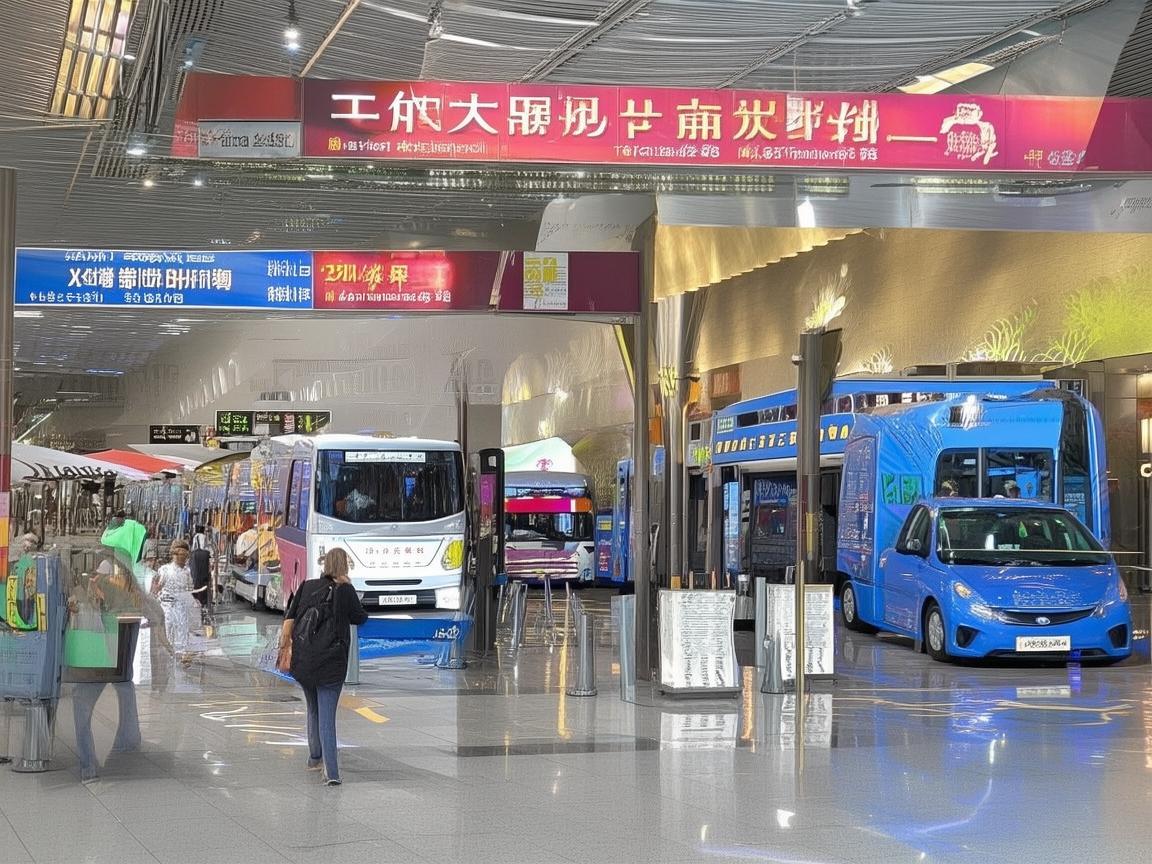
Landing in Xi’an: A Traveler’s Guide to Airport Mobility & Getting Started
- Follow the Signs for “Arrivals” (到达): They’re in both Chinese and English, so you can’t miss them. After grabbing your luggage (carousels are clearly numbered by flight), you’ll head to the “Ground Transportation” area.
- Currency & SIM Card Tip: If you didn’t get yuan (RMB) at home, there are ATMs and currency exchange counters in Arrivals—just look for the Bank of China or ICBC signs. For a SIM card, China Unicom or China Mobile have booths right outside baggage claim; a 30-day tourist card with 10GB data costs ~¥100 (super useful for maps and WeChat!).
Part 2: Airport Mobility Setup – Your Options to the City
This is the part that matters most: how to get from XIY to your hotel (or anywhere in Xi’an). There are four main options, each with pros and cons. I’ll break them down by cost, time, convenience, and who they’re best for.
Option 1: Airport Express Bus (机场大巴) – Best for Budget Travelers
If you’re trying to save money, the airport bus is your sweet spot. It’s cheap, reliable, and drops you at key spots in the city.
-
Routes & Stops: There are 5 routes, but the most useful for tourists are:
- Route 5 (北线, North Line): Goes to Xianyang Railway Station (咸阳火车站), then to Bell Tower (钟楼) in the city center.
- Route 6 (南线, South Line): Goes to Xi’an Railway Station (西安火车站), then to South Square (南广场) and Big Wild Goose Pagoda (大雁塔).
- Route 603 (西线, West Line): For those heading to High-tech Zone (高新区).
Most travelers will take Route 5 or 6—check the signs at the bus stop to confirm your destination.
-
Cost: ¥25 per person (cash only, no cards!).
-
Time: 60–90 minutes, depending on traffic (XIY is far, so leave buffer time).
-
Where to Catch It: Outside T2 and T3, follow the “机场大巴” signs—there’s a dedicated bus station with clear route maps and staff to help.
-
Pro Tip: Buses run 6:00 AM–11:00 PM, so if your flight lands late (after 10 PM), this option might not work. Also, have small bills—drivers don’t always carry change.
Option 2: Metro (地铁) – Best for Solo Travelers & Night Owls
Xi’s Metro is clean, efficient, and the way to avoid traffic jams. It’s my top pick if you’re traveling light and landing during the day.
- Line 14: This is the “Airport Metro Line,” and it’s a game-changer. It connects directly from T2 and T3 to North Railway Station (北客站), where you can transfer to Line 2 (the main north-south line) to reach Bell Tower, Muslim Quarter, and Xi’an Railway Station.
- Cost: ¥6–¥12, depending on how far you go (Bell Tower is ¥6 from the airport).
- Time: 40–50 minutes to the city center (vs. 90+ minutes by bus in traffic).
- How to Use:
- Buy a card at the ticket machine (look for “自动售票机”—they have English options). You can pay with cash or Alipay/WeChat.
- Tap your card at the turnstiles, and tap again when you exit.
- Trains run 6:00 AM–11:00 PM, same as the bus.
- Pro Tip: If you’re staying near the city wall (most hotels are), Line 2 will get you to Zhonglou (Bell Tower) station, which is a 5-minute walk to the wall.
Option 3: Taxi/Didi (网约车) – Best for Groups/Luggage
If you’re with family, have heavy bags, or just want door-to-door service, a taxi or Didi is convenient—but you need to know the tricks to avoid getting overcharged.
-
Taxi:
- Cost: ¥150–¥200 to the city center (Bell Tower area). Always ask the driver to use the meter (“打表”).
- Where to Wait: Taxis line up outside Arrivals—there’s a dispatcher who will give you a slip with the driver’s info and fare.
- Red Flag: If a driver approaches you inside the terminal and offers a flat fare without a meter, walk away—they’re overcharging.
-
Didi (China’s Uber):
- Download the App: Before you leave home, get Didi (it’s like Uber) and link your payment method (Alipay or WeChat Pay).
- Cost: Similar to taxis, ~¥120–¥180, but often cheaper because you can compare prices.
- Pro Tip: When booking, select “Comfort” or “Premium” if you have luggage—regular cars might not fit big suitcases. Also, save your hotel’s Chinese name/address (e.g., “西安钟楼某某酒店”) to show the driver.
Option 4: Private Transfer – Best for Luxury/Convenience
If you don’t want to hassle with buses, metros, or taxis, book a private transfer in advance. Hotels often offer this, or you can use apps like “HelloChina” for tourists.
- Cost: ¥200–¥400 per car (depends on the type of car).
- Pros: Driver waits for you at baggage claim, helps with luggage, and takes you straight to your hotel. Great if you’re landing late or with kids.
- Cons: Most expensive option.
Part 3: First Steps in Xi’an – Setting Up Your Mobility
Once you’re at your hotel, you’ll need to get around the city. Here’s what to do:
Get a Local Transport Card
If you plan to take the metro or buses often, buy a Yikatong (一卡通) card at any metro station. It’s a reloadable card—you just tap to pay, and it’s 10% cheaper than single fares.
Download These Apps
- Didi: For taxis/ride-hailing (cheaper than hailing on the street).
- Baidu Maps: Google Maps doesn’t work well in China—Baidu Maps has real-time transit info and walking directions.
- WeChat Pay/Alipay: Almost all street vendors, taxis, and small shops use these. Link your international card or use a “tourist wallet” feature.
Avoid These Transport Traps
- “Black Taxis”: Unlicensed cars that hang around tourist spots. They’ll charge 2–3x the fare—stick to Didi or official taxis.
- Rush Hour: 7:00–9:00 AM and 5:00–7:00 PM. Metro is fastest during these times; buses and taxis get stuck in traffic.
Final Thoughts: You’ve Got This!
Landing in Xi’an can feel overwhelming, but the airport’s mobility setup is actually pretty straightforward if you plan ahead. For me, the metro was the best choice—cheap, fast, and it made me feel like a local. But if you’re with family or have a late flight, a Didi or private transfer is worth the extra cash.
By the time I reached my hotel in the Bell Tower area, I already had my SIM card, a metro card, and a map of the city ready. The next morning, I was slurping roujiamo (肉夹馍) at the Muslim Quarter by 9 AM—all because I took 10 minutes to sort out my airport transport.
So take a deep breath, follow these steps, and get ready to explore. Xi’an’s ancient streets are waiting—and now you know exactly how to get there.
Xi’an Airport Transfer Service
Private English-speaking driver service in Xi’an operated directly by Bruce Zhang. 24/7 airport pickup and hotel transfer for foreign travelers.
Helpful for Your Trip in Xi’an
Landing in Xi’an: A First-Time Visitor’s Guide to Airport Arrival and Greeter Services
2026-07-27Luggage Lost at Xi’an Airport? A Traveler’s Survival Guide to Getting It Back
2026-07-27Xi’an Travel Tips: From Airport Arrival to Smooth Didi Rides
2026-07-27Landing in Xi’an: A Traveler’s Guide to Smooth Airport Arrival Support
2026-07-26Wheelchair-Friendly Arrival in Xi’an: A First-Timer’s Practical Guide
2026-07-26Xi’an Airport Arrival: A First-Timer’s Confidence Guide
2026-07-26XiAn Airport Arrival Tips for Foreign Travelers: A First-Timers Practical Guide
2026-07-26Finding Your Pickup Sign at Xi’an Airport: A Traveler’s Practical Guide
2026-07-25Getting from Xi’an Airport to the City: A Tourist’s Practical Guide
2026-07-24Landing in Xi’an: My Smooth Airport Arrival with a Greeter—A Traveler’s Practical Guide
2026-07-24