

Xi’an Arrival: A Practical Airport Transportation Decision Guide for Travelers
Landing at Xi’an Xianyang International Airport (XIY) for the first time, I remember standing in the arrivals hall, suitcase in one hand, phone in the other, and staring at a wall of signs: “Airport Bus,” “Metro Line,” “Taxi,” “Ride-Hailing.” My head spun. “Which one actually gets me to my hotel without wasting time or money?” I muttered to myself. If you’re nodding right now, keep reading—this guide breaks down every option from the perspective of someone who’s been there (and made the mistakes so you don’t have to).
First Things First: Orient Yourself at XIY
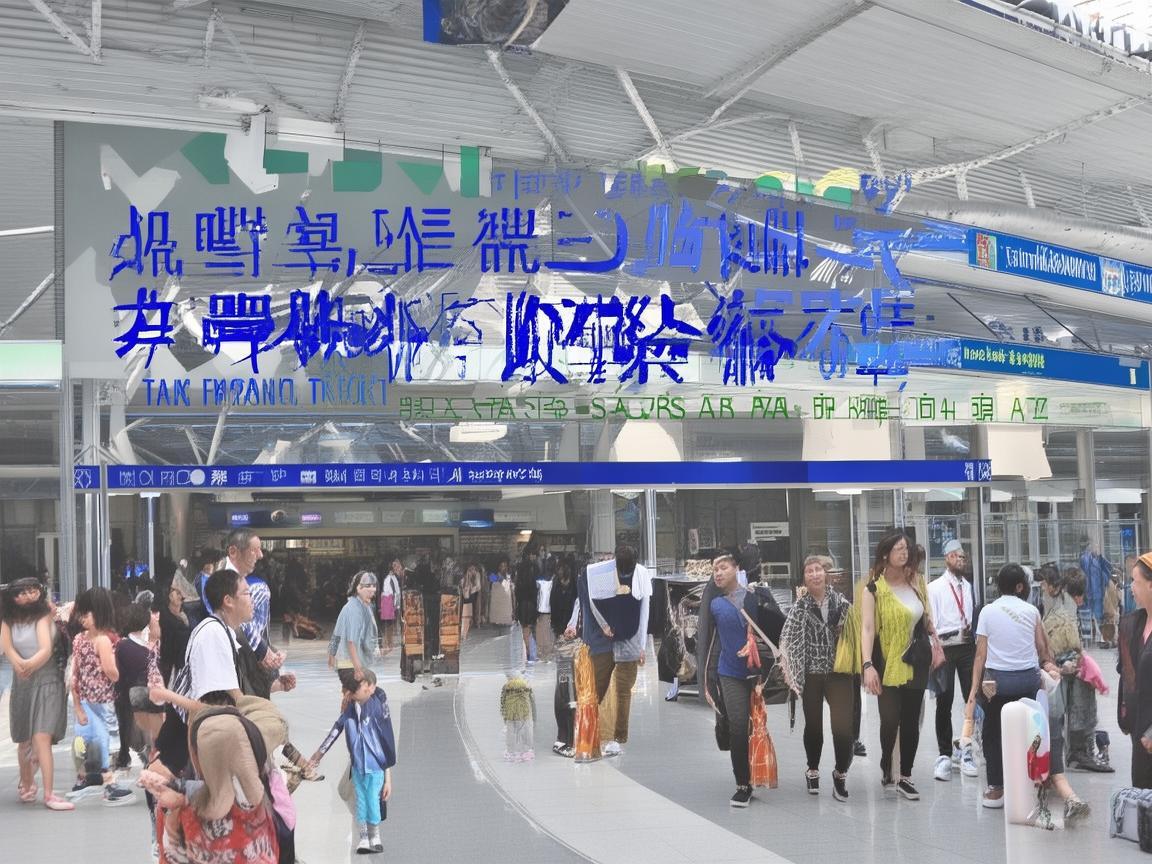
Xi’an Xianyang International Airport has two terminals: T1 (mostly domestic flights, smaller) and T3 (most international flights and all domestic China Southern/China Eastern flights). Before you even think about transportation, check your ticket—your arrival terminal matters! T1 and T3 are about 10 minutes apart by shuttle, so if you land at T1 and need to catch a bus/train from T3, factor in that extra time.
Xi’an Arrival: A Practical Airport Transportation Decision Guide for Travelers
Pro tip: Grab a free airport map at the information desk (near baggage claim) or screenshot one online. It’ll save you from wandering aimlessly.
Option 1: Airport Bus (The “No-Brainer for First-Timers”)
What it is: Direct buses from T1/T3 to major Xi’an hubs (e.g., Railway Station, Bell Tower, High-speed Rail North Station).
Where to find it: Follow the “Airport Bus” signs—there’s a dedicated ticket counter and waiting area outside each terminal.
Cost: ¥20–¥25 (depending on the route; e.g., to Bell Tower is ¥25).
Travel time: 45–60 minutes (traffic-dependent).
Schedule: 6:00 AM–11:00 PM, with departures every 20–30 minutes.
Why I love it:
- No stress: You don’t need to navigate apps or haggle—just pay, board, and relax.
- Direct to key spots: The “Bell Tower” route drops you off right in the city center, a 5-minute walk to most downtown hotels.
- Budget-friendly: Cheaper than taxis/ride-hailing, and you avoid surge pricing.
When to skip it:
- If you’re traveling with a giant suitcase (bus storage is limited) or during rush hour (7–9 AM/5–7 PM)—traffic can turn a 50-minute ride into 90 minutes.
- If your hotel is far from the bus stops (e.g., near the city walls’ east gate—you’ll need a short taxi ride after).
My story: The first time I visited Xi’an, I took the Bell Tower bus. I paid ¥25, boarded a comfy coach, and watched the city transition from airport sprawl to ancient streets. When we pulled up at the Bell Tower stop, I walked 2 minutes to my hotel—couldn’t have been easier.
Option 2: Metro (The “Budget Traveler’s Best Friend”)
What it is: Xi’an Metro Line 14 connects T3 directly to the city center (transfer to Line 2 at Beikezhancun Station for Bell Tower, Line 1 at North Railway Station, etc.). T1 requires a free shuttle to T3 first (10 minutes, follow the signs).
Where to find it: From T3, follow the “Metro” signs—there’s a dedicated entrance with escalators/elevators.
Cost: ¥6–¥10 (depending on how far you go; e.g., T3 to Bell Tower is ¥6).
Travel time: 50–60 minutes (including a transfer).
Schedule: 6:10 AM–10:30 PM (last trains vary by line).
Why I love it:
- Super cheap: ¥6 to the city center? Unbeatable.
- Avoids traffic: Metro runs underground, so no delays from rush hour.
- Easy transfers: Line 2 (the “sightseeing line”) stops at Bell Tower, Muslim Quarter, and Dayan Pagoda—perfect for hitting top spots.
When to skip it:
- If you’re with heavy luggage (T3’s metro station has stairs, and escalators can be crowded).
- If you’re traveling late (last metro to the city center is around 10 PM).
- If you’re new to China and struggle with transit apps (more on this later).
Pro tip: Download the “Metroman” app or scan QR codes at the station for real-time schedules. You can also buy a physical ticket at the machines (cash/Alipay/WeChat pay accepted)—just enter your destination (e.g., “Bell Tower”) in English.
Option 3: Taxi (The “Convenient but Watch Out” Option)
What it is: Metered taxis available at designated stands outside T1/T3.
Where to find it: Follow the “Taxi” signs—there’s an orderly queue (no haggling!).
Cost: ¥80–¥120 to downtown Bell Tower (depends on traffic; meter starts at ¥13 for 3 km, then ¥2.6/km).
Travel time: 30–60 minutes (traffic is the wild card).
Why it’s worth considering:
- Door-to-door service: Ideal if you’re with kids, have 3+ suitcases, or staying in a remote area.
- No app needed: Great if your phone is dead or you don’t have Chinese payment apps.
Red flags to watch for:
- Drivers refusing the meter: Some might quote a flat fee (e.g., ¥150) to the city center—politely decline and wait for the next taxi.
- “Detours”: Legitimate taxis take the highway, but some might take longer routes to up the fare. Stick to Google Maps (download offline maps!) to track the route.
- Long lines: During peak hours (5–7 PM), the taxi queue can be 30+ minutes—plan ahead.
My mistake: Once, I got in a taxi without checking the meter, and the driver “accidentally” took a scenic route. The fare jumped to ¥150 instead of the usual ¥90. Now, I always confirm “meter on?” before closing the door.
Option 4: Ride-Hailing (The “Tech-Savvy Traveler’s Pick”)
What it is: Using apps like DiDi (China’s Uber) or Caocao to book a car.
Where to find it: Outside T1/T3, there are designated “Ride-Hailing” pickup zones (follow the signs).
Cost: Similar to taxis (¥80–¥120 to downtown), but surge pricing applies during peak hours (can double the fare!).
Travel time: 30–60 minutes (same as taxis).
Why I love it:
- Transparent pricing: You see the fare upfront before booking.
- Driver tracking: Real-time GPS so you know exactly where your ride is.
- *Cashless payment:** Links to Alipay/WeChat Pay—no need to carry cash.
When to skip it:
- Surge pricing: During holidays or rush hour, fares can be ¥200+—stick to metro/bus if you’re budget-conscious.
- Language barrier: If your Chinese is basic, drivers might struggle with English addresses (have your hotel’s Chinese name written down!).
- *Signal issues:* At busy pickup zones, cell service can be spotty—download the app before* you land.
Pro tip: Use DiDi’s “Express” or “Comfort” options for English-speaking drivers (if available). For cheaper fares, try “Pool” (carpooling)—but add extra time for stops.
Option 5: Private Transfer (The “Luxury/Group Pick”)
What it is: Pre-booking a private car (van/SUV) through your hotel or a service like HelloXi’an.
Cost: ¥150–¥300 (depending on the car size; great for 3+ people).
Travel time: 30–60 minutes.
Who it’s for:
- Groups/families: A 7-seater van fits 6 people + luggage comfortably.
- Business travelers: Drivers meet you at arrivals with a name sign—no waiting.
- Late arrivals: If your flight lands at 11 PM, private transfers run 24/7 (metro/bus stop at 10:30 PM).
Downside: The most expensive option, and you need to book 1–2 days in advance.
Decision Guide: Which One Should YOU Pick?
To make it easy, ask yourself:
| Question | Best Option | Why |
|---|---|---|
| “I’m on a tight budget and have a small suitcase.” | Metro | ¥6 to the city center, no traffic delays. |
| “It’s my first time in Xi’an, and I want simplicity.” | Airport Bus | Direct to downtown, no app needed. |
| “I’m with family, have 3 suitcases, and it’s 8 PM.” | Taxi/Private Transfer | Door-to-door, no rush hour stress. |
| “I’m a solo traveler with a backpack and it’s 10 AM.” | Metro or Airport Bus | Cheap, easy, and avoids surge pricing. |
| “I don’t speak Chinese and want to avoid haggling.” | Ride-Hailing (DiDi) | Transparent pricing, English support in some options. |
Final Tips for a Smooth Arrival
- Download apps before you land: DiDi, WeChat Pay, Alipay, and Google Maps (with Xi’an offline maps). Trust me—you don’t want to figure out Chinese payment systems after a 12-hour flight.
- Keep small cash handy: Taxis and metro machines accept cash, but buses and ride-hailing are easier with apps.
- Avoid “unofficial” taxis: Guys outside arrivals shouting “Taxi? Cheap price!” are unlicensed—stick to the official queue.
- Factor in jet lag: If you land at 10 PM, the metro might be closed—book a private transfer or taxi in advance.
Wrapping Up
Xi’an’s airport transportation can feel overwhelming, but it’s actually pretty straightforward once you know your options. For me, the airport bus will always be a favorite—no stress, direct to the action, and cheap enough to splurge on a jianbing (Chinese crepe) when I arrive. Whether you’re budget-conscious, traveling with family, or just want to get to your hotel fast, there’s a perfect option for you. Now go—your terracotta warriors and Muslim Street kebabs are waiting!
Safe travels, and 欢迎来到西安 (Welcome to Xi’an)!
Xi’an Airport Transfer Service
Private English-speaking driver service in Xi’an operated directly by Bruce Zhang. 24/7 airport pickup and hotel transfer for foreign travelers.
Helpful for Your Trip in Xi’an
Xian Airport Arrival Bus Tips: A First-Timers Honest Guide
2026-09-09First 24 Hours in Xian: A Travelers Survival Guide
2026-09-09Landing in Xi’an: An International Traveler’s Step-by-Step Guide to Navigating the Airport
2026-09-07Xian Airport Arrival: A Travelers Guide to Payment & Getting Settled
2026-08-28Getting from Xi’an Airport to Train Stations: A Traveler’s Practical Guide
2026-08-28Xian Airport Arrival During Chinese New Year: My Practical First-Timers Guide
2026-08-13From Xian Airport to Your Hostel: A Travelers Practical Guide
2026-08-10Xi’an Airport Arrival: A Sign Board Pickup Guide for Travelers
2026-08-08Xi’an Arrival Airport Support: A Practical Guide for First-Time Visitors
2026-08-07Xi’an Travel Tips: A First-Timer’s Guide to Smooth Airport Arrival & Hotel Pickup
2026-08-06