

Exploring Xi’an’s Museum Ecosystem: A Traveler’s Practical Guide
As a history buff who’s wandered through ancient cities from Rome to Beijing, I’ve learned that the best way to understand a place is through its stories—and in Xi’an, those stories live and breathe in its incredible museum ecosystem. What I love most about Xi’an is how its museums aren’t just isolated buildings; they’re a interconnected web, each a thread in the rich tapestry of China’s past. Over two weeks, I dug deep into this ecosystem, and I’m here to share exactly how you can do it efficiently, affordably, and authentically. Whether you’re a first-time visitor or a seasoned traveler, this guide will help you navigate Xi’an’s museums like a local.
Why Xi’an’s Museum Ecosystem Matters
Xi’an isn’t just the starting point of the Silk Road or home to the Terracotta Army—it’s a living museum of Chinese civilization. From the Paleolithic era to the Tang Dynasty (Xi’an’s golden age), the city has been the heart of Chinese culture for over 3,000 years. The “museum ecosystem” here refers to how museums, historical sites, local neighborhoods, and even food culture all connect to tell a complete story. For example, you can’t fully appreciate the Terracotta Army without understanding the Qin Dynasty’s rise (learned at the Shaanxi History Museum), and you can’t grasp the Tang Dynasty’s glory without seeing the artifacts from the Xi’an City Wall and the Muslim Quarter.
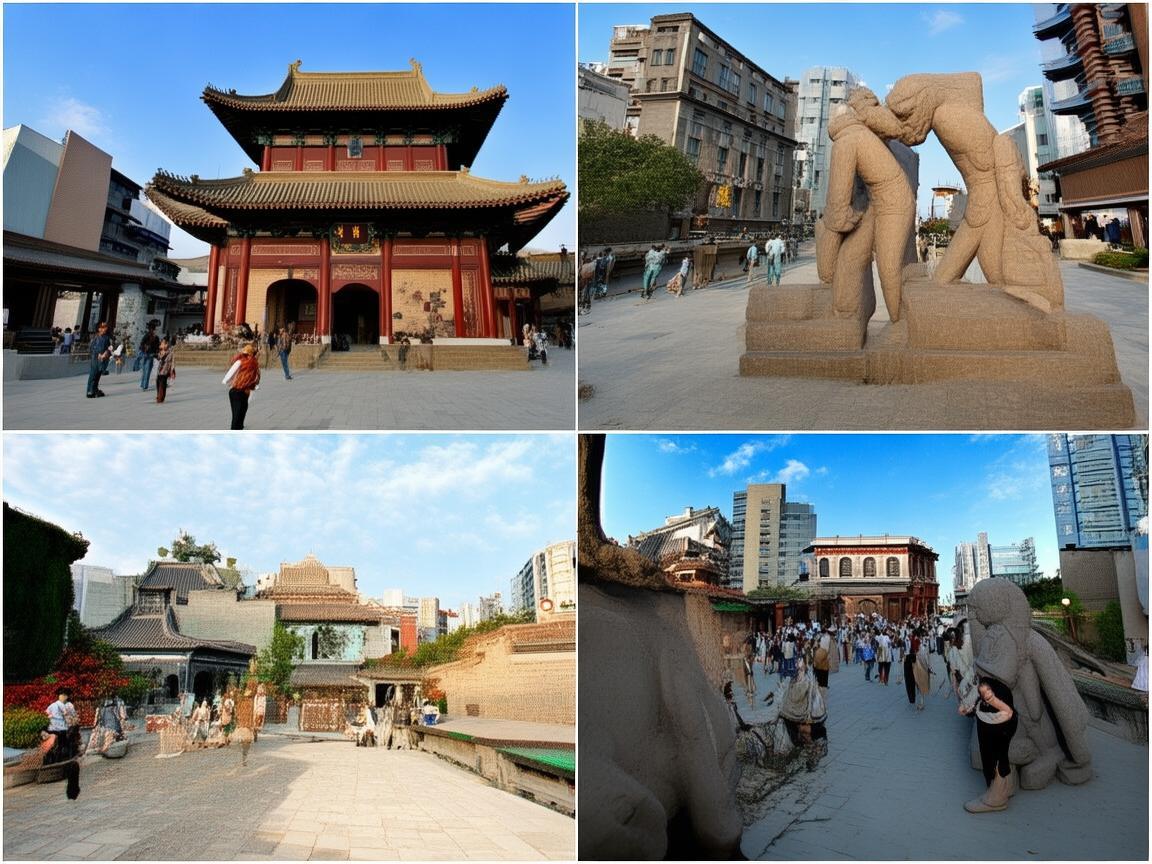
Exploring Xi’an’s Museum Ecosystem: A Traveler’s Practical Guide
The beauty of this ecosystem is that it’s flexible. You can spend a whole day in one world-class museum or hop between three smaller ones in a afternoon. I’ll break down the “must-sees,” how to link them, and the hidden gems that make the experience unforgettable.
The Core: Can’t-Miss Museums (and How to Tackle Them)
Shaanxi History Museum: The “Central Hub” of the Ecosystem
Why go? If you only visit one museum in Xi’an, make it this one. It’s often called the “Chinese Museum Museum” for a reason: its collection spans over a million years, from Neolithic pottery to Tang Dynasty gold and silverware. It’s the perfect starting point to understand the timeline of Xi’an (and China) before diving into specific sites.
Practical tips:
- Book WAY in advance: Tickets are free but sell out weeks ahead, especially in peak season (April–October). Use the official WeChat account (“陕西历史博物馆”) or the “Xi’an Tourism” app to book 3–7 days ahead. I tried walking up at 9 AM on a weekday and was turned away—lesson learned!
- Hire a guide: The free English-speaking tours (at 10 AM and 2 PM) are good, but a private guide (¥200–300 for 2 hours) lets you skip lines and dive into details. My guide, a local history student, pointed out tiny symbols on Tang Dynasty pottery that revealed trade routes along the Silk Road—things I’d have totally missed.
- Don’t rush: The museum has three main halls. Hall 1 covers prehistory to the Zhou Dynasty; Hall 2 is the Qin and Han (think Terracotta Army prep); Hall 3 is the Tang Dynasty (my favorite—the glazed pottery camels and horses are breathtaking). Allow at least 3 hours.
Terracotta Army and Hanyangling Museum: The “Ancient Empire” Branch
Why go? The Terracotta Army is Xi’an’s crown jewel, but the real ecosystem magic happens when you pair it with Hanyangling (the tomb of Emperor Jing of Han). While the Terracotta Army shows Qin Dynasty’s military power, Hanyangling reveals daily life in the Han Dynasty—through unearthed miniatures of servants, animals, and even kitchenware. Together, they paint a full picture of ancient Chinese burial culture.
Practical tips:
- Get there early: The Terracotta Army opens at 8:30 AM, and arriving by 8:45 AM means shorter lines. I went at 8 AM and had the first pit (the largest) almost to myself—seeing the thousands of warriors silhouetted against the morning light was surreal.
- Combine with Hanyangling: Most tours skip Hanyangling, but it’s worth the extra 30-minute drive. You can take a public bus (Bus 5路 from Xi’an Railway Station to Terracotta Army, then switch to Bus 30路 to Hanyangling) or hire a taxi for the day (¥300–400 round trip). Hanyangling’s “glass floor”让你 walk over the actual burial pits—no flash photography allowed, but the view of the miniatures is incredible.
- Eat like a local: Near the Terracotta Army, skip the tourist-trap restaurants and head to “老李家肉夹馍” (Old Li’s Roujiamo). Their “肉夹馍” (Chinese hamburger) with “凉皮” (cold noodles) costs ¥15 and is the best fuel for a day of walking.
Xi’an City Wall and Muslim Quarter: The “Living Culture” Loop
Why go? Museums aren’t just about artifacts—they’re about people. The Xi’an City Wall (the most complete ancient city wall in China) and the Muslim Quarter (a bustling neighborhood with 1,300 years of history) show how Xi’an’s past blends with present. You can ride a bike on the wall (¥45/hour) and then dive into the Muslim Quarter to taste food influenced by both Chinese and Islamic cultures—think paomo (bread soaked in lamb soup) and roujiamo (again, but spicier here!).
Practical tips:
- Bike the wall at sunset: The wall is 14 km long, so don’t try to walk it all. Rent a bike near the South Gate (Yingmen Gate) and ride to the East Gate—sunset views over the city are unbeatable. Pro tip: Bring a windbreaker; it gets windy!
- Muslim Quarter beyond the main street: Everyone knows the Muslim Quarter’s night market, but the real gems are in the side alleys. Look for “贾三灌汤包子” (Jia Steamed Soup Dumplings)—their crab soup dumplings are legendary. For dessert, try “柿子饼” (persimmon cakes) from a street vendor near the Great Mosque (¥5 for two).
- Visit the Great Mosque first: Before diving into the food, pop into the Great Mosque (¥30 entry). It’s the oldest mosque in China (built in 742 AD) and a stunning example of Islamic architecture blended with Chinese design. Go early (9–10 AM) to avoid crowds.
The Hidden Gems: Small Museums with Big Stories
Xi’an’s ecosystem isn’t just about the big names. These smaller museums are where you’ll find the most intimate, human stories—and they’re often less crowded.
Banpo Museum: The “Neolithic Roots” Stop
Why go? Banpo is a “site museum,” built on top of a 6,000-year-old Neolithic village. It’s small (allow 1.5 hours) but mind-blowing: you’ll see the remains of houses, pottery, and even a “children’s cemetery,” which shows how early humans lived. The best part? The outdoor “reconstructed village” lets you walk into thatched-roof huts just like the Banpo people did.
*Practical tips:** It’s a 30-minute taxi ride from the city center (¥50). Pair it with a visit to the nearby Huaqing Hot Springs (Emperor Xuanzong’s winter palace) for a full day of “ancient life” exploration.
Stele Forest Museum: The “Calligraphy Heart”
Why go? If you love art or language, this is your paradise. The Stele Forest is a garden with over 3,000 stone steles (inscribed tablets) from the Han to Qing dynasties. Some are famous calligraphy works; others are imperial edicts. My favorite? The “Classic of Filial Piety,” a giant stele carved in 175 AD—you can still see the intricate brushstrokes.
*Practical tips:** Wear comfortable shoes—you’ll be walking on gravel paths. Bring a notebook: some steles have English translations, but many don’t, so a guide (¥100 for 1 hour) helps. The museum is near the City Wall (South Gate), so you can easily combine it with a bike ride.
Putting It All Together: A 5-Day Museum Ecosystem Itinerary
Here’s how I structured my trip to maximize the ecosystem experience without feeling rushed:
- Day 1: Shaanxi History Museum (morning) + Muslim Quarter/Great Mosque (afternoon/evening). Start with the big picture, then dive into living culture.
- Day 2: Terracotta Army (8:30 AM–1 PM) + Hanyangling (2–4 PM). Ancient burial culture, top to bottom.
- Day 3: City Wall bike tour (morning, sunrise if possible) + Banpo Museum (afternoon). Neolithic to ancient city life.
- Day 4: Stele Forest Museum (morning) + Small Wild Goose Pagoda (afternoon). Art and Buddhist history.
- Day 5: Free day! Pick a favorite museum to revisit (I went back to Shaanxi History Museum’s Tang Dynasty hall) or explore a neighborhood like “回民街” (Muslim Quarter) for souvenirs (buy a Terracotta Army replica—just make sure it’s labeled “handmade” for authenticity!).
Final Tips for a Smooth Museum Ecosystem Experience
- Transport: Xi’an’s subway is efficient (use the “Metro Xi’an” app), but taxis are cheap (¥20–30 within the city). For museums outside the center (Terracotta Army, Hanyangling), use Didi (Chinese Uber).
- Food: Don’t eat in museum cafeterias—they’re overpriced. Grab street food or small local restaurants instead. My favorite meal? “Biángbiáng面” (wide noodles) near the Bell Tower—¥10 a bowl, spicy and delicious.
- Respect: Museums here are strict about no flash photography (especially at Terracotta Army and Hanyangling). Also, don’t touch artifacts—even the “reconstructed” houses at Banpo are fragile.
Xi’an’s museum ecosystem isn’t just about seeing old things—it’s about feeling the connection between past and present. By linking the big museums with the small ones, the historical sites with the local neighborhoods, you’ll leave with a deeper understanding of China than any book could give. So grab your comfortable shoes, book those tickets, and get ready to fall in love with a city where history isn’t just displayed—it’s alive.
Xi’an Airport Transfer Service
Private English-speaking driver service in Xi’an operated directly by Bruce Zhang. 24/7 airport pickup and hotel transfer for foreign travelers.
Helpful for Your Trip in Xi’an
Xi’an Travel Hack: How Priority Lanes Saved My Trip (and 5 Hours!)
2026-07-29Xi’an Unlocked: A Digital Tourist’s Guide to Ancient Wonders and Modern Convenience
2026-07-29Unlocking Xi’an: A Traveler’s Guide to Digital Tokens for Seamless Journeys
2026-07-29Xi’an Travel Tips: How Online Tickets Turned My Chaos into Adventure
2026-07-28Xi’an Travel: A Tourist’s Guide to Navigating the Digital Entry System
2026-07-28Skip the Line: My VIP Lane Hack for a Stress-Free Xi’an Trip
2026-07-28Unlocking Xi’an: A Traveler’s Guide to the Discovery Entry System
2026-07-28Xi’an Travel Hack: How an Admission Pass Saved Me Time, Money, and Headaches
2026-07-28Visiting Xi’an? How a China Attraction Reservation App Saved My Trip
2026-07-28Skip the Lines, Savor the Stories: My VIP Entry Guide to Xi’an
2026-07-27