

Exploring Xi’an’s Park Ecosystems: A Traveler’s Guide to Green Spaces and Local Life
Xi’an isn’t just terracotta warriors and ancient city walls—though those are unmissable! What surprised me most, as a traveler who loves mixing nature with culture, is how this 3,000-year-old city weaves green spaces into its daily life. Its parks aren’t just pretty lawns; they’re living ecosystems where history, plants, animals, and locals all coexist. If you want to skip the tourist traps for a bit and really feel the city’s pulse, its parks are where it’s at. Here’s my practical, no-fluff guide to exploring Xi’an’s park ecosystems like a local.
First Stop: Da Ci’en Temple Forest Park (大雁塔北广场公园) – Where History Meets Lakeside Serenity
Let’s start with the most iconic (and accessible) park. Nestled right next to the Big Wild Goose Pagoda (a must-see anyway), this park is a perfect blend of ancient relics and lush greenery.
Ecosystem Highlights: The park is split into two parts: the cultural area around the pagoda and the lakeside area to the north. Around the pagoda, you’ll find centuries-old ginkgo and cypress trees—their gnarled trunks feel like they’ve witnessed dynasties rise and fall. In spring, the cherry blossoms near the pagoda entrance turn the area into a pink-hued paradise (mid-March to early April is prime time). Head to the lakeside, and you’ll spot lotus pads floating on the water (summer) and ducks dabbling for food. The real treat? The reed beds along the shore—they’re a mini-wetland ecosystem, home to dragonflies, kingfishers, and even the occasional heron if you’re lucky.
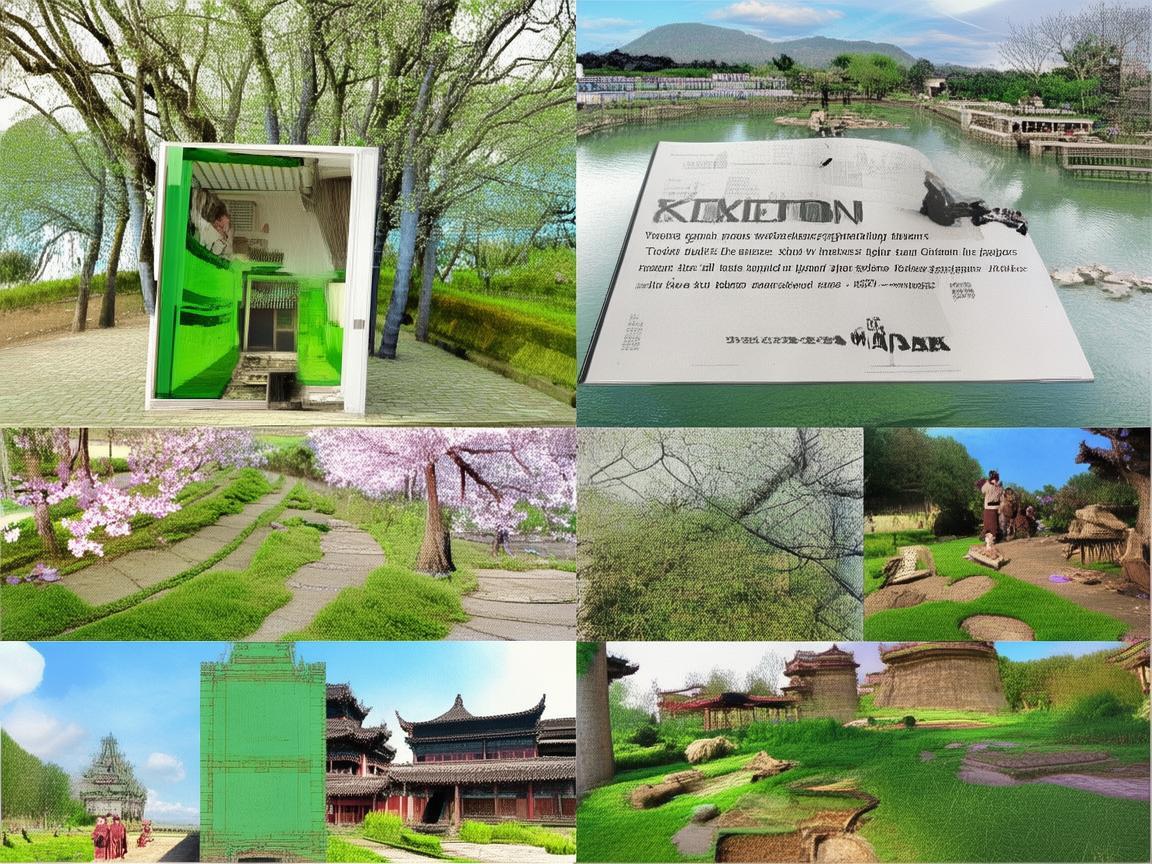
Exploring Xi’an’s Park Ecosystems: A Traveler’s Guide to Green Spaces and Local Life
Practical Tips:
- Getting There: Take Metro Line 3 to “Big Wild Goose Pagoda Station” (大雁塔站). The park is a 2-minute walk from Exit A.
- Best Time to Visit: Early morning (7–9 AM) to see locals practicing tai chi or calligraphy by the lake. At night, the pagoda’s light show reflects on the water—magical, but skip it if you want peace and quiet (shows start at 8 PM, and it gets crowded).
- Don’t Miss: The “Forest of Steles” nearby (a short walk) has ancient stone carvings, but if you’re short on time, the park’s lotus pond (summer) and the ginkgo alley (autumn) are photo ops worth staying for.
Second Stop: Xingqing Palace Park (兴庆宫公园) – A Tang Dynasty Garden Come to Life
Xi’an was the capital of the Tang Dynasty, and Xingqing Palace Park is where you can feel that era. This was once the imperial palace of Emperor Xuanzong, and today, it’s a beloved local park with a lake, pavilions, and a surprisingly rich ecosystem.
Ecosystem Highlights: The park’s heart is Dragon Lake (龙池), a man-made lake surrounded by weeping willows and lotus flowers. In summer, the lake is buzzing with life: dragonflies dart over the water, turtles sun themselves on rocks, and fish (mostly goldfish and carp) swirl in the clear shallows. The trees here are a mix of native species—pines, cypresses, and paulownia trees (called “tree phoenixes” in Chinese for their fast growth). My favorite spot? The Bamboo Forest Path (竹林小径) near the east gate: the tall, green bamboo creates a cool, shady canopy, and you’ll hear birds chirping from above. Pro tip: Look for the “ancient cypress” near the palace ruins—it’s over 1,200 years old and has a trunk so wide it takes three people to hug!
Practical Tips:
- Getting There: Metro Line 1 to “Xingqing Park Station” (兴庆宫站). Exit B leads straight to the park’s south gate.
- Best Time to Visit: Weekday mornings (8–10 AM) when elderly locals gather to dance, play the erhu, or practice tai chi. Weekends get crowded with families flying kites and picnicking.
- Don’t Miss: The “Imperial Boat Ride” (¥20/person) on Dragon Lake—slow, but you’ll get a close-up view of the lotus blooms and maybe spot a water snake (harmless, but startling if you’re not expecting it!). Pack a snack: the park has little vendors selling steamed buns (¥3/each) and chrysanthemum tea (¥5/cup), perfect for a lakeside picnic.
Third Stop: City Wall Park (城墙公园) – Walking Through History (and Greenery)
Xi’an’s Ancient City Wall is famous, but most tourists just walk or bike the top—few venture to the park along the wall, which is where the real ecosystem magic happens.
Ecosystem Highlights: The wall is 14 km long, and the park at its base is a 10-meter-wide green belt that acts as the city’s “lung.” Here, you’ll find native plants like Sophora japonica (pagoda trees, which bloom with creamy white flowers in summer) and Pinus tabuliformis (flat-top pines). The park is also a haven for birds—sparrows, magpies, and even bulbuls flit between the trees. In spring, the ground is covered in wild violets and dandelions, and in autumn, the maple trees along the wall’s northern side turn fiery red. My favorite part? The moat outside the wall: it’s not just for show—it’s a wetland ecosystem with reeds, water lilies, and fish that feed the local egrets.
Practical Tips:
- Getting There: Metro Line 2 to “Zhonglou Station” (钟楼站), then walk 10 minutes to the south gate of the wall. The park runs along the inside of the wall, so enter through any gate (like Yongning Gate) and walk down to the green belt.
- Best Time to Visit: Late afternoon (4–6 PM) when the light is golden, and the park is less crowded. Rent a bike to ride the top of the wall (¥45/2 hours) and then explore the park at the base—you’ll get the best of both worlds.
- Don’t Miss: The “corner towers” (角楼) in the park—climb them for a view of the wall snaking through the city, with the park’s greenery spreading out below. Tip: Bring binoculars if you’re a bird watcher—you might spot a kingfisher diving into the moat!
Fourth Stop: Chanba Wetland Park (浐灞湿地公园) – A Modern Eco-Paradise
For a contrast to the historic parks, head to Chanba Wetland Park in Xi’an’s northeast. This is a newer, larger park designed to showcase China’s efforts in urban wetland conservation—and it’s stunning.
Ecosystem Highlights: Chanba is a wetland ecosystem, meaning it’s all about water, plants, and birds. The park has over 800 species of plants, from reeds and cattails to water hyacinths and lotuses. The real stars, though, are the birds: over 200 species live here or stop by during migration. I spotted egrets, herons, and even a flock of wild geese (hence the name “Chanba”—“Chan” and “Ba” are the names of the two rivers that meet here). The park also has floating boardwalks that wind through the reed beds—walking them feels like you’re in a real marsh, even though you’re just a metro ride from the city center.
Practical Tips:
- Getting There: Metro Line 3 to “Chanba Wetland Park Station” (浐灞湿地公园站). The park has multiple entrances; the north gate is closest to the metro.
- Best Time to Visit: Early morning (6–8 AM) or late afternoon (5–7 PM) when birds are most active. Avoid midday in summer—it gets hot, and the bugs are fierce (bring repellent!).
- Don’t Miss: The “Bird Island” (鸟岛) observation deck—bring a telephoto lens if you have one, you can see nests and baby birds in spring. The park also has electric boats (¥80/30 minutes) that take you through the wetlands—worth it for a closer look at the water lilies and cattails.
Fifth Stop: Small Wild Goose Pagoda Forest Park (小雁塔公园) – Hidden Gem for Peace Lovers
If you want a quieter park experience, skip the Big Wild Goose Pagoda and head to its smaller, more intimate cousin. The Small Wild Goose Pagoda is less crowded, and its park is a peaceful oasis with a focus on traditional Chinese garden design.
Ecosystem Highlights: The park is divided into “north” and “south” sections. The north part has a classic Chinese garden with a zigzagging bridge over a koi pond, rockeries, and peonies (in spring). The south part is wilder, with a bamboo forest and a small stream where frogs croak at dusk. Trees here include old pines and scholar trees (named because scholars once wrote poetry under them), and the park is home to squirrels and lots of songbirds—my morning walks here were accompanied by the chirping of sparrows and the occasional call of a cuckoo.
Practical Tips:
- Getting There: Metro Line 2 to “Nanmen Station” (南门站), then take Bus 609 to “Small Wild Goose Pagoda Station” (小雁塔站). The park is a 5-minute walk from the bus stop.
- Best Time to Visit: Weekday mornings (9–11 AM) when the park is quiet and the light filters through the trees. Weekends have more families, but it’s still less crowded than other parks.
- Don’t Miss: The “Ancient Calligraphy Wall” near the pagoda—locals practice calligraphy here with water brushes (no ink, just water!), and it’s fun to watch. Tip: The park’s teahouse (near the south gate) serves paomo (bread soaked in lamb soup)—a Xi’an specialty—perfect for a cold day.
Bonus: Local Tips for Exploring Xi’an’s Park Ecosystems
- Bring Layers: Xi’an’s weather is extreme—hot summers (30°C+) and cold winters (-5°C). Spring (April–May) and autumn (September–October) are best for park visits.
- Wear Comfortable Shoes: You’ll be walking a lot, especially in the wall and wetland parks.
- Respect the Ecosystem: Don’t pick flowers, feed the animals (it messes up their diet), or litter. The parks are loved by locals, and keeping them clean is a sign of respect.
- Talk to Locals: Elderly Chinese love practicing English, and they’ll often share stories about the parks—like how the lake in Xingqing Palace was once used for imperial dragon boat races!
- Pack a Picnic: Most parks have picnic tables (or just grassy spots). Grab snacks from a local market—try jianbing (savory crepes, ¥5) or bingfeng (steamed buns, ¥3)—and enjoy a meal surrounded by greenery.
Final Thoughts
Xi’an’s parks are more than just “green spaces”—they’re living museums where you can see how a modern Chinese city balances history, nature, and daily life. From the ancient trees of Da Ci’en Temple to the wetlands of Chanba, each park has its own ecosystem story to tell. So next time you’re in Xi’an, skip the souvenir shops for an afternoon, grab a bench, and watch the world go by. You’ll leave with a deeper understanding of this city—and maybe a newfound love for China’s park ecosystems.
Happy travels! ??
Xi’an Airport Transfer Service
Private English-speaking driver service in Xi’an operated directly by Bruce Zhang. 24/7 airport pickup and hotel transfer for foreign travelers.
Helpful for Your Trip in Xi’an
Skip the Lines, Savor the Stories: My VIP Entry Guide to Xi’an
2026-07-27Traveling Xi’an Smart: How Online Booking Made My Trip Seamless and Stress-Free
2026-07-27Navigating Xi’an’s Face Recognition Entry Systems: A Tourist’s Practical Guide
2026-07-27Xi’an Traveler’s Guide: Navigating the City with China’s Visitor Platforms
2026-07-26Navigating Xi’an’s Tour Entry System: A Traveler’s Practical Guide
2026-07-26Xi’an Travel Hack: How a Ticket Issuing App Saved My Trip and 5 Hours in Queues
2026-07-26Xi’an Travel Tips: Navigating Ticket Codes Like a Local
2026-07-25Unlocking Xi’an: A Traveler’s Guide to the China Museum Gate and Beyond
2026-07-25Visiting Xi’an: A Practical Guide to China’s Attraction Regulations
2026-07-23Traveling Xi’an Like a Local: Smart Destination Management Tips for Tourists
2026-07-23