

Navigating Xi’an: A Tourist’s Guide to China’s Visitor Ecosystem
Xi’an isn’t just a city—it’s a living, breathing museum where ancient dynasties whisper from every brick, and modern China hums with energy. As someone who recently spent a week exploring its streets, terracotta warriors, and Muslim Quarter snacks, I learned that traveling here isn’t just about seeing sights; it’s about tapping into China’s visitor ecosystem—the network of tools, services, and local know-how that turns a trip from stressful to seamless. If you’re planning a visit, let me break down how to work with (not against) this system, with practical tips I wish I’d known earlier.
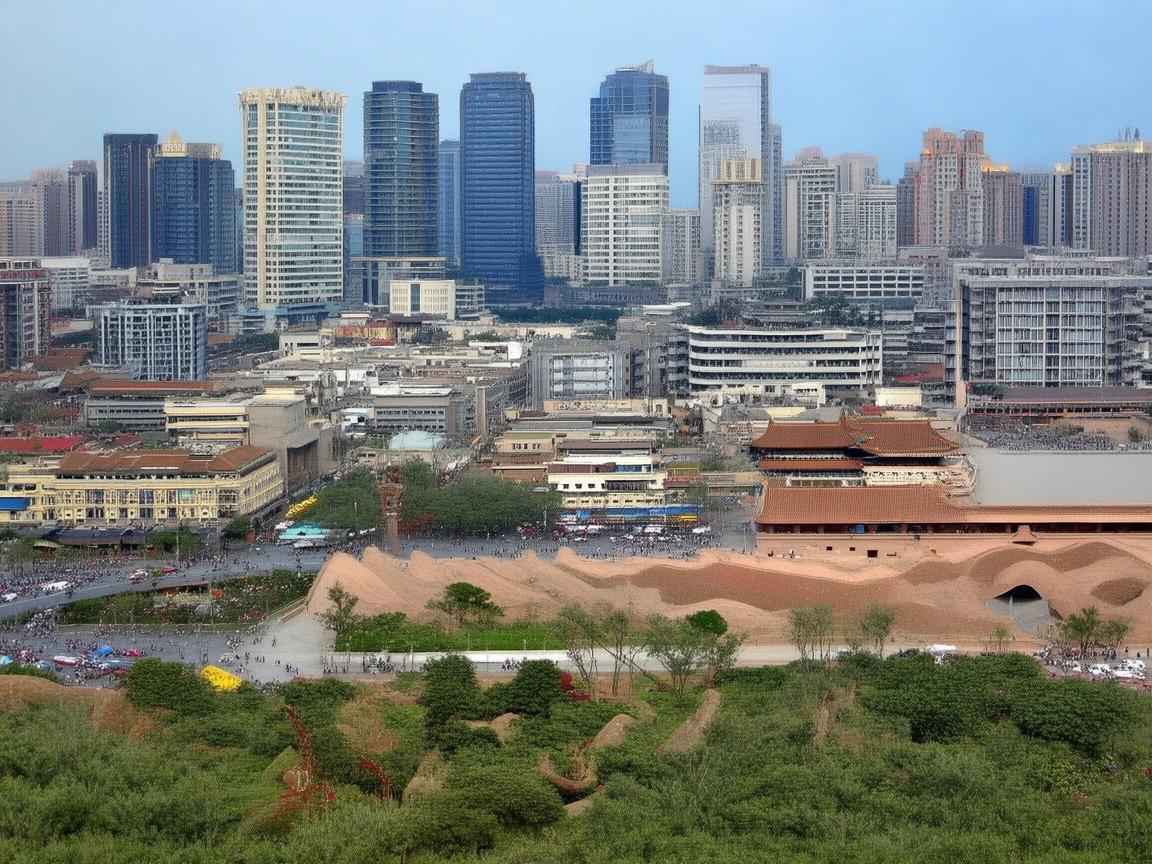
Navigating Xi’an: A Tourist’s Guide to China’s Visitor Ecosystem
Before You Go: Prepping for the Ecosystem
China’s visitor ecosystem starts before you land. The first hurdle? Payments. Cash is king in small shops, but Alipay and WeChat Pay are everywhere—and they require a Chinese bank account. Solution: Link your international credit card to Alipay’s “Overseas Users” feature (look for the “+” icon in the app) or use WeChat Pay’s “Wallet” > “Payment Methods” to add foreign cards. I did both, and while Alipay worked more reliably (some vendors prefer it), having both covered me.
Next, apps. Download Gaode Maps (China’s Google Maps) for navigation—it’s accurate even in subway tunnels, and it shows real-time bus/metro schedules. Didi (China’s Uber) is a must for hailing taxis; just set your language to English, and it’ll auto-translate addresses. For food and attractions, Dianping (“China’s Yelp”) helps spot local favorites: look for places with high ratings and lots of reviews (filter by “Recent” to avoid outdated info).
Lastly, the internet. Google, WhatsApp, and Instagram don’t work here. Rent a pocket WiFi device at the airport (≈¥30/day, unlimited data) or buy a local SIM card (China Unicom’s “Tourist Plan” with 5GB data costs ≈¥50). I rented a pocket WiFi—shared it with my travel buddy—and never had connectivity issues.
Getting to & Around Xi’an: The Transport Web
Xi’an’s transport ecosystem is a well-oiled machine. From the airport, the Airport Bus Line 5 drops you at the train station (¥25, 1 hour) or Xiaozhan (¥25, 50 minutes)—way cheaper than a taxi (≈¥100). Trains and metros are clean, air-conditioned, and signposted in English. Buy metro tickets at machines (select “English” > enter your destination > pay by card/Alipay) or use Gaode Maps’ “Metro” feature to plan routes.
For taxis, always use Didi—drivers can’t overcharge, and you’ll see the fare upfront once you book. Once, I tried hailing a cab at the Terracotta Army; the driver quoted ¥80 to downtown, but Didi charged ¥45. Big difference!
Bikes are your best friend for exploring. Hello Bike and Meituan Bike (China’s version of Lime) are everywhere—scan the QR code with Alipay/WeChat, unlock, and ride (≈¥1.50/30 minutes). I biked from the South Gate to the City Wall at sunset; the breeze, street food smells, and distant pagodas made it unforgettable. Just return bikes to designated parking spots (the app will warn you if you’re in a no-zone).
Where to Stay: Picking Your Ecosystem Hub
Your hotel/hostel location determines how easily you access the ecosystem. Stay inside the city walls (near the South Gate or Bell Tower) for walkable access to attractions, restaurants, and metro lines. I stayed at a hostel near the South Gate—¥150/night, dorm-style, with staff who spoke English and gave me a map with local food spots.
Outside the walls? Cheaper, but you’ll spend more time commuting. If you’re on a budget, consider areas near Xiaozhan station (lots of hostels, 10 mins metro to downtown). For luxury, the Westin near the Bell Tower has rooms with views of the Drum Tower—but at ¥800/night, it’s splurge-worthy.
Pro tip: Book via Ctrip or Booking.com—they have English filters and free cancellation. Hostels often use WeChat to confirm bookings, so have it ready.
Eating Like a Local: The Food Ecosystem
Xi’an’s food scene is a ecosystem of its own, and you don’t need to speak Chinese to eat well. Street food is everywhere, but use Dianping to avoid tourist traps. In the Muslim Quarter, skip the first 10 stalls (they’re overpriced) and turn into Beiyuanmen Alley—locals line up for roujiamo (Chinese hamburger, ¥8-10) and yangrou paomo (bread soaked in lamb soup, ¥15). My favorite spot? A tiny stall run by an elderly woman; she’d tear the bread by hand, ladle in broth, and charge me ¥12—way cheaper than the “famous” places nearby.
For sit-down meals, use Gaode Maps to find laopianzi (old, unassuming restaurants). I found one near the City Wall where suanpanzi (cold noodles with garlic and chili) cost ¥6, and the owner pointed to the “Spicy” menu when I said “la ma” (numbing spicy). Tip: Learn basic food phrases: “wo bu chi la” (I don’t eat spicy), “duo shao qian?” (how much?), and “jie zhang” (check, please).
And yes, you can drink tap water—but most locals buy bottled water (¥1-2 at convenience stores). 7-Eleven and FamilyMart are everywhere, so stock up.
Attractions: Booking, Skipping Lines, and Avoiding Crowds
China’s ticketing ecosystem is digital—and efficient. For big attractions like the Terracotta Army and City Wall, book tickets on WeChat (search the official account, e.g., “秦始皇陵博物院”) or Trip.com. Book 1-2 days ahead—especially for the Terracotta Army, where morning slots (8-10 AM) have fewer crowds.
At the Terracotta Army, rent an audio guide (¥30, English) or hire a local guide (¥200-300 for 2 hours). I did the latter—my guide, Lao Li, showed me how to spot the difference between archers and generals, and told stories of Emperor Qin’s obsession with immortality. Worth every penny.
The City Wall? Rent a bike (¥45, 2 hours) and ride the entire 14km loop. Go at sunset— the golden light on the bricks is magical, and you’ll see the city’s skyline light up. For the Big Wild Goose Pagoda, visit at night when it’s lit up; the surrounding square has free cultural performances (7-9 PM).
Pro tip: Skip the “combo tickets” (they’re overpriced). Buy individual tickets and prioritize: Terracotta Army (half day) > City Wall (2 hours) > Muslim Quarter (evening).
Cultural & Language: Navigating Social Norms
China’s visitor ecosystem includes unspoken rules—know them, and you’ll blend in. First, guanxi (relationships): a smile and “ni hao” (hello) go a long way. If you’re lost, ask a shopkeeper—they’ll often walk you to the destination.
Tipping isn’t expected, but rounding up the bill (e.g., paying ¥28 for a ¥25 meal) is appreciated. Bargaining? Only at markets (like the Muslim Quarter’s souvenir stalls). Start at 50% of the asking price and meet in the middle. I bought a silk scarf for ¥60 (down from ¥150)—the vendor laughed, shook my hand, and gave me a free tea sample.
Language barriers? Use Google Translate with the camera feature—point it at a menu, and it’ll translate in real time. For conversations, download the Pleco app (Chinese dictionary); it has audio pronunciations, so you can show vendors what you want.
When Things Go Wrong: The Safety Net
Even the best ecosystems have hiccups. If you lose your phone, go to a nearby police station—they’ll help you track it via your carrier. For medical issues, head to Xi’an International Medical Center (English-speaking staff) or call 120 (ambulance).
My worst moment? I left my wallet in a Didi. Panicked, I opened the app, found “Lost Item Report,” and 30 minutes later, a driver returned it—everything intact. China’s digital ecosystem tracks everything, so lost items are often recoverable.
Just remember: stay calm. Most locals are eager to help, even if English is limited. A smile and a “xie xie” (thank you) fix almost everything.
Final Thoughts: Why the Ecosystem Makes Xi’an Shine
By the end of my trip, I realized China’s visitor ecosystem isn’t just about apps and trains—it’s about connection. It’s the way a vendor teaches you to use Alipay, a guide shares stories of the Tang Dynasty, or a Didi driver recommends a hidden noodle spot. These small interactions turn a trip into a story.
So, embrace the ecosystem. Download the apps, learn the phrases, and trust the system. Xi’an isn’t just a destination—it’s a journey through time, powered by the people and tools that make traveling here not just easy, but unforgettable.
Now, what are you waiting for? Go eat that roujiamo, ride that city wall, and let the ecosystem work its magic. You won’t regret it.
Xi’an Airport Transfer Service
Private English-speaking driver service in Xi’an operated directly by Bruce Zhang. 24/7 airport pickup and hotel transfer for foreign travelers.
Helpful for Your Trip in Xi’an
Skip the Lines, Savor the Stories: My VIP Entry Guide to Xi’an
2026-07-27Traveling Xi’an Smart: How Online Booking Made My Trip Seamless and Stress-Free
2026-07-27Navigating Xi’an’s Face Recognition Entry Systems: A Tourist’s Practical Guide
2026-07-27Xi’an Traveler’s Guide: Navigating the City with China’s Visitor Platforms
2026-07-26Navigating Xi’an’s Tour Entry System: A Traveler’s Practical Guide
2026-07-26Xi’an Travel Hack: How a Ticket Issuing App Saved My Trip and 5 Hours in Queues
2026-07-26Xi’an Travel Tips: Navigating Ticket Codes Like a Local
2026-07-25Unlocking Xi’an: A Traveler’s Guide to the China Museum Gate and Beyond
2026-07-25Visiting Xi’an: A Practical Guide to China’s Attraction Regulations
2026-07-23Traveling Xi’an Like a Local: Smart Destination Management Tips for Tourists
2026-07-23