

Navigating Xi’an’s Cashless Scene: A Traveler’s Honest Guide to Going Digital
First things first: I’m not a “tech guru.” I’m the kind of traveler who still prints boarding passes and carries a physical map as a backup. So when I landed in Xi’an last month and heard whispers like “cash is basically obsolete here,” I’ll admit—I panicked. I’d arrived with a wad of RMB, sure, but the idea of navigating a whole city without it felt overwhelming. Spoiler alert: I survived. Thrived, even. And by the end of my trip, I was practically a cashless convert. If you’re heading to Xi’an and feeling similarly unsure about going digital, let me break down exactly how to make cashless entry work for you—no tech degree required.
Before You Go: Prep Your Payment Apps
The golden rule of Xi’an’s cashless scene: Alipay and WeChat Pay are your new best friends. I’d used them vaguely back home for small purchases, but here? They’re everything. Here’s how to get set up before you land (trust me, doing this at the airport is chaos).
For Alipay:
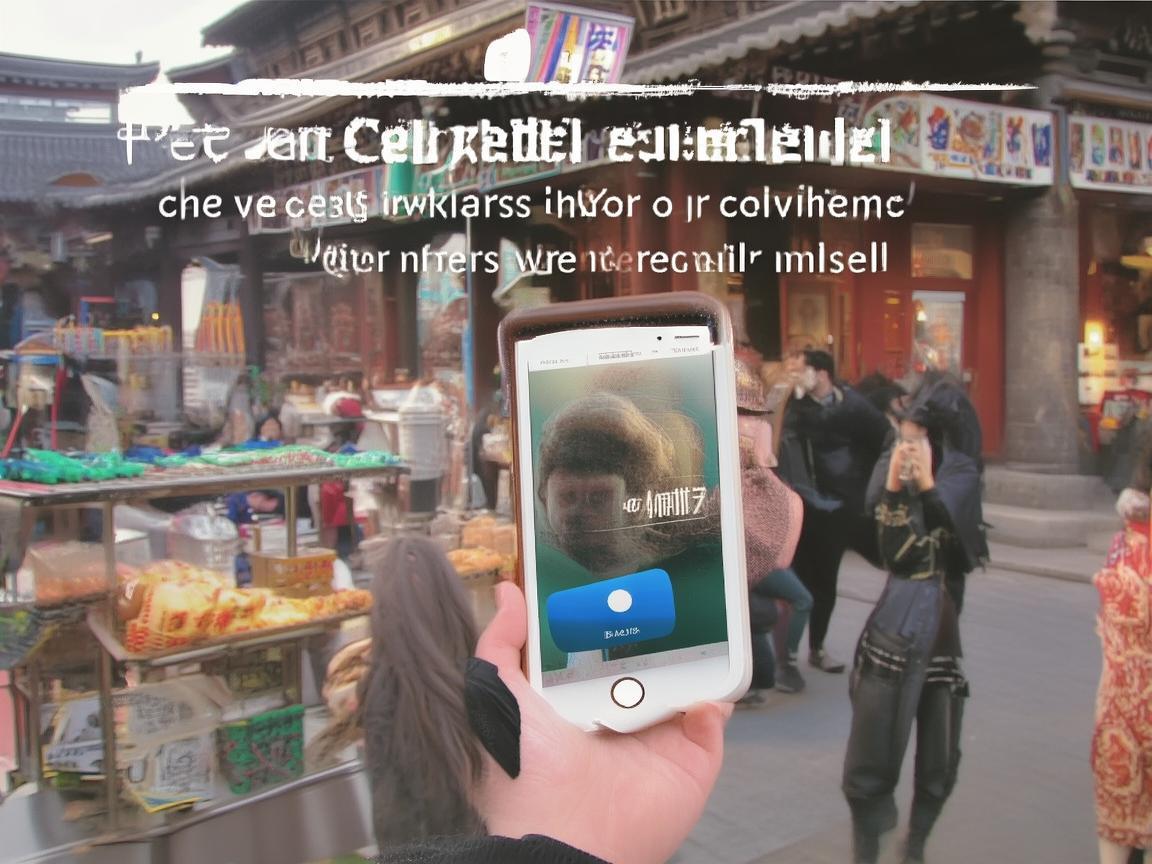
Navigating Xi’an’s Cashless Scene: A Traveler’s Honest Guide to Going Digital
- Download the app (it’s “Alipay” in your app store, not the Chinese “Zhifubao”).
- Link your international credit/debit card (Visa/Mastercard work fine—Amex less so, but some places accept it). Go to “Me” > “Payment Methods” > “Add Bank Card” and follow the prompts.
- Enable “International Mode” (under “Settings” > “Payment Settings”) to avoid hiccups with foreign cards.
For WeChat Pay:
- Download WeChat (if you don’t already have it—you probably do for messaging).
- Go to “Me” > “Wallet” > “Payment Methods” > “Add Bank Card.” Same as above: link your card.
- Pro tip: WeChat Pay has a “Travel” section (look for the airplane icon) where you can add international cards and get a “Travel Pass” for easier use.
Why both? Some small vendors only take one. I learned this the hard way at a breakfast stall near the Muslim Quarter where the owner only had WeChat—luckily, I’d set up both, but if I’d skipped one, I’d have gone hungry.
Cashless Entry at Xi’an’s Top Attractions: No More Ticket Lines
Xi’an’s big-ticket sights (Terracotta Army, City Wall, Big Wild Goose Pagoda) have fully embraced cashless entry, and it’s a game-changer. No more fumbling for cash at crowded ticket booths or worrying about getting change. Here’s exactly how it works:
Step 1: Book in Advance (Optional but Recommended)
Most attractions let you buy tickets on-site via Alipay/WeChat, but skipping the line is worth the 2-minute prep. For the Terracotta Army, I used Alipay’s “Travel” section (search “西安旅游一码通” or “Xi’an Tourism QR Code”) to pre-pick my time slot. It cost ¥120 (student discount if you upload your student ID—more on that later) and the QR code saved directly to my Alipay wallet.
Step 2: At the Gate: Scan, Don’t Fumble
When I arrived at the Terracotta Army, there was a long queue at the “Ticket Booth” window, but the “Scan to Enter” line was empty. I just opened my Alipay, found the QR code under “My Tickets,” and scanned it at the gate. The guard checked my ID (to match the ticket name), and boom—I was in. No cash, no paper ticket, no stress.
Same for the City Wall: I bought a ticket on-site via WeChat—searched “西安城墙” in WeChat’s mini-programs, picked a “Full Ticket” (¥54), and scanned the code at the south gate. The only catch? Some smaller gates (like the East Gate) might still have a human ticket seller, but even they took WeChat Pay when I asked.
Student Discounts: Don’t Leave Home Without Your ID!
Xi’an’s attractions offer student discounts (usually 50% off), but you must show your physical student ID (digital IDs don’t always work). I forgot mine once at the Big Wild Goose Pagoda and had to pay full price—ouch. Lesson learned: pack your student ID if you have one.
Getting Around: Cashless Transport is a Breeze
Xi’an’s public transport system is made for cashless payments. Buses, subways, even shared bikes—you can do it all with your phone.
Subway: The easiest way. Open Alipay or WeChat, search for “西安地铁乘车码” (Xi’an Subway QR Code) in the mini-programs. It’ll generate a dynamic QR code that refreshes every minute. At the station gate, just hover your phone over the scanner (no need to unlock it—super quick). I used this daily, and it never failed.
Buses: Same as the subway—use the “西安公交乘车码” mini-program in Alipay/WeChat. One thing to note: buses can be crowded, so have your QR code ready before you board. I learned this the hard way when I fumbled with my phone while holding a coffee—spilled a little, but the driver was cool and waited for me to scan.
Taxis/Rideshares: Didi (China’s Uber) is your friend here. Download the app, link your payment method (credit card or Alipay/WeChat), and you’re good to go. Taxis also take Alipay/WeChat—just tell the driver “支付宝” or “微信支付” when you get in, and they’ll show you their QR code (it’s usually on a card in the back seat). I took a taxi from the airport to my hotel, and paying via Alipay took 10 seconds—no need to worry about having exact change.
Eating and Shopping: Cashless Even at the Night Markets
I was most nervous about going cashless at food stalls and small shops—would they really take QR codes? Turns out, most do. Here’s what to expect:
Restaurants: Chain restaurants (like Haidilao or local favorites like Defachang Dumplings) 100% take Alipay/WeChat. Small, family-run spots? Mostly yes. I ate at a tiny noodle shop near the Muslim Quarter where the owner barely spoke English, but she pointed to a big “WeChat Pay” sign on the wall. I opened WeChat, she scanned my code, and I was done. No cash, no language barrier.
Night Markets (Muslim Quarter & Beilin Night Market): This is where cashless shines and where you need to be smart. Most stalls have a QR code taped to their cart—just ask “WeChat or Alipay?” if you don’t see it. I bought lamb skewers, roujiamo (Chinese hamburgers), and pomegranate juice all via QR codes. The only exception? A few super-old-school vendors who still prefer cash. I had one vendor at the Muslim Quarter who shook his head when I showed him my phone, so I handed him a ¥10 bill (he gave me ¥5 change—no issues). Moral of the story: carry a little cash (¥100-200) for emergencies, but don’t stress about it.
Shopping: Malls and souvenir shops (like the ones at the Terracotta Army) take cashless payments. For smaller shops, just check if they have a QR code. I bought a silk painting at a stall near the City Wall, and the owner was happy to take WeChat Pay.
When Things Go Wrong: Cashless Fails (and How to Fix Them)
No system is perfect, and I ran into a few hiccups. Here’s how to handle them:
“Payment Failed” Error: Once, at a bubble tea shop, my WeChat Pay kept saying “payment failed.” I panicked—did I lose my card? Turns out, I’d accidentally turned on “Privacy Mode” in WeChat (which blocks payments). Fixed it in 30 seconds under “Settings” > “Privacy” > “Privacy Mode.” If it happens to you, try restarting the app, checking your internet, or switching to Alipay.
No Internet? No Problem: Xi’an’s subway and some tourist spots have great Wi-Fi, but if you’re in a remote area with no data, you’re stuck—unless you use “offline mode.” In Alipay, go to “Settings” > “Offline Payment” and enable it. You can make small payments (under ¥1000) without internet. I tested it in my hotel lobby (no Wi-Fi), and it worked like a charm.
Phone Dies? Bring a Power Bank: This is the #1 cashless killer. I carried a small power bank everywhere, and it saved me more than once. Most attractions, restaurants, and even buses have charging ports now, but don’t rely on them.
Vendors Who Don’t Take Cashless: As I mentioned, a few older vendors might not. If this happens, don’t argue—just pay in cash. I kept a ¥200 bill folded in my phone case for emergencies, and I only used it twice.
Final Thoughts: You Can (and Should) Go Cashless in Xi’an
By the end of my trip, I hadn’t touched my cash stash in days. I bought meals, tickets, souvenirs, and even a scarf from a street vendor—all with my phone. The convenience? Unbeatable. No more worrying about pickpockets (carrying less cash), no more fumbling with coins, no more “do you take credit cards?” (spoiler: most don’t, but QR codes are better).
That said, “cashless” doesn’t mean “no cash at all.” My advice? Bring a small amount of cash (¥200-300) for emergencies, but trust that 95% of your expenses can be handled with Alipay or WeChat. Xi’an is a modern city with ancient roots, and its cashless system is proof—you can explore 2,000-year-old terracotta warriors and pay for your ticket with a tap of your phone.
So go ahead, download those apps, and dive in. Xi’an’s cashless scene is friendly, efficient, and—dare I say—fun. Happy travels!
Xi’an Airport Transfer Service
Private English-speaking driver service in Xi’an operated directly by Bruce Zhang. 24/7 airport pickup and hotel transfer for foreign travelers.
Helpful for Your Trip in Xi’an
Xi’an Unlocked: A Digital Tourist’s Guide to Ancient Wonders and Modern Convenience
2026-07-29Unlocking Xi’an: A Traveler’s Guide to Digital Tokens for Seamless Journeys
2026-07-29Xi’an Travel Tips: How Online Tickets Turned My Chaos into Adventure
2026-07-28Xi’an Travel: A Tourist’s Guide to Navigating the Digital Entry System
2026-07-28Skip the Line: My VIP Lane Hack for a Stress-Free Xi’an Trip
2026-07-28Unlocking Xi’an: A Traveler’s Guide to the Discovery Entry System
2026-07-28Xi’an Travel Hack: How an Admission Pass Saved Me Time, Money, and Headaches
2026-07-28Visiting Xi’an? How a China Attraction Reservation App Saved My Trip
2026-07-28Skip the Lines, Savor the Stories: My VIP Entry Guide to Xi’an
2026-07-27Traveling Xi’an Smart: How Online Booking Made My Trip Seamless and Stress-Free
2026-07-27