

Navigating Xi’an’s Restricted Sites: A Traveler’s Practical Guide
Before my trip to Xi’an, I’d heard all about the Terracotta Army, the ancient city walls, and the Muslim Quarter—but what I didn’t expect was how often I’d run into “restricted access” signs. As a traveler who loves spontaneity, I initially brushed off the fine print in my guidebook. Big mistake. My first few days were a whirlwind of “Sorry, this area requires advance booking” or “Entry is limited today due to conservation work.” By day three, I’d learned the hard way: in Xi’an, some of the best sights aren’t just “show up and go”—they require planning. If you’re heading to this historic city, here’s what I wish I’d known about navigating restricted access entries, straight from a traveler who’s been there (and fixed the mistakes).
First Things First: What Does “Restricted Access” Even Mean?
In Xi’an, “restricted access” usually falls into three categories:
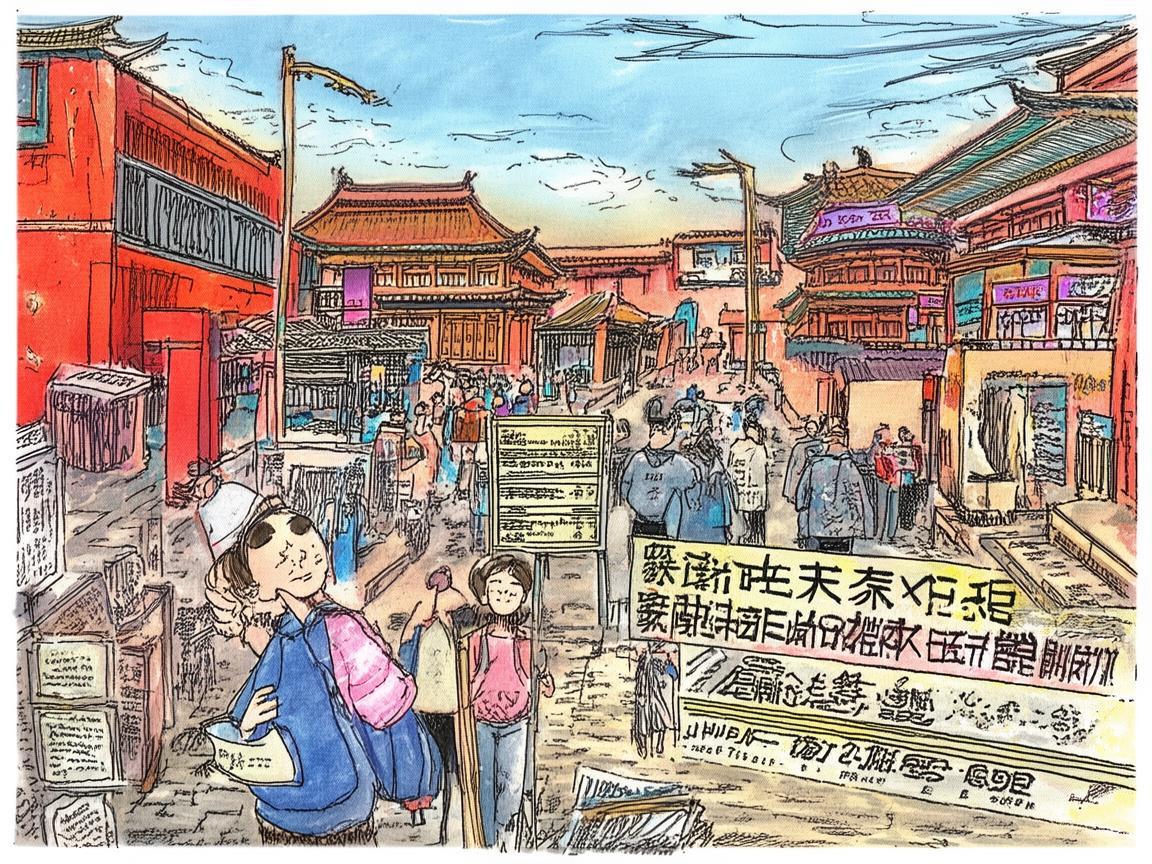
Navigating Xi’an’s Restricted Sites: A Traveler’s Practical Guide
- Conservation Zones: Many sites are UNESCO World Heritage Sites or have fragile artifacts (like the Terracotta Army’s painted warriors), so entry is limited to prevent overcrowding or damage.
- Security/Religious Areas: Some spots (like certain sections of mosques or military-adjacent historical sites) have controlled entry for safety or cultural respect.
- Capacity Limits: Popular museums (like the Shaanxi History Museum) cap daily visitors to keep the experience comfortable—you can’t just waltz in at 2 PM and expect a ticket.
The key takeaway? “Restricted” doesn’t mean “off-limits”—it means “plan ahead.” And once you know the rules, these sites are even more rewarding because you’re not fighting crowds.
Top Restricted Sites: How to Get In (and What to Expect)
Let’s break down the biggest “restricted access” spots in Xi’an, with step-by-step tips to skip the lines (and the disappointment).
Terracotta Army and Hanyangling Tomb: The “Must-Book” Marvels
The Terracotta Army is Xi’an’s crown jewel, and let me tell you—nothing kills the buzz of seeing those 8,000-year-old warriors like being turned away because you didn’t book a ticket.
Why Restricted? Each pit (especially Pit 1, the largest) can only hold so many people at once to avoid damaging the delicate terracotta and the ancient soil beneath. Plus, the site offers timed entry to manage crowds.
How to Book:
- Official First: Use the Qinshihuang Mausoleum Site Museum official website (Chinese only) or their WeChat Mini Program (search “秦始皇陵博物院”). You’ll need to enter your passport details—foreign travelers must use their passport, not ID. Tickets are released 7 days in advance at 8 AM sharp. I set a phone alarm for 7:55 AM and snagged Pit 1 + Pit 2 + Pit 3 + the Bronze Chariot Museum tickets for ¥240 (about $33) total.
- Third-Party Apps: If you’re not quick enough (like me, the first time), try platforms like Klook or Trip.com—they sometimes have bundled tickets with guide services, but expect to pay a 10-15% markup.
- On-Site? Only if You’re Lucky: They occasionally release same-day tickets at 8 AM, but I saw a line of 200+ people at 7:30 AM for maybe 50 tickets. Not worth the risk.
Pro Tips:
- Hire a Guide at the Site: The official audio guides (¥70) are good, but a human guide (¥200-300 for a small group) can point out details you’d miss—like how the warriors’ faces were individually crafted, or why the archers have different hairstyles.
- Skip the Crowds: Go right when they open (8:30 AM) or after 3 PM. The tour buses usually leave by noon, so the afternoons are quieter.
- Add Hanyangling Tomb: It’s less crowded than the Terracotta Army and has amazing excavated artifacts (like jade burial suits). You need a separate ticket (¥80), and it’s a 30-minute taxi ride from the Terracotta Army.
Shaanxi History Museum: The “Free Ticket” Race
This museum is a treasure trove of ancient Chinese art—think Tang dynasty pottery, Silk Road artifacts, and even a Tang dynasty tomb mural. But here’s the catch: it’s free, and they only give out 4,000 tickets per day.
Why Restricted? To preserve the artifacts and ensure visitors can actually see the exhibits without being shoulder-to-shoulder. The free tickets include access to the main exhibition halls; special exhibitions (like the Tang mural hall) require an extra ¥30 ticket.
How to Book:
- WeChat is Your Best Friend: Search for the “陕西历史博物馆” official WeChat account, follow it, and click “预约” (reservation) at 9 AM 3 days in advance. I tried at 9:01 AM once and all free tickets were gone.
- Foreign Travelers Note: You’ll need to enter your passport number, and they sometimes have a separate “Foreigner” ticket window with fewer lines—worth asking at the entrance.
- Backup Plan: If you miss the free tickets, buy a “Premium Ticket” (¥80) which includes the main halls and special exhibitions, with no time limit. It’s a bit pricey, but you still get to see the highlights.
Pro Tips:
- Go on a Weekday: Weekends are chaos—locals flock here, and tickets vanish in 30 seconds.
- Bring Your Passport: They check it at the entrance, no exceptions.
- Don’t Skip the Tang Murals: The “Tomb of Prince Yixin” mural hall (extra ¥30) is breathtaking—life-size paintings of court life, still vibrant after 1,200 years.
City Walls: The “Night Entry” Loophole
Xi’an’s City Walls are one of the best-preserved ancient walls in China, and renting a bike to ride around the 14-kilometer perimeter is a must-do. But here’s the thing: daytime entry is restricted to certain gates, and some gates are only open for walking (no bikes).
Why Restricted? The walls are over 600 years old, so bike traffic is limited to prevent wear and tear. Plus, each gate has different hours (some close at 6 PM, others at 8 PM).
How to Navigate:
- Best Gate for Bikes: South Gate (南门) is the most popular and has bike rentals (¥45 for 2 hours, ¥100 for all day). It’s open until 8 PM, so you can ride at sunset when the light is golden.
- Alternative Gates: East Gate (东门) and West Gate (西门) also rent bikes, but they close earlier (6 PM). If you want fewer crowds, go to North Gate (北门)—it’s quieter and has great views of the Bell Tower.
- Night Entry Tip: If you miss the bike rental hours, you can still walk the walls at night! Most gates stay open until 10-11 PM, and the lanterns make it magical. I walked the South Gate section at 9 PM and had the whole path to myself.
Pro Tips:
- Wear Comfortable Shoes: The wall is bumpy, and biking takes effort.
- Bring Water: There are snack stands, but they’re pricey.
- Time It Right: Sunset (around 6 PM in summer) is the most beautiful time—don’t miss it.
Big Wild Goose Pagoda (Dayanta) & Famen Temple: The “Spiritual” Restrictions
These Buddhist sites are both culturally significant, but they have strict rules for entry—especially if you want to go inside the pagodas or the relic halls.
Big Wild Goose Pagoda:
- Why Restricted? The pagoda itself is a 7th-century structure, and climbing stairs is limited to 20 people at a time for safety.
- How to Access: Buy a ticket (¥50) to enter the temple complex, then separately book a pagoda climb ticket (¥30) at the ticket office. They only give out 100 climb tickets per day, so go early (9 AM) to secure one.
Famen Temple:
- Why Restricted? It’s home to the Finger Bone Relic of Buddha, one of Buddhism’s most sacred artifacts. The relic hall has strict crowd control (max 50 people at a time).
- How to Book: Buy a combo ticket (¥120) online or on-site that includes the temple, the relic hall, and the museum. The relic hall entry is timed—once you’re in, you have 15 minutes to view it. Pro tip: Visit on a weekday; weekends have 2-hour waits for the relic hall.
Pro Tips:
- Dress Modestly: For both sites, cover your shoulders and knees (scarves are helpful).
- Hire a Monk Guide: At Famen Temple, some monks offer English tours (¥100) that explain the relic’s history—way more meaningful than reading signs.
Muslim Quarter: The “Hidden” Restricted Spots
The Muslim Quarter is famous for its street food (try the roujiamo and pancakes!), but the Great Mosque (清真寺) inside the quarter has restricted entry for non-worshippers.
Why Restricted? It’s an active place of worship, so non-Muslims can’t enter during prayer times (five times a day, especially midday). Even outside prayer times, there’s a dress code (no shorts, no sleeveless tops).
How to Visit:
- Check Prayer Times: The mosque is open to tourists from 8:30 AM to 7:30 PM, but avoid 12-2 PM (Dhuhr prayer) and 5-6 PM (Maghrib prayer). I went at 10 AM and had the peaceful courtyard to myself.
- Buy a Ticket: ¥30 for entry, which includes access to the prayer hall (if not in use) and the beautiful Chinese-style gardens.
- Respect the Rules: No loud noises, no photos of people praying, and women may be asked to wear a headscarf (they provide free ones at the entrance).
General Tips for Navigating Restricted Access in Xi’an
-
Download These Apps:
- WeChat: For booking tickets (most sites use it).
- Dianping: To check wait times and crowd levels (search “景点评价”).
- Baidu Maps: For directions (Google Maps doesn’t work well in China).
-
Bring Your Passport Everywhere: Every restricted site checks ID, and some (like the Terracotta Army) require matching your ticket to your passport photo.
-
Learn Basic Chinese Phrases:
- “请问这里需要预约吗?” (May I ask if this requires a reservation?)
- “今天的票卖完了吗?” (Are today’s tickets sold out?)
- “哪里可以预约?” (Where can I make a reservation?)
-
Be Flexible: If a site is fully booked, don’t panic—Xi’an has tons of underrated spots! For example, if you miss the Shaanxi History Museum, visit the Banpo Museum (Neolithic village, cheap tickets, no crowds) or the Tang Dynasty West Market (reconstructed market with great shopping).
Final Thoughts
Xi’an is a city where history comes alive—but only if you respect its rules. Restricted access isn’t a hassle; it’s a way to protect the past and make your experience better. I spent my last day in Xi’an at the Terracotta Army, having booked my ticket a week in advance. I walked through Pit 1 as the morning sun streamed in, and for a moment, I was the only one there—just me, the 8,000-year-old warriors, and the quiet. That’s the magic of planning: it turns “can’t go” into “so glad I did.”
So, take it from a traveler who’s been there: do your homework, book ahead, and get ready to fall in love with Xi—one restricted-access site at a time.
Xi’an Airport Transfer Service
Private English-speaking driver service in Xi’an operated directly by Bruce Zhang. 24/7 airport pickup and hotel transfer for foreign travelers.
Helpful for Your Trip in Xi’an
Unlocking Xi’an: A Traveler’s Guide to the Discovery Entry System
2026-07-28Xi’an Travel Hack: How an Admission Pass Saved Me Time, Money, and Headaches
2026-07-28Visiting Xi’an? How a China Attraction Reservation App Saved My Trip
2026-07-28Skip the Lines, Savor the Stories: My VIP Entry Guide to Xi’an
2026-07-27Traveling Xi’an Smart: How Online Booking Made My Trip Seamless and Stress-Free
2026-07-27Navigating Xi’an’s Face Recognition Entry Systems: A Tourist’s Practical Guide
2026-07-27Xi’an Traveler’s Guide: Navigating the City with China’s Visitor Platforms
2026-07-26Navigating Xi’an’s Tour Entry System: A Traveler’s Practical Guide
2026-07-26Xi’an Travel Hack: How a Ticket Issuing App Saved My Trip and 5 Hours in Queues
2026-07-26Xi’an Travel Tips: Navigating Ticket Codes Like a Local
2026-07-25