

Unlocking Xi’an: A Traveler’s Guide to a Smart Tour Experience System
Before I landed in Xi’an, all I knew was the Terracotta Army, ancient city walls, and maybe a vague idea of Muslim Street snacks. But what I didn’t expect was how much Xi’an’s tour experience system—a seamless blend of digital tools, local insights, and organized logistics—would turn my 5-day trip from a chaotic checklist into an effortless, immersive adventure. If you’re planning a visit, here’s how to tap into this system like a local, with practical tips I learned the hard way.
Pre-Trip Planning: The Digital Compass
My first win? Using Xi’an’s official “文旅云” (Culture & Tourism Cloud) app, a one-stop hub for everything trip-related. You can book tickets for major sites (like the Terracotta Army) weeks in advance—critical, because I almost skipped it after seeing 2-hour queues at the ticket office. The app also has a “route planner” that suggests itineraries based on your interests: history buffs get a “Dynasty Trail” (Qin Shihuang’s Mausoleum → Big Wild Goose Pagoda → Shaanxi History Museum), while foodies get a “Flavor Map” (Muslim Street → Beiyuanmen Food Street → Gao’s Family Braised Pork).
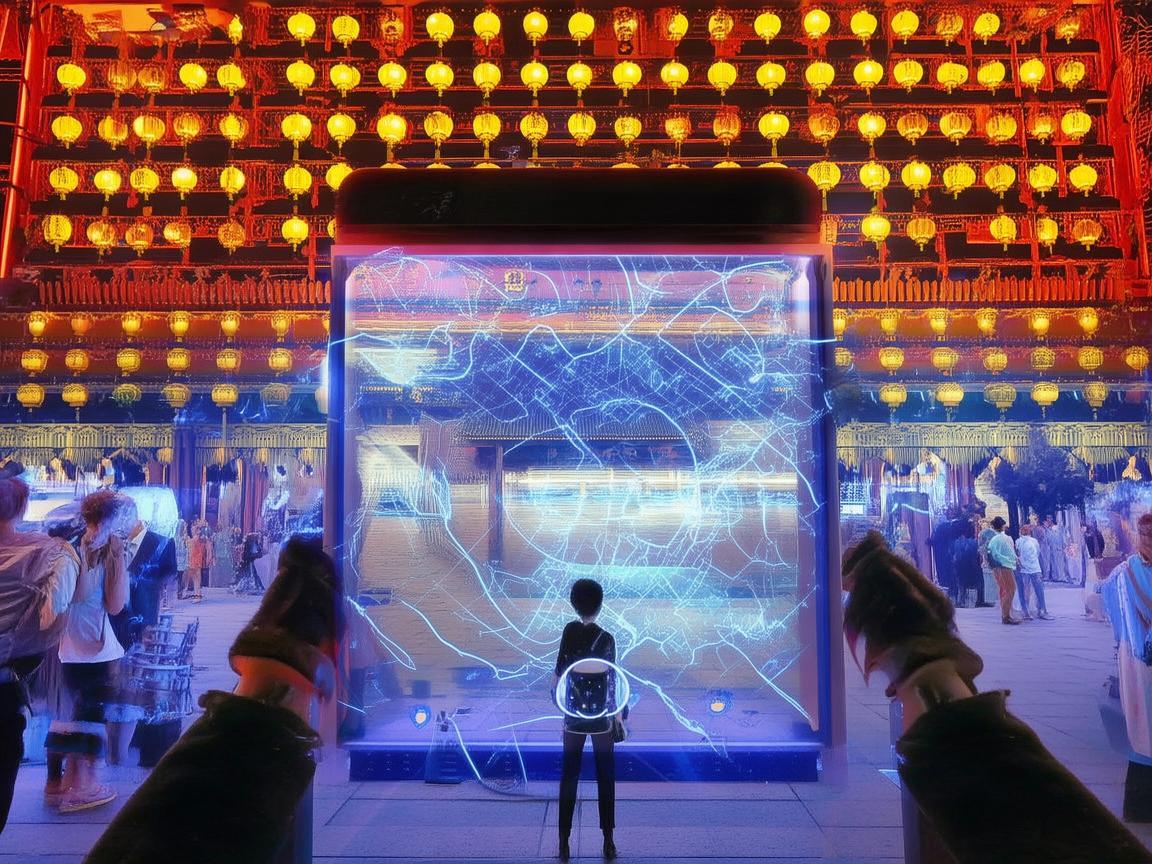
Unlocking Xi’an: A Traveler’s Guide to a Smart Tour Experience System
Pro tip: Link the app to your WeChat or Alipay for instant QR code tickets—no printing, no fumbling. I also downloaded “高德地图” (Gaode Maps), which has a “tourist mode” that highlights nearby restrooms, ATMs, and even “scenic viewpoints” (like the spot on the city wall where you can get a perfect sunset photo of the Bell Tower).
Getting Around: The Transit Network That Just Works
Xi’an’s public transport system is a dream, and the key is the “长安通” (Chang’an Tong) card—a rechargeable transit card that works on subways, buses, and even some taxis. You can buy it at any subway station (just bring your passport), and it automatically gives you discounts (subway fares are ¥5-¥6 with the card, vs. ¥7-¥8 without).
The subway is fastest for long distances: Line 2 connects the train station to the city center (Bell Tower), and Line 3 takes you directly to the Terracotta Army (Terracotta Station). For shorter trips, buses are reliable—just use Gaode Maps to pick the right route (it even tells you when the next bus is coming).
My favorite hack? Shared bikes! “哈啰单车” (Hellobike) and “美团单车” (Meituan Bike) are everywhere, and costs just ¥1.5 for 30 minutes. I biked from the South Gate of the city wall to the Confucius Temple in 15 minutes—way more fun than a taxi, and you stumble into cute alleyways you’d otherwise miss.
Sightseeing: Smart Routes & Skip-the-Line Tricks
Xi’an’s top attractions can get crowded, but the tour experience system has workarounds. For the Terracotta Army, book the “8:00 AM slot” on the 文旅云 app—by the time I arrived at 8:15, the queue was already 50 people long, but I walked straight in. The app also offers a “combo ticket” for the Terracotta Army + Huaqing Palace (the hot springs where Emperor Xuanzong and Yang Guifei once stayed)—¥150 total, vs. ¥110 + ¥120 if bought separately.
At the Ancient City Wall, skip the ticket line by buying online (¥54). I rented a bike from the South Gate (¥45 for 2 hours) and rode clockwise—this way, you’re facing the city center, so photos of the Bell Tower come out better. The wall is 14 km long, but don’t feel pressured to do the whole thing; the best section is from South Gate to East Gate, where you’ll see locals practicing tai chi and kids flying kites.
For the Shaanxi History Museum, book 7 days in advance on their official WeChat account—it’s free, but tickets sell out in minutes. I went on a weekday at 9 AM, and while it was busy, the museum’s “audio guide” (rent for ¥30) has cool AR features: point your phone at a Tang Dynasty pottery horse, and it shows a 3D animation of how it was made.
Eating Like a Local: The Foodie’s GPS
Xi’an’s food scene is not just about Muslim Street. The 文旅云 app’s “Flavor Map” saved me from tourist traps—instead of overpriced “stinky tofu” on the main strip, it led me to “老白家羊肉泡馍” (Lao Bai Family’s Roujiamo), a hole-in-the-wall near the Drum Tower where locals line up for ¥15 bowls of tender lamb soup with crispy bread.
Another gem: “贾三灌汤包子” (Jia San Soup Dumplings) in Muslim Street. The app warned me the queue is 30 minutes long, but it’s worth it—the soup dumplings are so juicy you have to bite a small hole first (or you’ll burn your tongue). Pair them with a ¥8 pomegranate juice—local and refreshing.
For breakfast, skip the hotel and head to “樊记腊汁肉夹馍” (Fan’s Braised Pork Burger) near the Bell Tower. It’s the original roujiamo (1910!), and the pork is slow-cooked for 6 hours—¥8 for a burger, ¥5 for a “肉夹馍” (you tear the bread yourself, which is half the fun).
Interactive Experiences: Beyond the Postcard Views
What made Xi’an special wasn’t just the sights—it’s the experiences the tour system helped me book. I signed up for a “Terracotta Army Restoration Workshop” via the 文旅云 app (¥200, 2 hours). A real archaeologist taught me how to “restore” a fake pottery shard—using glue and brushes, it felt like I was part of the discovery.
Another highlight: a night food tour with “Xi’an Walks” (found on the app). We met at the Muslim Street at 7 PM and followed a local guide to hidden spots: a shop that makes “biangbiang noodles” by hand (the dough is slapped so loud it echoes!), and a family-run place selling “蜂蜜凉糕” (honey rice cake) that’s been around for 50 years. The guide even taught us how to bargain (“Say ‘太贵啦!’—‘Too expensive!’—and walk away; they’ll call you back!”).
Staying Connected: The Safety Net
One thing I loved about Xi’an’s system is how it handles the small stuff. The “文旅云” app has a “help” section with English translations for common phrases (“Where is the restroom?” → “洗手间在哪里?”), and a “hotline” button that connects to English-speaking staff (I called when I got lost near the Big Wild Goose Pagoda—they sent me a map via WhatsApp in 2 minutes).
For emergencies, WeChat’s “people nearby” feature works even without data (if you have a local SIM card). I also downloaded “离线地图” on Gaode—super useful when my phone died on the city wall, and I still knew how to get back to my hotel.
Final Thoughts
Xi’an’s tour experience system isn’t about being “techy”—it’s about removing the stress so you can focus on what matters: savoring a roujiamo while watching locals play chess in the park, or standing in front of the Terracotta Army and feeling 2,000 years of history. By using these tools, I didn’t just “see” Xi’an—I lived it. So next time you visit, skip the chaos and tap into the system. Trust me, it’ll make your trip unforgettable.
Xi’an isn’t just a destination—it’s a journey through time, and with the right system, every step is smooth, every bite is delicious, and every memory lasts.
Xi’an Airport Transfer Service
Private English-speaking driver service in Xi’an operated directly by Bruce Zhang. 24/7 airport pickup and hotel transfer for foreign travelers.
Helpful for Your Trip in Xi’an
Xi’an on the Metro: A Traveler’s Guide to Getting Around Like a Local
2026-08-27Xi’an Travel Tips: Navigating Ticket Codes Like a Local
2026-08-25What I Only Figured Out After 3 Trips
2026-08-23Is the Forest of Stone Steles Actually Worth Visiting in Xi'an?
2026-08-182026 Travel Season: How to Visit Xi'an in Summer Without the Crowds
2026-08-16Xi’an Travel Diary: How Reservation Confirmations Saved My Trip
2026-08-14Navigating Xi’an’s Tour Access System: A First-Time Visitor’s Practical Guide
2026-08-13Xi’an Unlocked: How a Travel Management System Made My Trip Seamless
2026-08-13Xi’an Travel: Navigating Ancient Monuments – A Practical Guide for Tourists
2026-08-13Xi’an Travel Guide: Why a Cash Ticket Saved My Trip
2026-08-12