

Xi’an: My Journey Through China’s Living Experience Platform
First off, let me say this: Xi’an isn’t just a city—it’s a platform. Not the kind you scroll on your phone, but a living, breathing one where you can experience China’s past, present, and all the messy, beautiful layers in between. I spent 10 days here as a solo traveler, and by the end, I felt like I’d walked through 3,000 years of history without ever leaving a place that still feels vibrantly alive. If you’re planning a trip, here’s the no-fluff, practical guide I wish I’d had—straight from someone who got lost, ate too much, and fell in love with this city.
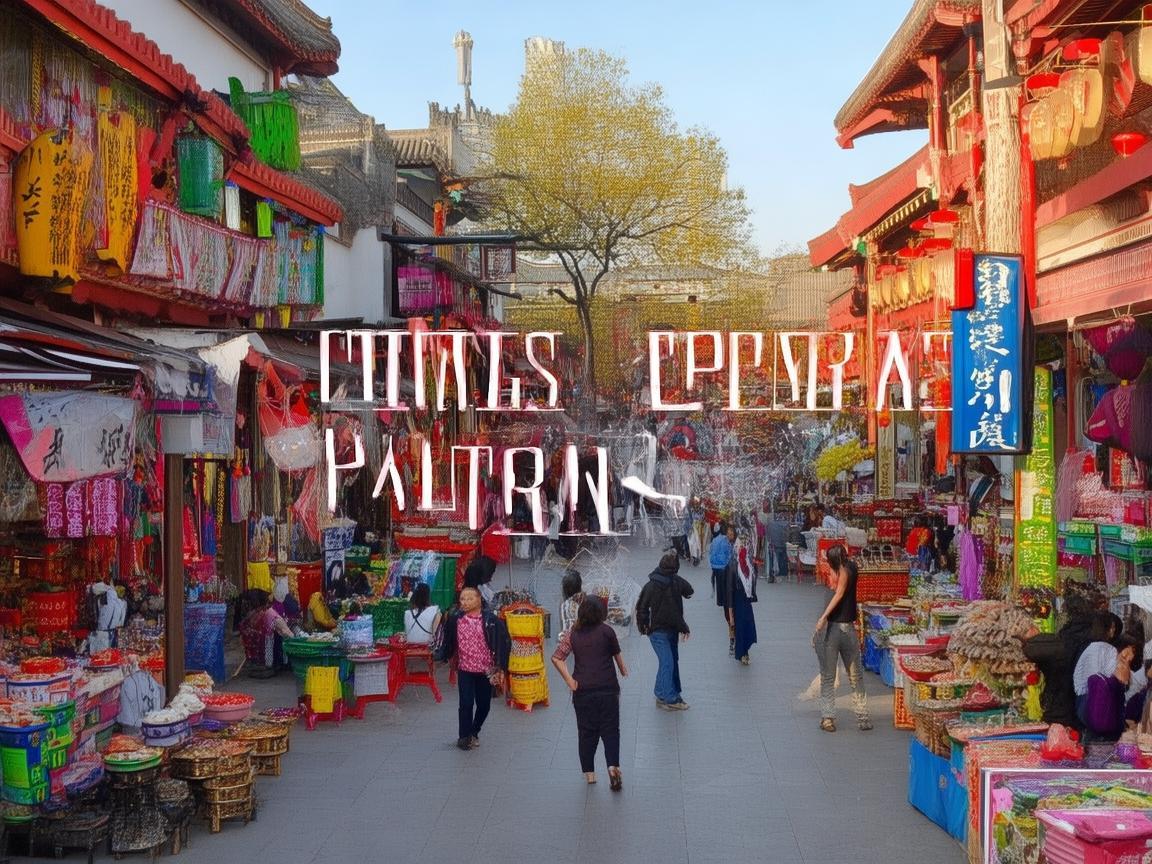
Xi’an: My Journey Through China’s Living Experience Platform
Getting There: The Easy Part
Xi’an is surprisingly accessible, whether you’re coming from within China or abroad. I flew into Xi’an Xianyang International Airport (XIY) from Beijing, a 2-hour flight that cost me around ¥600 one-way. The airport has a direct metro Line 14 to the city center (around 1 hour, ¥6), which is way cheaper than taxis (¥100–150) and avoids scammy drivers. If you’re already in China, the high-speed rail is even better: from Beijing West Station, it’s just 5 hours to Xi’an North Railway Station (from ¥550), and the station is connected to the metro, so you can hop off and go straight to your hotel.
Pro tip: Download the “Metro Man” app (or just use Google Maps/China’s Gaode Map) for subway directions—it’s in English, and it saved me from getting lost more times than I’d like to admit.
Where to Stay: Base Yourself Near the Bell Tower
Xi’an’s center is small and walkable, so pick a hotel or hostel near the Bell Tower (Zhong Lou) or Muslim Quarter (Huimin Jie). I stayed at a tiny hostel called “The Drunken Monkey” in a hutong (alley) off Beiyuanmen Street—¥150/night, bunk bed, and 5 minutes’ walk to the Muslim Quarter’s night market. It’s loud, but the energy is unbeatable. If you prefer quieter, splurge on a hotel in the South Gate (Nanmen) area; it’s pricier (¥400+/night) but close to the city wall and has more upscale restaurants.
Avoid staying too far out—like near the airport or train stations—unless you don’t mind wasting time commuting. Trust me, you’ll want every minute in the city center.
Day 1: The City Wall—Where History Meets Sunset
Start your trip like every local does: walk the City Wall. Built in the 14th century during the Ming Dynasty, it’s one of the best-preserved ancient walls in China, and it’s huge—13.7 kilometers around. Don’t even think about walking the whole thing (unless you’re training for a marathon)—rent a bike instead (¥45/2 hours, deposit ¥200). I went to the South Gate entrance, rented a bike, and cycled clockwise for an hour. The path is wide, flat, and lined with trees, and you’ll get views of the city’s old hutongs on one side and modern skyscrapers on the other.
The best part? Sunset. Around 6 PM (summertime), the sky turns pink and gold, and the city lights start to glow. Bring a water bottle—it gets hot—and wear sunscreen. Pro tip: If you’re short on time, skip the East Gate (it’s crowded) and start at the South Gate; the west side has fewer tourists and better photo ops.
Day 2: Terracotta Warriors—Prepare to Be Blown Away
You can’t go to Xi’an and skip the Terracotta Army (Bingmayong). But here’s the thing: it’s far from the city center (over an hour by bus), so go early to beat the crowds. I took Bus 5 from the East Bus Station (¥5, 1 hour) and got off at “Terracotta Army” station. Buy tickets online in advance (¥120, student half-price) to skip the line—otherwise, you’ll wait 30+ minutes.
Once inside, follow the route: Pit 1 (the main one, with thousands of soldiers), Pit 2 (smaller but more detailed), Pit 3 (the command center), and then the exhibition hall with the bronze chariots. A guide is worth it—mine cost ¥100 for a small group and told me stories about how the warriors were made (each face is unique!) and how they were discovered in 1974 by a farmer digging a well.
Don’t rush—spend at least 2 hours here. And yes, take the cheesy photo with the “fake” warrior outside the entrance (¥10); it’s touristy, but it’s a fun memory.
Day 3: Muslim Quarter—Eat, Shop, Get Lost
The Muslim Quarter (Huimin Jie) is chaos in the best way possible. It’s a labyrinth of narrow streets, food stalls, and souvenir shops, and it’s been a hub for Muslim traders since the Tang Dynasty (7th–10th centuries). Go in the evening—around 6 PM—when the lanterns are lit and the air smells of grilled lamb and fried dough.
First stop: Food. Don’t be shy—point at whatever looks good. Here’s what you must try:
- Roujiamo (Chinese hamburger): Crispy bread stuffed with slow-cooked pork (¥10/one). I went to “Laomaji Roujiamo” (near the Bell Tower)—juicy, spicy, and messy.
- Yangrou Paomo (bread soaked in lamb soup): Tear the bread into pieces, dump it in the soup, and eat with a spoon. “Lao Sun Ji Paomo” in the Muslim Quarter is famous (¥15/bowl).
- Bingfeng Bing (ice cream cone): Sweet, milky ice cream wrapped in a crispy flatbread (¥5). It sounds weird, but it’s addictive.
- Pita Bread Soaked in Lamb Soup: A local specialty—soft bread in a rich, spicy broth (¥8).
After eating, wander the side streets (like Beiyuanmen Street) for souvenirs: silk fans (¥20), calligraphy brushes (¥30), and fake Terracotta Warriors (¥10–50, but haggle!). Avoid the “authentic” antiques—they’re all fake.
Pro tip: Bring hand sanitizer—street food is delicious, but the stalls aren’t exactly clean. And wear comfy shoes—you’ll walk miles.
Day 4: Shaanxi History Museum—China’s Story in One Place
If you want to understand Xi’an’s role in Chinese history, the Shaanxi History Museum is a must. It’s often called “the best museum in China,” and for good reason: it has over 370,000 artifacts, including Tang Dynasty gold, pottery, and the famous “Flying Apsaras” from the Dunhuang caves.
Important: You must book tickets in advance. Go to the museum’s official website or WeChat account 3–7 days before your visit (it’s free, but you need a timed ticket). I went on a weekday at 9 AM, and it wasn’t too crowded. Focus on the Tang Dynasty Hall—most of the coolest stuff is there, like the “Heavenly Horse of Gansu” statue and intricate tri-color glazed pottery (Tang Sancai).
Allow at least 3 hours—there’s a lot to see. And if you’re tired, the museum has a decent café in the courtyard (¥20 for a coffee).
Day 5: Big Wild Goose Pagoda & Tang Dynasty Show
The Big Wild Goose Pagoda (Dayan Ta) is a symbol of Xi’an, built in the 7th century to hold Buddhist scriptures brought back from India by the monk Xuanzang. It’s not as impressive as the Terracotta Army, but the surrounding park is beautiful, and you can climb to the top for views of the city (¥50/ticket, student half-price).
Afterward, head to the Tang Dynasty Dinner Show (¥580–880, includes dinner). It’s touristy, but it’s also a fun way to experience Tang culture. The show includes traditional music, dancing, and acrobatics, and the dinner is a mix of imperial dishes (like dumplings and sweet rice). I sat in the front row, and the performers even invited me on stage to dance—embarrassing, but hilarious.
Pro tip: Skip the “private” tour guides outside the pagoda—they’ll try to charge you ¥100 for a 10-minute talk. Just read the signs or use an audio guide (¥30).
Day 6: Huaqing Palace & Hot Springs—Relax Like an Emperor
If you’re tired of temples and walls, take a day trip to Huaqing Palace (Huaqing Chi), a royal bathhouse from the Tang Dynasty where Emperor Xuanzong and his consort Yang Guifei used to relax. It’s 30 minutes from Xi’an by Bus 914 (¥5) or taxi (¥80 round trip).
The palace itself is pretty, but the best part is the hot springs. You can bathe in the same pools as the emperor (¥120/ticket, includes access to the indoor and outdoor pools). The outdoor pools are surrounded by gardens, and in the winter, they’re steaming and magical—like something out of a historical drama.
Pro tip: Bring a swimsuit and a towel—you can rent them, but they’re overpriced (¥50 for a towel). And go on a weekday—weekends are packed with tourists.
Food Beyond the Muslim Quarter
Xi’an is a foodie paradise, so don’t limit yourself to the Muslim Quarter. Here are a few local favorites:
- Zhangbi Roujiamo: Near the South Gate, this place has been around for 30 years. Their roujiamo is stuffed with beef instead of pork (¥12/one).
- Sajiao Mian (Cold Noodles with Garlic Sauce): A summer staple—cold noodles tossed with chili oil, garlic, and cucumber (¥8). Find it at “Laozhang Sajiao Mian” near the City Wall.
- Biang Biang Noodles: Wide, hand-pulled noodles with chili oil and vegetables (¥15). The name is unpronounceable, but the noodles are worth it. Try “Qin Biang Biang Noodle Shop” in the Muslim Quarter.
Practical Tips That Actually Help
- Weather: Xi’an is hot in summer (up to 35°C) and cold in winter (down to -5°C). Spring (April–May) and autumn (September–October) are best—mild and less crowded.
- Language: Most young people speak English, but older locals don’t. Download a translation app (like iTranslate) and learn a few phrases: “Nǐ hǎo” (hello), “Xièxiè” (thank you), “Duōshao qián?” (how much?).
- Payment: WeChat Pay and Alipay are everywhere—even street vendors use them. Link your bank account before you go, or bring cash (small bills, ¥10–50) for markets.
- Safety: Xi’an is safe, but watch out for pickpockets in the Muslim Quarter and at the Terracotta Army. Keep your phone and wallet in your front pocket.
- Respect: When visiting temples or museums, dress modestly (no shorts or tank tops). And don’t climb on the walls or statues—you’ll get fined.
Why Xi’an Is China’s Ultimate Experience Platform
By the end of my trip, I realized why Xi’an is called a “platform.” It’s not just about seeing sights—it’s about doing things. You can cycle on a 600-year-old wall, eat food that’s been around for 1,000 years, watch a show that’s based on real history, and chat with locals who’ve lived here their whole lives. It’s where China’s past and present collide, and where you don’t just visit—you participate.
So if you’re looking for a trip that’s more than just a checklist, go to Xi’an. Get lost in the hutongs, eat too much roujiamo, and talk to a grandpa who tells you stories about the Tang Dynasty. Because that’s what travel is all about—experiences, not just photos.
Xi’an isn’t just a stop on your China itinerary. It’s the reason you’ll come back.
Xi’an Airport Transfer Service
Private English-speaking driver service in Xi’an operated directly by Bruce Zhang. 24/7 airport pickup and hotel transfer for foreign travelers.
Helpful for Your Trip in Xi’an
Skip the Lines, Savor the Stories: My VIP Entry Guide to Xi’an
2026-07-27Traveling Xi’an Smart: How Online Booking Made My Trip Seamless and Stress-Free
2026-07-27Navigating Xi’an’s Face Recognition Entry Systems: A Tourist’s Practical Guide
2026-07-27Xi’an Traveler’s Guide: Navigating the City with China’s Visitor Platforms
2026-07-26Navigating Xi’an’s Tour Entry System: A Traveler’s Practical Guide
2026-07-26Xi’an Travel Hack: How a Ticket Issuing App Saved My Trip and 5 Hours in Queues
2026-07-26Xi’an Travel Tips: Navigating Ticket Codes Like a Local
2026-07-25Unlocking Xi’an: A Traveler’s Guide to the China Museum Gate and Beyond
2026-07-25Visiting Xi’an: A Practical Guide to China’s Attraction Regulations
2026-07-23Traveling Xi’an Like a Local: Smart Destination Management Tips for Tourists
2026-07-23