

Xi’an: Where Ancient History Meets Integrated Travel – A First-Timer’s Practical Guide
Landing in Xi’an, I wasn’t just expecting a trip to see terracotta warriors and ancient walls—I wanted to experience how China’s “integrated tourism” makes exploring a seamless blend of culture, convenience, and modern tech. As a first-time visitor, I spent 10 days here, and I’m sharing exactly how to navigate Xi’an like a pro, with practical tips that turn a vacation into an unforgettable journey.
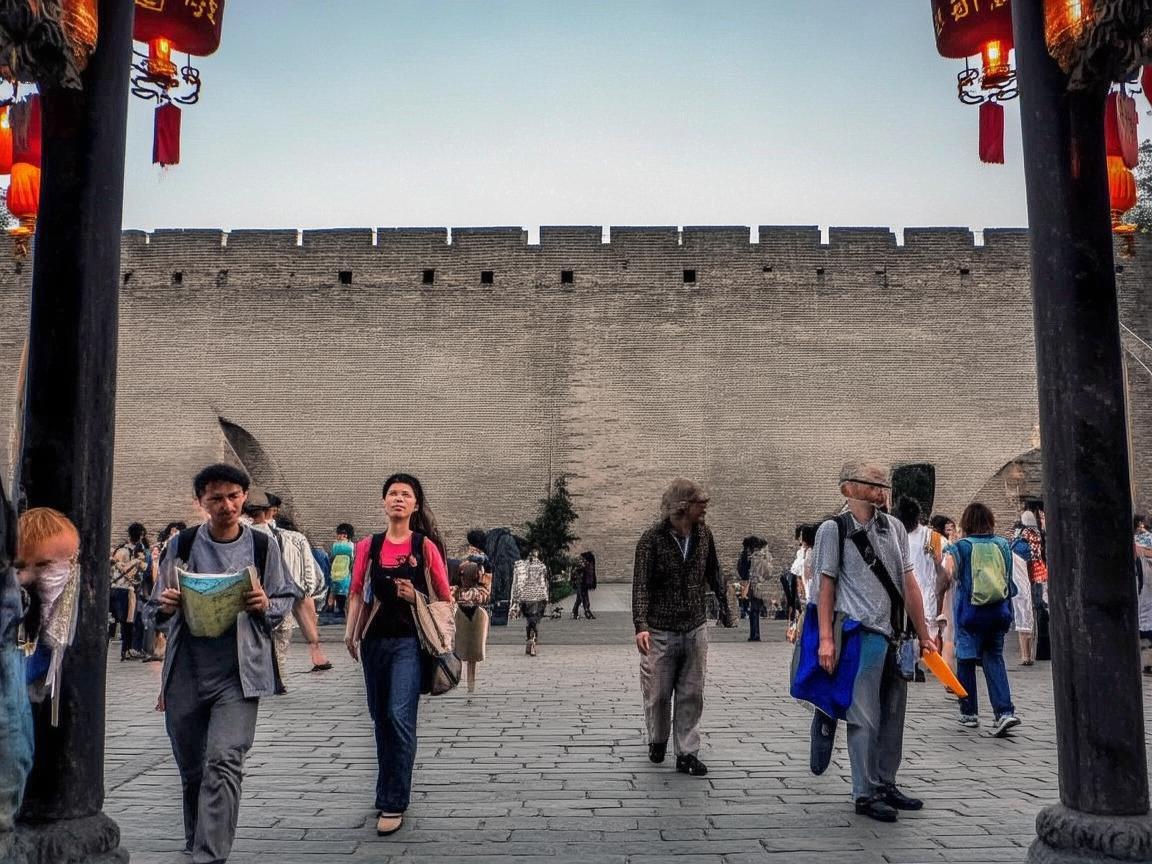
Xi’an: Where Ancient History Meets Integrated Travel – A First-Timer’s Practical Guide
Getting There & Settling In: The Integrated Travel Start
My trip began at Xi’an Xianyang International Airport. The moment I stepped out, I saw clear signs for the airport metro line (Line 14), which whisks you downtown in 40 minutes for just ¥5. No need to haggle with taxis—just scan a QR code (Alipay/WeChat Pay) at the ticket machine or use the “Metro Xi’an” app (it has English!). I stayed near the Bell Tower, the city’s heart, because everything is walkable or a short metro ride away. Pro tip: Book hotels with metro access early—areas like South Street (南大街) or Muslim Quarter (回民街) are convenient, but avoid those right in the tourist hub if you dislike noise.
Day 1: Looping History & Modern Life Around the Bell Tower
Start at the Bell Tower (¥30). Climb to the top for a 360° view of the old city—red roofs, ancient streets, and skyscrapers in the distance. It’s the perfect intro to Xi’an’s “integration”: 600-year-old history coexisting with modern city life.
Next, wander the Muslim Quarter (free entry). Don’t just follow the crowds—turn onto side lanes like Beiyuanmen (北院门) for quieter, more authentic eats. I tried roujiamo (肉夹馍, “Chinese hamburger”) from a stall with a 30-year line—juy pork in a crispy, freshly baked bun, ¥10. For dessert, grab a bingfenggan (冰峰汽水, a local soda) and hulatang (胡辣汤, spicy soup with beef and noodles) at breakfast (¥8).
After lunch, visit the Great Mosque (¥25), a peaceful oasis blending Chinese and Islamic architecture. It’s hidden behind the Muslim Quarter, so many tourists miss it—go early to avoid crowds. End the day at South Street (南大街), a pedestrian mall with neon lights, shopping, and street performers. Grab dinner at De Fa Cheng (德发长) for dumplings (饺子, ¥50)—they serve 100+ varieties, from pork chive to seafood!
Day 2: Terracotta Warriors & Huaqing Palace: A Seamless Day Trip
No trip to Xi’an is complete without the Terracotta Army (¥150, book tickets online via “陕西文旅一码通” app to skip the line). To get there, take Metro Line 9 to Huaqing Palace Station (华清宫站), then transfer to the free shuttle bus (runs every 10 mins).
Pro tip: Hire a guide at the entrance (¥150 for a small group)—they explain the details behind each warrior’s hair, armor, and facial expressions (e.g., the kneeling archer has detailed shoe soles, showing Qin Dynasty craftsmanship). Don’t miss the Pit 1 “command center” with rows of life-sized soldiers—seeing it in person is breathtaking.
After the warriors, walk 10 minutes to Huaqing Palace (¥60), the royal hot spring where Emperor Xuanzong and Yang Guifei once bathed. The palace grounds are stunning in autumn, with red leaves and ancient pavilions. I took the cable car up to Lishan Mountain (¥30) for a panoramic view of the warriors and the palace—totally worth it!
For lunch, eat at the Huaqing Palace food court (¥20) for youmian kaozhuang (油面烤肠, grilled noodles with sausage) or baozi (包子, steamed buns). To return to the city, just hop on the same shuttle bus back to the metro station—no need to worry about taxis or extra transport.
Day 3: City Walls, Shaanxi History Museum & Night Markets
Morning: Rent a bike on the Xi’an City Wall (¥54, includes bike rental). Ride the 14km loop—go clockwise (less uphill!) for views of the city, parks, and even planes taking off from the nearby airport. Stop at the South Gate (南门) to watch traditional drum performances (free, 10 AM/3 PM/7 PM).
Afternoon: Head to the Shaanxi History Museum (free, book tickets 3 days in advance on the app). It’s called the “Chinese Treasure House” for a reason—see the Tang Dynasty gold horse treading on a flying silver (鎏金舞马衔杯纹银壶) and the Western Zhou bronze vessels. Arrive at 9 AM (when it opens) to avoid crowds; audio guides (¥30) are worth it for context.
Evening: Explore Tang West Market (大唐西市), a modern replica of the ancient Silk Road market. It’s more polished than the Muslim Quarter, with upscale shops, art galleries, and a food court. Try sangping laopianju (三平米泡面馆, “3-Square-Meter Noodle Shop”) for instant noodles with gourmet toppings (¥25)—it’s viral for a reason! End the night at Big Wild Goose Pagoda (大雁塔, ¥50). The musical fountain show (7:30/8:30 PM, free) is spectacular—lasers, water, and music tell the story of Xuanzang’s journey to India.
Tech & Convenience: How Integrated Tourism Makes Life Easier
Xi’an’s “integrated tourism” shines in its use of tech. The “陕西文旅一码通” app is your best friend—it books tickets, gives real-time crowd updates, and even has an English audio guide for major sites. For transport, WeChat Pay/Alipay work everywhere (no need for cash!), and metro stations have QR code scanners for entry.
Language barrier? Minimal. Most young people speak basic English, and Google Translate works well with photos (just point signs at the camera). Safety? Xi’an is super safe—I walked alone at 10 PM in the Muslim Quarter without issues.
Foodie Must-Dos: Beyond the Tourist Traps
- Breakfast: Go to Laomadian (老马家) for paomo (泡馍, “bread soaked in lamb soup,” ¥15). Tear the bread yourself, then they cook it in the soup—authentic and filling.
- Lunch: Try Biangbiang noodles (biangbiang面, ¥20) at Qin Feng Meat Paomo (秦丰肉夹馍). The wide, chewy noodles with spicy chili oil are a Shaanxi staple.
- Dinner: Zhang Family Beef Soup (张记牛肉汤, ¥10) for a simple, hearty meal—locals line up at 6 AM for it, but it’s open all day.
- Snacks: Honey Peaches (蜜桃) in summer, persimmon cakes (柿子饼) in autumn—buy them at local markets, not tourist stalls.
3-Day Itinerary for Short-Term Visitors
- Day 1: Bell Tower → Muslim Quarter → Great Mosque → South Street.
- Day 2: Terracotta Army (AM) → Huaqing Palace (PM).
- Day 3: City Wall (bike) → Shaanxi History Museum → Tang West Market → Big Wild Goose Pagoda (night).
Final Thoughts: Why Xi’an is a Model for Integrated Tourism
Xi’an doesn’t just show you history—it immerses you in it. From metro lines connecting ancient sites to apps that eliminate language barriers, every detail is designed to make travel smooth and meaningful. You’ll leave not just with photos of warriors and walls, but with a sense of how China blends its past with the present—one seamless, unforgettable experience.
So pack your bags, download the apps, and get ready to fall in love with Xi’an—where every corner tells a story, and every story is easy to explore.
Xi’an Airport Transfer Service
Private English-speaking driver service in Xi’an operated directly by Bruce Zhang. 24/7 airport pickup and hotel transfer for foreign travelers.
Helpful for Your Trip in Xi’an
Unlocking Xi’an: A Traveler’s Guide to the Discovery Entry System
2026-07-28Xi’an Travel Hack: How an Admission Pass Saved Me Time, Money, and Headaches
2026-07-28Visiting Xi’an? How a China Attraction Reservation App Saved My Trip
2026-07-28Skip the Lines, Savor the Stories: My VIP Entry Guide to Xi’an
2026-07-27Traveling Xi’an Smart: How Online Booking Made My Trip Seamless and Stress-Free
2026-07-27Navigating Xi’an’s Face Recognition Entry Systems: A Tourist’s Practical Guide
2026-07-27Xi’an Traveler’s Guide: Navigating the City with China’s Visitor Platforms
2026-07-26Navigating Xi’an’s Tour Entry System: A Traveler’s Practical Guide
2026-07-26Xi’an Travel Hack: How a Ticket Issuing App Saved My Trip and 5 Hours in Queues
2026-07-26Xi’an Travel Tips: Navigating Ticket Codes Like a Local
2026-07-25