

Emergency Payments in Xi’an: A Foreign Traveler’s Practical Guide
I never thought a sprained ankle would teach me so much about navigating China’s healthcare system as a foreigner. It happened on my third day in Xi’an—I was clumsily racing up the Giant Wild Goose Pagoda steps, missed a step, and landed hard on the stone pavement. Within minutes, my ankle swelled like a balloon, and every step sent sharp pain shooting up my leg. My hotel concierge called a taxi, and off we went to the nearest hospital, clutching my passport and frantically Googling, “How do foreigners pay for hospital bills in China?”
First Things First: Know Where to Go
Xi’an has excellent medical facilities, but for foreigners, some hospitals are more foreigner-friendly than others. The concierge recommended Xi’an Jiaotong University First Affiliated Hospital (西京医院), one of the top public hospitals in the city with an international medical department. “They speak English,” he said, “and accept foreign cards.”
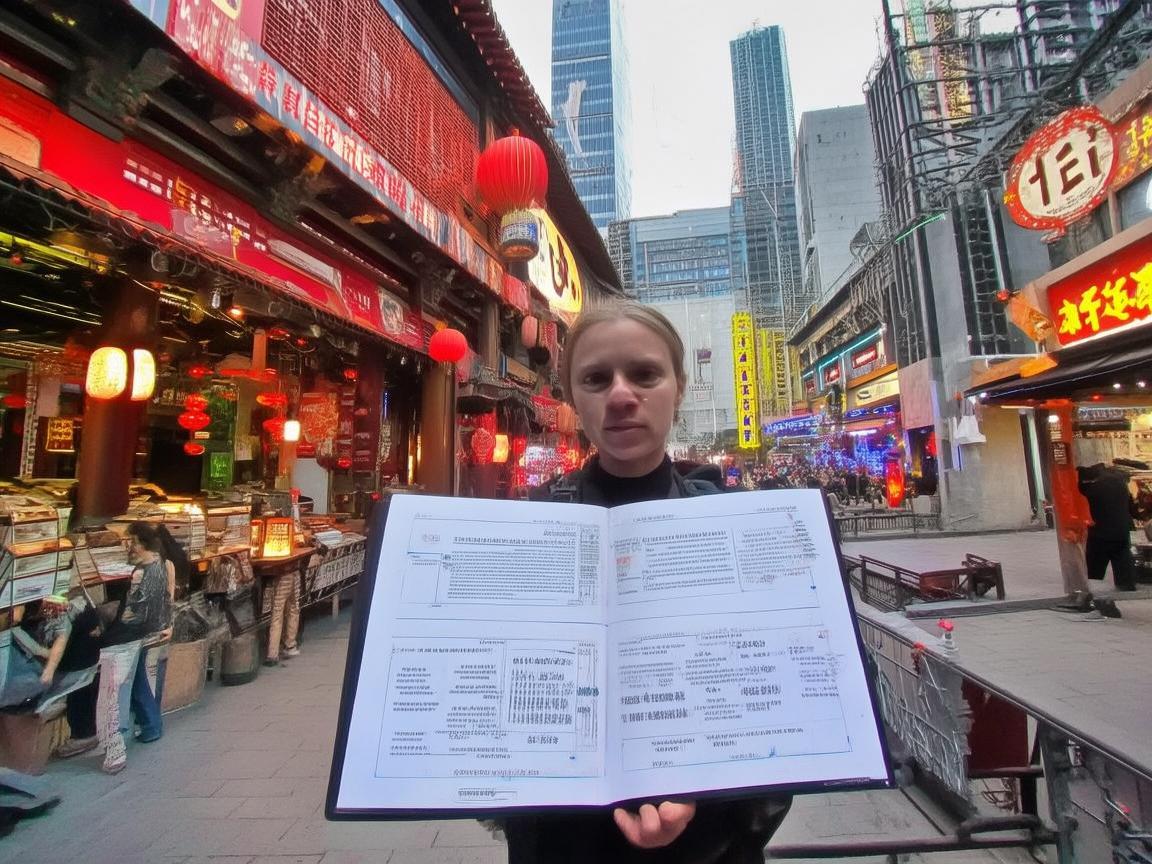
Emergency Payments in Xi’an: A Foreign Traveler’s Practical Guide
If you’re in a non-emergency situation, private hospitals like International Medical Center of Xi’an (西安国际医疗中心) are another option—they cater to expats and tourists, with English-speaking staff and streamlined billing, but they’re pricier. For true emergencies (like chest pain, severe bleeding, or difficulty breathing), dial 120 immediately—China’s universal emergency number, with operators who can dispatch an ambulance and direct you to the nearest public hospital.
The Big Question: How to Pay?
This is where most foreign travelers panic. China’s cashless society is amazing—until you realize your foreign credit card or PayPal app doesn’t work at the hospital pharmacy or billing desk. Here’s what I learned the hard way:
Cash is Still King (But Carry Smart)
Public hospitals in Xi’an often have separate “cash payment” windows, but many don’t accept foreign currency (USD, EUR, etc.). You’ll need Chinese Yuan (CNY). My hotel concierge suggested keeping at least ¥2,000–3,000 in cash for emergencies—enough to cover a doctor’s consultation, X-rays, and basic meds. Pro tip: Exchange money at the airport or a bank before you need it; airport exchange rates are better than hotel or small exchange counters.
Mobile Payments: Tricky but Possible
WeChat pay and Alipay dominate daily life in Xi’an, but using them as a foreigner requires setup. If you have a Chinese friend, they can “scan and pay” for you and you can transfer them via PayPal or Wise later. Alternatively, some hospitals allow international credit cards (Visa, Mastercard) at their international billing desks, but only if you go to the right window. At Jiaotong University Hospital, I had to walk to the “International Medical Center” (signs in English) to use my Visa—regular outpatient desks only accepted cash or Chinese mobile payments.
International Credit Cards: Check the Fine Print
If your card has no foreign transaction fees, it’s worth trying. But don’t rely on it—many smaller hospitals or clinics in Xi’an don’t have card machines. My friend Sarah had a similar issue in Chengdu: her Amex was declined at a local clinic because their machine only UnionPay (China’s domestic card system). For big public hospitals, call ahead to ask if they accept international cards at the emergency department.
Travel Insurance: Your Best Friend
I’m so I bought travel insurance before my trip. After my X-ray and doctor’s visit, I kept every single receipt—the consultation form, pharmacy bills, even the taxi fare to the hospital. Back home, I emailed scans to my insurer, and they reimbursed me 80% of the costs (minus the deductible). Without insurance, I would’ve paid over ¥1,500 out of pocket—insurance is worth the extra $50–$100 for peace of mind.
What to Expect at the Hospital: A Step-by-Step
Here’s what happened when I arrived at Jiaotong University First Affiliated Hospital, so you’re not blindsided:
- Registration: Go to the “International Patient Registration” desk (look for English signs). Show your passport—they’ll give you a registration card and a queue number.
- Doctor’s Consultation: Wait your turn, then explain your symptoms (use a translation app like Google Translate or iFlyTranslate if needed). The doctor will examine you and order tests (X-ray, blood work, etc.).
- Payment Before Treatment: This is key—Chinese hospitals require payment before you get tests or meds. I paid ¥300 for the consultation and X-ray at the international billing desk with my Visa (they charged a 3% foreign transaction fee, but worth it).
- Tests and Pharmacy: Take your receipts to the radiology/blood test lab—they’ll direct you. After results, go back to the doctor, then to the pharmacy (cash or card, depending on the window).
- Follow-Up: If you need a prescription, ask the doctor to write it in English (or use a translation app to copy the Chinese characters). Pharmacies outside the hospital (like Watson’s or local drugstores) may have English-speaking staff and accept cards.
Pro Tips for Emergencies
- Save Emergency Numbers: Keep 120 (ambulance), 110 (police), and your hotel’s front desk number in your phone. Download a translation app before you travel—offline mode works well in hospitals with spotty Wi-Fi.
- Carry a “Medical Info” Card: Write down your blood type, allergies, chronic conditions, and emergency contact in Chinese (ask a friend to help). I laminated mine and kept it in my wallet—doctors appreciated it.
- Avoid “Tourist Traps”: If a stranger approaches you on the street offering “cheap medical help,” politely decline. Stick to reputable hospitals or your hotel’s recommended clinics.
- Contact Your Embassy: For serious emergencies (like hospitalization or lost passport), call your country’s embassy in Beijing or Xi’an. They can assist with translation or contacting family.
My Takeaway
My sprained ankle was a hassle, but it taught me that China’s healthcare system is accessible to foreigners—you just need to prepare. Carry cash, have travel insurance, and don’t hesitate to ask for help (hotel staff, embassy, or friendly strangers). Xi’an’s people are warm and eager to assist, even with language barriers. Now, I tell every traveler: “Hope you don’t need it, but if you do, you’ve got this.”
Safe travels—and maybe skip the pagoda steps!
Xi’an Airport Transfer Service
Private English-speaking driver service in Xi’an operated directly by Bruce Zhang. 24/7 airport pickup and hotel transfer for foreign travelers.
Helpful for Your Trip in Xi’an
Xi’an Night Markets: A Tourist’s Guide to Navigating QR Code Payments Like a Local
2026-09-08Renting a Car in Xi’an as a Foreigner: A Practical Guide to Payments and More
2026-09-0612-Hour Xi’an Layover: A Foreigner’s Guide to Payments & Must-See Spots
2026-09-03Xi’an Travel Tips for Foreigners: Navigating Payments & Hotel Drop-offs Like a Pro
2026-09-02Your QR Payment Survival Guide for Xi’an: How to Pay Like a Local
2026-09-01Xi’an Travel Tips: Why Cash Still Matters (and Where to Use It!)
2026-08-26Macau Payment Guide for Foreign Travelers: From Cash to Apps
2026-08-19Xi’an Travel: A Tourist’s Guide to Scenic Area Payments & Tips
2026-08-13Navigating Payments in Xi’an Without a Data Plan: A Tourist’s Practical Guide
2026-08-11Smart Savings in Xi’an: A Traveler’s Guide to Education-Friendly Payment Systems
2026-08-10