

Long-Term Stay in Xi’an: How to Live Like a Local Without Breaking the Bank
When I first told friends I was quitting my job to spend two months in Xi’an, their first question was, “But isn’t China expensive?” I get it—most tourists think of short trips, splurging on hotels and tours. But here’s the secret: Xi’an is incredibly friendly to long-term stays if you know how to manage your money. After 60 days of navigating this ancient city like a local, I’ve cracked the code on affordable living, from rent to ramen. Let me break it down—no fluff, just real talk for anyone considering a long-term Xi’an adventure.
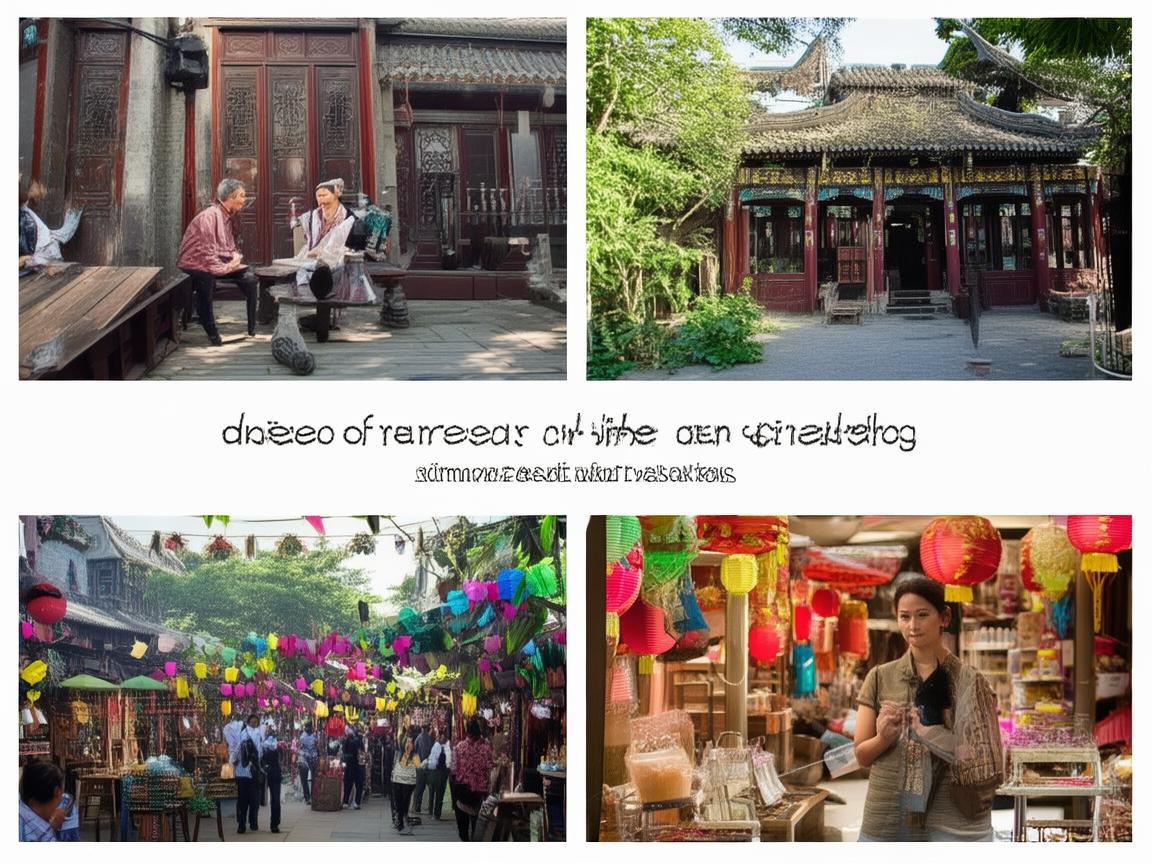
Long-Term Stay in Xi’an: How to Live Like a Local Without Breaking the Bank
Accommodation: Skip Hotels, Embrace “Home”
The biggest mistake short-term travelers make is booking hotels. For a long stay, it’s like pouring money down the drain. I started with a week in a hotel near the Bell Tower—¥400/night, tiny room, no kitchen. By day three, I was scrambling to switch.
Best bet: Long-term rentals or “serviced apartments.” Platforms like Airbnb, Xianhome, or even local apps like 58 Tongcheng have listings for 1-3 month stays. I ended up in a 35-square-meter studio in a liquayuan (residential community) near Xiaoyan Pagoda—¥3,500/month. That’s ¥117/night half what the hotel cost! It had a kitchen, washing machine, and AC—basically a real home. Pro tip: Look for places outside the tourist center (like Beilin District or Yanta District). They’re quieter, cheaper, and full of local life.
Hostels for social butterflies: If you don’t mind sharing, Xi’an’s hostels are great. The “Backpackers Hostel” near South Gate has private rooms for ¥150/night, and dorms for ¥60. Plus, you’ll meet other travelers and get local tips from the staff.
Transportation: Get a “长安通” and Ditch Taxis
Xi’an’s public transport is a lifesaver for long-termers. First thing I did: buy a Chang’an Tong card (¥20 deposit, ¥20 minimum top-up) at any metro station. It works on buses, metro, and even some convenience stores.
Metro is king: Xi’an’s metro system covers all major spots—Big Wild Goose Pagoda, Terracotta Army, City Wall. A single ride is ¥2-5; with the Chang’an Tong, you get a 10% discount. I took the metro to work (yes, I picked up a part-time English teaching gig—more on that later) every day, spending ¥150/month total.
Buses for the win: For routes the metro doesn’t cover, buses are ¥1-2. Just download the “Bus Xi’an” app to track real-time arrivals.
Avoid taxis unless desperate: Taxis start at ¥13, but drivers often take “scenic routes” to up the fare. Once, a driver tried to charge me ¥80 for a 20-minute ride (should’ve been ¥40). I switched to Didi (China’s Uber)—set the “fixed price” option, and you’ll never overpay. For short trips, shared bikes (Hellobike or Meituan Bike) are ¥1.5/30 minutes. I biked to the park every morning for ¥2/day.
Food: Eat Like a Local, Not a Tourist
Xi’an’s food is legendary, but eating out every meal adds up. My first week, I stuck to tourist spots like Muslim Quarter—roujiamo (¥15), Paomo (¥20), yangrou paomo (¥25). Good, but pricey. Then I discovered where the locals eat.
Markets are your best friend: Head to Sajinqiao Food Street or Huimin Street (not the main tourist strip). At Sajinqiao, I got a bowl of biangbiang noodles (¥12), a roujiamo (¥8), and a fresh pomegranate juice (¥5) for under ¥25. Compare that to ¥50+ in tourist areas. Pro tip: Go early (before 10 AM) for the freshest food and lower prices—vendors raise prices as crowds come.
Cook at home (if you can): My rental had a tiny kitchen, so I hit the supermarket (Hualian, RT-Mart) instead of convenience stores. Veggies: ¥5-10/kg (cabbages, potatoes). Meat: ¥30/kg for pork, ¥60/kg for chicken. Eggs: ¥1/each. I made stir-fries, congee, and dumplings—costing ¥30/day instead of ¥80. Even if you can’t cook, buying fruit from street vendors is cheaper: a bag of grapes (¥15) vs. ¥25 in supermarkets.
Don’t miss these cheap eats:
- Biangbiang noodles (¥10-15): Hand-pulled, spicy, and filling. Try “Laolao Biangbiang Noodle” near South Gate.
- Roujiamo (¥5-10): “Chinese hamburger” with tender beef. “Sun Roujiamo” on Beiyuan Road is local-approved.
- Liangpi (¥8-12): Cold skin noodles with chili oil and veggies. “Zhang Liangpi” in Muslim Quarter is iconic.
Attractions: Skip the “VIP Tickets,” Use Smart Cards
Xi’an’s history is everywhere, but tickets add up. The Terracotta Army alone is ¥150, Big Wild Goose Pagoda ¥30, City Wall ¥54… If you visit all, you’ll spend ¥500+ in a week. For a long stay, here’s how to save:
Xi’an Tourism Pass: I bought the 3-day pass (¥330) which covers Terracotta Army, City Wall, Big Wild Goose Pagoda, and more. But since I stayed 60 days, I switched to the Annual Pass (¥580)—valid for 12 months, unlimited entry to most sites. A steal if you plan to visit twice.
Free days and hidden gems: Many museums and parks have free entry on specific days. For example, Shaanxi History Museum is free on Tuesdays (but you need to book 3 days in advance via their WeChat account). I also stumbled upon Yongxing Fang, a free cultural block with traditional architecture and street performances—way more authentic than pricier tourist spots.
City Wall hack: Instead of paying ¥54 to walk the entire 14km wall, rent a bike for ¥45/2 hours. You’ll cover more ground and get great views of the city. I did this twice—once at sunset, once at night (the wall is lit up, and it’s magical).
Daily Expenses: What I Spent in a Month
To give you a real idea, here’s my budget for a “comfortable long stay” (not ultra-budget, but not luxury):
- Rent: ¥3,500 (studio in residential area)
- Food: ¥1,500 (mostly home-cooked, occasional eats out)
- Transport: ¥150 (metro + bike)
- Attractions: ¥200 (Annual Pass + free days)
- Utilities (electricity, water): ¥100 (included in some rentals, but I paid extra for AC in summer)
- Phone/internet: ¥80 (cheap SIM card with 20GB data)
- Miscellaneous (toiletries, snacks): ¥200
Total: ¥5,730/month (≈$800 USD). That’s less than what many people pay for a week in a hotel in major cities! And I lived comfortably—ate well, traveled everywhere, and even saved money.
Bonus: Make Money While You Stay
If you’re worried about funds, Xi’an has plenty of side gigs for English speakers. I taught part-time at a language school—¥150/hour, 10 hours/week, earning ¥6,000 extra. You can also tutor (¥200-300/hour) or work part-time in hostels (free accommodation in exchange for 2-3 hours/day/day). Check “Xi’an Expats” Facebook group or local job boards for gigs.
Final Thoughts
Xi’an isn’t just a city of terracotta warriors and ancient walls—it’s a place where you can slow down, live like a local, and actually save money. Long-term travel here isn’t about cutting corners; it’s about making smart choices: rent where locals live, eat where they eat, and use the transport they use. By the end of my two months, I didn’t just see Xi’an—I lived it. And I came home with more than just photos—I came home with a new perspective on affordable, meaningful travel.
So if you’re thinking of staying a week, a month, or longer in Xi’an, don’t let cost scare you. With a little planning, you can have the adventure of a lifetime without breaking the bank. Trust me—it’s worth it.
Xi’an Airport Transfer Service
Private English-speaking driver service in Xi’an operated directly by Bruce Zhang. 24/7 airport pickup and hotel transfer for foreign travelers.
Helpful for Your Trip in Xi’an
Xi’an Night Markets: A Tourist’s Guide to Navigating QR Code Payments Like a Local
2026-09-08Renting a Car in Xi’an as a Foreigner: A Practical Guide to Payments and More
2026-09-0612-Hour Xi’an Layover: A Foreigner’s Guide to Payments & Must-See Spots
2026-09-03Xi’an Travel Tips for Foreigners: Navigating Payments & Hotel Drop-offs Like a Pro
2026-09-02Your QR Payment Survival Guide for Xi’an: How to Pay Like a Local
2026-09-01Xi’an Travel Tips: Why Cash Still Matters (and Where to Use It!)
2026-08-26Macau Payment Guide for Foreign Travelers: From Cash to Apps
2026-08-19Xi’an Travel: A Tourist’s Guide to Scenic Area Payments & Tips
2026-08-13Navigating Payments in Xi’an Without a Data Plan: A Tourist’s Practical Guide
2026-08-11Smart Savings in Xi’an: A Traveler’s Guide to Education-Friendly Payment Systems
2026-08-10