

Navigating Xi’an: A Tourist’s Guide to China’s Payment Network
As a first-time visitor to Xi’an, I’d spent weeks imagining the terracotta warriors, the Muslim Quarter’s street food, and the ancient city walls. But one practical detail I’d overlooked? How I’d actually pay for things. Back home, I live by credit cards and Apple Pay, but friends kept warning me, “China is all about mobile payment—you might struggle.” They weren’t wrong. My first 48 hours in Xi’an were a crash course in navigating China’s payment network, and by the end, I’d learned what works, what doesn’t, and how to avoid being stuck with a pocket full of useless cash. Here’s what you need to know.
Before You Go: Download These Apps
The first thing I did upon arriving at Xi’an Xianyang International Airport was panic. I tried to pay for a bottle of water with my Visa, but the cashier shook her head. “We only take Alipay or WeChat pay,” she said, pointing to two QR codes on the counter. I’d heard of these apps but never used them. Lesson one: download them before you leave home.
Both Alipay and WeChat Pay are China’s dominant payment networks, covering everything from street vendors to five-star hotels. Think of them like PayPal, but with way more features—you can pay for meals, buy metro tickets, order a Didi (China’s Uber), or even split bills with friends. For tourists, the easiest way to use them is to link an international credit card (Visa, Mastercard, etc.). Here’s how:
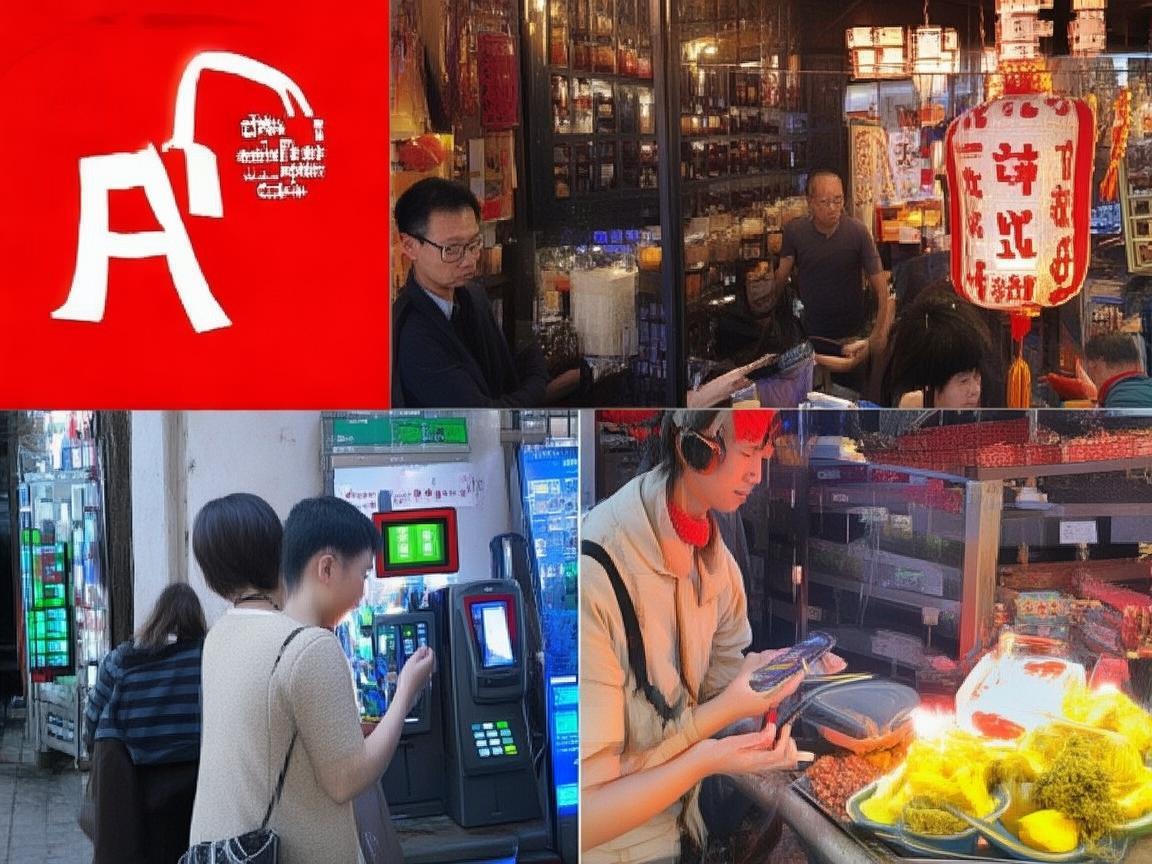
Navigating Xi’an: A Tourist’s Guide to China’s Payment Network
- Alipay: Open the app, tap “Me” > “Payment Methods” > “Add Bank Card.” Enter your card details, and verify with a code from your bank. I added my Visa, and within minutes, I could scan QR codes to pay.
- WeChat Pay: Go to “Me” > “Services” > “Wallet” > “Payment Methods” > “Add Bank Card.” Same process—link your card, confirm, and you’re ready.
Pro tip: Set a payment PIN or enable fingerprint/facial recognition for extra security. I once accidentally tried to pay for a taxi while my phone was unlocked—luckily, the fingerprint scan stopped me.
The Reality Check: Where Mobile Payment Doesn’t Work
At first, I thought, “Great! I’m all set.” But then I hit a snag: some places still prefer cash. My first big wake-up call was at a small guesthouse in the Muslim Quarter. The owner smiled when I offered to pay via WeChat, then said, “Sorry, our machine is broken. Cash only.” I had to rush to a nearby ATM (more on those later).
After a few days, I learned the golden rule: big chains = mobile payment; small, local spots = cash. For example:
- Works fine: Starbucks, KFC, most restaurants in shopping malls, the terracotta ticket office, metro stations, and major hotels.
- Cash only: Some street food stalls (especially older vendors), small family-run hostels, rural markets outside the city center, and taxi drivers (more on this later).
I also learned that international credit cards aren’t universally accepted. My Visa worked at the Grand Mall (a big shopping center) but was rejected at a tiny tea shop. The owner said, “Our bank doesn’t support foreign cards—sorry.” So while linking your card to Alipay/WeChat covers most bases, always carry cash as a backup.
Cash: Your Safety Net
How much cash should you bring? I started with ¥500 (about $70) and never ran out, but I’m cautious. Here’s what I learned:
- ATMs are everywhere, but not all accept foreign cards. Stick to big banks like ICBC, China Construction Bank, or Bank of China. I found one near the Bell Tower, and it let me withdraw yuan directly from my U.S. bank account (check with your bank—some charge foreign transaction fees).
- Small bills are key: Vendors often can’t break ¥100 notes. I once tried to pay ¥30 for a bowl of noodles with a ¥100 bill, and the vendor had to ask three neighbors for change. After that, I kept ¥10, ¥20, and ¥50 bills handy.
- Exchange currency at the airport or bank: Hotel exchange rates are terrible. I changed $100 at the airport arrival hall—rate was 7.1 yuan/dollar, which was fair.
Taxis and Ride-Hailing: The Paying Puzzle
Taxis in Xi’an are cheap (a 10-minute ride costs ¥15–¥20), but paying with them is a headache. Most drivers only take cash, and my broken Chinese didn’t help when I tried to explain I had none. My solution? Use Didi, China’s version of Uber.
Didi is integrated with WeChat Pay and Alipay, so you can pay directly through the app. Here’s how to use it as a tourist:
- Download Didi (it’s in English).
- Enter your pickup and drop-off locations.
- Choose a ride type ( “Comfort” for standard cars).
- When you arrive, the fare is automatically deducted from your WeChat/Alipay balance.
I used Didi everywhere—from the airport to my hotel, to the city wall, and late-night trips back. It’s cheaper than taxis, no cash needed, and drivers speak enough English to communicate. The only catch: during peak hours (rush hour, holidays), prices surge, so avoid traveling then if you can.
Public Transport: Mobile Payment Makes It Easy
Xi’an’s metro and buses are efficient and cheap (metro rides start at ¥2), but buying tickets can be confusing if you don’t speak Chinese. Good news: you can use Alipay or WeChat Pay to ride without a ticket.
For the metro: Open Alipay > “Metro” > select Xi’an > add money to your “Metro Pass” (you can use your linked card). Then, just scan the QR code at the gate when you enter and exit. For buses, use Alipay’s “Bus” feature—same process. I loved this: no fumbling for coins, no worrying about buying a physical ticket, and it works even without internet (Alipay caches your pass for offline use).
Scams and Safety: What to Watch For
China’s payment network is generally safe, but I heard a few stories about tourists getting scammed. Here’s what to avoid:
- Fake QR codes: A vendor might hand you a QR code that links to their personal account instead of the store’s. Always check that the name on the QR code matches the business (e.g., “Starbucks” not “Li Wei”).
- “Helpful” strangers: Once, a man approached me at the train station, saying he could “help me set up WeChat Pay” for a small fee. I thanked him and walked away—never let strangers touch your phone or help with payment apps.
- Overcharging: At a night market, I saw a tourist charge ¥50 for a skewer that should cost ¥5. Always check prices before paying—most vendors display them, but if not, ask a friend or use Google Translate.
My Top Takeaways
By the end of my week in Xi’an, I felt like a payment pro. Here’s my advice for any traveler:
- Download Alipay and WeChat Pay before you go—link your international card, and set up security.
- Carry ¥500–¥1000 in cash (small bills) for places that don’t accept mobile payments.
- Use Didi for taxis—it’s cashless and reliable.
- Use Alipay for metro/bus rides—no tickets, no stress.
- Trust big chains, ask about cash for small spots—when in doubt, show a ¥10 note and ask, “Can I pay with cash?” (Most will nod yes.)
China’s payment network is incredible—fast, efficient, and everywhere. But it’s designed for locals, not tourists. A little prep goes a long way. Now, go enjoy those lamb skewers and terracotta warriors—just make sure your phone’s charged!
Xi’an Airport Transfer Service
Private English-speaking driver service in Xi’an operated directly by Bruce Zhang. 24/7 airport pickup and hotel transfer for foreign travelers.
Helpful for Your Trip in Xi’an
Xi’an Night Markets: A Tourist’s Guide to Navigating QR Code Payments Like a Local
2026-09-08Renting a Car in Xi’an as a Foreigner: A Practical Guide to Payments and More
2026-09-0612-Hour Xi’an Layover: A Foreigner’s Guide to Payments & Must-See Spots
2026-09-03Xi’an Travel Tips for Foreigners: Navigating Payments & Hotel Drop-offs Like a Pro
2026-09-02Your QR Payment Survival Guide for Xi’an: How to Pay Like a Local
2026-09-01Xi’an Travel Tips: Why Cash Still Matters (and Where to Use It!)
2026-08-26Macau Payment Guide for Foreign Travelers: From Cash to Apps
2026-08-19Xi’an Travel: A Tourist’s Guide to Scenic Area Payments & Tips
2026-08-13Navigating Payments in Xi’an Without a Data Plan: A Tourist’s Practical Guide
2026-08-11Smart Savings in Xi’an: A Traveler’s Guide to Education-Friendly Payment Systems
2026-08-10