

Paying at Xi’an’s Temples: A Foreigner’s Practical Guide to China’s Payment Maze
First thing’s first: Xi’an, like most of China, runs on mobile payments. I mean, really runs on them. By the time I landed, I’d seen videos of street vendors scanning QR codes for a 5 yuan snack, so I thought I’d be fine with my credit card and some leftover euros. Big mistake. My first stop? The Big Wild Goose Pagoda (大雁塔), a stunning 7th-century Buddhist site. I walked up to the ticket counter, smiled, and handed over my Visa. The agent shook her head, pointed to a sign with a QR code, and said, “Weixin or Alipay only.” Cue my panic: I’d arrived in China just 24 hours earlier, and my phone was still stuck on “no Chinese SIM card.” What now?
Why Cash (and Mobile Payments) Rule at Temples
Here’s the thing: China’s digital payment system is incredible—if you’re plugged in. For locals, paying for temple tickets, incense, or even a bottle of water at a shrine is a quick scan of a QR code on their phone (via WeChat pay or Alipay). But for foreigners? It’s not always straightforward. Many temples, especially smaller or less touristy ones, still rely heavily on cash. Why?
- Rural/remote sites: Some temples outside Xi’an’s city center don’t have reliable card readers or internet for mobile payments.
- Staff training: Older staff might not be familiar with processing international cards (Visa/Mastercard are accepted at some big-ticket spots like the Terracotta Army, but not everywhere).
- Informal vendors: If you’re buying incense, a wooden Buddha statue, or a prayer banner from a street vendor outside a temple, they’ll only take cash.
Step 1: Cash Is Your Safety Net—Here’s How to Get It
Before you even think about mobile payments, get cash. I learned this the hard way: my first day, I wandered to the Muslim Quarter (a must-visit, by the way) and wanted to try roujiamo (Chinese hamburger) from a tiny stall. The vendor just stared at my credit card. I ended up walking 20 minutes to a 7-Eleven to buy snacks with cash—embarrassing, and wasted time.
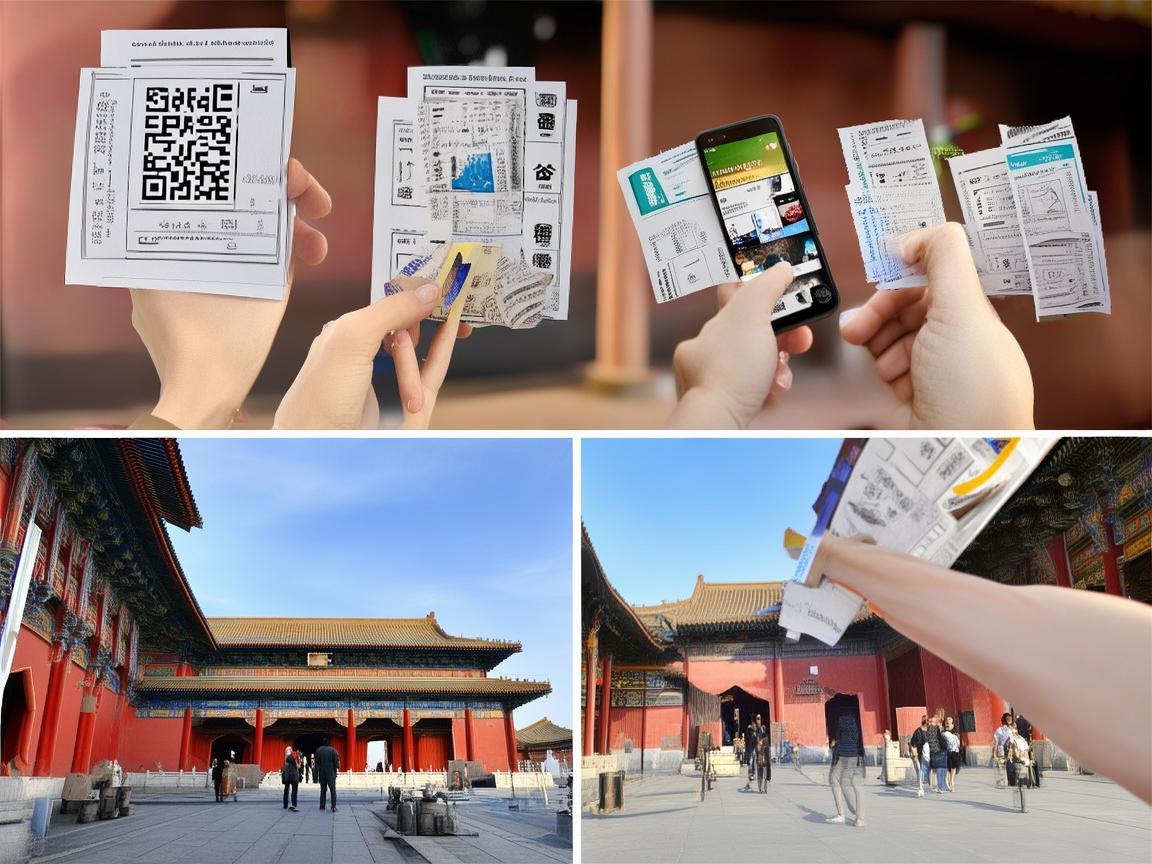
Paying at Xi’an’s Temples: A Foreigner’s Practical Guide to China’s Payment Maze
Where to exchange cash in Xi’an:
- Xi’an Xianyang International Airport (XIY): The easiest option. As soon as you exit baggage claim, there are currency exchange counters (look for signs saying “Currency Exchange”). They accept USD, EUR, GBP, etc., and give you RMB (Chinese yuan). Rates are decent—better than hotels, at least.
- Banks: Downtown, major banks like Bank of China (中国银行) or ICBC (中国工商银行) exchange cash. You’ll need your passport. Pro tip: Go early (before 10 AM) to avoid long lines.
- ATMs: Many ATMs (especially at Bank of China) accept international cards. You can withdraw RMB directly, but your bank might charge a foreign transaction fee. I did this once when I ran low—worked, but fees added up.
How much cash to carry: For temple visits, aim for 300-500 RMB per day. Why? Tickets to big temples (like Terracotta Army, Big Wild Goose Pagoda) cost 100-150 RMB each. Incense? 20-50 RMB for a small bundle. Water? 2-5 RMB. Smaller temples (like the Small Wild Goose Pagoda) might be 30-50 RMB. Keep small bills (10s, 20s, 50s)—vendors often can’t break 100s, and you’ll feel silly trying to pay for a 5 yuan water bottle with a 100.
Step 2: Mobile Payments—If You’re Brave (or Prepared)
Okay, so cash is king, but what if you want to use mobile payments like locals? It’s possible, but you need to plan ahead. Here’s what I did (after a lot of trial and error):
Option 1: WeChat Pay or Alipay with a Foreign Bank Card
Both apps now let you link international credit/debit cards (Visa, Mastercard, etc.). Here’s how:
- Download the app: Get WeChat Pay (if you use WeChat) or Alipay (if you prefer—both work in Xi’an).
- Register: Sign up with your phone number (you’ll need a Chinese number to verify, but wait—there’s a workaround!).
- Link your card: Go to “Wallet” (WeChat) or “My” (Alipay) > “Payment Methods” > “Add Card.” Enter your card details (number, expiry, CVV). The app will send a verification code to your email/phone—easy.
BUT: There’s a catch. Some features (like “scan to pay” at small stalls) might be locked if you don’t have a Chinese bank account. I tested this at a tea shop near the Bell Tower: my linked Visa worked for a 30 yuan purchase, but the cashier had to manually enter the amount—no QR code scan for me. Still, better than nothing!
Option 2: Use a “Virtual Prepaid Card”
If your foreign card gets rejected (mine did a few times), try a virtual prepaid card. Services like Wise (formerly TransferWise) let you load RMB onto a virtual card, which you can link to Alipay/WeChat. I did this for my second week: topped up 500 RMB, and it worked like a charm at a temple gift shop.
Option 3: Ask a Local for Help (Seriously!)
This is the most reliable method if you’re stuck. I met a student at the Terracotta Army who spoke English. I gave her cash, she scanned her WeChat QR code at the ticket counter, and I paid her back via PayPal. Win-win! Many young Chinese people are happy to help—just be polite and offer a small tip (like buying them a bubble tea).
Step 3: Don’t Forget These Temple-Specific Payment Tips
-
Tickets vs. “Extra” Costs: Temple tickets (e.g., 120 RMB for the Terracotta Army) are often payable by card at the main entrance. But inside the temple, things like incense, guided tours (if you want one), or souvenirs? Cash only. I learned this at the Famen Temple (法门寺): paid 150 RMB for my ticket with a credit card, but had to scramble for cash to buy incense (30 RMB) because the vendor didn’t take cards.
-
Haggle (a Little!): At temple markets (like the one near the Muslim Quarter), prices are often negotiable—if you pay in cash. I saw a tourist pay 80 yuan for a wooden Buddha bracelet; I paid 50 yuan with cash (and a smile). Pro tip: Start at 50% of the asking price and meet in the middle.
-
Monetary Donations: If you want to donate to a temple (for good luck, maybe?), they’ll have a donation box with a QR code. But if you don’t have mobile payments, cash is fine—just drop it in the box and say a little prayer (no judgment!).
My “Perfect Day” Payment Routine in Xi’an
After my first-day disaster, I settled into a routine that worked:
- Morning: Grab 400 RMB from the airport ATM (small bills).
- Lunch: Use cash at street food stalls (Muslim Quarter is cash-only heaven).
- Afternoon Temple Visit: Pay for tickets with my linked Alipay card (if the temple accepts it) or cash. Buy incense/water with cash.
- Evening: Use WeChat Pay at a restaurant (most big ones take cards now, but WeChat is faster).
Final Thoughts: You’ve Got This!
Paying at Xi’an’s temples as a foreigner can feel overwhelming at first, but it’s totally manageable. Here’s my cheat sheet:
- Always carry cash: 300-500 RMB in small bills.
- Download WeChat/Alipay: Link your foreign card before you come.
- Be flexible: If one method fails, try another (cash, card, asking for help).
- Smile: A little kindness goes a long way—most locals will help you figure it out.
Xi’an’s temples are magical—ancient walls, golden Buddha statues, incense smoke swirling in the sun. Don’t let payment stress ruin the experience. With a little prep, you’ll be focused on the history, not your wallet. Safe travels! ?
Xi’an Airport Transfer Service
Private English-speaking driver service in Xi’an operated directly by Bruce Zhang. 24/7 airport pickup and hotel transfer for foreign travelers.
Helpful for Your Trip in Xi’an
Xi’an Night Markets: A Tourist’s Guide to Navigating QR Code Payments Like a Local
2026-09-08Renting a Car in Xi’an as a Foreigner: A Practical Guide to Payments and More
2026-09-0612-Hour Xi’an Layover: A Foreigner’s Guide to Payments & Must-See Spots
2026-09-03Xi’an Travel Tips for Foreigners: Navigating Payments & Hotel Drop-offs Like a Pro
2026-09-02Your QR Payment Survival Guide for Xi’an: How to Pay Like a Local
2026-09-01Xi’an Travel Tips: Why Cash Still Matters (and Where to Use It!)
2026-08-26Macau Payment Guide for Foreign Travelers: From Cash to Apps
2026-08-19Xi’an Travel: A Tourist’s Guide to Scenic Area Payments & Tips
2026-08-13Navigating Payments in Xi’an Without a Data Plan: A Tourist’s Practical Guide
2026-08-11Smart Savings in Xi’an: A Traveler’s Guide to Education-Friendly Payment Systems
2026-08-10