

Traveling Xi’an: A Tourist’s Guide to Navigating Payments, Registration, and Smooth Adventures
Landing in Xi’an, the air thick with the scent of lamb skewers and the echo of ancient history, I was equal parts thrilled and overwhelmed. As a first-time visitor to China, I’d spent months reading about the Terracotta Army, the Muslim Quarter, and the City Wall—but one question nagged at me: How do I actually live here for a week? Between paying for a bowl of Biangbiang noodles and registering at my hotel, I quickly realized that two things—payments and registration—could make or break my trip. After a week of fumbling, learning, and (occasionally) panicking, I’ve got a practical, no-fluff guide to share. Let’s dive in.
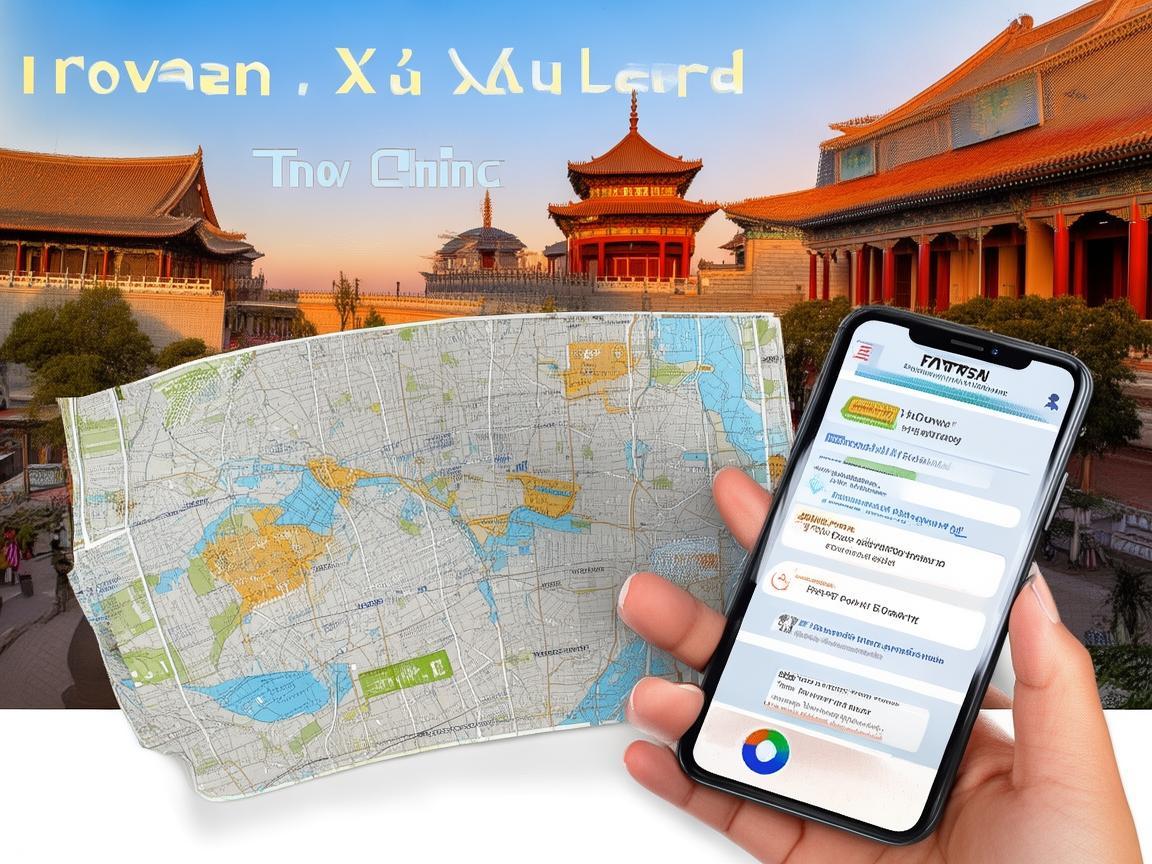
Traveling Xi’an: A Tourist’s Guide to Navigating Payments, Registration, and Smooth Adventures
Part 1: Payments—How to Spend Money Without Losing Your Mind
China is a cashless paradise, but if you’re a foreign tourist, that paradise can feel like a maze—at first. Here’s what you need to know:
Mobile Payment Is King, But You’ll Need a Setup
In Xi’an, even street vendors selling roasted chestnuts use QR codes. Apps like Alipay and WeChat pay are everywhere, but as a foreigner, you can’t just sign up with a foreign phone number. Here’s the workaround:
-
Use Alipay’s “Tour Pass”: This is a lifesaver. Open Alipay, search for “Tour Pass,” and register with your passport. You can link a foreign credit card (Visa/Mastercard) to add money—though note that some cards might be blocked for international transactions (call your bank beforehand!). Once funded, you can scan QR codes just like locals. I used this to pay for taxis, museum tickets, and even my 10 RMB breakfast of jianbing (savory crepe).
-
WeChat Pay: Similar to Alipay, but a bit trickier for foreigners. You’ll need a Chinese friend to help you “gift” money (since direct linking is restricted), or use the “WeChat Pay International” feature if available. For short trips, Alipay’s Tour Pass is simpler.
Pro tip: Save your payment QR codes to your phone’s home screen for easy access.
Cash Isn’t Dead—Carry Some (But Not Too Much)
While mobile payments dominate, cash is still king in two scenarios: small, rural vendors and emergency situations. For example, when I visited a tiny village near the Terracotta Army, the elderly tea seller only accepted cash. I also needed cash to pay for a public toilet near the Muslim Quarter (1 RMB—yes, really!).
- Where to exchange: Skip the airport (terrible rates). Head to a Bank of China or ICBC branch in the city center. I exchanged 100 USD at the Bank of China near the Bell Tower and got ~720 RMB—much better than the airport’s 680.
- Denominations: Stick to 50 and 100 RMB notes. Vendors often struggle to break 100s, so keep some 10s and 20s handy.
Bank Cards: ATMs and International Fees
Your foreign debit/credit card will work at major bank ATMs (Bank of China, ICBC, etc.), but watch out for fees. My bank charged 5 USD per withdrawal + 3% foreign transaction fee. To avoid this, I withdrew 1000 RMB at once (lasted 3 days) instead of small daily amounts.
Warning: Some smaller ATMs (like in convenience stores) might not accept foreign cards. Stick to bank branches.
Tipping? Just Say No
In China, tipping is not expected—at all. I tried leaving 5 RMB for a hotel cleaner, and she chased me down to return it, looking confused. Servers, taxi drivers, and guides won’t accept tips, so don’t insult them by offering.
Part 2: Registration—Don’t Skip This, or You’ll Regret It
China has strict temporary residence registration rules. If you’re staying at a hotel, they’ll handle it for you. But if you’re at a hostel, Airbnb, or a friend’s place, you need to register within 24 hours of arrival. Failure to do so can result in a fine (up to 500 RMB) or even trouble with police checks. Here’s how to stay compliant:
Hotels: The Easy Way Out
Most hotels in Xi’an will register you automatically when you check in. They’ll scan your passport and upload your details to the police system. You’ll get a temporary registration form—keep this! Police might ask to see it during random checks (I was stopped twice near the City Wall; showing the form got me a smile and a “thank you”).
What if a hotel says they “can’t register foreigners”? Run. This is illegal—report them to the tourism police (拨打110).
Hostels/Airbnbs: You’re Responsible
If you’re staying at a hostel or Airbnb, the host should register you, but many forget—especially smaller ones. To be safe:
- Ask your host: “Have you registered my temporary residence?” If they say no, insist they do it. Legally, they must.
- Do it yourself: Download the “Exit-Entry Administration” app (国家移民管理局) or use WeChat’s “Ministry of Public Security” mini-program. You’ll need your passport, address, and visa details. It’s in Chinese, but Google Translate works well. I did this at a hostel and it took 15 minutes.
Staying with Friends? Go to the Police Station
If you’re crashing at a local’s home, both you and your host must register at the local police station within 24 hours. Bring:
- Your passport
- Your host’s ID card
- A letter from your host (stating you’re staying with them)
- Proof of address (their utility bill, etc.)
I did this with a friend in Xi’an’s Yanta District. The process was smooth—officers spoke some English, and we were done in 20 minutes. Don’t skip this—police can visit homes to check, and unregistered guests mean trouble for your host.
Common Registration Mistakes to Avoid
- Waiting too long: Registration must be done within 24 hours of arrival. I learned this the hard way—my hostel host forgot, and I got a warning from police on my second day.
- Losing the registration form: Keep a photo of it on your phone. If you’re moving hotels/hostels, the new place will need to re-register you.
- Ignoring police checks: Police might stop you on the street to ask for your passport and registration. Be polite—smiling and handing over the form quickly solves everything.
Part 3: Bonus Tips—Because Smooth Travels Are Happy Travels
- Language: Learn basic phrases: “Nǐ hǎo” (hello), “Xièxie” (thank you), “Duì bu qǐ” (sorry). For payments, point to your phone’s QR code. Most vendors in tourist areas understand simple English or gestures.
- Internet: Buy a Chinese SIM card (China Mobile/Unicom) at the airport. 30 RMB for 10GB of data—lifesaver for Google Maps and Alipay.
- Safety: Xi’an is very safe, but watch your phone in crowded places (Muslim Quarter, Terracotta Army). I kept my phone in a front pocket to avoid pickpockets.
Final Thoughts
Xi’an is a city where ancient wonders meet modern convenience—once you crack the payment and registration codes. My first day was a mess (I tried to pay for a taxi with a 100 RMB note and the driver just stared at me), but by day three, I was scanning QR codes like a local and flashing my registration form with confidence.
So, come with an open mind, a little cash, and your passport ready. The Terracotta Army won’t disappoint—and neither will Xi’an’s warm, spicy, unforgettable welcome.
Safe travels, and enjoy the journey!
Xi’an Airport Transfer Service
Private English-speaking driver service in Xi’an operated directly by Bruce Zhang. 24/7 airport pickup and hotel transfer for foreign travelers.
Helpful for Your Trip in Xi’an
Xi’an Night Markets: A Tourist’s Guide to Navigating QR Code Payments Like a Local
2026-09-08Renting a Car in Xi’an as a Foreigner: A Practical Guide to Payments and More
2026-09-0612-Hour Xi’an Layover: A Foreigner’s Guide to Payments & Must-See Spots
2026-09-03Xi’an Travel Tips for Foreigners: Navigating Payments & Hotel Drop-offs Like a Pro
2026-09-02Your QR Payment Survival Guide for Xi’an: How to Pay Like a Local
2026-09-01Xi’an Travel Tips: Why Cash Still Matters (and Where to Use It!)
2026-08-26Macau Payment Guide for Foreign Travelers: From Cash to Apps
2026-08-19Xi’an Travel: A Tourist’s Guide to Scenic Area Payments & Tips
2026-08-13Navigating Payments in Xi’an Without a Data Plan: A Tourist’s Practical Guide
2026-08-11Smart Savings in Xi’an: A Traveler’s Guide to Education-Friendly Payment Systems
2026-08-10