

China SIM Card: My Lifeline for Exploring Xi’an’s Ancient Streets
Let me start with this: If you’re traveling to Xi’an and rely on your phone for navigation, translation, or even paying for a bowl of yangrou Paomo (mutton soup), a local China SIM card isn’t just a “nice-to-have”—it’s a survival tool. I learned this the hard way during my first 24 hours in the city, and by the end of my trip, I’d turned into a SIM card evangelist, recommending it to every traveler I met.
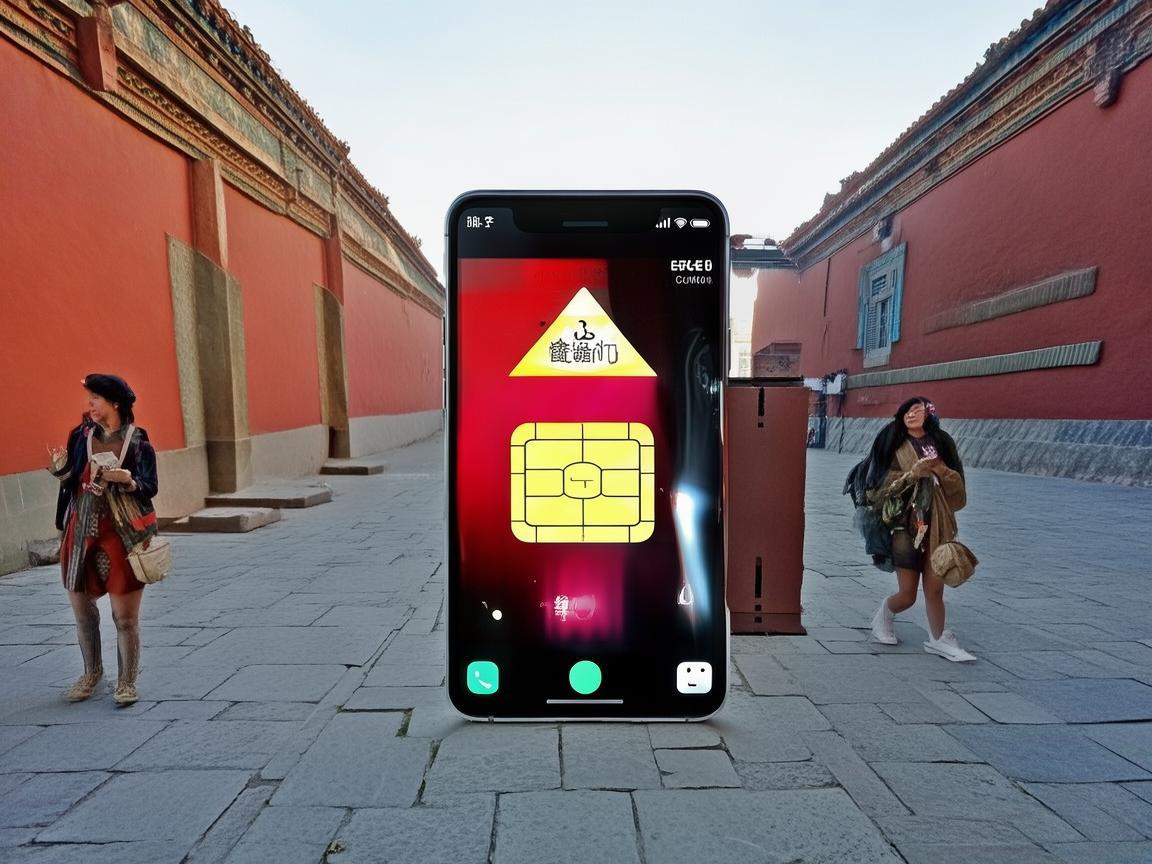
China SIM Card: My Lifeline for Exploring Xi’an’s Ancient Streets
The Pre-Trip Panic: “Why Didn’t I Research This Earlier?”
I landed at Xi’an Xianyang International Airport at 9 AM, excited to kick off my 10-day adventure. My plan was simple: take the airport express train to the city center, drop my bags at the hotel, and head straight to the Muslim Quarter to stuff my face with street food. But as I stepped out of arrivals, my phone screen flashed a warning: “No Service.” Panic hit. I’d assumed my international roaming plan would work, but it turns out, my carrier charged $10/day for just 1GB of data—and with Google Maps, WeChat, and translation apps draining battery, that would’ve cost me a fortune.
I spotted a tourist info desk and sheepishly asked, “How do I get internet here?” The agent smiled and pointed to a small counter labeled “SIM Cards.” “China Mobile or China Unicom?” she asked. “Both work in Xi’an. 20GB data for 30 yuan, 7 days—no passport needed if you buy at the airport.” Sold.
Choosing a SIM: China Mobile vs. China Unicom (And Why It Matters)
At the airport counter, I opted for China Mobile. The agent said it has the widest coverage in rural areas around Xi’an—useful since I planned a day trip to the Terracotta Warriors. My friend, who arrived a day earlier, had chosen China Unicom and complained about spotty signal at the Big Wild Goose Pagoda, so I stuck with Mobile.
Here’s the breakdown I wish I’d had:
- China Mobile: Best for rural areas and smaller cities (like Xi’an’s outskirts). Great for calling and texting, but 4G speed can dip in crowded spots (hello, 10,000-person lines at the Terracotta Warriors).
- China Unicom: Faster 4G/5G in urban areas—perfect if you’re sticking to Xi’an’s city center (Bell Tower, Muslim Quarter, etc.).
- China Telecom: Rarely recommended for travelers, but good if you’re in remote areas with poor Mobile/Unicom coverage.
For most Xi’an trips, China Mobile is the safe bet. The 30-yuan “Tourist Card” I bought included:
- 20GB of high-speed 4G data (valid for 7 days)
- Free incoming calls/texts
- 1GB/day “overflow” data after the 20GB ran out (slower, but enough for maps)
- A local Xi’an number (I used it to book a Didi ride later)
Activation: Easy, But Bring Your Passport (Even If They Say You Don’t Need It)
Activating the SIM took 5 minutes. The agent inserted it into my phone, scanned my passport (even though she initially said “no passport needed”—better safe than sorry!), and I got a text confirmation: “Welcome to China Mobile! Your data is active.”
Pro tip: If you buy a SIM outside the airport (like at a China Mobile store in the city), you’ll need your passport and a temporary address (your hotel works). The staff will register you on the spot—this is mandatory in China, so don’t skip it!
How This SIM Saved My Trip (Real-Life Examples)
Navigating the Muslim Quarter Without Getting Lost
The Muslim Quarter is a maze of narrow alleyways, stinky tofu stalls, and spice shops. Without Google Maps, I’d still be wandering, trying to find that famous roujiamo (Chinese hamburger) spot. With my China Mobile SIM, I opened Maps, typed in “李唯一肉夹馍” (Li Weiyi Roujiamo), and followed the blue dot through crowds of tourists and locals. The signal stayed strong even at 8 PM when the quarter was packed—proof that Mobile’s urban coverage is solid.
Paying for Everything (Yes, Even 5 Yuan Noodles)
Xi’an is a cashless city. Every food stall, taxi, and even the 1-yuan bus ride requires mobile payment. I linked my WeChat pay to the SIM’s number (super easy—just follow the prompts in WeChat) and paid for paomo, biangbiang noodles, and hulatang (spicy soup) with a scan. No fumbling for yuan, no worrying about getting ripped off by “tourist prices.”
Booking Last-Minute Didi Rides
One night, I missed the last subway to my hotel and was panicking (it was 11 PM, and I didn’t want to walk 2 km alone). I opened Didi (China’s Uber), and within 2 minutes, a driver picked me up. The SIM’s local number let me verify the car’s license plate and chat with the driver if I got lost. Total cost: 25 yuan—way cheaper than a taxi!
Translating Menus and Signs
I’m not fluent in Mandarin, so ordering food can be a gamble. With my SIM, I used Google Translate’s camera feature to snap photos of menu items: “麻辣烫” (spicy hot pot), “凉皮” (cold skin noodles), “甑糕” (steamed rice cake). No more pointing at random dishes and hoping for the best!
The One “Oops” Moment (And How to Fix It)
On Day 5, my data ran out. I was at the Terracotta Warriors, 40 km outside Xi’an, and needed to check my train ticket back to the city. Panic again. But I remembered the “overflow” data—1GB/day at slower speeds. It was enough to open Maps and confirm my train time, but I couldn’t watch videos or use Instagram.
The next day, I went to a China Mobile store near the Bell Tower. Recharging was easy: I handed them my phone, they scanned the SIM, and I added 50 yuan for another 20GB of data. Took 3 minutes. If you’re staying longer than a week, buy a “30-day” SIM instead of the 7-day one—saves money and hassle.
Final Tips for Buying a China SIM
- Buy at the Airport or Hotel: If you’re short on time, airport counters are fastest. Hotel concierges often sell SIMs too (markups are small, but convenience is worth it).
- eSIM vs. Physical SIM: If your phone supports eSIM (like iPhone 14+ or Google Pixel), you can buy an eSIM online before you leave (sites like Airalo or Holafly offer China plans). No need to queue at the airport!
- Turn Off Data Roaming: Once your China SIM is active, disable international roaming in your phone settings—you don’t want accidental charges.
- Download Apps Offline: Google Maps, WeChat, and Translate let you download “offline packs.” Even if your data dies, you can still navigate and translate.
Why This SIM Made My Xi’an Trip Unforgettable
By the end of my trip, that little China Mobile SIM felt like my travel buddy. It let me get lost (and found) in the Muslim Quarter, haggle with street vendors (using translation apps), and stay connected with friends back home. Without it, I’d have spent half my time stressing about internet and money instead of eating paomo and marveling at the Terracotta Warriors.
So, if you’re heading to Xi’an (or anywhere in China), skip the expensive international roaming. Grab a local SIM—it’s cheap, easy, and will make your trip 100x smoother. Trust me, your future self (and your stomach) will thank you.
Xi’an Airport Transfer Service
Private English-speaking driver service in Xi’an operated directly by Bruce Zhang. 24/7 airport pickup and hotel transfer for foreign travelers.
Helpful for Your Trip in Xi’an
Surviving and Thriving in Xi’an: A Traveler’s Guide to China’s Internet Carrier
2026-09-10China SIM Verification: A Traveler’s Step-by-Step Guide (From a Xi’an Visitor’s Perspective)
2026-09-08Xi’an Travel Tips: Why China Roaming Data is Non-Negotiable for Foreign Visitors
2026-09-05Traveling Xi’an: A Tourist’s Guide to Navigating China’s SIM Authentication System
2026-09-04Your Ultimate Guide to Network Settings & China SIM Cards for a Seamless Xi’an Trip
2026-08-31Xi’an: Where Ancient History Meets Modern Connectivity – A China Traveler’s Practical Guide
2026-08-30Your Go-To Guide for China SIM Service Centers in Xi’an: Stay Connected Hassle-Free
2026-08-26Surviving Xi’an Without the Slow Lane: A Tourist’s Guide to China SIM Throttling
2026-08-11Xi’an Travel Survival Guide: How a China SIM Card and Call Center Saved My Trip
2026-08-10My Xi’an Survival Guide: Why a China SIM Card is Your Travel Lifeline
2026-08-09