

China SIM: My Lifeline for Seamless Travel in Xi’an
Before my trip to Xi’an, I’d heard all about the Terracotta Army, the Muslim Quarter’s street food, and the ancient city walls. But one thing I didn’t expect to stress over? My phone. As a traveler who relies on Google Maps, translation apps, and staying connected, the thought of being without internet in a foreign country gave me anxiety. That’s where my China SIM card became my unsung hero. Here’s how it turned my Xi’an adventure from chaotic to seamless—and why you should never skip this step.
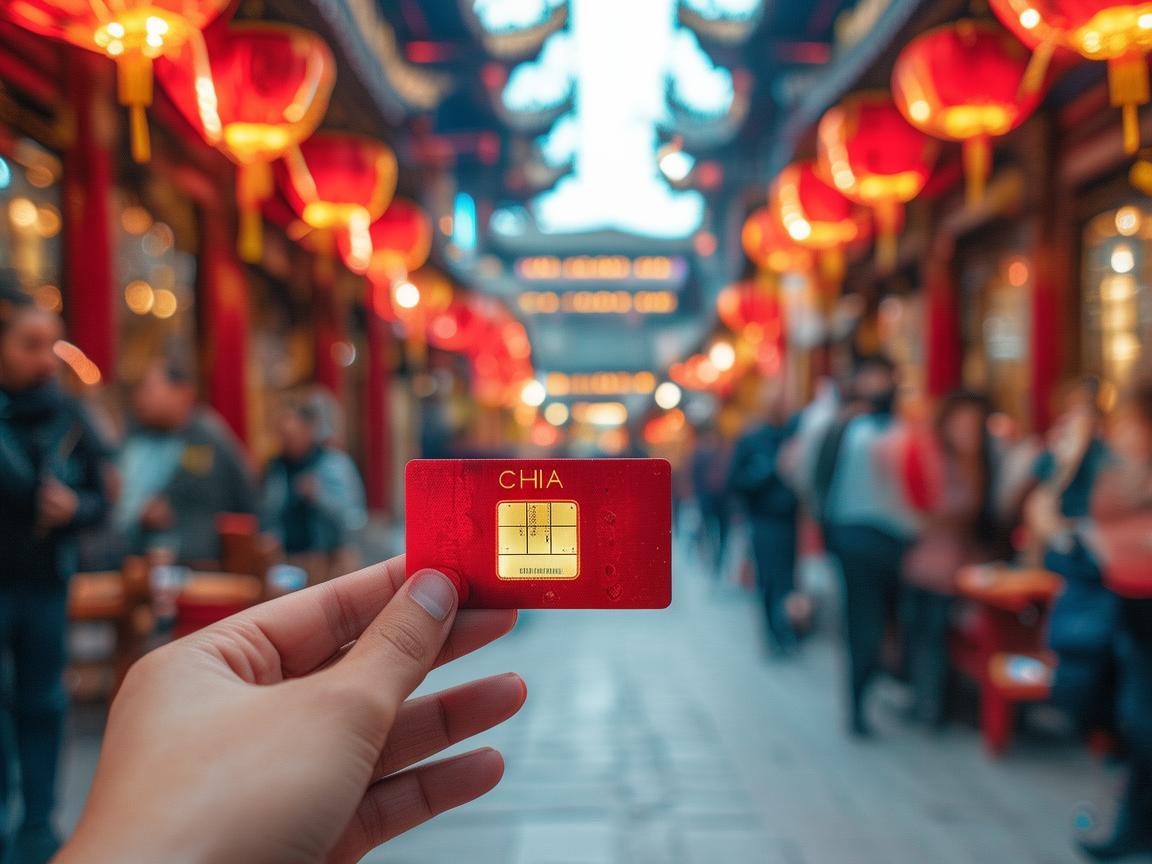
China SIM: My Lifeline for Seamless Travel in Xi’an
Why a China SIM? The Pre-Trip Panic
I’ll admit: I almost didn’t get a local SIM. “I’ll just use my home carrier’s international plan,” I thought. Big mistake. I checked with my U.S. provider—$10 per day for 1GB of data, and calls would cost $1/minute. For a 10-day trip? That’s $100+ just to avoid getting lost. Then I read about China’s internet restrictions: Google, WhatsApp, Instagram, and even Google Maps don’t work on foreign networks. Suddenly, a local SIM felt less like a luxury and more like a necessity.
But where to start? I scoured forums and travel blogs, overwhelmed by options: China Mobile, China Unicom, China Telecom—each with different plans, coverage, and activation processes. Should I buy one online before I left? At the airport? After arriving in Xi’an? I finally settled on a plan: pre-order an eSIM from China Unicom (since it’s known for good 4G coverage in tourist areas) and pick it up at Xi’an Xianyang International Airport. Smart move.
Step 1: Choosing & Buying the SIM—No Stress, Just Efficiency
I ordered the eSIM a week before my trip through a third-party site recommended by fellow travelers. For $25, I got 10GB of high-speed data (valid for 15 days), unlimited local calls, and access to Chinese apps like WeChat, Baidu Maps, and Didi (China’s Uber). The best part? No fumbling with physical SIM cards—just a QR code to scan upon arrival.
At the airport, after grabbing my luggage, I followed signs to the “Telecom Services” counter. The staff spoke basic English, scanned my QR code, and activated the SIM in 2 minutes. They even helped me set up WeChat pay (essential for buying street food!) and explained how to top up if I needed more data. By the time I stepped into a taxi, I had Google Maps working, my hotel’s address saved, and a local number to text my family. No roaming, no overcharges, zero panic.
Step 2: How the SIM Made Xi’an a Breeze—Real-Life Examples
Xi’an is a city of contrasts: ancient history meets modern chaos, and without a reliable SIM, I’d have been lost—literally and figuratively. Here’s how my China Unicom SIM saved the trip, day by day:
Day 1: Navigating the Airport to the Hotel
My flight landed at 10 p.m., and I was tired but excited. Thanks to my SIM, I opened Didi (China’s ride-sharing app) in minutes, typed my hotel’s address, and had a car waiting in 5 minutes. The driver spoke no English, but the app showed the route in real-time, so I knew we were going the right way. No haggling with taxi drivers, no getting ripped off—just a smooth 30-minute ride to my hotel in the city center.
Day 2: The Terracotta Army—No Getting Lost Here
The Terracotta Army is a must-see, but it’s huge. I’d read that “Section 1” (the main pits) is easy to miss, and without a map, you might wander aimlessly. My SIM was a lifesaver here: I downloaded Baidu Maps (which works flawlessly in China) before leaving my hotel, so even with spotty Wi-Fi at the site, I had turn-by-turn directions. I also used WeChat to translate the signs—just point your camera at a Chinese description, and it pops up in English. No more squinting at tiny characters!
Day 3: Muslim Street Food—Eating Like a Local
The Muslim Quarter is Xi’an’s food paradise, but menus are all in Chinese. I’d planned to use Google Translate, but that requires internet—thankfully, my SIM had me covered. I walked up to a stall selling roujiamo (Chinese hamburgers), showed the vendor a photo of the meat filling on my phone, and nodded when she pointed to the right one. I even used WeChat Pay to buy a yangrou Paomo (lamb soup)—just scan the QR code at the stall, enter the amount, and pay. No cash needed, no language barriers. Just delicious, piping-hot food.
Day 4: City Wall Bike Ride—Staying Connected (and Safe)
Renting a bike to cycle Xi’an’s ancient city wall is a highlight, but the wall is 14 kilometers long. I wanted to make sure I could call for help if I got a flat tire or lost my way. With my local SIM, I had a working number for emergencies—and since China’s 4G coverage is excellent, I could even stream music while biking (though I mostly focused on the views!). When I got tired halfway, I used Didi to meet my friends at the South Gate—no waiting in the heat for a taxi.
The Lowdown: China SIM Tips That Actually Work
After a week in Xi’an, I’ve learned a thing or two about China SIMs. Here’s what you need to know to avoid headaches:
-
eSIM vs. Physical SIM: If your phone supports eSIM (most newer models do), go for it. It’s faster to activate, and you don’t have to worry about losing a tiny card. If not, physical SIMs are cheap and easy to find—at airports, convenience stores (like 7-Eleven), or even hotel concierges.
-
Carrier Coverage: China Mobile has the widest coverage, especially in rural areas, but China Unicom and China Telecom are great for cities like Xi’an. I chose Unicom because of its good 4G speed in tourist spots—no lagging maps or slow uploads.
-
Data Plans: Don’t cheap out on data. 10GB for 10 days was perfect for me—I used Google Maps, WeChat, and social media daily, with no slowdowns. If you plan to stream videos or video-call, get 15GB+.
-
Activation: You’ll need your passport to activate a SIM in China. If you buy one at the airport, they’ll help you, but if you buy from a street vendor, make sure they register it for you (it’s required by law).
-
Apps to Download Before You Go: Since foreign apps don’t work, download these before you leave home:
- Baidu Maps (for navigation)
- WeChat (for messaging, payments, and translations)
- Didi (for ride-sharing)
- Alipay or WeChat Pay (for almost all payments—even street vendors!)
Final Thoughts: A SIM Card = Freedom
By the end of my trip, my China SIM felt like an extra limb. It let me explore Xi’an independently, eat without fear of miscommunication, and stay connected with loved ones. I didn’t once get lost, miss a meal, or stress about being offline. For travelers, especially those visiting China for the first time, a local SIM isn’t just a “hack”—it’s essential.
So, if you’re heading to Xi’an (or anywhere in China), skip the expensive international plans. Grab a local SIM, download the right apps, and get ready to travel like a local. Trust me—you’ll thank me later.
Xi’an isn’t just a city of history; it’s a city of ease. And with a China SIM, that ease is just a tap away.
Xi’an Airport Transfer Service
Private English-speaking driver service in Xi’an operated directly by Bruce Zhang. 24/7 airport pickup and hotel transfer for foreign travelers.
Helpful for Your Trip in Xi’an
Surviving and Thriving in Xi’an: A Traveler’s Guide to China’s Internet Carrier
2026-09-10China SIM Verification: A Traveler’s Step-by-Step Guide (From a Xi’an Visitor’s Perspective)
2026-09-08Xi’an Travel Tips: Why China Roaming Data is Non-Negotiable for Foreign Visitors
2026-09-05Traveling Xi’an: A Tourist’s Guide to Navigating China’s SIM Authentication System
2026-09-04Your Ultimate Guide to Network Settings & China SIM Cards for a Seamless Xi’an Trip
2026-08-31Xi’an: Where Ancient History Meets Modern Connectivity – A China Traveler’s Practical Guide
2026-08-30Your Go-To Guide for China SIM Service Centers in Xi’an: Stay Connected Hassle-Free
2026-08-26Surviving Xi’an Without the Slow Lane: A Tourist’s Guide to China SIM Throttling
2026-08-11Xi’an Travel Survival Guide: How a China SIM Card and Call Center Saved My Trip
2026-08-10My Xi’an Survival Guide: Why a China SIM Card is Your Travel Lifeline
2026-08-09