

Navigating Xi’an: A Traveler’s Guide to China’s SIM Cards and Modern Travel Systems
Landing in Xi’an for the first time, I was equal parts excited and overwhelmed. The airport buzzed with energy—signs in Chinese and English, the aroma of local snacks, and the sight of terracotta warriors peeking out of tourism brochures. But as I reached for my phone to message my family, I hit a wall: no signal. My international plan didn’t cover China, and I suddenly realized: without a local SIM card, exploring this ancient city would be a nightmare. That first hour taught me a valuable lesson: in China, a SIM card isn’t just a convenience—it’s your key to navigating the modern travel system. Over the next week, I learned the ins and outs of staying connected and getting around, and I’m here to share what every traveler needs to know.
Step 1: Get a Chinese SIM Card—Your Lifeline
Before I even left the airport, I knew I had to solve the SIM card situation. China’s strict real-name registration system means you can’t just buy a prepaid SIM at a corner store; you need to register it with your passport. Thankfully, Xi’an Xianyang International Airport (XIY) makes this easy. In the arrival hall, there are counters for all three major carriers: China Mobile, China Unicom, and China Telecom. I chose China Mobile because it has the widest coverage, especially in rural areas outside Xi’an like the Terracotta Army.
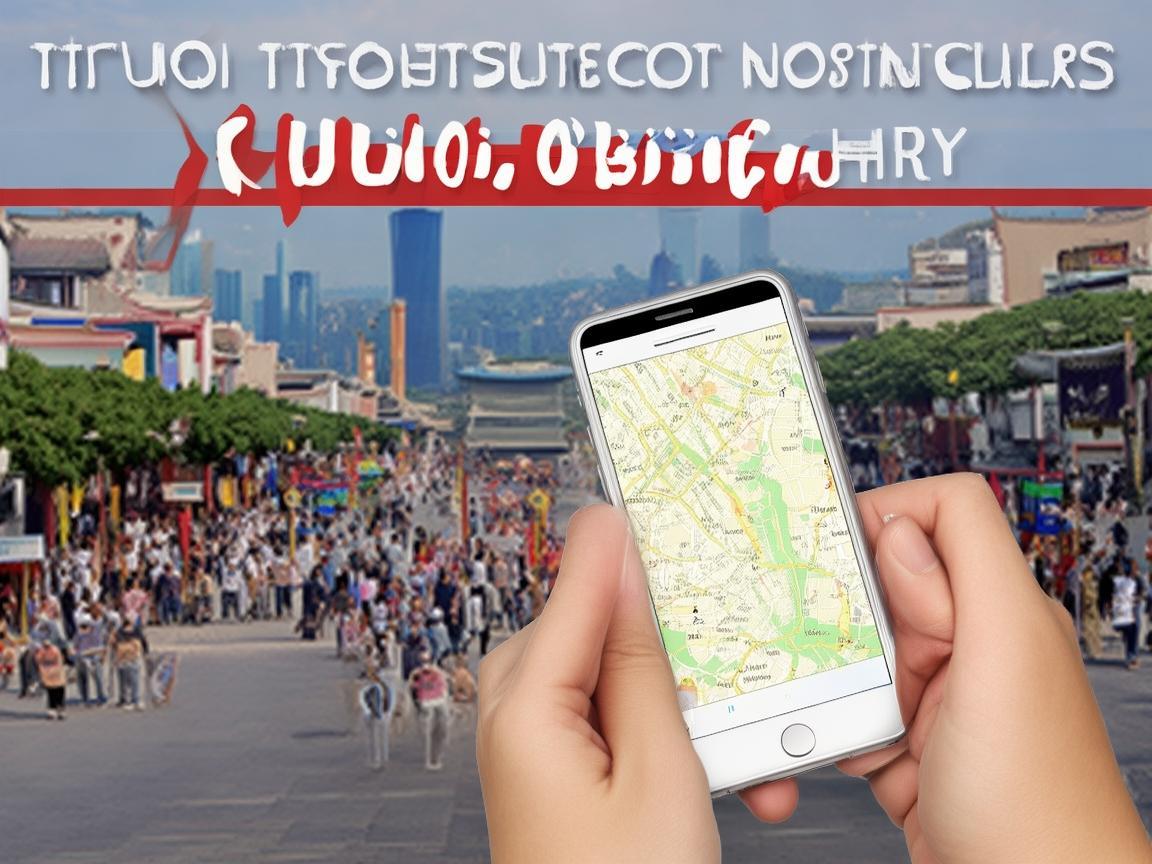
Navigating Xi’an: A Traveler’s Guide to China’s SIM Cards and Modern Travel Systems
Here’s what you’ll need:
- Your passport (they’ll scan it for registration).
- Cash or a Chinese bank card (some counters now accept Alipay/WeChat pay, but cash is safer).
- A bit of patience—the process takes about 10 minutes.
I opted for a 30-day “tourist package” for ¥98 (around $14). It included 20GB of high-speed data (plenty for Google Maps, WeChat, and streaming), unlimited local calls, and 100GB of social media data (WeChat, Douyin, Weibo—essential for staying in touch with locals). The staff at the counter helped me activate the SIM and insert it into my phone, and within minutes, I had signal. Pro tip: If you’re staying longer than a month, China Unicom’s “Global Traveler” plan offers cheaper rates, but for a week or two, China Mobile’s tourist package is a steal.
Step 2: Master China’s Modern Travel System—Subways, Buses, and Apps
With SIM card in hand, the next challenge was figuring out Xi’an’s transportation system. I’d heard stories of confusing subway maps and crowded buses, but thanks to China’s digital infrastructure, getting around was surprisingly smooth. Here’s my breakdown:
Subways: The Backbone of Xi’an Transit
Xi’an’s subway system is modern, clean, and efficient, with lines connecting major attractions like the Terracotta Army, Big Wild Goose Pagoda, and the Muslim Quarter. A single ride costs ¥2–¥8 depending on distance, and you can pay two ways:
- Scan a QR code: Download the “长安通” (Chang’an Tong) app or use WeChat/Alipay’s “乘车码” (bus/subway code) feature. Just search for “西安地铁乘车码” in WeChat Mini Programs, link your payment method, and the gate will open with a scan. No need to buy a physical card!
- Buy a physical card: At subway station ticket machines, you can use cash or Alipay to buy a reusable Chang’an Tong card (¥20 deposit, which you get back when you return the card). Useful if you plan to take buses too, but the QR code is faster for short trips.
I relied on the subway daily. For example, to get from my hotel near the South Gate to the Terracotta Army, I took Line 2 to Line 9—total travel time: 45 minutes, with no traffic stress. Pro tip: Subway stations have English signs and announcements, and maps in the cars show stops in both Chinese and Pinyin.
Buses: For When the Subway Doesn’t Reach
Some smaller attractions, like the Shaanxi History Museum, aren’t on the subway, but buses fill the gap. Xi’an’s bus system is extensive, but it can be intimidating if you don’t speak Chinese. Here’s how I navigated it:
- Use the “车来了” (Che Lai Le) app: This real-time bus tracker shows exactly when your bus will arrive, which route it takes, and the next stop. It’s in English and Chinese—just search for your destination, and the app will list nearby bus stops.
- Pay with Alipay/WeChat: Most buses accept mobile payments. Open the “乘车码” feature (same as the subway) and scan the QR code on the bus fare box. No need for exact change!
- Have a backup: If the app fails, keep small change (¥1 coins) handy. A single bus ride costs ¥1–¥2.
I took Bus 5 to the Shaanxi History Museum one morning. The app told me the bus was 3 minutes away, and I paid ¥1 with my phone. The ride was bumpy but scenic, giving me a glimpse of local life—grandparents carrying groceries, kids heading to school, and street vendors selling steamed buns.
Taxis and Ride-Hailing: For Late Nights or Heavy Bags
Sometimes, you just want to sit back and relax. Taxis in Xi’an are affordable (flagfall ¥3, then ¥2 per kilometer), but drivers may not speak English. To avoid confusion, I used Didi, China’s version of Uber. It’s linked to your WeChat or Alipay account, so no cash needed. Here’s how it works:
- Open the Didi app (download it before you leave—foreign numbers can register).
- Enter your destination in Chinese (ask your hotel to write it down) or use Pinyin.
- Choose the “Comfort” or “Premium” option for English-speaking drivers (available in tourist areas).
- The fare is automatically deducted from your payment method.
I used Didi to get back to my hotel after a late dinner in the Muslim Quarter. The ride cost ¥25, and the driver even gave me recommendations for the best roujiamo (Chinese hamburger) spot—something I’d never have found on my own.
Step 3: Combine SIM Card and Apps—Your Ultimate Travel Toolkit
A SIM card is useless without the right apps. Here are the ones I used daily, all accessible thanks to my China Mobile data plan:
- WeChat: China’s “super app.” I used it to message friends, pay for snacks (vendors often have WeChat QR codes), and even order food (Meituan, a food delivery app, links to WeChat).
- Google Maps: Yes, it works in China! I downloaded offline maps before I left (in case of poor signal) and used it to navigate subway stations and find hidden alleys.
- Trip.com: For booking train tickets. Xi’an has two main train stations: Xi’an North (for high-speed trains to Beijing/Shanghai) and Xi’an Station (for slower trains to nearby cities). I bought a ticket to Luoyang (to see the Longmen Grottoes) on Trip.com—English interface, easy payment via Alipay, and e-tickets sent to my phone.
- Pleco: A lifesaver for food menus. Just point your camera at a Chinese dish, and the app translates it into English. No more guessing if “宫保鸡丁” is spicy!
A Day in My Life: How It All Comes Together
Let me walk you through a typical day to show how these pieces fit together:
- Morning: I woke up, checked WeChat for messages, and used Didi to get to the Terracotta Army. On the way, I listened to a podcast about Xi’an’s history (downloaded offline via Spotify).
- Afternoon: After exploring the terracotta warriors, I took Bus 9 to the Muslim Quarter. Used “车来了” to time my bus ride, then paid for lamb skewers with WeChat.
- Evening: Took the subway back to my hotel, then ordered hotpot on Meituan (delivered in 30 minutes!). Ended the night by planning tomorrow’s trip to the Big Wild Goose Pagoda on Google Maps.
No cash, no language barriers, no getting lost—all thanks to a local SIM card and China’s modern travel system.
Final Tips for a Smooth Trip
- Download apps before you arrive: Some apps (like Didi) require a Chinese phone number to register, but you can set them up once you have your SIM card.
- Keep your passport handy: You’ll need it for SIM registration, hotel check-ins, and train tickets.
- Don’t fear QR codes: From subway gates to restaurant tables, QR codes are everywhere. Embrace them—they make life easier!
- Learn basic Chinese phrases: “谢谢” (xièxiè, thank you) and “你好” (nǐhǎo, hello) go a long way, but most young people speak English in tourist areas.
Xi’an is a city where ancient history meets modern convenience, and having a SIM card and mastering the travel system lets you experience both without stress. By the end of my trip, I wasn’t just a tourist—I was a confident navigator, ready to explore every corner of this amazing city. So if you’re heading to Xi’an, skip the hassle and invest in a local SIM. Trust me, it’s the best ¥98 you’ll spend.
Xi’an Airport Transfer Service
Private English-speaking driver service in Xi’an operated directly by Bruce Zhang. 24/7 airport pickup and hotel transfer for foreign travelers.
Helpful for Your Trip in Xi’an
Surviving and Thriving in Xi’an: A Traveler’s Guide to China’s Internet Carrier
2026-09-10China SIM Verification: A Traveler’s Step-by-Step Guide (From a Xi’an Visitor’s Perspective)
2026-09-08Xi’an Travel Tips: Why China Roaming Data is Non-Negotiable for Foreign Visitors
2026-09-05Traveling Xi’an: A Tourist’s Guide to Navigating China’s SIM Authentication System
2026-09-04Your Ultimate Guide to Network Settings & China SIM Cards for a Seamless Xi’an Trip
2026-08-31Xi’an: Where Ancient History Meets Modern Connectivity – A China Traveler’s Practical Guide
2026-08-30Your Go-To Guide for China SIM Service Centers in Xi’an: Stay Connected Hassle-Free
2026-08-26Surviving Xi’an Without the Slow Lane: A Tourist’s Guide to China SIM Throttling
2026-08-11Xi’an Travel Survival Guide: How a China SIM Card and Call Center Saved My Trip
2026-08-10My Xi’an Survival Guide: Why a China SIM Card is Your Travel Lifeline
2026-08-09