

Traveling Xi’an Like a Local: My Guide to China’s Modern SIM & Travel Systems
Let me start this by saying: I’m not a tech whiz. Before my trip to Xi’an, I was stressed about navigating China’s “modern systems”—heard rumors about strict internet controls, complicated SIM cards, and payment apps that felt like rocket science. But after 10 days walking through the Muslim Quarter, biking on the City Wall, and chasing sunrises at Terracotta Army, I can tell you this: China’s travel infrastructure is designed for visitors, and with a little prep, you’ll feel like a local in no time. Here’s my no-fluff guide to what actually works—no jargon, just practical tips from someone who’s been there.
First Things First: Why a China SIM Card is Non-Negotiable
If you’re coming from abroad, do not rely on your home country’s roaming. I made that mistake on my first trip to China years ago—$50 for 1GB of data, and it died after two hours. This time? I bought a local SIM card at Xi’an Xianyang International Airport (XIY) the second I landed, and it was a game-changer.
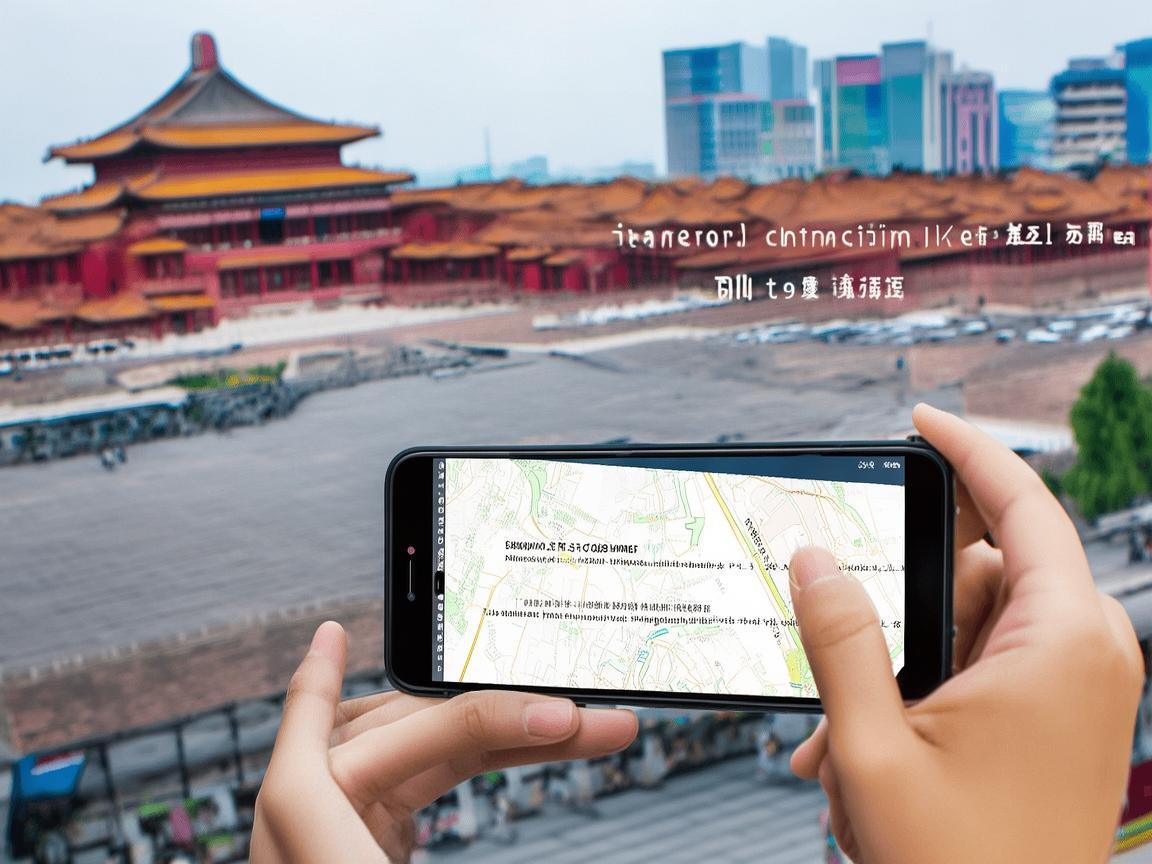
Traveling Xi’an Like a Local: My Guide to China’s Modern SIM & Travel Systems
Why You Need It:
- Internet everywhere: Google Maps? Blocked. Instagram? Blocked. Even WhatsApp can be spotty. A Chinese SIM gives you access to domestic apps (WeChat, Alipay, Baidu Maps) that are essential for daily life.
- Mobile payments: China is cash-light. Most street vendors, metro stations, and even small restaurants accept Alipay or WeChat pay—both require a Chinese phone number to set up.
- No Wi-Fi hassles: While hotels and cafes have Wi-Fi, logging in with foreign numbers is a pain (endless SMS codes, expired passwords). A SIM means constant, reliable data.
How to Choose a SIM Card:
China has three major carriers: China Mobile (most coverage, especially in rural areas), China Unicom (good for cities, faster 5G), and China Telecom (solid in central/western China). For Xi’an, any will work, but I picked China Unicom—their “Tourist Package” was perfect.
What’s in a tourist package? I got:
- 10GB of high-speed data (enough for maps, streaming, and social media for a week).
- Unlimited calls/texts within China (useful for calling your hotel or ride-hailing apps).
- Valid for 30 days (you can extend online if you stay longer).
- Cost: ~¥150 (around $20). Cheaper than roaming, and way more reliable.
Where to Buy It:
- At the airport: As soon as you exit baggage claim, there are China Mobile/Unicom/Telcom counters. Staff speak basic English—just say “Tourist SIM, please,” and they’ll guide you. Bring your passport; you need to register it (Chinese law requires all SIMs to be linked to a real name).
- In the city: If you miss the airport, head to any carrier’s flagship store (e.g., China Unicom on Dong Da Street). They’re everywhere, and the process is the same.
Pro tip: If you’re only staying in big cities (Xi’an, Beijing, Shanghai), consider an eSIM instead. I didn’t use one (my phone doesn’t support it), but friends said it’s easy—buy online before you leave, get a QR code, and activate it in seconds. No physical SIM, no hassle.
China’s Modern Travel Systems: Getting Around Xi’an Like a Boss
Xi’an is an ancient city, but its transport system is surprisingly modern. Trains, metros, buses—even bike-sharing—all run like clockwork. Here’s how to use them without breaking a sweat.
High-Speed Rail: The “Subway of the Sky”
Xi’an is a hub for China’s bullet train network (CRH—China Railway High-speed). I took it to Luoyang (for the Longmen Grottoes) and back, and it was faster, cheaper, and more comfortable than flying.
How to use it:
- App: Download the “China Railway” app (called “铁路12306” in Chinese). It has an English version—look for the globe icon in the top corner.
- Booking: You can buy tickets up to 30 days in advance. Just enter your passport number, pick your train (look for “G” or “D” prefixes—G is faster), and pay with Alipay/WeChat.
- At the station: Print your ticket at the self-service machines (they have English options) or use the QR code in the app to scan directly into the station. No need to stand in long lines!
Xi’an’s main stations:
- Xi’an North Railway Station: For most bullet trains (to Beijing, Shanghai, Chengdu, etc.). It’s huge—follow the signs for “G/D Trains” to find the right entrance.
- Xi’an Railway Station: For slower trains to nearby cities (like Baoji).
My experience: The train to Luoyang took 1.5 hours, seats were spacious, and there were power outlets and free Wi-Fi (yes, on the train!). Cost: ~¥165 ($23) for a second-class seat. Cheaper than a plane, and way more convenient.
Metro: The Easiest Way to Explore Xi’an
Xi’an’s metro system is clean, efficient, and covers all major tourist spots: Terracotta Army, Big Wild Goose Pagoda, Muslim Quarter, and the city center. Best part? No traffic jams—unlike taxis, which get stuck during rush hour (7-9 AM, 5-7 PM).
How to use it:
- Payment: You can buy a physical metro card at any station (¥20 deposit + however much you want to add), but why bother? Use Alipay or WeChat Pay—they have a “Metro Code” feature.
- Open Alipay → Tap “Transportation” → Select “Metro” → Scan the QR code at the gate. It automatically deducts the fare (¥2-6 per ride, depending on distance).
- Same with WeChat: Go to “Me” → “Services” → “Transportation” → “Metro.”
- Hours: 6 AM to 11 PM daily. Trains run every 5-10 minutes.
- Key lines for tourists:
- Line 2: Runs north-south, stops at North Railway Station, Bell Tower, South Railway Station, and Big Wild Goose Pagoda.
- Line 3: Connects to Terracotta Army (Line 3, “Huaqing Pool” station) and Muslim Quarter (“Bell Tower” station).
Pro tip: If you’re taking multiple metro rides a day, buy a “Day Pass” (available on Alipay/WeChat). For ¥15, you can ride as much as you want in one day—saved me ¥10 on my second day!
Buses: For When the Metro Doesn’t Quite Reach
Buses in Xi’an are cheap (¥1-2) and cover areas the metro doesn’t, like the City Wall or some smaller temples. But they can be confusing if you don’t speak Chinese—bus stops are in Chinese, and announcements are in Mandarin.
How to use them:
- App: Use Baidu Maps (it’s the Google Maps of China). Enter your destination, select “Bus,” and it’ll tell you which bus to take, where to get on/off, and how long it’ll take.
- Payment: Same as metro—scan Alipay/WeChat QR code on the bus (there’s a scanner near the driver). No need for exact change!
My experience: I took bus 5 from Bell Tower to the City Wall entrance. Baidu Maps told me exactly which stop to get off (“Chengmen” station), and the ride cost ¥1. Saved me a 20-minute walk!
Ride-Hailing: Didi, the “Chinese Uber”
If you’re tired of public transport or carrying luggage, Didi is your best friend. It’s like Uber—cheaper than taxis, and drivers are rated.
How to use it:
- App: Download “Didi Chuxing” (it has English). Sign up with your phone number (you’ll need a Chinese SIM to verify it).
- Booking: Enter your pickup/drop-off locations (Baidu Maps integrates with Didi, so you can paste addresses from there). Choose “Express” (cheaper) or “Premium” (more comfortable).
- Payment: Link your Alipay or WeChat Pay—no cash needed.
Cost: A 10-minute ride from the city center to Terracotta Army cost ~¥30 ($4). Cheaper than a taxi, and no haggling!
Bike-Sharing: Exploring Like a Local
Xi’an is a bike-friendly city—wide streets, bike lanes, and flat terrain (mostly). I rented a bike for a day to ride on the City Wall, and it was one of my favorite memories.
How to use it:
- Apps: Meituan or Hellobike are the most popular. Sign up with your phone number, and you’ll see a map of nearby bikes.
- Cost: ¥1-2 per 30 minutes, plus a deposit (usually ¥199, refunded when you return the bike).
- Where to ride: The City Wall is the best—rent a bike at the South Gate entrance, and ride all the way around (13.7 km!). It takes 1.5-2 hours, and you’ll get stunning views of the city.
Pro tip: Return bikes in designated parking zones (the app will show you where). If you park in the wrong spot, you’ll get fined!
The “Modern System” That Ties It All Together: Mobile Payments
I can’t talk about China’s travel systems without mentioning Alipay and WeChat Pay. These two apps are everywhere—you’ll use them for food, transport, tickets, even buying a bottle of water from a street vendor.
How to Set Them Up:
- Alipay: Download the app, sign up with your phone number, and link your bank card (international cards like Visa/Mastercard work most of the time). For added security, you’ll need to verify your identity—upload a photo of your passport, and they’ll approve it in 1-2 days.
- WeChat Pay: Open WeChat → Go to “Me” → “Wallet” → “Payment Settings” → “Add Bank Card.” Same process—link your card, verify your identity.
When to Use Them:
- Food: At restaurants, scan the QR code on the table (Alipay/WeChat Pay codes are everywhere). No need to call the waiter!
- Shopping: In malls or small shops, just show the QR code—they’ll scan it with their phone.
- Tickets: For attractions (Terracotta Army, Big Wild Goose Pagoda), buy tickets on Alipay/WeChat—you’ll get a QR code to scan at the entrance. No waiting in lines!
My mistake: I didn’t link my international card at first, and I ran out of money on my Alipay wallet. Luckily, my hotel let me use WeChat Pay to transfer cash to them (they sent me a “red envelope”—a common way to send money in China). But to avoid stress, link your card before you arrive.
Final Tips: What I Wish I Knew Before
- Download apps early: Get Baidu Maps, Alipay, WeChat, and Didi on your phone before you land. Trying to download them in China (with a foreign SIM) can be slow.
- Keep cash handy: While mobile payments are king, some small vendors (like street food stalls in the Muslim Quarter) might only take cash. Carry ¥200-300 in small bills (¥10, ¥20) just in case.
- Learn a few phrases: “Xièxiè” (thank you), “Duōshao qián?” (how much?), and “Nǐ hǎo” (hello) go a long way. Most young people in Xi’an speak basic English, but older vendors will appreciate the effort.
- Don’t fear the “Great Firewall”: Yes, Google/Instagram/WhatsApp are blocked, but China’s apps work just as well. I used Baidu Maps for navigation, WeChat to chat with friends, and Alipay for payments—never felt disconnected.
Wrapping Up
Xi’an is a city where ancient history meets modern convenience. Terracotta Army feels 2,000 years old, but getting there via bullet train, paying for tickets with your phone, and navigating with GPS makes it feel like a different world. My biggest takeaway? China’s “modern travel systems” aren’t complicated—they’re designed to make your life easier. With a local SIM card and a few apps, you’ll spend less time stressing and more time eating roujiamo (Chinese hamburgers), biking on the City Wall, and marveling at the past.
So go ahead—book that ticket. Xi’an (and all of China) is waiting, and it’s way more accessible than you think. Safe travels! 🚄📱🍜
Xi’an Airport Transfer Service
Private English-speaking driver service in Xi’an operated directly by Bruce Zhang. 24/7 airport pickup and hotel transfer for foreign travelers.
Helpful for Your Trip in Xi’an
Surviving and Thriving in Xi’an: A Traveler’s Guide to China’s Internet Carrier
2026-09-10China SIM Verification: A Traveler’s Step-by-Step Guide (From a Xi’an Visitor’s Perspective)
2026-09-08Xi’an Travel Tips: Why China Roaming Data is Non-Negotiable for Foreign Visitors
2026-09-05Traveling Xi’an: A Tourist’s Guide to Navigating China’s SIM Authentication System
2026-09-04Your Ultimate Guide to Network Settings & China SIM Cards for a Seamless Xi’an Trip
2026-08-31Xi’an: Where Ancient History Meets Modern Connectivity – A China Traveler’s Practical Guide
2026-08-30Your Go-To Guide for China SIM Service Centers in Xi’an: Stay Connected Hassle-Free
2026-08-26Surviving Xi’an Without the Slow Lane: A Tourist’s Guide to China SIM Throttling
2026-08-11Xi’an Travel Survival Guide: How a China SIM Card and Call Center Saved My Trip
2026-08-10My Xi’an Survival Guide: Why a China SIM Card is Your Travel Lifeline
2026-08-09