

Xi’an Travel Guide: Navigating China’s SIM & Infrastructure Like a Local
Landing in Xi’an for the first time, I was buzzing with excitement to explore the Terracotta Army, Muslim Quarter, and ancient city walls—but also a little nervous. I’d heard stories about China’s strict internet rules and confusing transport systems, and as a traveler who relies heavily on Google Maps and data, I wasn’t sure how to stay connected and get around smoothly. After a week of trial and error (and a few minor mishaps), I’ve cracked the code on China’s SIM cards and travel infrastructure. Here’s your no-fuss guide to navigating Xi’an like a pro.
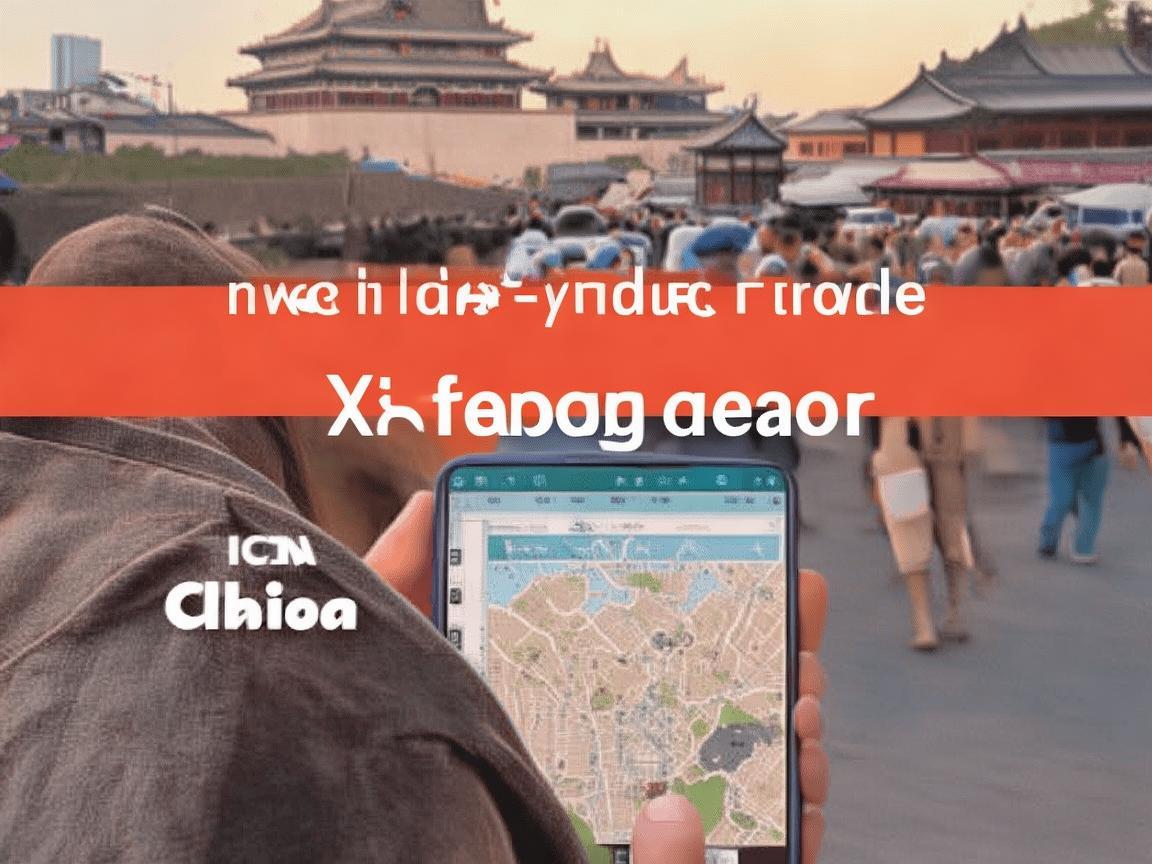
Xi’an Travel Guide: Navigating China’s SIM & Infrastructure Like a Local
Part 1: The SIM Card Lifeline—Stay Connected Without the Headache
First things first: you cannot use your home country’s SIM card in China. China’s Great Firewall blocks Google, WhatsApp, Instagram, and even Google Maps, so a local SIM isn’t just a “nice-to-have”—it’s essential for navigating, translating, and staying in touch.
Where to Buy a SIM Card
Skip the airport kiosks (they’re overpriced); head to a China Mobile, China Unicom, or China Telecom store in the city instead. I bought mine at a China Mobile shop near the Bell Tower (easy to find—just look for the red logo). Staff speak basic English, and the process takes 10 minutes max.
Which Carrier to Choose?
- China Mobile: Best for coverage, especially in rural areas or tourist spots like the Terracotta Army.
- China Unicom: Slightly cheaper, with good city coverage.
- China Telecom: Great for fast 5G, but fewer physical stores.
I went with China Mobile, and it worked perfectly everywhere in Xi’an—even in the subway tunnels!
Best Plans for Tourists
Ask for a “tourist package” (游客套餐). Most carriers offer:
- 30-Day Unlimited Data Plan: ~¥100-150 ($15-$22). Includes 10-30GB of high-speed data, then slows to 128kbps (still enough for WeChat and maps).
- Extra Perks: Some plans include free domestic calls or access to WeChat/Alipay “visitor modes” (more on that later!).
Pro Tip: Bring your passport! You’ll need to register your SIM card with your real name (it’s the law). The shop staff will help you fill out a simple form—no stress.
Part 2: Xi’an’s Transport Infrastructure—Get Around Like a Local
Xi’an’s transport system is clean, efficient, and tourist-friendly. Here’s how to use each mode without getting lost:
Subway: The Backbone of Xi’an
The subway is my top pick for getting around—it’s fast, cheap, and avoids traffic jams. Xi’an has 6 lines, covering major attractions:
- Line 2: Runs north-south, stopping at the Bell Tower, South Railway Station (for high-speed trains to Beijing/Shanghai), and the Small Wild Goose Pagoda.
- Line 3: Connects the North Railway Station to the Qujiang New District (near the Tang Paradise).
- Line 4: Gets you to the Terracotta Army (Xi’an North Railway Station Station) and the High-tech Zone.
How to Pay:
- Scan a QR Code: Open Alipay or WeChat, go to “Transport” (交通), and select “Xi’an Subway.” The app will generate a QR code—just scan it at the gate.
- Buy a Physical Card: At subway stations, look for “长安通” (Chang’an Tong) machines. You can pay with cash or card to get a reusable card (¥20 deposit + however much you want to load). It works on buses and subways!
Cost: ¥2-8 per ride, depending on distance.
Buses: Cheap but Crowded
Buses fill gaps where the subway doesn’t reach (like some neighborhoods or the Muslim Quarter). They’re ¥1-2 per ride—just drop coins or scan your Chang’an Tong card.
Pro Tip: Use the “车来了” (Che Lai Le) app (available in English via WeChat Mini Programs) to track bus arrivals in real time. It saved me from waiting in the rain more than once!
Taxis & Ride-Hailing: Convenient but Watch for Scams
- Taxis: Easy to spot—they’re yellow. Always insist the driver uses the meter (打表). If they refuse, hail another one. Short trips within the city center (e.g., Bell Tower to Muslim Quarter) cost ~¥15-20.
- Ride-Hailing: Didi (China’s Uber) is your best friend. Download the app (link your Alipay/WeChat to pay), and you can book a car in English. Prices are similar to taxis, but drivers are rated—safer and more reliable.
Warning: Some taxi drivers at the airport or train station may overcharge. Have your destination written in Chinese (e.g., “兵马俑” for Terracotta Army) to avoid confusion.
Bikes & E-Bikes: Explore the City Walls Like a Local
Xi’an is flat and bike-friendly! Rent a shared bike (Meituan or Hello Bike) via WeChat/Alipay—scan the QR code, unlock, and pay per minute.
Must-Do: Rent an e-bike and cycle the Ancient City Wall. It’s ¥45 for a bike deposit (refundable) + ¥45 for 100 minutes. The views of the city are breathtaking, and you’ll pass through gates and watchtowers straight out of a history book.
Part 3: Payment & Daily Life—No Cash Needed!
China is a cashless society. You’ll need Alipay or WeChat pay for almost everything: food, souvenirs, even street snacks. Here’s how to set them up as a tourist:
Alipay/WeChat Pay for Tourists
- Download the Apps: Alipay (支付宝) or WeChat (微信).
- Link a Foreign Bank Card: Go to “My” > “Payment Methods” > “Add Bank Card.” Enter your card details (Visa/Mastercard work most of the time).
- Enable “Visitor Mode”: For WeChat, go to “Me” > “Settings” > “WeChat Pay” > “Visitor Services.” For Alipay, look for “Travel Card” in the “City Services” section. This lets you use the app without a Chinese bank account!
Where to Use Them:
- Restaurants: Even small street stalls accept QR code payments.
- Attractions: Scan to buy tickets (no more waiting in line!).
- Convenience Stores: 7-Eleven, FamilyMart—everything is digital.
Pro Tip: Carry a little cash (¥100-200) just in case—some tiny rural shops or night markets might not accept cards, but this is rare in Xi’an.
Part 4: Key Infrastructure Tips for Tourists
- Public Toilets: Clean and free in malls and subway stations. Look for “WC” signs (or a pictogram of a person). Public toilets near tourist spots cost ¥1-2—bring small change.
- Wi-Fi: Most hotels, cafes, and malls have free Wi-Fi, but you’ll need a Chinese phone number to verify (so your SIM card is still useful!).
- Language: Download Pleco (a Chinese dictionary app) for translating menus or signs. Many tourist areas have English signs, but smaller neighborhoods don’t—so a little Mandarin goes a long way.
- Emergency Numbers: 110 (police), 120 (ambulance), 119 (fire). Your hotel can help call if needed.
Final Thoughts: You’ve Got This!
Xi’an is a city where ancient history meets modern convenience. Once you’ve sorted your SIM card and learned to use the subway/Didi, everything else falls into place. Don’t stress about the language or the “Great Firewall”—with a local SIM and a few apps, you’ll feel connected and confident in no time.
My biggest takeaway? China’s infrastructure is designed to work for you—just embrace the QR codes, trust the subway, and don’t be afraid to ask for help (locals are friendly!). Now go eat that roujiamo (Chinese hamburger), ride the city wall, and soak in the magic of Xi’an—you’ve got this!
Xi’an Airport Transfer Service
Private English-speaking driver service in Xi’an operated directly by Bruce Zhang. 24/7 airport pickup and hotel transfer for foreign travelers.
Helpful for Your Trip in Xi’an
Surviving and Thriving in Xi’an: A Traveler’s Guide to China’s Internet Carrier
2026-09-10China SIM Verification: A Traveler’s Step-by-Step Guide (From a Xi’an Visitor’s Perspective)
2026-09-08Xi’an Travel Tips: Why China Roaming Data is Non-Negotiable for Foreign Visitors
2026-09-05Traveling Xi’an: A Tourist’s Guide to Navigating China’s SIM Authentication System
2026-09-04Your Ultimate Guide to Network Settings & China SIM Cards for a Seamless Xi’an Trip
2026-08-31Xi’an: Where Ancient History Meets Modern Connectivity – A China Traveler’s Practical Guide
2026-08-30Your Go-To Guide for China SIM Service Centers in Xi’an: Stay Connected Hassle-Free
2026-08-26Surviving Xi’an Without the Slow Lane: A Tourist’s Guide to China SIM Throttling
2026-08-11Xi’an Travel Survival Guide: How a China SIM Card and Call Center Saved My Trip
2026-08-10My Xi’an Survival Guide: Why a China SIM Card is Your Travel Lifeline
2026-08-09