

Xi’an Travel Tips: How a China SIM Postpaid Plan Saved My Trip
Landing in Xi’an at 6 a.m. after a 14-hour flight, I was exhausted but buzzing with excitement. I’d spent months planning this trip—the Terracotta Army, the Muslim Quarter’s street food, cycling on the ancient city walls—but within an hour of arriving, my excitement hit a wall: no internet. My international roaming was useless (Google wouldn’t load, WhatsApp wouldn’t send), and the free airport WiFi kept dropping. I stood there, clutching my passport, feeling completely lost. That’s when a friendly airport staff member pointed me to the China Mobile counter. “Get a postpaid plan,” she said with a smile. “It’s easy, and you’ll have internet everywhere.” Best decision I made the entire trip. Here’s why, and exactly how to do it.
First: Why a Postpaid Plan Over Prepaid?
Before I landed, I’d assumed prepaid SIM cards were the way to go—like back home, where you just grab a SIM at the airport and pop it in. But in China, it’s not that simple. Prepaid plans for tourists require a Chinese ID (which I didn’t have), and even if you find a vendor that sells to foreigners, the process is clunky: you need to fill out forms in Chinese, link your passport to a real-name system, and often top up with a minimum balance that’s hard to use up.
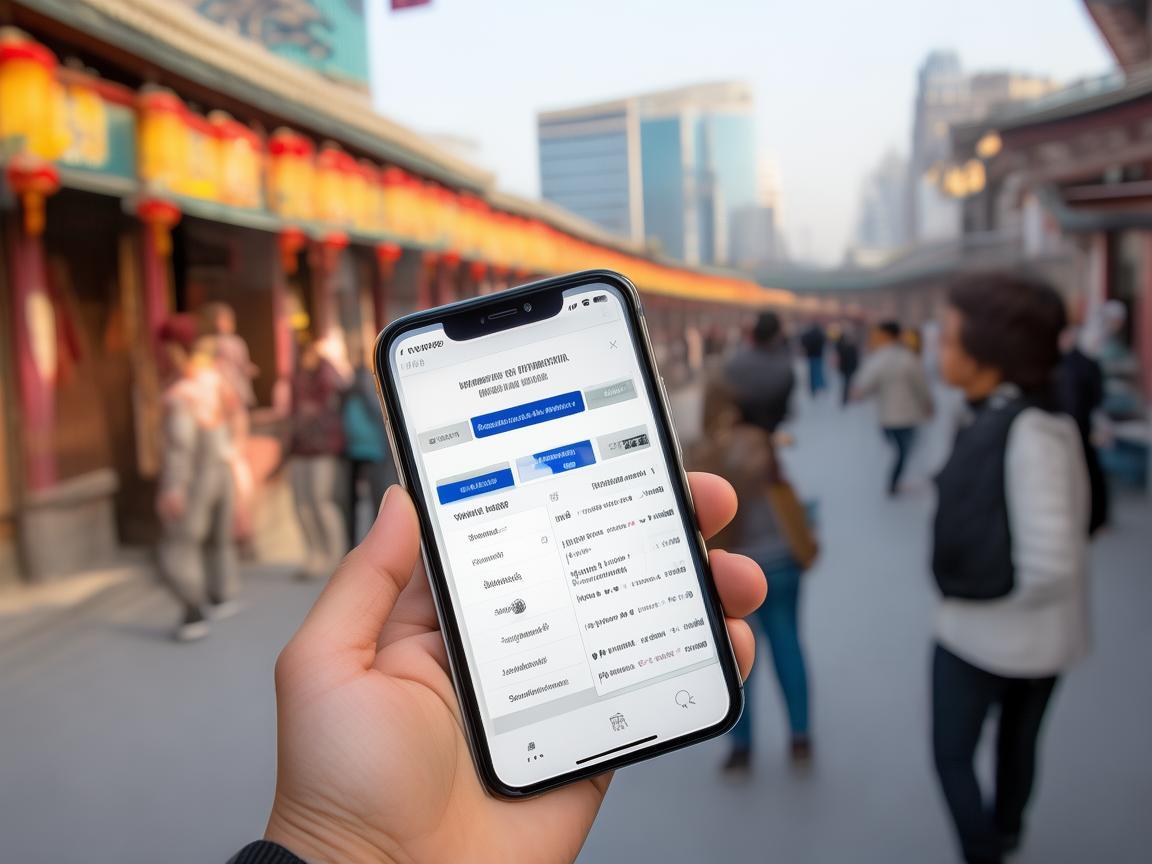
Xi’an Travel Tips: How a China SIM Postpaid Plan Saved My Trip
A postpaid plan, on the other hand, is designed for short-term visitors. You don’t need a Chinese ID, and the vendor handles all the paperwork for you. You pay at the end of your trip (or monthly, if you stay longer), so no worrying about running out of data mid-day. Plus, most tourist-friendly postpaid plans include unlimited high-speed data (crucial for maps and apps), free domestic calls, and even access to Google, WhatsApp, and Instagram—things prepaid plans often block.
How to Get a China SIM Postpaid Plan in Xi’an: Step-by-Step
I went to the China Mobile counter in Xi’an Xianyang International Airport’s Terminal 3 (there are also counters for China Unicom and China Telecom, but China Mobile has the best coverage in Xi’an, especially in rural areas like the Terracotta Army site). Here’s exactly what happened:
What You’ll Need (Bring These!)
- Your passport (they’ll scan it)
- Your visa (if you have one; tourists on visa-free entry, like many Southeast Asian countries, are fine too)
- A Chinese phone number (if you have one from a previous trip—optional, but helpful)
- Cash or a credit card (for the deposit; I paid ¥500, which I got back when I canceled the plan)
Choose Your Plan
The agent showed me three tourist-friendly postpaid plans. I picked the “Global Travel Plan” because it was perfect for 10 days:
- ¥100/month (or pro-rated for shorter stays; I paid ~¥33 for 10 days)
- 40GB high-speed data (enough for Google Maps, WeChat, TikTok, and even video calls)
- Unlimited domestic calls (I used it to call my hotel to confirm pick-up)
- Free access to Google, WhatsApp, Instagram, and Facebook (a lifesaver—no VPN needed!)
- Coverage across all of China (so I could use it in Xi’an and later in Beijing)
Other options included a cheaper plan with 20GB data (¥50/month) or a pricier one with 100GB (¥200/month). For most tourists, the 40GB plan is sweet—plenty for streaming, navigating, and sharing photos.
Sign Up (It Takes 15 Minutes)
The agent did all the work:
- She scanned my passport and visa into their system.
- I filled out a simple form in English (name, passport number, length of stay).
- She took a photo of me (smile!) for the registration.
- I paid the ¥500 deposit (refundable when I cancel) and the ¥33 for 10 days of service.
- She handed me a nano-SIM (my phone uses a nano-SIM; they have micro and standard too) and helped me install it.
That’s it. No waiting, no hassle. I turned on my phone, and bam—Google Maps loaded instantly. I searched “best dumplings near me,” and within 5 minutes, I was at a tiny shop eating jianbing (savory crepes) while watching the owner flip dough like a pro.
Why This Plan Made My Xi’an Trip Seamless
Over the next 10 days, that SIM card was my everything. Here’s how it saved me (and will save you) from travel headaches:
Navigation: No More Getting Lost in the Muslim Quarter
Xi’an’s old city is a maze of narrow alleyways, and while charming, it’s easy to wander into a dead end. With Google Maps, I could track my location in real time, even when the alleyways had no street signs. When I wanted to find the Great Mosque (hidden inside the Muslim Quarter), I just typed it into Google Maps, and it guided me through the crowds of spice stalls and kebab shops. Without the SIM, I’d have been stuck asking for directions (and most vendors don’t speak English).
Payments: WeChat pay and支付宝 (Alipay) Are Everywhere
In Xi’an, almost everyone uses WeChat Pay or Alipay—even street vendors selling roasted chestnuts or bubble tea. My international credit card was useless at most small shops, but with my SIM card, I could link my WeChat Pay to a foreign card (it’s easy: open WeChat, go to “Payments,” select “Wallet,” and follow the prompts to add a foreign card). I bought roujiamo (Chinese hamburgers) from a street vendor, paid for a bike rental to ride the city walls, and even bought entrance tickets to the Terracotta Army—all with a quick scan of a QR code. No cash needed, no conversion fees.
Communication: Calling and Messaging Without WiFi
I was traveling with a friend, and we kept splitting up to explore different parts of the city. With the SIM card, we could text each other on WhatsApp (free with data) or make calls if we got separated. One day, I got lost in the Shaanxi History Museum (it’s huge!), and I just called my friend—no wandering around for 20 minutes trying to find her. I also used the SIM to call my hotel when my taxi driver got lost (yes, it happens in Xi’an too!), and the front desk spoke English and guided him over.
Entertainment: Sharing Your Trip in Real Time
I love posting on Instagram and sending photos to my family, but with no WiFi, that’s impossible. With the SIM card, I could upload stories of the Terracotta Army, send videos of the Tang Dynasty dinner show, and even video call my parents from my hotel room. The 40GB data was more than enough—I only used about 15GB in 10 days, and I was streaming music and watching YouTube videos in the evenings.
Emergencies: Peace of Mind When Things Go Wrong
I had a minor scare one day: I left my phone charging at a café and realized 10 minutes later I’d left my wallet there too. Panicked, I used a borrowed phone to call the café (thanks to the SIM card’s domestic calls), and they’d saved my wallet for me. If I’d lost my passport, I could have called the police (110) or my embassy immediately—no relying on sketchy public WiFi.
A Few Tips to Make the Most of Your SIM Card
- Cancel Before You Leave: I went back to the China Mobile counter at the airport 2 hours before my flight, showed them my passport, and got my ¥500 deposit back. It took 5 minutes. If you don’t cancel, they’ll charge you for the next month, so don’t forget!
- Download Offline Maps Just in Case: Even with great coverage, there were a few spots (like the underground tunnels near the Bell Tower) where the signal dropped. I’d downloaded Google Maps’ “Offline Maps” for Xi’an beforehand, so I could still navigate.
- Bring a Portable Charger: With all the data usage, your phone battery will die fast. I carried a small power bank everywhere—especially when cycling the city walls (no charging stations up there!).
Final Thoughts: Don’t Travel to Xi’an Without It
Before this trip, I’d never bothered with a local SIM card—just used WiFi wherever I could. But in Xi’an, where everything from paying for dumplings to navigating the streets relies on the internet, a postpaid plan is a game-changer. It’s cheap, easy to get, and gives you freedom to explore without stress.
So if you’re heading to Xi’an, skip the hassle of prepaid cards and roaming. Head to the China Mobile counter at the airport, grab a postpaid plan, and get ready to fall in love with this city—one perfectly navigated, cash-free, Instagram-worthy moment at a time. Trust me, it’s worth it.
Xi’an Airport Transfer Service
Private English-speaking driver service in Xi’an operated directly by Bruce Zhang. 24/7 airport pickup and hotel transfer for foreign travelers.
Helpful for Your Trip in Xi’an
Surviving and Thriving in Xi’an: A Traveler’s Guide to China’s Internet Carrier
2026-09-10China SIM Verification: A Traveler’s Step-by-Step Guide (From a Xi’an Visitor’s Perspective)
2026-09-08Xi’an Travel Tips: Why China Roaming Data is Non-Negotiable for Foreign Visitors
2026-09-05Traveling Xi’an: A Tourist’s Guide to Navigating China’s SIM Authentication System
2026-09-04Your Ultimate Guide to Network Settings & China SIM Cards for a Seamless Xi’an Trip
2026-08-31Xi’an: Where Ancient History Meets Modern Connectivity – A China Traveler’s Practical Guide
2026-08-30Your Go-To Guide for China SIM Service Centers in Xi’an: Stay Connected Hassle-Free
2026-08-26Surviving Xi’an Without the Slow Lane: A Tourist’s Guide to China SIM Throttling
2026-08-11Xi’an Travel Survival Guide: How a China SIM Card and Call Center Saved My Trip
2026-08-10My Xi’an Survival Guide: Why a China SIM Card is Your Travel Lifeline
2026-08-09