

Xi’an Travel Tips: Staying Connected with a China SIM for Seamless Global Connectivity
Let me start by saying this: Xi’an is a city that pulls you in—ancient city walls whispering stories of dynasties, the Terracotta Army staring into eternity, Muslim Street’s sizzle of lamb skewers and spices. But as a first-time visitor from the U.S., I’ll admit, I was nervous about one thing: staying connected. Back home, I’m glued to my phone for maps, translations, rideshares, and last-minute bookings, and I’d heard horror stories of travelers getting stuck with unreliable Wi-Fi or sky-high international roaming fees. So, before my trip, I did my homework and decided to get a China SIM card—and it was the best decision I made. Here’s why, and exactly how to do it, so you can travel Xi’an (and beyond) without a hitch.
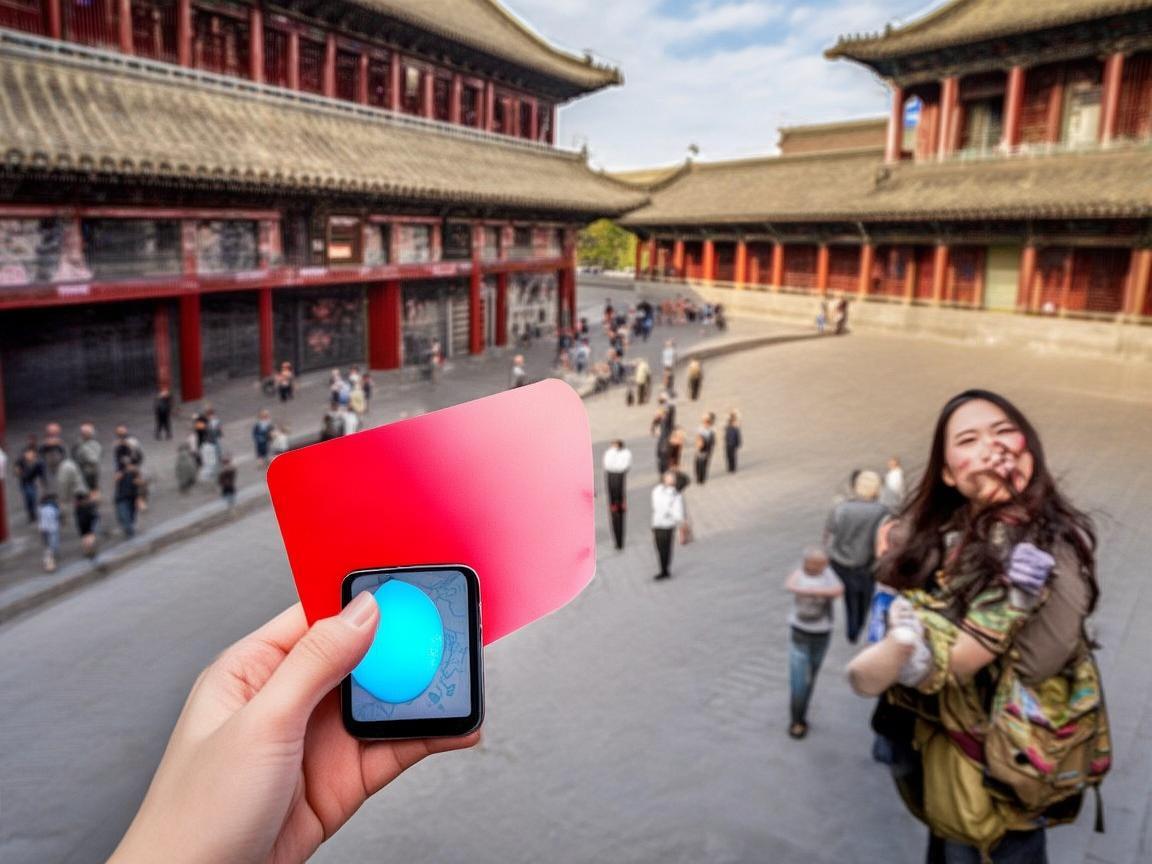
Xi’an Travel Tips: Staying Connected with a China SIM for Seamless Global Connectivity
Why a China SIM Card? The Real-World Problem It Solves
Before I left, I asked friends, “Can’t I just use Wi-Fi everywhere?” The short answer: no. Not really. Xi’an is modern, sure—hotels, malls, and tourist spots have Wi-Fi—but it’s inconsistent. At the Terracotta Army, for example, the Wi-Fi was spotty, and I needed Google Maps to find the less crowded pits. At Muslim Street, the vendors don’t have “free Wi-Fi” signs, and I needed to translate “How much is this?” quickly. Plus, relying on public Wi-Fi for things like mobile payments (we’ll get to that) is a no-go—you often need a Chinese phone number to set up Alipay or WeChat Pay, which are essential for small purchases.
International roaming? My carrier wanted $10/day for just 1GB of data. For a 10-day trip? That’s $100 I’d rather spend on dumplings. A local SIM card, I learned, costs a fraction of that and works everywhere—from downtown’s high-rises to the rural outskirts near the Huaqing Hot Springs.
How to Get a China SIM Card: Your Step-by-Step Guide
I landed at Xi’an Xianyang International Airport (XIY) and, within 30 minutes, had a working SIM. Here’s exactly how:
Step 1: Choose Your Carrier (China Mobile, China Unicom, or China Telecom)
There are three major carriers, and for travelers, China Mobile is your best bet. It has the widest coverage across China, especially in rural areas and tourist sites like the Terracotta Army or Mount Huashan (if you’re extending your trip). China Unicom is good for cities, and China Telecom is solid but less common in smaller towns. I went with China Mobile and never had a signal issue.
Step 2: Buy It at the Airport (Easiest Option)
As soon as you exit baggage claim, you’ll see counters for each carrier—look for signs saying “SIM Card” or “Mobile Services.” They all have English-speaking staff, which is a lifesaver. You’ll need:
- Your passport (they’ll scan it for registration—this is mandatory in China).
- A phone that’s unlocked (most modern phones are, but double-check with your carrier before leaving home).
At the China Mobile counter, I told the staff I was a tourist visiting for 10 days, and they recommended the “Tourist SIM Package.” It cost ¥99 (about $14) and included:
- 10GB of high-speed 4G data (plenty for maps, social media, and video calls).
- Unlimited calls within China (not that you’ll need many, but handy for calling your hotel).
- 100 international text messages (to let family back home know you landed safely).
- Valid for 30 days (so if you stay longer, you can top up online).
They popped the SIM into my phone, activated it on the spot, and even helped me set up mobile data. Done.
Alternative: Buy It Downtown (If You Skip the Airport Counter)
If you miss the airport counters or want more options, head to a China Mobile store in the city. There’s one near the Bell Tower (a major landmark) and another in the Muslim Street area. The process is the same—passport, unlock phone, pick a package—but you might have to wait a bit longer (airport counters are faster for tourists).
Pro Tip: eSIM for Convenience (If Your Phone Supports It)
I didn’t use this, but I wish I had! Many newer iPhones (iPhone XS and later) and Google Pixels support eSIM, which lets you activate a plan without a physical SIM. You can buy an eSIM plan online before your trip from providers like Airalo or Holafly. I checked Airalo, and their “China Travel eSIM” was $19 for 10GB—similar to the airport SIM, but no need to queue. Just scan a QR code, and you’re connected. Note: Make sure your phone is unlocked and supports eSIM for China carriers.
Why This “Global Connectivity” Matters in Xi’an: Real-Life Examples
Okay, so you have a SIM. Now, how does it actually make your trip better? Let me walk you through a typical day in Xi’an—this is where the magic happens.
Morning: Navigating the Terracotta Army Without Panic
My first stop was the Terracotta Army. I’d heard it’s huge, and I was worried about getting lost. With my China SIM, I opened Google Maps (yes, it works—no VPN needed!) and downloaded the offline map just in case. When I got there, I used the map to find the entrance for “Pit 1” (the main one) and avoided the long ticket lines by booking online via the “Trip.com” app (which worked flawlessly with mobile data). Inside, I used WeChat (a Chinese social app) to scan QR codes for audio guides—way cheaper than the rental ones. Without SIM, I’d have been wandering around, clueless, and overpaying for guides.
Afternoon: Eating Like a Local at Muslim Street
Muslim Street (Huimin Jie) is a foodie paradise, but most vendors don’t speak English, and menus are in Chinese. With my SIM, I opened a translation app (like iTranslate) and pointed my phone at dishes to see what they were. When I wanted to buy a roujiamo (Chinese hamburger), I showed the vendor a photo from my saved “must-eat” list (downloaded earlier), and they nodded and handed me one. I paid with Alipay—China’s version of PayPal—by scanning a QR code. To set up Alipay, I needed a Chinese phone number (which my SIM provided), and linking my international credit card took 2 minutes. No cash, no language barrier, just delicious food.
Evening: Getting Home Safely After Dark
One night, I stayed late at the Big Wild Goose Pagoda, a beautiful lit-up area, but the metro had stopped running. I opened the “Didi” app (China’s Uber) and booked a ride back to my hotel. The driver picked me up in 5 minutes, and I paid via the app—no haggling, no worrying about unlicensed taxis. Without SIM, I’d have been stuck trying to find a late-night taxi or a sketchy bus.
Troubleshooting: What If Something Goes Wrong?
It’s rare, but I did hit one small snag: on Day 3, I got a text saying I’d used 8GB of my 10GB data, and speeds slowed to 3G (still usable for maps, but not for video). Here’s how to fix it:
- Top up online: China Mobile has an app (in English) where you can buy more data. I added 5GB for ¥30 (about $4), and it renewed in 10 minutes.
- Ask for help: If you’re tech-averse, any China Mobile store can help. I stopped by one near my hotel, and the staff spoke English and topped up my card in 2 minutes.
Final Thoughts: A Small Investment for a Stress-Free Trip
By the end of my 10-day trip, I’d used maybe 12GB of data, made a few calls to my hotel, and sent 50+ texts. Total cost? ¥129 ($18) for the SIM + ¥30 ($4) for extra data. That’s less than one day of international roaming, and it saved me hours of stress.
Xi’an is a city of contrasts—ancient and modern, chaotic and calm. The last thing you want is to be disconnected, fumbling with maps or unable to pay for a bus ticket. A China SIM card is your key to unlocking the city: it lets you navigate, communicate, and explore like a local, not a tourist.
So, before you go, skip the international roaming. Grab a China SIM—whether at the airport, downtown, or via eSIM. Trust me, it’s the smartest prep you’ll make, and it’ll let you focus on what really matters: eating those dumplings, marveling at the Terracotta Army, and soaking in Xi’an’s magic. Happy travels!
Xi’an Airport Transfer Service
Private English-speaking driver service in Xi’an operated directly by Bruce Zhang. 24/7 airport pickup and hotel transfer for foreign travelers.
Helpful for Your Trip in Xi’an
Your Ultimate China SIM App Guide: Navigating Xi’an Like a Local
2026-07-27China SIM: My Lifeline for Seamless Travel in Xi’an
2026-07-27Xi’an Travel Guide: Staying Connected with China SIM for a Hassle-Free Trip
2026-07-27Navigating Xi’an: A Traveler’s SIM Card Troubleshooting Guide
2026-07-27Xi’an Travel Tips: Staying Connected with China SIM & Offline Maps
2026-07-27Why a China 5G SIM Made My Xi’an Trip Effortless (and How to Get One)
2026-07-27Your Essential Guide to Getting a SIM Card in Xi’an: A Traveler’s Handbook
2026-07-27Xi’an Hotspot Access: A Traveler’s No-Nonsense Guide to China’s Ancient Capital
2026-07-27Xi’an Travel Tips: My Hassle-Free China SIM Activation Experience
2026-07-26Your Xi’an SIM Card Survival Guide: Skip the Roaming Rip-offs with China SIM Kiosks
2026-07-26