

Xi’an Travel: Navigating Ancient Monuments – A Practical Guide for Tourists
Hey there! If you’re planning a trip to Xi’an, you’re in for a treat—this city is like an open-air museum, where every corner whispers stories from China’s past. But as I learned during my week here, visiting ancient monuments isn’t just about snapping photos; it’s about navigating them smoothly, especially when it comes to accessibility. Whether you’re traveling with family, have mobility needs, or just want to avoid tourist traps, this guide breaks down the practicalities of accessing Xi’an’s top attractions. Let’s dive in!
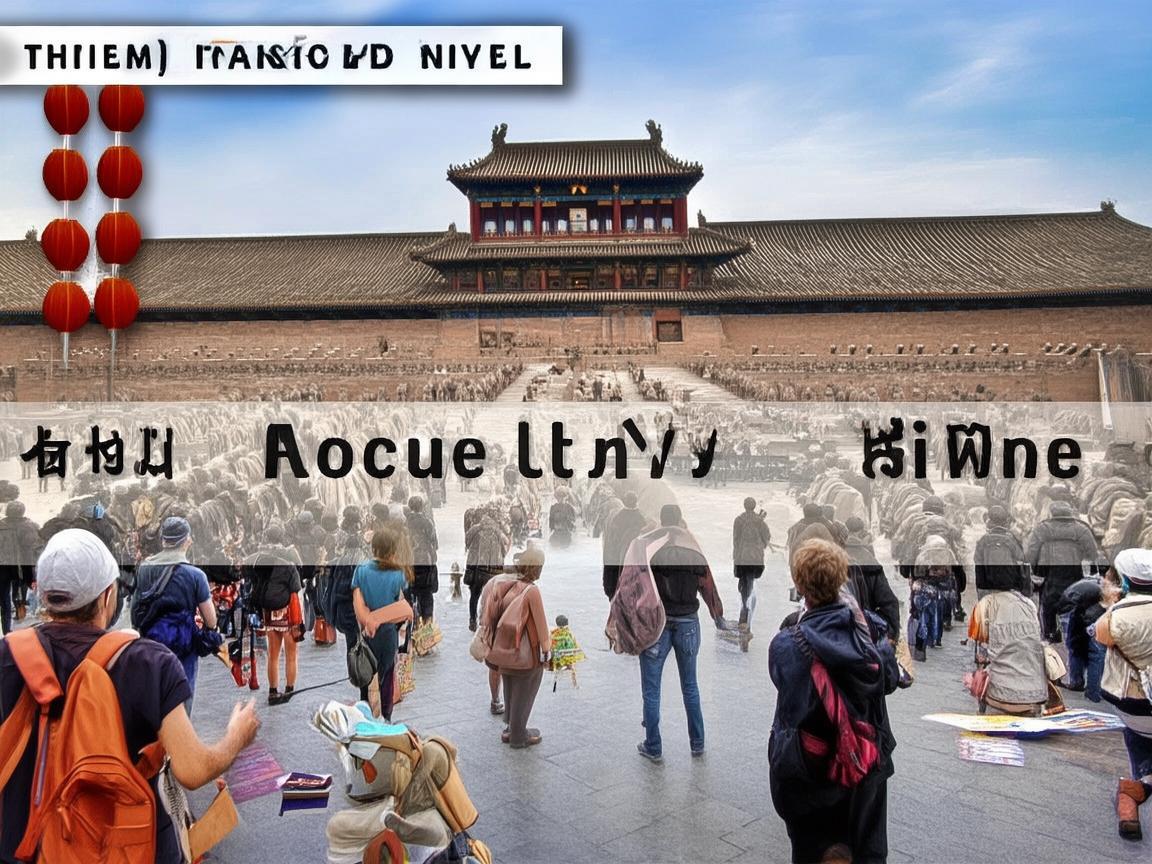
Xi’an Travel: Navigating Ancient Monuments – A Practical Guide for Tourists
First Stop: Terracotta Army – The "Eighth Wonder of the World"
No trip to Xi’an is complete without seeing the Terracotta Army. These 2,000-year-old clay soldiers, buried with China’s first emperor, Qin Shi Huang, are awe-inspiring—but getting there and getting around requires a little planning.
Location & Getting There:
The Terracotta Army Museum is about 40 km east of downtown Xi’an. The easiest way? Take Metro Line 9 to "Huaqing Pool" Station (华清池), then hop on Bus 602 or a taxi (15–20 minutes, ~¥30). Pro tip: Avoid the "tourist buses" at the train station—they’re overpriced and slow. Metro is cheaper and more reliable.
Tickets & Access:
Buy tickets online (WeChat Mini Program "陕西历史博物馆" or official site) to skip the long lines. A through ticket (including the pits, chariot exhibition, and Qin Shi Huang’s mausoleum) costs ¥150. Now, accessibility: The museum has paved paths, but the terrain is uneven—wear comfortable shoes! For mobility aids, electric carts are available for rent (¥50) at the entrance, and staff can help if you need assistance. The main pits have viewing platforms with stairs, but there are ramps for wheelchairs on the sides. Note: Some areas (like the chariot pit) have steep steps, so check with staff if you need an alternative route.
Best Time to Visit:
Go early (opens at 8:30 AM) to beat the crowds. I arrived at 9 AM, and it was still manageable—by 11 AM, tour groups swarmed the pits.
Next Up: Big Wild Goose Pagoda (Dayan Ta) – A Buddhist Landmark
Downtown Xi’an, this 7th-century pagoda is a symbol of the city. Built to house Buddhist sutras brought back from India, it’s shorter than the Small Wild Goose Pagoda but offers great city views.
Location & Getting There:
Super easy to reach! Metro Line 3 or 4 to "Dayan Ta" Station (大雁塔), Exit A. It’s right in the Big Wild Goose Pagoda Scenic Area, which also includes a beautiful park and the Music Fountain (free evening shows at 9 PM and 9:30 PM in summer).
Tickets & Access:
Entering the pagoda costs ¥50. Here’s the catch: there are no elevators—332 stone stairs wind to the top. If you have mobility issues, skip climbing and enjoy the park and temple grounds instead (free). The surrounding area is flat and wheelchair-friendly, with plenty of benches to rest. The Music Fountain area is also accessible, with paved paths and designated viewing spots for wheelchairs.
Pro Tip: Visit in the evening when the pagoda is lit up—it’s stunning, and the crowds are thinner than during the day.
Xi’an City Wall – Ride, Walk, or Bike Around Ancient Defenses
The Ming Dynasty City Wall is one of the best-preserved ancient walls in China. It’s 14 km long and encircles the old city. My favorite way to experience it? Biking!
Location & Getting There:
Several gates enter the wall; the most popular is South Gate (Yongning Men, 永宁门). Metro Line 2 to "South Gate" Station (南门), Exit C. From there, it’s a 5-minute walk to the entrance.
Tickets & Access:
A bike rental ticket (includes 1.5 hours) costs ¥45, while walking is ¥54 (you can exit at any gate). The wall is wide and flat, perfect for bikes or strollers—no major steps, though some sections have slight slopes. Wheelchairs are manageable, but note that the ramp at South Gate is a bit steep; staff can help if needed.
Fun Fact: Bike early in the morning (7–9 AM) to avoid crowds and catch the sunrise over the city. If you’re with kids, the "wall walk" is a great way to burn energy—just keep an eye on them near the edge!
Forest of Stone Steles Museum – Where History is Carved in Rock
If you love art and history, this museum is a hidden gem. It houses over 3,000 stone tablets with inscriptions from the Han to Qing dynasties, including the famous "Classic of Filial Piety."
Location & Getting There:
Downtown, near the Bell Tower. Metro Line 4 to "Dachashi" Station (大差市), Exit B, then a 10-minute walk. Or take Bus 6, 15, or 32 to "Forest of Stone Steles" Station.
Tickets & Access:
Tickets are ¥75, but it’s worth it for the quiet, uncrowded vibe. The museum has indoor and outdoor sections—indoor halls have stairs, but there are ramps, and staff can provide wheelchairs (call ahead to reserve). The outdoor garden is flat and easy to navigate, with shaded paths to rest.
Tip: Hire a guide (¥100–150) or rent an audio guide (¥20) to understand the inscriptions—most are in Chinese, but the stories behind them are fascinating!
Small Wild Goose Pagoda (Xiao Yan Ta) – A Quirky Alternative
Tucked in a quiet neighborhood, this pagoda is smaller than Big Wild Goose Pagoda but has more character. The surrounding "South Gate Small Wild Goose Pagoda" cultural block is great for photos and local snacks.
Location & Getting There:
Metro Line 2 to "Small Wild Goose Pagoda" Station (小雁塔), Exit A. It’s a 2-minute walk from the station.
Tickets & Access:
Entry to the pagoda area is free (as of 2023); climbing the pagoda costs ¥20 (15 floors, narrow stairs). The grounds are flat and accessible, with a lovely lake and traditional architecture. The cultural block nearby has cobblestone streets, so wear sturdy shoes if you plan to explore.
General Accessibility Tips for Xi’an
Xi’an is improving its accessibility, but it’s still a developing city. Here’s what I learned to make the trip smoother:
-
Transport: Metro is your best bet—it’s clean, cheap, and most stations have elevators. Taxis are affordable, but use Didi (China’s Uber) to avoid overcharging. Buses are crowded, so skip them if you have luggage or mobility needs.
-
Language: Most tourist sites have English signs, but staff may not speak English. Download a translation app (like iFlyTranslate) and learn basic phrases: "Nǐ hǎo" (hello), "Xièxie" (thank you), "Zhè duōshao qián?" (How much is this?).
-
Mobility Aids: If you need a wheelchair or electric scooter, some sites (like the Terracotta Army) offer rentals, but it’s best to bring your own or contact hotels in advance—many partner with disability services.
-
Crowds: Avoid national holidays (especially Chinese New Year and Golden Week in October). Weekdays are quieter, and mornings (8–10 AM) are best for popular sites.
-
Food & Rest: Most monuments have snack stalls, but prices are high. Pack water and snacks (you can refill bottles at filtered water stations in parks). Restrooms are available, but bring toilet paper—some don’t supply it.
Final Thoughts
Xi’an’s monuments aren’t just "attractions"—they’re living history. With a little planning, you can explore them comfortably, whether you’re climbing a pagoda, biking a wall, or marveling at terracotta warriors. The key is to prioritize accessibility: book tickets in advance, wear comfortable shoes, and don’t hesitate to ask for help.
As I sat on the City Wall at sunset, watching the city lights flicker on, I realized that Xi’an’s magic isn’t just in its monuments—it’s in the way they connect us to the past. And with these tips, you’ll be able to connect with them, too. Safe travels!
Xi’an Airport Transfer Service
Private English-speaking driver service in Xi’an operated directly by Bruce Zhang. 24/7 airport pickup and hotel transfer for foreign travelers.
Helpful for Your Trip in Xi’an
What I Only Figured Out After 3 Trips
2026-08-23Is the Forest of Stone Steles Actually Worth Visiting in Xi'an?
2026-08-182026 Travel Season: How to Visit Xi'an in Summer Without the Crowds
2026-08-16Xi’an Travel Diary: How Reservation Confirmations Saved My Trip
2026-08-14Navigating Xi’an’s Tour Access System: A First-Time Visitor’s Practical Guide
2026-08-13Xi’an Unlocked: How a Travel Management System Made My Trip Seamless
2026-08-13Xi’an Travel: Navigating Ancient Monuments – A Practical Guide for Tourists
2026-08-13Xi’an Travel Guide: Why a Cash Ticket Saved My Trip
2026-08-12Xi’an Travel Tips: Navigating Entry Approvals Like a Local
2026-08-12Unlocking Xi’an: How an App Entry Platform Saved My Trip from Long Queues and Lost Maps
2026-08-09