

Xi’an Unlocked: How a Travel Management System Made My Trip Seamless
I’ll admit it—I’m a chronic overplanner. When I booked my 5-day trip to Xi’an, I had spreadsheets for meals, color-coded maps for attractions, and a folder of PDFs for train schedules. But by Day 2, I was already overwhelmed: juggling entrance tickets for the Terracotta Warriors, figuring out which bus to take to the Big Wild Goose Pagoda, and realizing I’d booked a hotel 30 minutes from the Muslim Quarter. That’s when I leaned on a travel management system (TMS) a friend recommended, and it turned my chaotic trip into a smooth, unforgettable adventure. If you’re heading to Xi’an, here’s how a TMS can save you time, stress, and maybe even a few blisters.
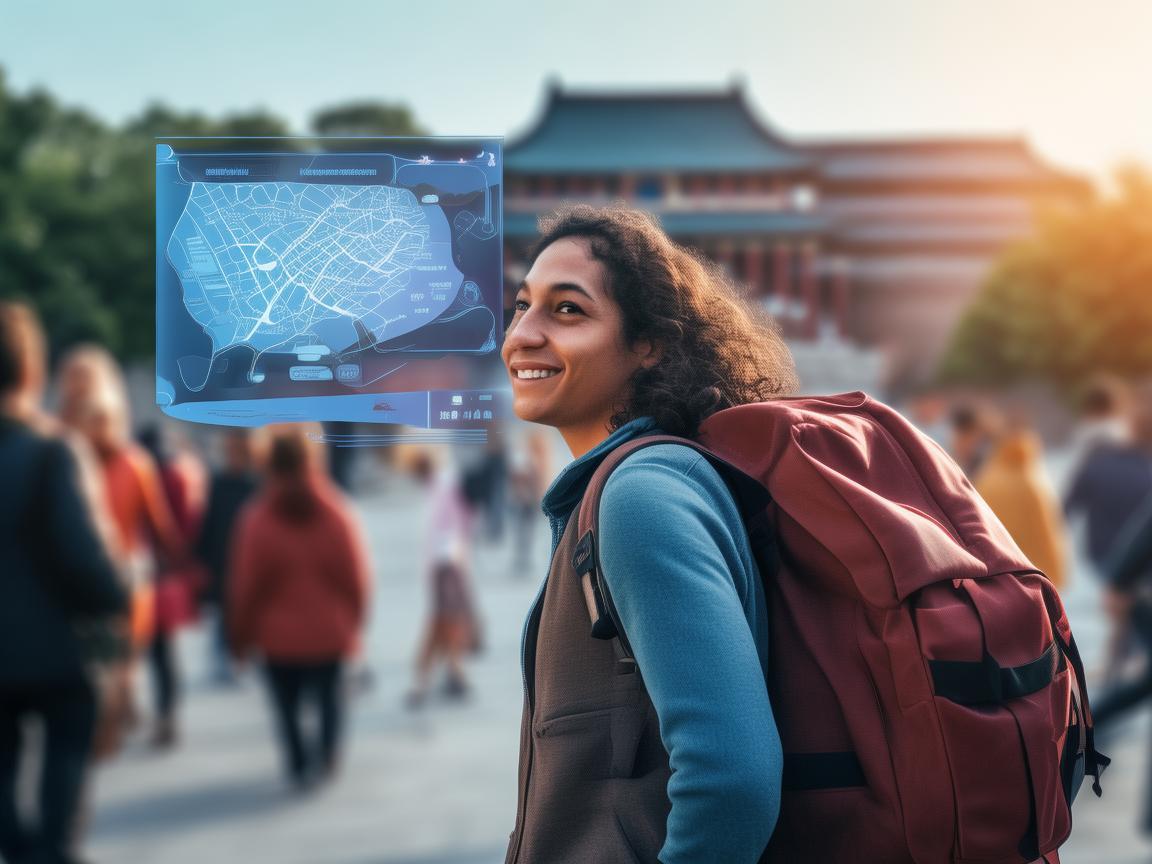
Xi’an Unlocked: How a Travel Management System Made My Trip Seamless
First Stop: Planning Without the Panic
Before the TMS, my “plan” was a mess of scribbled notes and half-booked tickets. The TMS changed that by acting as a one-stop hub for everything. I started by inputting my travel dates and interests—history, food, and hidden gems—and it generated a rough itinerary. But the real magic was the customization: I could drag and drop attractions, adjust for opening hours, and even set a “pace” (I chose “relaxed” since I hate rushing).
For example, the TMS flagged that the Terracotta Warriors Museum opens at 8:30 AM and gets crowded by 10. It suggested I go first on Day 1, then paired it with the nearby Qin Shi Huang Mausoleum (a short bus ride away) to avoid backtracking. It also reminded me to book tickets in advance—something I’d forgotten—and linked directly to the official site, so I skipped the third-party fees.
Accommodation was easier too. I told the TMS I wanted to stay near the city center, close to the Muslim Quarter and subway lines. It filtered options by price, rating, and distance from my planned stops, and I even compared “walk scores” to see how far I’d be from breakfast spots. I ended up booking a boutique hotel in the Bell Tower neighborhood—quiet but steps away from street food. Pro tip: The TMS let me save my booking details and even set a reminder to check in 24 hours early.
Navigating Xi’an: No More Getting Lost (or Stuck)
Xi’an is huge, and its public transport can be intimidating if you don’t speak Mandarin. The TMS’s navigation feature was a lifesaver. It integrated real-time data from the metro, buses, and even ride-hailing apps (Didi, the Chinese Uber), so I never had to guess when the next train was coming.
One morning, I wanted to try the famous roujiamo (Chinese hamburger) at a spot recommended by the TMS in the Beilin District. Instead of hailing a random taxi, I used the app’s “Get Directions” feature, which showed me the exact metro line (Line 2), transfer point, and even the exit gate closest to the stall. When I got there, it was already 11 AM—peak time—but the TMS had warned me, so I arrived 15 minutes early and skipped the line.
For longer trips, like the day I went to the Huaqing Palace (the hot springs where Xi’an Incident happened), the TMS suggested a combo ticket with the Terracotta Warriors and a shuttle bus. It calculated the total cost (cheaper than buying separate tickets) and even showed me the shuttle schedule, so I didn’t waste time waiting. No more frantically Googling “how to get to Huaqing Palace at 7 AM!”
Food & Fun: Eating Like a Local (Without the Guesswork)
Xi’an is a foodie paradise, but knowing where to eat (and what to order) can be tricky. The TMS had a “Food & Experiences” tab with user-reviewed spots, including hidden gems I’d never found on TripAdvisor. It even let me filter by dietary needs—I’m vegetarian, so it highlighted places with vegetarian roujiamo and doujiang you tiao (fried dough sticks) made without meat broth.
My favorite feature? The “Wait Time Predictor.” For popular spots like the Muslim Quarter’s night market, the TMS showed real-time wait times for stalls. When I saw that a yangrou Paomo (bread soaked in lamb soup) place had a 20-minute queue, I used the extra time to grab a bingfeng (ice cream pancake) from a nearby vendor instead of standing around.
The TMS also helped me book a dumpling making class—something I’d wanted to do but didn’t know how to arrange. It listed local cooking schools, compared prices, and even let me message the instructor directly through the app to ask about ingredients. No more awkward phone calls with broken Mandarin!
When Things Go Wrong: The TMS as Your Safety Net
Travel never goes 100% as planned, and the TMS saved me more than once. On Day 3, I woke up to a thunderstorm—bad news, since I’d planned to cycle on the Ancient City Wall. The TMS sent an instant alert: “Rain expected until 1 PM. Suggested alternative: Shaanxi History Museum (indoor, 10-minute walk from your hotel).” It even adjusted my itinerary for the rest of the day, moving the wall bike ride to the next morning and suggesting a covered tea house for lunch.
Another time, I accidentally left my phone charger at the hotel. Panicked, I opened the TMS, and there was a “Local Services” tab with a list of nearby convenience stores and even a “lost item” feature that let me message my hotel directly. Within an hour, the staff had my charger, and the TMS gave me directions to pick it up on my way to dinner.
Budgeting Without the Headaches
I’m not rich, so sticking to a budget is key. The TMS had a built-in expense tracker where I could log every purchase—from metro tickets to biangbiang noodles. It even categorized spending (food, transport, attractions) and sent alerts when I was close to my daily limit.
One day, I splurged on a fancy dinner near the Big Wild Goose Pagoda. The next morning, the TMS suggested a cheaper breakfast spot near my hotel, saying, “Save 50 RMB today by trying this local porridge place—highly rated!” It also reminded me that some attractions (like the City Wall) offer combo tickets if you visit multiple sites, helping me save 30 RMB overall.
Final Thoughts: Why a TMS is a Xi’an Must-Have
By the end of my trip, I hadn’t just seen Xi’an—I’d experienced it. I spent less time stressing and more time savoring suanla tang (hot and sour soup) or watching the sunset from the City Wall. The TMS didn’t just plan my trip; it adapted to it, turning hiccups into highlights.
If you’re heading to Xi’an, skip the spreadsheets and the guesswork. A good travel management system (I used a combo of TripIt and a local app called “Xi’an Travel Buddy”) will handle the logistics so you can focus on what matters: getting lost in the Muslim Quarter, marveling at the Terracotta Warriors, and eating until you can’t move. Trust me—your future self will thank you.
Xi’an Airport Transfer Service
Private English-speaking driver service in Xi’an operated directly by Bruce Zhang. 24/7 airport pickup and hotel transfer for foreign travelers.
Helpful for Your Trip in Xi’an
What I Only Figured Out After 3 Trips
2026-08-23Is the Forest of Stone Steles Actually Worth Visiting in Xi'an?
2026-08-182026 Travel Season: How to Visit Xi'an in Summer Without the Crowds
2026-08-16Xi’an Travel Diary: How Reservation Confirmations Saved My Trip
2026-08-14Navigating Xi’an’s Tour Access System: A First-Time Visitor’s Practical Guide
2026-08-13Xi’an Unlocked: How a Travel Management System Made My Trip Seamless
2026-08-13Xi’an Travel: Navigating Ancient Monuments – A Practical Guide for Tourists
2026-08-13Xi’an Travel Guide: Why a Cash Ticket Saved My Trip
2026-08-12Xi’an Travel Tips: Navigating Entry Approvals Like a Local
2026-08-12Unlocking Xi’an: How an App Entry Platform Saved My Trip from Long Queues and Lost Maps
2026-08-09