

Mastercard in Xi’an: A Traveler’s Honest Guide to Using Cards in China
Before my trip to Xi’an, I’ll admit I was nervous. I’d heard China was a “cashless society” where everyone pays with their phones, but I rely mostly on my Mastercard for travel. Would it even work? Could I survive a week in an ancient city without being able to swipe or insert? Spoiler: I did, but not without a few surprises—and some solid lessons. If you’re heading to Xi’an with a Mastercard, here’s what you really need to know, straight from a traveler who’s been there.
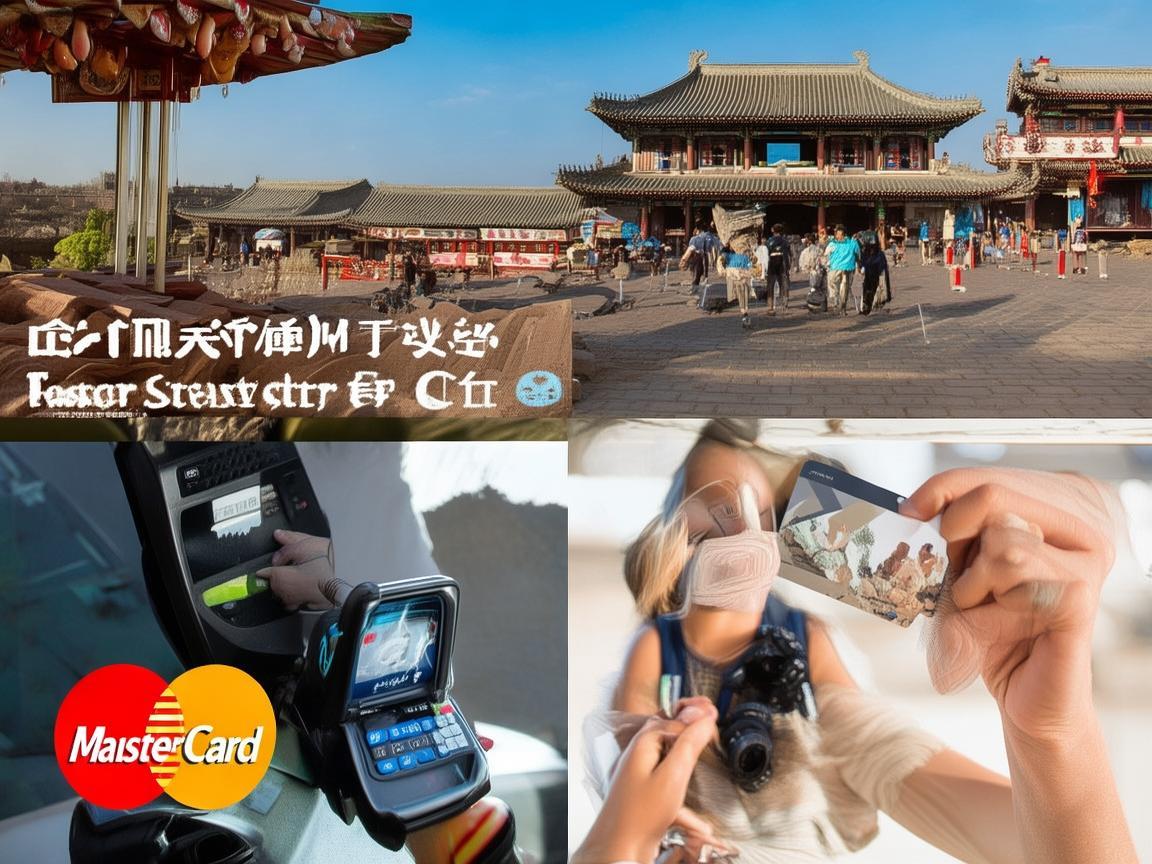
Mastercard in Xi’an: A Traveler’s Honest Guide to Using Cards in China
First Stop: The Airport—Will My Mastercard Work?
Landing at Xi’an Xianyang International Airport (XIY), my first test was grabbing a bottle of water and a SIM card. The convenience store at the arrivals hall? Mastercard accepted without a hitch. The SIM card counter, though? Only cash or Alipay/WeChat pay. I’d read online that some smaller vendors prefer local payment methods, but I figured, “It’s the airport—surely they take cards.” Wrong. I had to dash to an ATM (more on that later) to pull out yuan.
Pro tip: Exchange a small amount of cash at the airport—like 500–1000 RMB—just for immediate needs. ATMs are available, but lines can be long, and you don’t want to stress after a long flight.
Hotels: Mastercard Is Your Friend (Mostly)
I stayed at a mid-range hotel near the Bell Tower, a popular area for tourists. Checking in? Mastercard worked flawlessly for the deposit and nightly rate. The front desk staff even asked if I wanted to pay with a card instead of cash, which was a relief.
But when I booked a smaller, boutique hotel later in the trip (in the Muslim Quarter), they only accepted cash or Alipay. The owner apologized, explaining, “Our bank charges too much for international card transactions.” So, if you’re planning to stay at local, family-run places, always confirm payment methods in advance. For bigger chains (like Marriott, Hilton, or local equivalents), Mastercard is usually no problem.
Eating Out: Where Mastercard Doesn’t Rule
Xi’an is a food lover’s paradise—biangbiang noodles, roujiamo (Chinese hamburgers), and tanghulu (candied hawthorns) are must-tries. But here’s the reality: most small, local eateries, street stalls, and even mid-sized restaurants only take cash or mobile payments.
I learned this the hard way at a tiny noodle shop recommended by a local. The menu had pictures (thank goodness), but when I tried to hand over my Mastercard, the owner just shook his head and pointed to a QR code. “WeChat or Alipay,” he said, smiling. I fumbled with my phone—luckily, I’d already set up Alipay (more on that later)—and scanned the code. Transaction done in 2 seconds.
The exception? Upscale restaurants in big malls or tourist areas (like the South Street area or the food courts in places like Galaxy Mall). I had no trouble using my Mastercard at a fancy dumpling place there, but even then, the server asked, “Do you have WeChat? It’s faster.”
Moral of the story: For casual eats, carry cash. Small bills (10s, 20s, 50s) are best—street vendors often can’t break 100 RMB notes.
Tourist Sites: Mastercard Works for Tickets (Sometimes)
Xi’s top attractions—Terracotta Army, Big Wild Goose Pagoda, City Walls—are run by large organizations, so I assumed Mastercard would be fine. And mostly, it was. At the Terracotta Army ticket office, I swiped my Mastercard without issues. Same for the City Walls entrance.
But when I tried to buy tickets for a smaller site (the Shaanxi History Museum, which requires advance booking), the online ticketing system only accepted Chinese bank cards or Alipay/WeChat. I had to ask my hotel concierge to book it for me—and he charged me cash for the tickets. Lesson learned: For popular sites, book tickets through your hotel or a travel agency if you can’t use Chinese payment apps.
Also, note that some attractions have on-site cafes or souvenir shops where Mastercard might be rejected. I had to pay cash for a postcard at the Terracotta Army gift shop—keep small bills handy!
Getting Around: Taxis, Metro, and Ride-Hailing
Xi’an’s public transport is efficient, but paying with Mastercard? Mixed results.
Taxis: Most taxis take cash, but a few drivers (especially those at the airport or big hotels) have card machines. I once got lucky and paid with Mastercard, but the next driver just waved my card away. “Cash only,” he said. Always have yuan for taxis—fares are cheap (usually 10–30 RMB within the city), so it’s not a big deal to carry cash.
Metro: The metro is cashless—you must use a card or mobile payment. I downloaded the “Xi’an Metro” app and linked it to my Alipay account, which let me scan a QR code to enter. Super easy, but no Mastercard option here.
Ride-hailing (Didi): China’s version of Uber, Didi, is everywhere. You can pay with Mastercard, but only if you link it to your international credit card before your trip. I tried to add mine on the spot and ran into issues because my phone’s region settings were for the U.S. Pro tip: Set up Didi and link your Mastercard a few days before arriving, or just use Alipay/WeChat (which are more reliable for local rides).
The Big Question: ATMs and Cash
If Mastercard isn’t accepted everywhere, how do you get cash? ATMs are your lifeline. I used Bank of China and ICBC (Industrial and Commercial Bank of China) ATMs—they’re the most reliable for international cards. My Mastercard worked fine, but note: withdrawals are limited (usually 2,000–3,000 RMB per transaction), and your bank back home will charge a foreign transaction fee (mine was 3%).
Important: Notify your bank before you travel! I forgot once, and my card was temporarily blocked when I tried to withdraw cash. A quick call to my bank fixed it, but it was stressful at the time.
Also, avoid ATMs in super remote areas or tiny shops—stick to bank branches or big malls for safety.
Mobile Payments: The Real Game-Changer
Here’s the thing: China’s mobile payment ecosystem (Alipay and WeChat Pay) is everywhere. Even if your Mastercard works in some places, you’ll save yourself a lot of hassle by setting up at least one of these apps.
How to set them up:
- Alipay: Download the app, sign up with your email/phone number, and link your Mastercard. You can use it to scan QR codes at stores, restaurants, and even for metro rides.
- WeChat Pay: Similar to Alipay, but integrated into WeChat (China’s super-app). You can link your Mastercard here too.
I used Alipay mostly because it’s more foreigner-friendly. At first, it felt weird—scanning a code to pay for a 15 R bowl of noodles—but after a day, it became second nature. Plus, many vendors prefer it because it’s instant (no waiting for card approvals).
One catch: Some apps require a Chinese bank account for full functionality, but linking your Mastercard lets you do basic payments. Just make sure you have internet access (buy a local SIM card or use a travel eSIM—China’s WhatsApp/Telegram are blocked, but data works fine).
Mastercard Acceptance: The Verdict
So, can you use Mastercard in Xi’an? Yes—but not everywhere. Here’s my breakdown:
✅ Works well: Big hotels, upscale restaurants, malls, tourist sites (ticket offices), airports, some taxis.
❌ Rarely works: Small street stalls, local eateries, tiny shops, rural areas, some smaller hotels.
The key is to have a mix: Mastercard for big expenses, mobile payments (Alipay/WeChat) for daily stuff, and cash for emergencies.
My Top Tips for Mastercard Users in Xi’an
- Notify your bank: Avoid blocked cards by telling them your travel dates.
- Carry cash: 1,000–2,000 RMB in small bills (10s, 20s, 50s) for street food, taxis, and small vendors.
- Set up Alipay/WeChat: Even if you only use it for small payments, it’ll save you when Mastercard is rejected.
- Download offline maps: Google Maps doesn’t work well in China—use Baidu Maps or Amap instead (download them before you arrive).
- Keep backup cards: If you have a Visa or another Mastercard, bring one as a backup.
Final Thoughts
Xi’an is an incredible city—ancient history, amazing food, and friendly people. Don’t let payment worries ruin your trip. Mastercard will get you by in many places, but embracing China’s cashless culture (and carrying a little cash) will make your life so much easier. By the end of my week, I was paying for noodles with Alipay like a pro—and even missing the convenience of scanning a code!
So, pack your Mastercard, download those apps, and get ready to explore. Xi’an is worth every hassle—and every bowl of biangbiang noodles.
Xi’an Airport Transfer Service
Private English-speaking driver service in Xi’an operated directly by Bruce Zhang. 24/7 airport pickup and hotel transfer for foreign travelers.
Helpful for Your Trip in Xi’an
Xi’an Travel Tips: Why Cash Still Matters (and Where to Use It!)
2026-08-26Macau Payment Guide for Foreign Travelers: From Cash to Apps
2026-08-19Xi’an Travel: A Tourist’s Guide to Scenic Area Payments & Tips
2026-08-13Navigating Payments in Xi’an Without a Data Plan: A Tourist’s Practical Guide
2026-08-11Smart Savings in Xi’an: A Traveler’s Guide to Education-Friendly Payment Systems
2026-08-10Xi’an Travel: A Tourist’s Guide to Paying Smart (WeChat vs. Alipay vs. Cash)
2026-08-1012306 Payment Guide for Foreign Travelers: My Experience Booking Xi’an Trains
2026-08-09Hotel Check-in in Xi’an: A Foreigner’s Practical Guide
2026-08-08An Alipay Hiccup in Xi’an: How I Fixed It and What You Should Know
2026-08-08An Xi’an Tourist’s Guide: How to Pay in Hong Kong Like a Local
2026-08-06