

Xi’an Travel Tips: Why Cash Still Matters (and Where to Use It!)
Hey there! I’m Alex, just back from a 5-day trip to Xi’an, and let me tell you—this city is a dream for history buffs and foodies alike. But if there’s one thing I wish I’d known before landing, it’s this: don’t rely solely on mobile payments here. Yeah, I know, China’s famous for WeChat pay and Alipay, but in Xi’an? Cash is still king in a lot of places. Let me break down why cash matters, where you’ll need it, and how to stay prepared—so you can skip the stress and focus on eating jiaozi and marveling at the Terracotta Army.
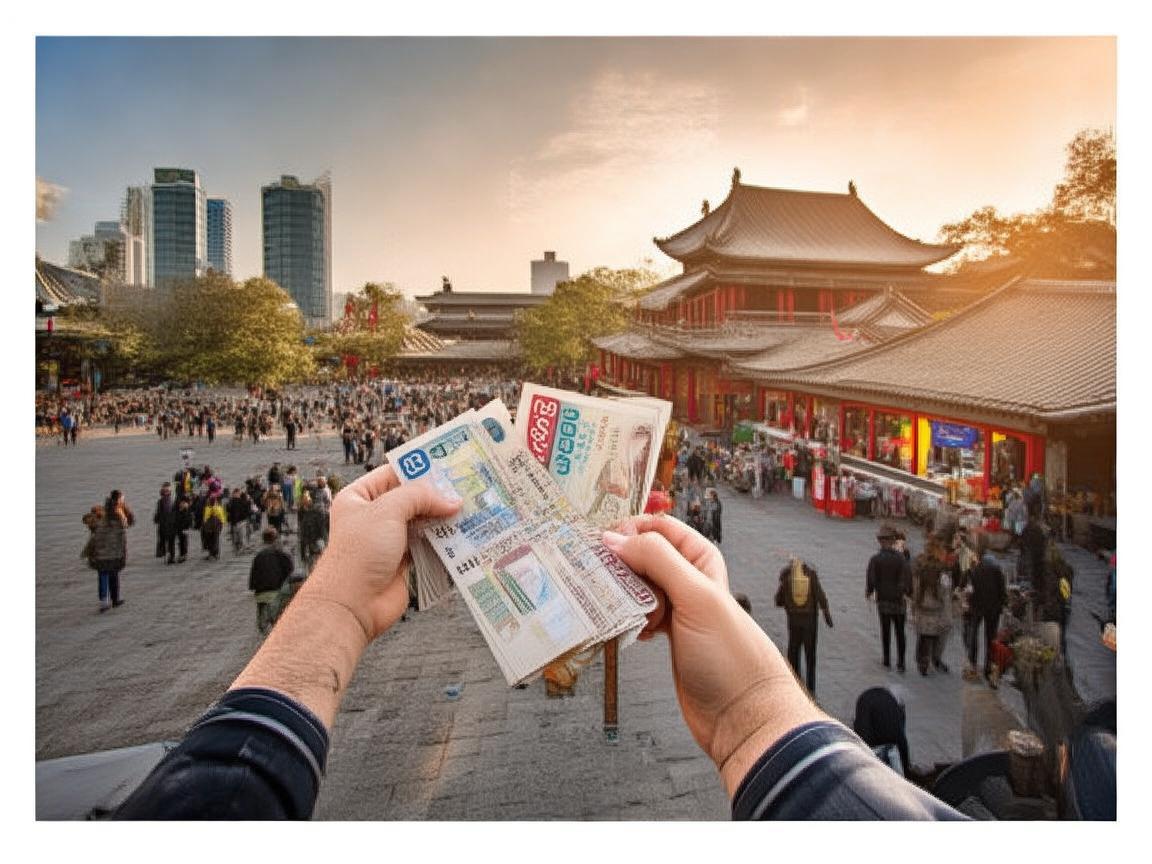
Xi’an Travel Tips: Why Cash Still Matters (and Where to Use It!)
First, Why “Xi’an Cash Accepted” Is a Big Deal
I’ll admit, I arrived overconfident. I’d traveled to Shanghai and Beijing before, where even street vendors scanned QR codes like it was second nature. So I landed in Xi’an, tapped my phone to pay for a taxi, and… the driver just shook his head. “Cash only,” he said, pointing to a sign on his dashboard. Oops.
Turns out, Xi’an is a mix of ultra-modern (skyscrapers, fancy malls) and deeply traditional (narrow alleyways, family-run stalls, temples). In the older, more local areas—like the Muslim Quarter or neighborhood hutongs—a lot of folks, especially older vendors or small shops, still don’t use digital payments. Maybe they don’t have a smartphone, or the Wi-Fi in their stall is spotty, or they just prefer the simplicity of cash. And even in places that do accept mobile pay, you might run into issues: if your Chinese bank account isn’t linked, or your international phone plan doesn’t work, or the payment system crashes (yes, that happened to me at a night market).
So here’s the golden rule: carry cash, always. Not a ton—just enough to cover small purchases, and a backup for bigger stuff. Trust me, it’ll save you from awkward moments like mine, where I had to scramble to find a 7-Eleven to break a 100-yuan bill.
Where You’ll Definitely Need Cash
Let’s get practical. Here are the spots where “cash only” is the norm, or where cash just makes life easier:
Street Food & Night Markets
Xi’an is famous for its street food, and honestly, the best bites are from the smallest stalls. In the Muslim Quarter (Huimin Street), you’ll find vendors selling roujiamo (Chinese hamburgers), yangrou Paomo (bread soaked in lamb soup), and bingfeng (ice cream sandwiches) from carts or tiny stalls. Most of these vendors—especially the ones who’ve been there for decades—only take cash. I learned this the hard way when I tried to pay for a sugar-coated hawthorn skewer and the vendor just pointed to a “cash only” sign.
Same goes for night markets, like the one near the Bell Tower. I wanted to try grilled squid and mala tang (spicy hot pot), and while a few big stalls had QR codes, most smaller ones didn’t. Pro tip: Bring small bills (10s, 20s) and coins—some stalls charge 5 or 10 yuan per skewer, and coins are easier for quick transactions.
Small, Local Shops & Attractions
Xi’an has tons of hidden gems: tiny museums, local craft shops, or neighborhood temples that aren’t on the main tourist trail. For example, I visited a small Taoist temple outside the city center, and the entrance fee was 20 yuan—cash only. The ticket booth didn’t have a scanner, just a little window where you handed over the money.
Even in bigger attractions, like the Terracotta Army or Big Wild Goose Pagoda, while tickets can be bought online or with mobile pay, some inside services (like renting an audio guide or buying a snack from a street vendor near the exit) might only take cash. I bought a bottle of water from a vendor near the Terracotta Army, and she only had a cash box—no QR code in sight.
Taxis & Ride-Sharing (Sometimes)
Most taxis in Xi’an do accept mobile pay now, but I had a few drivers who said their systems were down or they preferred cash. One driver near the train station told me, “Sorry, my phone’s acting up—cash is easier.” So always have some cash handy for taxis, especially if you’re taking short trips or traveling during peak hours (when drivers might be in a rush and not want to fiddle with apps).
For ride-sharing (Didi), it’s mostly digital, but if you’re in an area with poor signal (like some older neighborhoods), cash is a safer bet. I once got stuck in a hutong with no Wi-Fi, and had to pay the Didi driver in cash when the app wouldn’t load.
Local Restaurants (Especially Family-Owned)
Xi’an’s best restaurants are often small, family-run places in areas like Beilin District or near the city walls. I went to a tiny mianpi (noodle skin) shop that only had four tables—no menu, just whatever the grandma was cooking that day. When it was time to pay, she just held out her hand for cash. No QR code, no POS machine—just cold, hard cash (which, honestly, made it feel more authentic).
Even some mid-sized restaurants in touristy areas might prefer cash, especially if they’re not part of a big chain. I learned to check the table for a “cash only” sign before ordering—better safe than sorry!
How to Prepare: Cash Tips for Xi’an
Okay, so cash is important—but how do you get it, and what kind should you carry? Here’s what worked for me:
Exchange Money at the Airport or Train Station
When I landed at Xi’an Xianyang International Airport, the first thing I did was hit the currency exchange counter. They take dollars, euros, pounds—whatever you’ve got—and give you yuan. The exchange rate isn’t amazing (it’s a bit lower than at banks), but it’s convenient, especially if you arrive late at night and don’t want to hunt for a bank.
You can also exchange money at Xi’an Railway Station (both the main station and North Station) or at major banks like Bank of China or ICBC. Just bring your passport—they’ll need to see it.
Use ATMs (But Beware of Fees)
There are ATMs everywhere in Xi’an, especially in shopping malls, tourist areas, and near subway stations. I used my debit card to withdraw yuan a few times—just make sure your bank doesn’t charge crazy international fees. My bank charges $5 per withdrawal, so I tried to take out larger amounts (300-500 yuan) at a time to minimize fees.
Pro tip: Use ATMs inside banks (not on the street) to avoid skimmers (devices that steal card info). Also, some ATMs have a limit—usually 2,000-3,000 yuan per day—so plan accordingly.
Carry Small Bills and Coins
This is key. In Xi’an, a lot of vendors don’t have change for big bills (like 100 or 50 yuan). I once tried to pay for a 15-yuan snack with a 50-yuan bill, and the vendor just stared at me like I’d handed her a rock. She didn’t have enough change, so I had to go buy something else to make up the difference.
So always carry:
- 10-yuan bills: Perfect for snacks, souvenirs, or small entrance fees.
- 20-yuan bills: Good for meals at local restaurants or taxi rides.
- Coins (1 yuan, 5 yuan): Essential for buses, buying water from street vendors, or tipping (if you do that—more on that later).
I kept a small “cash stash” in my wallet with 10s, 20s, and a few coins, and a separate envelope with bigger bills (100s, 50s) for hotels or bigger purchases.
Avoid Fake Money
China has strict anti-counterfeiting laws, but fake bills still pop up sometimes—especially if you’re getting change from street vendors. Here’s how to spot a fake:
- Feel the paper: Real yuan bills have a slightly rough texture, while fake ones are smooth.
- Look for the watermark: Hold the bill up to the light—you should see a faint watermark of the person on the bill (like Mao Zedong on 50-yuan bills).
- Check the security thread: Tilt the bill—you should see a metallic line that changes color.
- Use a UV light: If you have one (some hotels provide them), real bills will glow under UV light.
If you get a fake bill, don’t argue with the vendor—just report it to the police or your bank.
Mobile Pay: Still Useful, But Not a Replacement
Now, don’t get me wrong—mobile pay is convenient in Xi’an. Most malls, big restaurants, and hotels accept WeChat Pay or Alipay. I used WeChat Pay to pay for a fancy hot pot dinner and to buy souvenirs at a modern gift shop. But here’s the thing: to use WeChat Pay or Alipay as a foreigner, you usually need a Chinese bank account or a linked international card (like Visa or Mastercard). If you don’t have that, you can still use them—but you’ll need to top up your balance with cash first (which is a hassle).
So my advice? Use mobile pay for big, modern places (like malls or chain restaurants), but stick to cash for small, local spots. It’s the best of both worlds.
My “Oops” Moments (And What I Learned)
Let me share a few mistakes I made—so you don’t have to:
-
Mistake 1: Arriving with only 200 yuan in cash. I thought that was enough, but then I wanted to buy a terracotta warrior souvenir (50 yuan), eat street food (30 yuan), and take a taxi (20 yuan)—and suddenly I was down to my last 100. I had to rush to a bank to withdraw more, which wasted time.
Lesson: Bring at least 500-1000 yuan in cash for a 3-5 day trip. Better to have too much than too little. -
Mistake 2: Trying to pay for a paomo with a 100-yuan bill at a tiny stall. The vendor just shook her head and pointed to a “cash only” sign with a 10-yuan note next to it. I had to go buy a bottle of water to break the bill.
Lesson: Always carry small bills. Vendors don’t have change for big bills. -
Mistake 3: Forgetting to exchange money before heading to the Muslim Quarter at night. All the ATMs were closed, and I couldn’t buy jianbing (Chinese crepes) because I had no cash. I had to survive on a bag of chips from a 7-Eleven.
Lesson: Exchange money during the day, or keep a stash in your wallet for emergencies.
Final Thoughts: Cash Is Your Friend in Xi’an
Xi’an is an incredible city—full of history, culture, and amazing food. But it’s also a city where tradition meets modernity, and that means cash still plays a big role. Don’t let that scare you—just come prepared. Carry small bills, exchange money at reliable places, and don’t be afraid to use cash.
By the end of my trip, I was a pro: I knew which stalls took cash, which ATMs to avoid, and how to spot a fake 20-yuan bill. And honestly, using cash made my trip more immersive. I talked to more vendors, got better prices, and felt more connected to the local culture.
So go ahead—book your trip to Xi’an. Just remember to pack some cash. Trust me, it’ll make your journey smoother, tastier, and way more fun. Enjoy the biangbiang noodles—and don’t forget to bring a 10-yuan bill for that first roujiamo!
Xi’an Airport Transfer Service
Private English-speaking driver service in Xi’an operated directly by Bruce Zhang. 24/7 airport pickup and hotel transfer for foreign travelers.
Helpful for Your Trip in Xi’an
Xi’an Travel Tips: Why Cash Still Matters (and Where to Use It!)
2026-08-26Macau Payment Guide for Foreign Travelers: From Cash to Apps
2026-08-19Xi’an Travel: A Tourist’s Guide to Scenic Area Payments & Tips
2026-08-13Navigating Payments in Xi’an Without a Data Plan: A Tourist’s Practical Guide
2026-08-11Smart Savings in Xi’an: A Traveler’s Guide to Education-Friendly Payment Systems
2026-08-10Xi’an Travel: A Tourist’s Guide to Paying Smart (WeChat vs. Alipay vs. Cash)
2026-08-1012306 Payment Guide for Foreign Travelers: My Experience Booking Xi’an Trains
2026-08-09Hotel Check-in in Xi’an: A Foreigner’s Practical Guide
2026-08-08An Alipay Hiccup in Xi’an: How I Fixed It and What You Should Know
2026-08-08An Xi’an Tourist’s Guide: How to Pay in Hong Kong Like a Local
2026-08-06