

Surviving and Thriving in Xi’an: A Traveler’s Guide to China’s Internet Carrier
Let me start with this: If you’re traveling to Xi’an and relying solely on international roaming or hotel Wi-Fi, you’re setting yourself up for a headache. I learned this the hard way during my first trip here—stuck in a crowded Muslim Quarter alley, unable to pull up a map, haggle with a vendor, or even order a glass of almond milk because my phone’s “international data” plan cost more than my flight. That’s when I wised up: getting a local SIM card from China’s internet carrier isn’t just a “pro tip”—it’s essential for actually enjoying this city.
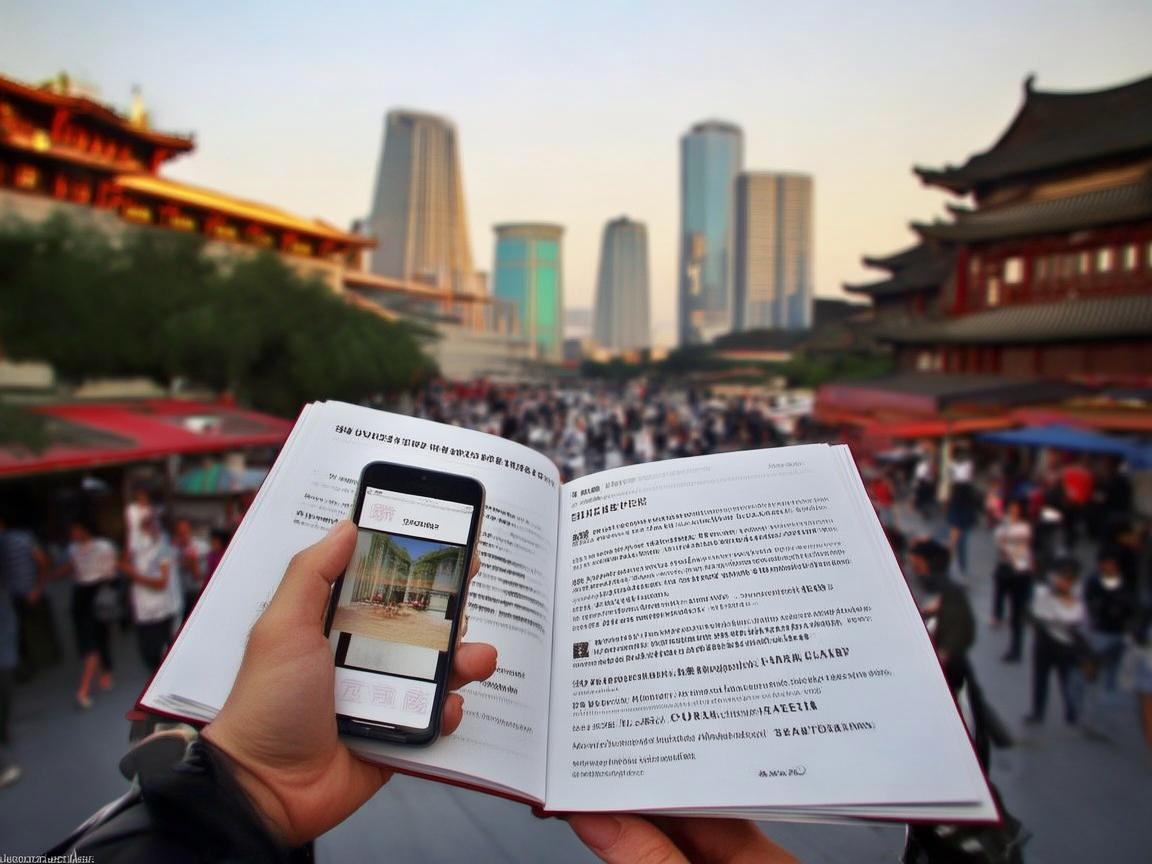
Surviving and Thriving in Xi’an: A Traveler’s Guide to China’s Internet Carrier
Xi’an, with its 3,000-year history, is a place where you’ll want to wander: from the Terracotta Army’s silent ranks to the vibrant night markets, from the Big Wild Goose Pagoda’s ancient shadows to the modern skyline of the High-tech Zone. But to move through all that seamlessly, you need internet. And in China, that means one of the three big carriers: China Mobile, China Unicom, or China Telecom. As a traveler who’s tested all three, here’s exactly what you need to know to stay connected without stress.
First, Why Bother with a Local Carrier?
Before we get into the “how,” let’s talk “why.” China’s internet ecosystem is built around domestic apps—WeChat (for messaging, payments, even restaurant reservations), Alipay (for everything from subway rides to buying souvenirs), Didi (ride-hailing), and Gaode Maps (the Google Maps of China, but way more accurate for local streets). Most of these apps don’t work well (or at all) with international roaming, and many smaller vendors, ticket offices, and even some metro stations only accept Chinese mobile payments.
I once tried to pay for a bowl of Biangbiang noodles with my credit card—the shop owner just stared at me like I’d handed him a rock. When I pulled out WeChat (after buying a SIM card), he beamed, scanned my code, and sent me a steaming bowl in minutes. That’s the reality here: no local SIM = no access to daily life. Plus, data in China is cheap—like, really cheap—compared to international roaming plans. I paid $5 for 10GB of 4G data that lasted me a week; my roaming plan would’ve cost $50 for the same.
Choosing a Carrier: Mobile, Unicom, or Telecom?
China’s three major carriers each have their pros and cons. For travelers, the short answer is: China Mobile is your safest bet. But let’s break it down so you can pick what’s best for you.
China Mobile (中国移动)
- Coverage: The king of coverage, especially in rural areas, tourist sites, and subway systems. I had full 5G signal at the Terracotta Army (even in the less crowded pits) and no dead zones in the Muslim Quarter or along the City Wall.
- Speed: Fast and reliable. I streamed HD videos on Gaode Maps while navigating, and video calls to home were crystal clear.
- Price: Slightly pricier than the others, but worth it for peace of mind. A 30-day “tourist package” with 10GB of 4G data costs around ¥50 ($7).
- English Support: Major branches (like at Xi’an Xianyang International Airport) have English-speaking staff. Smaller counters might not, but their app has a translate function.
Bottom line: If you prioritize “never losing signal,” go with China Mobile.
China Unicom (中国联通)
- Coverage: Good in cities like Xi’an, but weaker in remote areas (like some sections of the Qinling Mountains). I lost signal once when hiking outside the city, but downtown and tourist spots were fine.
- Speed: Comparable to Mobile in urban areas. I didn’t notice a difference when streaming or browsing.
- Price: Cheaper. They often have “travel bundles” with 15GB of data for ¥30 ($4).
- English Support: Limited. Airport staff might speak basic English, but smaller shops will require Chinese or a translation app.
Bottom line: If you’re sticking to Xi’an’s city center and want to save a few bucks, Unicom works.
China Telecom (中国电信)
- Coverage: Decent in cities, but not as widespread as Mobile. I had issues with signal stability in some older neighborhoods (like the area around the Bell Tower).
- Speed: Reliable in urban zones, but 5G is less common than with Mobile.
- Price: Similar to Unicom, with ¥30-$40 for 10GB tourist packages.
- English Support: Rare. I’d only recommend this if you’re with a local who can help, or if you’re in a Telecom-covered area with no other options.
My pick: China Mobile. For a traveler, the hassle of finding Wi-Fi or dealing with spotty signal isn’t worth saving $3. Mobile’s coverage alone makes it worth the extra cost.
How to Buy a SIM Card: Step-by-Step
Getting a SIM card in Xi’an is easier than you think. Here’s exactly what to do:
What You’ll Need
- Passport: This is non-negotiable. Carriers are required by law to register foreign visitors’ IDs.
- A unlocked phone: If your phone is locked to your home carrier, you’ll need to unlock it first. Most modern phones (iPhone, Samsung, Google Pixel) are unlocked, but double-check before you leave.
- Cash or WeChat/Alipay: Some places take cards, but most prefer cash or mobile payments.
Where to Buy It
Option 1: Xi’an Xianyang International Airport (Recommended for Convenience)
- Location: Before immigration, in the international arrivals hall. There are China Mobile and Unicom counters right after you pick up your luggage.
- Why it’s great: You can get your SIM card the second you land, no need to hunt for a shop later. Staff often speak basic English, and they’ll help you activate it on the spot.
- What to ask for: Say, “Hello, I need a tourist SIM card with data. Do you have English packages?” They’ll show you options (e.g., Mobile’s “Traveler Card” with 10GB data for 30 days).
Option 2: Major Carrier Branches in the City
If you miss the airport counters, head to a flagship store. These are bigger, have more staff, and can handle complex issues.
- China Mobile: There’s a big branch near the Bell Tower (地址: 钟楼广场东侧) and another in the High-tech Zone (地址: 高新区科技路).
- China Unicom: Located in the downtown shopping district (地址: 碑林区东大街) and near the South Railway Station.
- Tip: Go in the morning (before 10 AM) to avoid long lines. Staff are more patient and less rushed early in the day.
Option 3: Convenience Stores (7-Eleven, FamilyMart)
Smaller SIM cards (with less data) are sold at convenience stores, but I don’t recommend these for travelers—they’re usually for short stays (7-10 days) and have limited data. Better to get a proper tourist package at a carrier branch.
The Buying Process
- Show your passport: The staff will scan it and register your information. This takes 5-10 minutes.
- Choose a package: For most travelers, a 30-day plan with 10-15GB of 4G data is enough. If you plan to stream a lot or use your phone as a hotspot, get 20GB.
- Pay and activate: You’ll pay, then they’ll insert the SIM card into your phone (or let you do it). They’ll help you set up APN settings (usually automatic) and test the signal.
- Keep the receipt: If you have issues, you’ll need the receipt to get help.
Using Your SIM Card: Tips for Xi’an
Once you’re connected, here’s how to make the most of it (and avoid common pitfalls):
Download These Apps Before You Leave Home
China’s internet has restrictions on some foreign apps (Google, Facebook, Instagram, WhatsApp). You’ll need Chinese alternatives:
- WeChat: For messaging (like WhatsApp), payments (scan QR codes everywhere), and even booking taxis.
- Alipay: For payments, subway rides (add your “Electronic Transit Card”), and splitting bills with friends.
- Gaode Maps (高德地图): The best map app for China. It has real-time traffic, subway directions, and even “indoor maps” for malls and museums.
- Didi: China’s Uber. Enter your destination, pick a car, and pay via Alipay/WeChat.
- Dianping (大众点评): The Yelp of China. Find restaurants, read reviews, and even get discounts at popular spots.
Data vs. Wi-Fi
- Use data everywhere: Hotel Wi-Fi is slow, and public Wi-Fi (in cafes, malls) often requires a Chinese phone number to log in. Just stick to your SIM data—it’s faster and more reliable.
- Hotspot tip: If you’re traveling with others, use your phone as a hotspot. Most tourist packages allow hotspot usage (check with the carrier when you buy).
Navigating Xi’an Like a Local
- Subway: Use Gaode Maps to plan routes, or add your “Electronic Transit Card” to Alipay/WeChat—just scan the QR code at the gate to enter.
- Buses: Gaode Maps has bus schedules and real-time arrivals. Buses are cheap (¥2-¥3) but can be crowded during rush hour.
- Taxis/Didi: Taxis in Xi’an are affordable, but some drivers don’t speak English. Use Didi (set to “English” in the app) or show the driver your destination in Chinese (e.g., “兵马俑” for Terracotta Army).
Staying Safe Online
- Avoid using public Wi-Fi for sensitive tasks (like banking). Your SIM data is encrypted and safer.
- WeChat and Alipay have “security features” that may lock your account if you log in from a new device. To avoid this, activate “travel mode” in the apps before you leave home (go to “Settings” > “Security” > “Travel”).
What If Something Goes Wrong?
Even with the best planning, things can happen. Here’s how to fix common issues:
No Signal?
- First, check if you’re in “Airplane Mode.” If not, restart your phone.
- If that doesn’t work, go to “Settings” > “Mobile Networks” > “Select Automatically” (or manually choose your carrier, e.g., “China Mobile”).
- Still no signal? You might be in a dead zone. Head to a nearby street or café—signal is usually better near roads.
Data Runs Out?
- No panic! Open your carrier’s app (e.g., “China Mobile” or “Unicom”) and buy a data top-up. Most apps let you pay via Alipay/WeChat.
- If the app doesn’t work, go to any carrier branch or convenience store—they’ll add data to your account in minutes.
Lost SIM Card?
- Report it immediately! Call your carrier’s customer service (Mobile: 10086; Unicom: 10010; Telecom: 10000). They’ll block your SIM so no one else can use it.
- To get a new one, bring your passport to a carrier branch—they’ll transfer your number to a new SIM (for a small fee, around ¥20).
Final Thoughts: Internet Makes Xi’an Accessible
Xi’an is a city where ancient history meets modern life, and the internet carrier that connects you to both is China Mobile. I spent a week here—from dawn at the Terracotta Army to midnight snacks in the Muslim Quarter—and never once worried about being offline. I used Gaode Maps to get lost (and found) in the back alleys, WeChat to pay for a hot pot dinner, and Didi to get back to my hotel at 2 AM without a hassle.
So, skip the international roaming. Grab a China Mobile SIM card at the airport, download those apps, and get ready to explore. Because in Xi’an, the best experiences aren’t in the guidebooks—they’re in the moments you stumble upon, thanks to the internet that keeps you connected.
Safe travels, and enjoy the noodles!
Xi’an Airport Transfer Service
Private English-speaking driver service in Xi’an operated directly by Bruce Zhang. 24/7 airport pickup and hotel transfer for foreign travelers.
Helpful for Your Trip in Xi’an
Surviving and Thriving in Xi’an: A Traveler’s Guide to China’s Internet Carrier
2026-09-10China SIM Verification: A Traveler’s Step-by-Step Guide (From a Xi’an Visitor’s Perspective)
2026-09-08Xi’an Travel Tips: Why China Roaming Data is Non-Negotiable for Foreign Visitors
2026-09-05Traveling Xi’an: A Tourist’s Guide to Navigating China’s SIM Authentication System
2026-09-04Your Ultimate Guide to Network Settings & China SIM Cards for a Seamless Xi’an Trip
2026-08-31Xi’an: Where Ancient History Meets Modern Connectivity – A China Traveler’s Practical Guide
2026-08-30Your Go-To Guide for China SIM Service Centers in Xi’an: Stay Connected Hassle-Free
2026-08-26Surviving Xi’an Without the Slow Lane: A Tourist’s Guide to China SIM Throttling
2026-08-11Xi’an Travel Survival Guide: How a China SIM Card and Call Center Saved My Trip
2026-08-10My Xi’an Survival Guide: Why a China SIM Card is Your Travel Lifeline
2026-08-09