

Exploring Xi’an’s Park Ecosystem: A Traveler’s Guide to Green Spaces and Local Life
First things first: when I landed in Xi’an, I expected Terracotta Warriors, ancient city walls, and maybe a dash of Muslim Quarter street food. What I didn’t anticipate? How much the city’s parks would steal my heart. Xi’an isn’t just a museum of history—it’s a living, breathing city where green spaces are the real pulse. Over two weeks, I wandered through its “park ecosystem”—a mix of ancient imperial gardens, modern wetlands, and neighborhood pocket parks—and learned they’re not just pretty. They’re where you actually experience local life, nature, and the balance of old and new that makes Xi’an magical. If you’re visiting, skip the tourist traps for half a day and dive into these parks. Here’s your no-BS guide.
The Ancient Heart: Xi’an City Wall Forest Belt (环城公园)
Let’s start with the obvious: the City Wall. But don’t just walk the top—explore the forest belt at its base. This 14-kilometer ring of greenery surrounding the wall is Xi’an’s “lung,” and it’s where I first understood how parks connect history to daily life.
Why it’s worth your time: The wall is 600 years old, but the forest belt feels timeless. You’ll find locals doing tai chi at dawn, couples taking wedding photos among the gingko trees, and kids chasing butterflies in the summer. The best part? It’s free (unlike the wall itself, which costs ¥54 to walk).
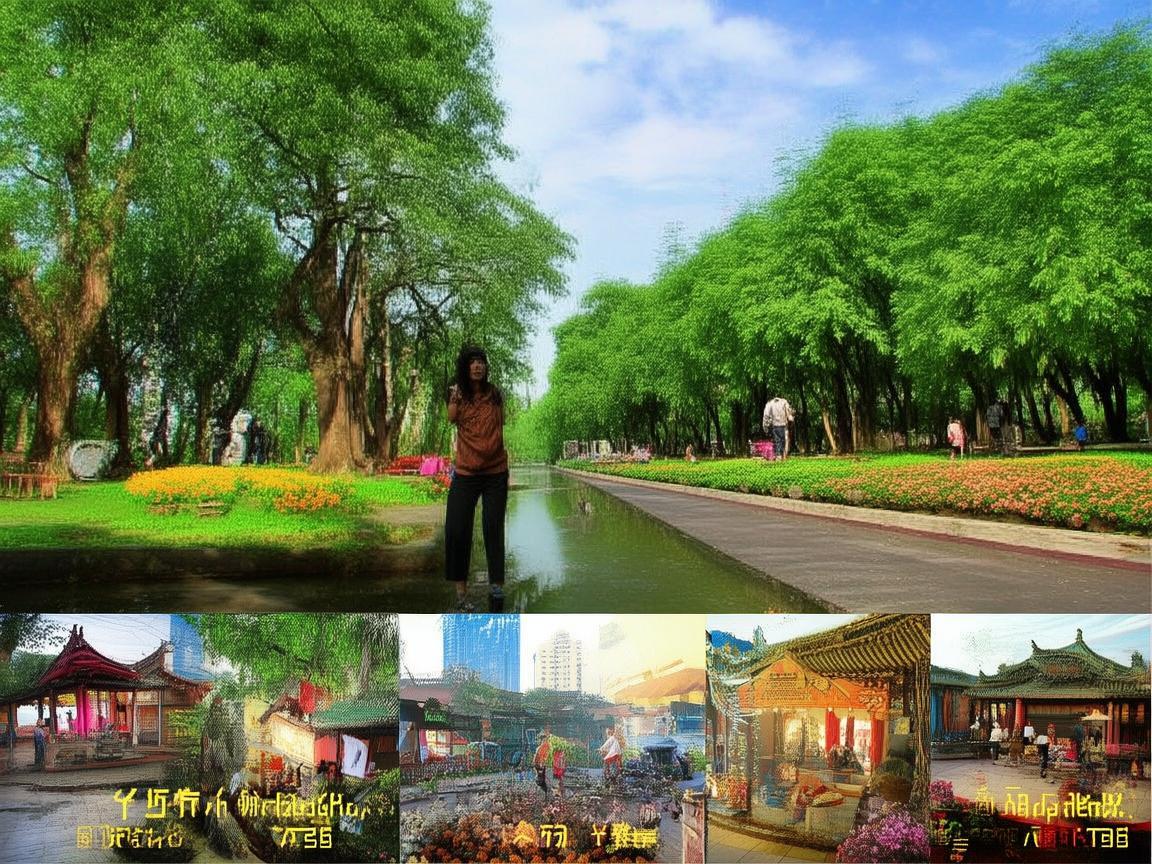
Exploring Xi’an’s Park Ecosystem: A Traveler’s Guide to Green Spaces and Local Life
Practical tips: Rent a bike—there are stations every 500 meters or so. A 2-hour loop around the wall costs ¥30, and you’ll zip past willow trees drooping into the moat, peonies in full bloom (April-May), and even the occasional heron wading in the water. Go early (7-9 AM) to avoid crowds and catch the morning light hitting the wall. If you’re tired, stop at one of the teahouses along the path—grab a cup of piancha (flat tea) for ¥10 and watch grandpas play chess.
Ecosystem highlight: The moat isn’t just for looks—it’s a mini-wetland. I saw ducks, dragonflies, and even some lotus flowers in summer. The trees here (pine, cypress, paulownia) were planted in the 1980s to combat desertification, and now they’re a thriving habitat for birds. It’s a cool example of how cities can “rewild” even in urban areas.
Tang Dynasty Royalty: Da Tang Furong Garden (大唐芙蓉园)
Okay, this one’s a tourist spot—but hear me out. Unlike some overpriced theme parks, Da Tang Furong Garden (or “Hibiscus Garden”) is actually worth it, especially if you want to see how Xi’an blends nature with culture.
Why it’s worth your time: This garden is a replica of a Tang Dynasty imperial park, but it’s not just fake buildings. The designers did their homework: they planted Tang-era plants (like peonies, chrysanthemums, and plum blossoms) and created waterways that mimic ancient canals. I went in the evening (¥120 ticket, opens until 10 PM) and stayed for the Tang Show—a live performance of music and dance on a floating stage. The lights reflecting off the lakes? Unreal.
Practical tips: Skip the day crowds—go after 5 PM when the lanterns turn on. Wear comfy shoes; the garden is huge (you’ll need 2-3 hours). There are snack stands selling tanghulu (candied hawthorns) and roujiamo (Chinese burgers) for ¥10-¥15 each. Pro tip: Rent an audio guide (¥30) to learn about the Tang Dynasty’s obsession with gardens—they saw nature as art, and this place brings that to life.
Ecosystem highlight: The garden’s ponds are home to koi fish and water lilies, and in autumn, the gingko trees turn a brilliant gold. I even spotted a family of squirrels running along the paths. It’s a reminder that “ecosystem” here isn’t just about plants—it’s about how people interact with nature, just like they did 1,000 years ago.
Modern Wild: Chanba Wetland Park (浐灞湿地公园)
If you need a break from temples and walls, head to Chanba. This is Xi’an’s answer to “urban ecology”—a massive wetland park built on the banks of the Chan and Ba rivers, and it’s so peaceful you’ll forget you’re in a city of 13 million people.
Why it’s worth your time: Chanba is all about slow living. I rented a paddleboat (¥50/hour) and floated through reed marshes, spotting egrets and kingfishers. There’s also a 5-km “ecological trail” where you can walk or bike past lotus ponds and wooden bird-watching towers. The air smells like wet earth and pine, and the only noise is birdsong.
Practical tips: Take Metro Line 3 to “Chanba Park Station” (exit A). The park is free, but some areas (like the paddleboat dock) charge small fees. Bring binoculars if you’re into birdwatching—I saw over 20 species in one afternoon, including rare ones like the black-crowned night heron. Pack a picnic—there are plenty of grassy spots, and you can buy snacks from vendors at the entrance (¥5 for a bottle of water, ¥15 for a steamed bun).
Ecosystem highlight: Chanba is a “constructed wetland,” meaning it was designed to clean the river water naturally. The reeds and water plants filter pollutants, and the wetland attracts birds that control insect populations. It’s a great example of how cities can use nature to solve environmental problems—plus, it’s just beautiful.
Local Life: Xingqing Palace Park (兴庆宫公园)
For a real “local” experience, skip the fancy parks and go to Xingqing Palace. This was once the Tang Dynasty emperor’s private palace, but now it’s a neighborhood park where Xi’aners go to relax, chat, and live.
Why it’s worth your time: This is where you’ll see real daily life. At 6 AM, the park is filled with people doing tai chi, dancing in groups, and practicing calligraphy with water brushes on the pavement. By afternoon, grandpas play chess under the trees, and kids chase bubbles. In the evening, families gather for picnics, and someone always brings a portable speaker playing old pop songs.
Practical tips: The park is free (opens 6 AM-9 PM). Go in the morning to see the activities—don’t be shy to join in! I tried a tai chi class with a group of ladies (they laughed at my clumsy moves but were super patient). There’s a small lake where you can feed the ducks (¥5 for a bag of breadcrumbs), and a teahouse serving shaobing (sesame bread) with doujiang (soy milk) for ¥8.
Ecosystem highlight: The park has a mix of old trees (some over 100 years old) and newer plantings. In spring, the cherry blossoms are stunning, and in autumn, the maple leaves turn red. But the best part? The “human ecosystem”—how people of all ages use the space to connect. It’s not just a park; it’s a community living room.
Final Tips for Navigating Xi’an’s Park Ecosystem
- Transport: Use the Metro (¥2-¥7 per ride) or shared bikes (Meituan/HelloBike, ¥1.5 per 30 minutes). Taxis are cheap but get stuck in traffic.
- Timing: Go early (6-9 AM) or late (5-7 PM) to avoid crowds and heat. Summer in Xi’an is hot (35°C+), so bring a hat and water.
- Respect the locals: Parks are for living, not just sightseeing. Don’t litter, and if you take photos of people, ask first (a smile and “Nihao, can I take a photo?” works wonders).
- Seasonal highlights:
- Spring (Mar-May): Peonies (Xi’an’s city flower) bloom everywhere.
- Autumn (Sep-Nov): Gingko and maple leaves turn golden.
- Winter (Dec-Feb): The parks are quiet, but you’ll see plum blossoms—symbol of resilience in Chinese culture.
Xi’an’s parks aren’t just “green spaces”—they’re the soul of the city. They’re where history meets nature, where tourists become locals, and where you’ll find the moments that make travel unforgettable. So next time you’re here, skip the itinerary for a day and just wander. Sit on a bench, drink some tea, and watch the world go by. Trust me—you’ll leave with a deeper love for this city than any museum could give you.
Xi’an Airport Transfer Service
Private English-speaking driver service in Xi’an operated directly by Bruce Zhang. 24/7 airport pickup and hotel transfer for foreign travelers.
Helpful for Your Trip in Xi’an
Xi’an Travel Tips: Navigating Ticket Codes Like a Local
2026-08-25What I Only Figured Out After 3 Trips
2026-08-23Is the Forest of Stone Steles Actually Worth Visiting in Xi'an?
2026-08-182026 Travel Season: How to Visit Xi'an in Summer Without the Crowds
2026-08-16Xi’an Travel Diary: How Reservation Confirmations Saved My Trip
2026-08-14Navigating Xi’an’s Tour Access System: A First-Time Visitor’s Practical Guide
2026-08-13Xi’an Unlocked: How a Travel Management System Made My Trip Seamless
2026-08-13Xi’an Travel: Navigating Ancient Monuments – A Practical Guide for Tourists
2026-08-13Xi’an Travel Guide: Why a Cash Ticket Saved My Trip
2026-08-12Xi’an Travel Tips: Navigating Entry Approvals Like a Local
2026-08-12