

Xi’an: Where Ancient Heritage Breathes with Living Ecosystems
Let me start by saying this: I came to Xi’an expecting ruins and relics—stones and stories from a thousand years ago. What I didn’t expect was how deeply this city weaves its ancient heritage into living ecosystems. Not just parks or green spaces, but ecosystems where history, nature, and daily life tangle together in the most beautiful way. If you’re traveling here, let me save you from just ticking off tourist spots. This is how to experience Xi’an like a local, where every step feels like stepping into a story that’s still growing.
First Stop: The City Wall—A Fortress with a Green Heart
Everyone tells you to visit the Xi’an City Wall. But don’t just walk it—bike it. Rent a bicycle (¥45 for 3 hours, deposit ¥200) at the South Gate (Yongningmen), and go early. Like, 7 a.m. early. The morning sun hits the terracotta tiles, and the air smells damp earth and jasmine from the gardens below.
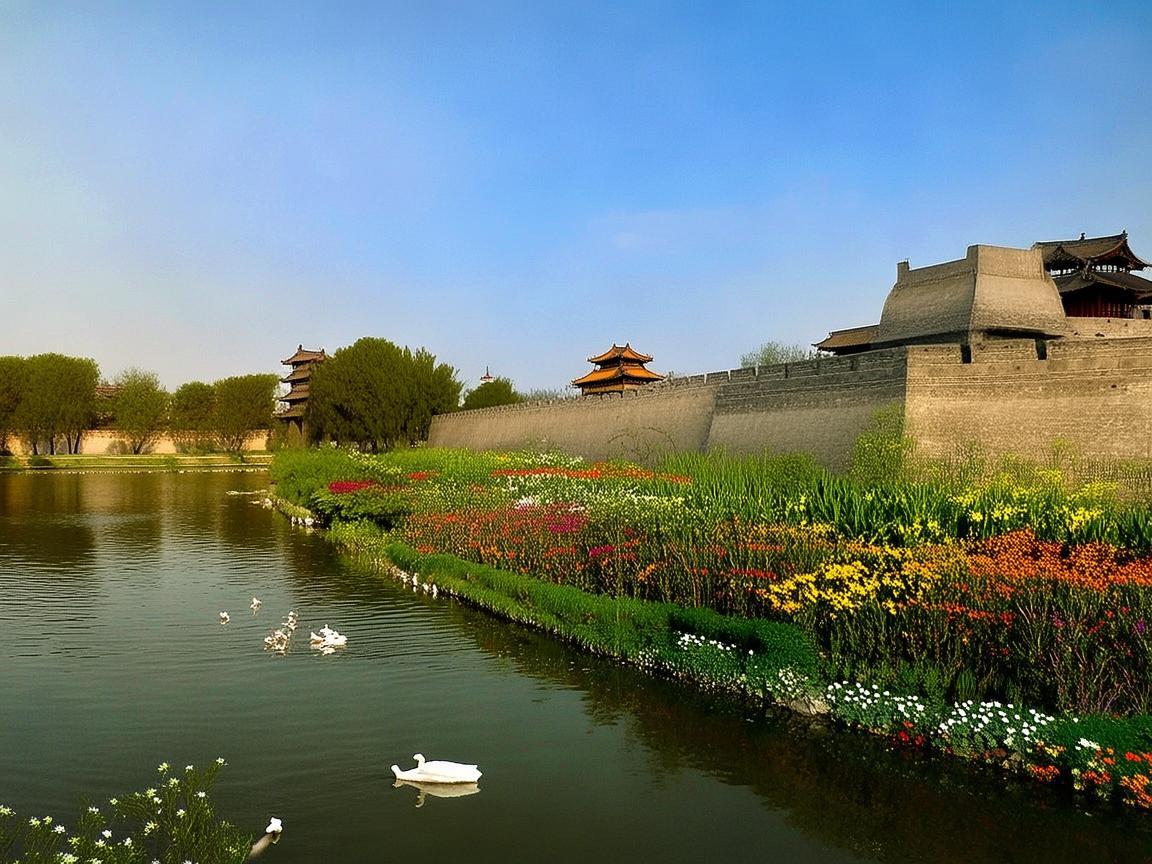
Here’s the thing most guides don’t say: the wall isn’t just a relic. It’s a green corridor. On the outer side, you’ll see mulberry trees and wild roses spilling over the edge, their roots gripping the bricks like they’ve been here forever. Birds—sparrows, magpies, even the occasional hawk—nest in the crenellations. I stopped to watch an old man feeding pigeons; he told me the pigeons have lived here since the Tang Dynasty, “carrying messages between the earth and the sky.”
Xi’an: Where Ancient Heritage Breathes with Living Ecosystems
Inside the wall, the city hums below, but up here, it’s quiet. You’ll pass gardeners tending to chrysanthemums in the “corner towers” and kids flying kites shaped like dragons. The wall isn’t just protecting the city—it’s part of the city’s ecosystem, a place where history breathes. Pro tip: Bike the full 14km loop, but save energy for the East Gate section—it’s shadiest, and you’ll get views of the Bell Tower in the distance.
Terracotta Army—More Than Clay and Soil
The Terracotta Army is, of course, a must. But don’t rush through Pit 1 and leave. Here’s what I learned from a local archaeologist I met (tip: hire a guide—¥200 for 3 hours, worth every yuan): the pits aren’t just “holes with statues.” They’re micro-ecosystems.
The clay used to make the warriors? It’s from the local Loess Plateau, the same soil that’s fed Shaanxi for millennia. And the pits themselves? They’re designed to regulate humidity—ancient engineering that keeps the terracotta from cracking. Outside the pits, you’ll see persimmon trees and osmanthus bushes; in fall, the air smells sweet, and workers gather fallen fruit to make jam.
My favorite part? The “Terracotta Army+” park next door. It’s a working farm where locals grow the same crops the Qin Dynasty soldiers ate: millet, sorghum, and chestnuts. You can pick your own (¥20/kg) and try millet wine at the tasting hut. It’s humbling to hold a chestnut and know a soldier 2,000 years ago might have eaten the same one.
Muslim Quarter—Where Heritage Tastes Like Life
Okay, the Muslim Quarter (Huimin Street) is chaotic. Spices, skewers, crowds. But it’s not just a “food street”—it’s a living ecosystem of culture and nature.
Start at the Great Mosque (Qingzhen Si). It’s the oldest mosque in China, built in the Tang Dynasty, but what surprised me was the garden. Inside, you’ll find ancient cypresses over 1,000 years old, their branches draped in ivy. Birds nest in the minarets, and the courtyard is so quiet you can hear the rustle of leaves. The imam told me the trees are “older than Islam in China—they’ve watched everything.”
Then, eat. But eat smart. Skip the first stalls (they’re for tourists). Turn onto a side alley, like Beiyuan Men. There, you’ll find Paomo—bread soup—with mutton broth slow-simmered for 12 hours. The owner, a grandma with a tattooed face, uses herbs from the Qin Mountains: “No mountain herbs, no real paomo,” she said.
Don’t miss the hulatang (spicy soup) either. The vendor adds fresh mint from his rooftop garden—“Mint cools the spice,” he explained. And the dates? They’re from the oasis of Turpan, brought by traders along the Silk Road. Every bite is a story of trade, migration, and nature.
Mount Li—Where Mountains and Dynasties Meet
Xi’an isn’t just a city—it’s at the foot of the Qin Mountains, a range older than the Himalayas. I took a day trip to Mount Li (Lishan), 40km from downtown, and it changed everything.
Take the cable car up to the “Imm’s Terrace” (Huanggong Tai). The view? The Wei River winding below, terraced fields of green and gold, and the mausoleum of Qin Shi Huang hidden in the trees. But the real magic is the forest. Mount Li is a protected biosphere—you’ll see wild peonies (the national flower) in spring, and in autumn, the maple trees turn so red it looks like they’re on fire.
Hike the “Grotto Trail” (Shiku Lu). You’ll pass Buddhist carvings from the Sui Dynasty, their faces softened by rain and time. A guide pointed out lichen growing on the statues: “The lichen protects the stone,” he said. “It’s a partnership.” At the top, there’s a teahouse serving chrysanthemum tea picked from the mountain slopes. Sip it, and you’ll understand why emperors built their palaces here—this mountain isn’t just beautiful; it’s alive.
The Ecological City—How Xi’an Is Saving Its Heritage
Here’s a secret: Xi’an’s biggest “ecosystem” is its people. The city is investing millions in green spaces to protect its heritage. The “City Wall Green Belt” project, for example, planted 10,000 trees around the wall to reduce air pollution. And the “Qinling Wildlife Corridor” connects the mountains to the city, so pandas and golden monkeys can roam safely.
I stayed in a guesthouse near the Big Wild Goose Pagoda (Dayan Ta). The owner, a retired teacher, showed me her rooftop garden: tomatoes, peppers, and basil. “We grow what we can,” she said. “Every tomato saves a trip to the market—and every bit of green helps the pagoda stay clean.”
One morning, I woke up early to watch tai chi in the pagoda’s park. The sun rose over the trees, and the movements of the dancers synced with the birdsong. It was then I realized: Xi’an’s heritage isn’t just in its stones. It’s in the way people care for the land, the trees, the animals—how they keep the past alive in the present.
Final Tips for Travelers
- When to go: Spring (April-May) or autumn (September-October). The weather’s mild, and the mountains are painted with color.
- Stay near the walls: South or East Gate—you’ll be close to the morning bike rides and evening strolls.
- Eat local: Skip the “Western food” in Muslim Quarter. Try yangrou paomo, biangbiang noodles, and hulatang. Your stomach will thank you.
- Respect the ecosystems: Don’t litter on the wall or in Mount Li. The locals are proud of their heritage—help keep it clean.
Xi’an isn’t a museum. It’s a living ecosystem where history and nature dance together. You’ll come for the terracotta army, but you’ll stay for the way the city makes you feel like you’re part of something bigger—something ancient, something alive, something unforgettable.
Go. Breathe the history. Taste the earth. And let the ecosystems of Xi’an wrap around you. You won’t regret it.
Xi’an Airport Transfer Service
Private English-speaking driver service in Xi’an operated directly by Bruce Zhang. 24/7 airport pickup and hotel transfer for foreign travelers.
Helpful for Your Trip in Xi’an
Xi’an: Where Ancient Heritage Breathes with Living Ecosystems
2026-08-27Xi’an on the Metro: A Traveler’s Guide to Getting Around Like a Local
2026-08-27Xi’an Travel Tips: Navigating Ticket Codes Like a Local
2026-08-25What I Only Figured Out After 3 Trips
2026-08-23Is the Forest of Stone Steles Actually Worth Visiting in Xi'an?
2026-08-182026 Travel Season: How to Visit Xi'an in Summer Without the Crowds
2026-08-16Xi’an Travel Diary: How Reservation Confirmations Saved My Trip
2026-08-14Navigating Xi’an’s Tour Access System: A First-Time Visitor’s Practical Guide
2026-08-13Xi’an Unlocked: How a Travel Management System Made My Trip Seamless
2026-08-13Xi’an Travel: Navigating Ancient Monuments – A Practical Guide for Tourists
2026-08-13