

Xi’an Airport Arrival Guide: Navigating Currency Exchange Like a Local
Landing in Xi’an after a 14-hour flight from New York, I was exhausted but buzzing with excitement—the ancient city’s walls, terracotta warriors, and street food were calling. But first, a practical hurdle: turning my dollars into yuan. As a first-time visitor to China, I’d heard stories about tricky currency exchange processes, so I’d done a bit of research. Still, navigating it all after a long flight felt daunting. If you’re heading to Xi’an soon, let me walk you through exactly how to handle currency exchange at Xi’an Xianyang International Airport (XIY), step by step, so you can start your trip stress-free.
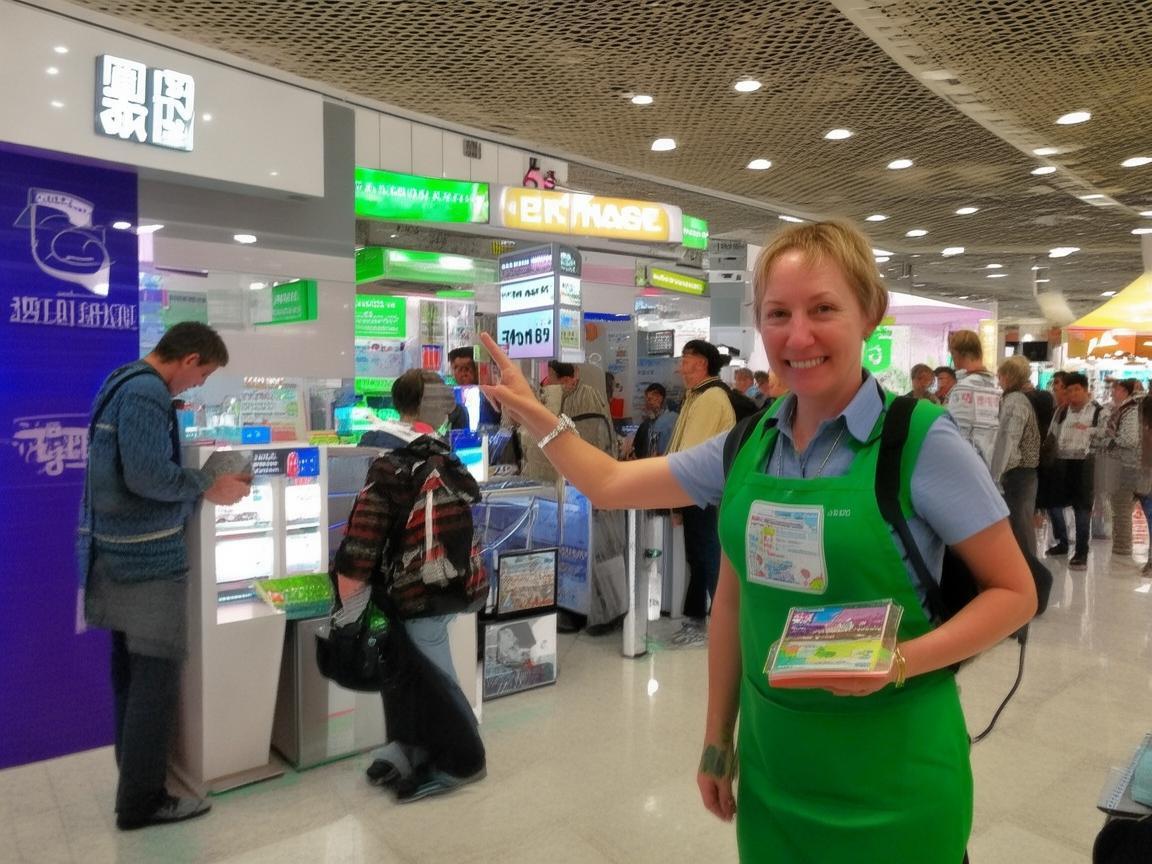
Xi’an Airport Arrival Guide: Navigating Currency Exchange Like a Local
Step 1: After Landing, Follow the “Arrival” Signs
My flight landed at Terminal 3 (most international flights use T3; domestic ones may use T1 or T2). After deplaning, I followed the yellow “Arrival” signs, which led me through immigration. For international visitors, you’ll need your passport, visa (if required), and a customs declaration form (usually handed out on the plane). The process was smooth—officers were efficient, and I was through in under 20 minutes.
Pro tip: Keep your passport handy; you’ll need it for currency exchange, hotel check-in, and even buying metro tickets.
Step 2: Baggage Claim, Then “Currency Exchange” Signs
After grabbing my luggage (follow the “Baggage Claim” signs for your flight number), I entered the arrival hall. This is where the magic happens—finding a place to exchange money. The airport has clear, bilingual signs (Chinese and English) pointing to “Currency Exchange” or “银行” (Yínháng, “bank”). I spotted these signs right as I exited the baggage area, so no wandering lost!
Where to exchange? You have two reliable options at XIY Terminal 3:
- Bank counters: Look for the Bank of China (中国银行) or Industrial and Commercial Bank of China (工商银行). These are big, state-owned banks, so rates are fair, and staff speak basic English.
- Authorized exchange bureaus: There are also smaller, clearly marked “Authorized Exchange” booths (e.g., TRAVELEX). They’re convenient but may have slightly lower rates than banks—still better than airport “black market” spots, which you should avoid.
I headed straight for the Bank of China counter—it felt more trustworthy, and the line moved quickly.
Step 3: The Exchange Process: What to Expect
At the Bank of China counter, I was greeted by a staff member who smiled and said, “Currency exchange? Please show your passport.” Here’s exactly what I did:
- Hand over your passport: The staff member scanned it and asked for my flight details (just to confirm I’d arrived internationally—no big deal).
- Choose your currency: I had USD, but they also accept EUR, JPY, GBP, and more. If you have another currency, ask if they accept it (some smaller banks may not).
- Check the rate: A digital screen displayed the current exchange rate (e.g., 1 USD = 7.25 CNY). I’d checked the mid-market rate on Google Currency before my flight—airport rates are usually 0.1–0.3 CNY lower, which is normal. Don’t panic; it’s not a rip-off!
- Specify the amount: I exchanged $200 (about 1,450 CNY at the time). The staff member asked, “Small denominations?” I said yes—getting 50s and 100s is better than 500s, since many small shops or street vendors can’t break large bills.
- Count your cash: She handed me the yuan, and I counted it twice (always do this!). She also gave me a receipt—keep it, just in case.
Total time: 10 minutes. No hassle, no hidden fees (unlike some exchange bureaus in other countries that charge “commission”).
Step 4: Alternative: ATMs (If You Prefer)
If you’re comfortable using ATMs, there’s another option: withdrawing yuan directly from your home bank account. XIY Terminal 3 has ATMs from Bank of China and ICBC near the baggage claim area. They accept international cards (Visa, Mastercard, UnionPay).
Pros: You get the mid-market rate (better than airport counters), and it’s quick.
Cons: Your bank may charge foreign transaction fees (3–5% per withdrawal), and the ATM may have a daily limit (usually 3,000–5,000 CNY per transaction).
I tried this later in my trip (after using up my initial exchanged cash) and found it convenient—just withdraw what you need daily to avoid fees.
Step 5: What to Do After Exchanging Money
Once I had yuan in my pocket, I felt ready to explore. Here’s what I did next—highly recommend:
- Buy a metro card: The airport has a metro station (Line 14) that connects to downtown Xi’an in 40 minutes. I went to the “Metro Customer Service” desk (near the exit), showed my passport, and bought a “长安通” (Cháng’āntōng) card for 20 CNY (a 20 CNY deposit, plus 10 CNY for initial load). It works on buses and metros, and you can refill it at any station.
- Grab a snack: I was hungry! There’s a 7-Eleven in the arrival hall—they accept cash, and I used my new 50 CNY bill to buy a bottle of water and a snack.
- Take a taxi/ride-hail: If you prefer not to take the metro, head to the “Taxi” stand outside. Taxis to downtown Xi’an (e.g., near the Bell Tower) cost 80–100 CNY (30–40 minutes). I used Didi (China’s Uber) instead—download the app before your trip, link your international credit card, and you can book a ride directly from the airport (cheaper than taxis).
Key Tips to Avoid Scams & Save Money
- NEVER exchange money with “street vendors” at the airport. They’ll offer “great rates” but give you fake bills or skim your money. Stick to banks or authorized bureaus.
- Small denominations are your friend: When exchanging, ask for 50s and 100s. Many street food stalls (like roujiamo or yangrou Paomo) only take cash, and they often can’t break 200 CNY bills.
- Check your bank’s fees: If using ATMs, call your bank to see if they charge foreign transaction fees. Some banks (like Charles Schwab) reimburse these fees—worth it for frequent travelers!
- Keep cash separate: I divided my cash into two wallets: one for “big expenses” (hotels, taxis) and one for “small expenses” (food, souvenirs). This way, if I lost one wallet, I wouldn’t be stranded.
Final Thoughts
Exchanging currency at Xi’an airport was way easier than I’d imagined. The signs are clear, the staff is helpful, and the process takes less than 15 minutes if you know where to go. Remember: bring your passport, check the rate, and don’t stress—you’ll have yuan in your pocket before you know it, ready to dive into Xi’an’s amazing food, history, and culture.
Safe travels, and enjoy the terracotta warriors—they’re even more incredible in person!
Xi’an Airport Transfer Service
Private English-speaking driver service in Xi’an operated directly by Bruce Zhang. 24/7 airport pickup and hotel transfer for foreign travelers.
Helpful for Your Trip in Xi’an
Xian Airport Arrival Bus Tips: A First-Timers Honest Guide
2026-09-09First 24 Hours in Xian: A Travelers Survival Guide
2026-09-09Landing in Xi’an: An International Traveler’s Step-by-Step Guide to Navigating the Airport
2026-09-07Xian Airport Arrival: A Travelers Guide to Payment & Getting Settled
2026-08-28Getting from Xi’an Airport to Train Stations: A Traveler’s Practical Guide
2026-08-28Xian Airport Arrival During Chinese New Year: My Practical First-Timers Guide
2026-08-13From Xian Airport to Your Hostel: A Travelers Practical Guide
2026-08-10Xi’an Airport Arrival: A Sign Board Pickup Guide for Travelers
2026-08-08Xi’an Arrival Airport Support: A Practical Guide for First-Time Visitors
2026-08-07Xi’an Travel Tips: A First-Timer’s Guide to Smooth Airport Arrival & Hotel Pickup
2026-08-06