

An Insider’s Heritage Journey Through Xi’an: 3 Days of Timeless Treasures
I’ve always been drawn to cities where history isn’t just displayed—it’s alive, breathing in the cobblestones, whispering from ancient walls, and lingering in the aroma of street food. Xi’an, China’s “eternal city,” topped my list. As the eastern terminus of the Silk Road, capital of 13 dynasties (including the mighty Qin and Tang), and home to the Terracotta Army, it’s a heritage lover’s dream. After a week wandering its streets, I’ve distilled a practical, no-fluff guide to help you experience Xi’an like a local—one where every step feels like a journey through time. Here’s how I did it, with tips to avoid tourist traps and dive deep into the city’s soul.
Day 1: The Eighth Wonder of the World—Terracotta Army & Huaqing Palace
Morning: Beat the Crowds to Terracotta Army
Start early—like 8 AM early. The Terracotta Army (兵马俑) is 45 minutes east of downtown, and by 10 AM, tour buses swarm the site. Take Metro Line 9 to “Huaqing Palace” station (华清宫站), then hop on Bus 5 or 306 (¥2-3, 30 mins). Avoid “black taxis” at the station; they’ll overcharge.
An Insider’s Heritage Journey Through Xi’an: 3 Days of Timeless Treasures
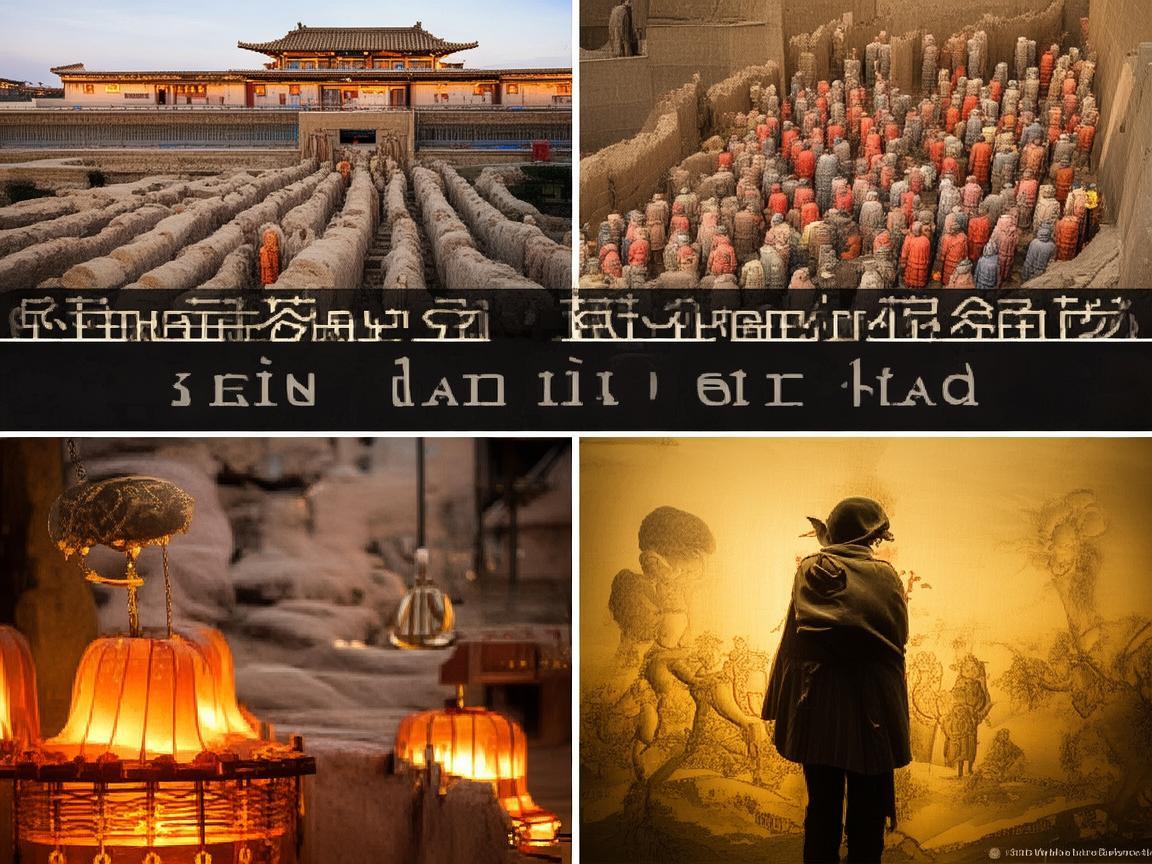
At the museum, buy a combined ticket (¥150, includes Terracotta Army + Huaqing Palace) online via WeChat (search “秦始皇陵博物院” official account) to skip the ticket queue. Enter through Pit 1—this is the grand one, with 6,000 life-sized soldiers in battle formation. The sheer scale is jaw-dropping: row after row of clay warriors, each with unique facial features, hairstyles, and armor (look closely—some even have individualized soles on their shoes!).
Pro tip: Hire a guide (¥150-200 for a group) or rent the audio guide (¥30). I overheard a guide explaining how the warriors were “discovered” in 1974 by local farmers digging a well—turns out, they’d been buried for over 2,200 years. Pit 2 has cavalry and archers; Pit 3 is the command center. Don’t miss the Exhibition Hall, where you’ll see bronze chariots and horses—exquisitely detailed, once painted in bright colors (now faded, but still stunning).
Afternoon: Huaqing Palace—Where Emperors Relaxed
Walk 10 minutes from the Terracotta Army to Huaqing Palace (华清宫), a royal hot spring complex dating back to the Zhou Dynasty. This is where Tang Emperor Xuanzong and his consort Yang Guifei bathed and romanced—immortalized in the Song of Everlasting Regret. Wander through the Nine Dragon Pool (九龙池), where the emperors soaked, and see the “Lovebirds Pavilion” (鸳鸯殿), a nod to their tragic story.
Ticket: ¥60 (included in the combined ticket). Skip the overpriced “imperial bath” experience; the real magic is in the history.
Evening: Back to Downtown—Muslim Quarter Street Food
Take Bus 306 back to Xi’an Railway Station, then Metro Line 2 to “Bell Tower” station (钟楼站). You’re in the heart of the Muslim Quarter (回民街), a labyrinth of lanes buzzing with food, spices, and crafts. Skip the main drag (Beiyuanmen Street)—it’s packed with overpriced “tourist traps.” Instead, turn onto side streets like Mahua Lane (麻花巷) for mahua (fried dough twists, sweet or savory) or Jia San Lamb Paomo (贾三灌汤包), a local institution for paomo (bread soaked in lamb soup—tear the bread into bits, let it soak, then slurp it down).
Don’t miss roujiamo (肉夹馍, “Chinese hamburger”) from Lao Sun Ji (老孙家). The bread is crispy, the pork is slow-cooked for hours, and it costs just ¥10. For dessert, try bingfeng (冰峰), Xi’an’s local orange soda—paired with yangrou paomo, it’s the city’s ultimate comfort meal.
Day 2: Tang Dynasty Grandeur & Ancient City Walls
Morning: Shaanxi History Museum—China’s “Treasure House”
Start at the Shaanxi History Museum (陕西历史博物馆), home to 370,000 artifacts spanning from the prehistoric Zhou Dynasty to the Tang Dynasty. Book tickets 3-7 days in advance on WeChat—free tickets sell out by 9 AM daily!
The museum’s star? The Tang Dynasty relics: golden horses, tri-colored pottery (sancai) camels, and delicate bronze mirrors. My favorite? The “Gold Mask” from a Tang noblewoman—so thin you can see the texture of her skin. Allow 2-3 hours; if you’re short on time, skip the “Special Exhibition Hall” (extra charge) and focus on the “Ancient China” hall.
Pro tip: Rent an audio guide (¥30) or join a free English-speaking tour (check the schedule at the entrance).
Afternoon: Big Wild Goose Pagoda & Tang Dynasty Music Show
Walk 15 minutes from the museum to the Big Wild Goose Pagoda (大雁塔), a 7th-century Buddhist pagoda built by Xuanzang, the monk who traveled to India for Buddhist scriptures. Climb the wooden stairs (¥50) for panoramic views of Xi’an—on a clear day, you can see the city’s skyline and distant mountains.
Next door, explore the Tang West Market (大唐西市), a reconstruction of the Tang Dynasty’s bustling trade hub. It’s more polished than the Muslim Quarter, but great for souvenirs: silk scarves, tea, and replicas of Terracotta Warriors (look for the “museum-approved” ones with authenticity labels).
In the evening, catch the Tang Dynasty Music and Dance Show (¥280-580). It’s touristy, but the costumes are spectacular—silk robes, flowing sleeves, and live traditional instruments (like the pipa and guzheng). The show tells stories of Tang emperors, poets, and traders—plus, the dumplings before the show are included in some tickets (try the “flower-shaped” vegetable dumplings).
Evening: Bike the Ancient City Walls
Xi’an’s City Wall (西安城墙) is the best-preserved ancient wall in China, 14 km long and 12 meters high. Rent a bike (¥45/2 hours) at the South Gate (南门) and ride clockwise. The path is flat, and the views are incredible: modern skyscrapers on one side, traditional hutongs (alleyways) on the other.
Pro tip: Go at sunset—the light hits the wall’s golden bricks, making it glow. Stop at the “Corner Tower” (角楼) for photos; it’s the most scenic spot. If you’re tired, hop on the electric cart (¥80/person) for a full loop.
Day 3: Calligraphy, Courtyards & Hidden Gems
Morning: Forest of Stone Steles—China’s Largest “Stone Library”
Head to the Forest of Stone Steles Museum (碑林博物馆), a quiet, underrated gem. It houses over 3,700 stone tablets carved with Chinese calligraphy, poetry, and historical texts dating from the Han to Qing dynasties.
Don’t miss the Kaicheng Shijing (开成石经)—12,000 characters carved on 114 tablets, a Tang Dynasty “textbook” for Confucian classics. The Stone Classics of the Xuanping Era (宣石经) is equally impressive—giant tablets covered in tiny, perfect characters.
Ticket: ¥75. Allow 1.5 hours; it’s not crowded, so you can take your time admiring the calligraphy.
Afternoon: Muslim Quarter Culture & Tea Break
Return to the Muslim Quarter, but this time, explore backstreets like Huajue Lane (化觉巷). Visit the Great Mosque (大清真寺), China’s oldest mosque (built in 742 AD). The blend of Islamic and Chinese architecture is stunning—blue domes, arched doorways, and a peaceful courtyard with a mihrab (prayer niche) facing Mecca.
Afterward, pop into a teahouse like “Tang Fu Teahouse” (唐福茶社) in the Muslim Quarter. Order a cup of puer tea (普洱茶) and try roujiamo again—this time, ask for the “spicy” version (加辣), with cumin and chili flakes. The owner, a friendly elderly man, might even teach you how to “properly” dunk your bread in soup.
Evening: Sunset at Small Wild Goose Pagoda
End your trip at the Small Wild Goose Pagoda (小雁塔), a 43-meter-tall Tang Dynasty pagoda in the tranquil Jianfu Temple (荐福寺). Unlike the Big Wild Goose Pagoda, this one is surrounded by gardens—perfect for a sunset stroll.
Locals gather here to practice tai chi, play chess, or sip tea. I sat on a bench, listening to the temple bells, and thought about how Xi’an’s heritage isn’t just in its artifacts—it’s in the people, the food, the way history lingers in everyday moments.
Practical Tips for a Smooth Heritage Journey
- Transport: Xi’an’s Metro is clean, cheap (¥2-5), and covers most attractions. Download “Metro Xi’an” for English routes. Taxis are cheap, but use Didi (China’s Uber) to avoid overcharging.
- Food: Cash is king—small vendors often don’t take cards. Try “breakfast sets” (¥15-20) at local cafés: youtiao (fried dough sticks), doujiang (soy milk), and paomo.
- Avoid Crowds: Visit Terracotta Army at 8 AM, museums on weekdays (they’re closed Mondays), and city walls at sunset.
- Respect: At religious sites (mosques, temples), dress modestly (cover shoulders and knees). Don’t climb on ancient walls or touch relics.
Xi’an isn’t just a “heritage trip”—it’s a dialogue with the past. You’ll leave not just with photos, but with a sense of connection to a city that’s shaped China for millennia. So go early, wander aimlessly, and let the history sweep you away. You won’t regret it.
Xi’an Airport Transfer Service
Private English-speaking driver service in Xi’an operated directly by Bruce Zhang. 24/7 airport pickup and hotel transfer for foreign travelers.
Helpful for Your Trip in Xi’an
Xi’an Through My Eyes: A Visitor’s Approval Guide to the Must-Do, Must-Eat, and Must-Avoid
2026-09-01Xi’an on Your Terms: How the Smart Access System Made My Trip a Breeze
2026-08-30Xi’an: Where Ancient History Meets a Modern Integrated Tourism Ecosystem
2026-08-29Xi’an: Where Ancient Heritage Breathes with Living Ecosystems
2026-08-27Xi’an on the Metro: A Traveler’s Guide to Getting Around Like a Local
2026-08-27Xi’an Travel Tips: Navigating Ticket Codes Like a Local
2026-08-25What I Only Figured Out After 3 Trips
2026-08-23Is the Forest of Stone Steles Actually Worth Visiting in Xi'an?
2026-08-182026 Travel Season: How to Visit Xi'an in Summer Without the Crowds
2026-08-16Xi’an Travel Diary: How Reservation Confirmations Saved My Trip
2026-08-14