

Bells, Buns, and Beyond: My Real Guide to Xi’an’s Best Destination Experiences
Before I went to Xi’an, all I knew was terracotta warriors and maybe the Big Wild Goose Pagoda. I pictured a city frozen in time, all history and no heart. But after a week of wandering—through smoky alleys where vendors yelled “roujiamo!” (meat burger!), touching 2,000-year-old city walls at sunset, and nearly getting lost in a maze of Muslim Quarter tea houses—I realized: Xi’an isn’t just a destination. It’s a living story, and the best part? You don’t need a PhD in archaeology to read it. Here’s how I experienced it like a local, with tips I wish I’d known before I went.
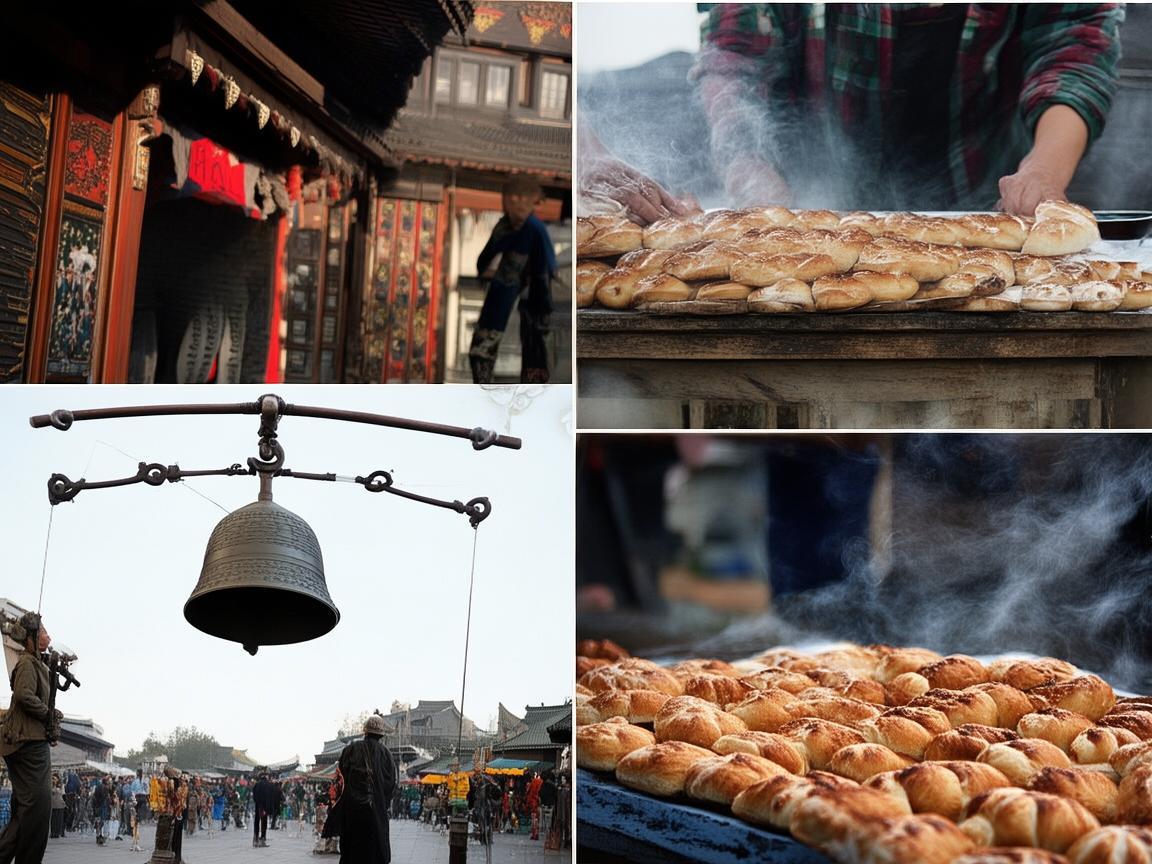
Bells, Buns, and Beyond: My Real Guide to Xi’an’s Best Destination Experiences
First Things First: Getting There & Settling In Like a Local
Xi’an’s airport (XIY) is 45 minutes from downtown, but skip the overpriced taxis—take the Airport Metro Line (¥25, 1 hour). It drops you right at Xi’an North Station or Beilin District, where most hostels and budget hotels are. I stayed near the Bell Tower, in a “siheyuan” (courtyard hotel) for ¥150/night. Pro tip: Look for places with a “sky well” (open-air courtyard)—sipping tea there at night, listening to neighbors chat, beats any fancy hotel lobby.
If you arrive by high-speed rail (from Beijing in 4.5 hours, Chengdu in 2 hours), Xi’an North Station is huge. Follow the signs for Metro Line 2—it’s the easiest way to get anywhere. A single ride costs ¥2-6, and it’s clean, fast, and even has English announcements.
The Terracotta Warriors: Skip the Crowds, Feel the History
Everyone says you have to see the Terracotta Warriors, and they’re right—but most tourists arrive at 9 AM, when it’s shoulder-to-shoulder. Here’s my hack: Go at 7 AM when the gates open. I bought my ticket online (¥120, includes all three pits) and was the first in line. By 8 AM, the tour groups had arrived, and I had Pit 1 (the big one with 6,000 warriors) almost to myself.
Pro tip: Hire a guide at the entrance (¥150-200 for 2 hours). Mine, a retired archaeologist named Mr. Li, pointed out details I’d have missed: the “knots” on the warriors’ shoes (rank indicators), the bronze swords still sharp after 2,000 years, and how each warrior’s face is unique. “They’re not just statues,” he said. “They’re people. Emperor Qin wanted his army to follow him into the afterlife.” Don’t skip the Pit 3 (the command center) or the Exhibition Hall (with bronze chariots)—they’re smaller but way more intimate.
After the warriors, grab lunch at the nearby “Warrior Noodle Shop” (¥15). Their “qishan noodles” are spicy, sour, and loaded with pork and mushrooms—the perfect fuel for more exploring.
Muslim Quarter: Eat, Wander, and Get a Little Lost
Xi’an’s Muslim Quarter isn’t just one street—it’s a labyrinth of alleys, mosques, and food stalls that’s been buzzing for 1,300 years. Most tourists hit the main drag (Beiyuan Road), where vendors sell candied hawthorns and “bingfeng” (flaky pastries). But the real magic is in the side streets, like Huajue Lane or Dapiyuan.
Food is non-negotiable here. Start early (8 AM) with “roujiamo” from “Laol Roujiamo” (¥10). It’s called the “Chinese hamburger”—a crispy, sesame-seed bun stuffed with fatty, slow-cooked pork. Add a spoonful of chili oil and garlic water—trust me, it’s life-changing. Next, grab a bowl of “yangrou Paomo” (¥20) at “Tongshengxi.” You tear the bread into small pieces, then the waiter pours lamb soup over it. It’s messy, warm, and exactly what you need on a cool morning.
For lunch, try “suanpanzi” (cold skin noodles, ¥8)—jelly-like noodles in a tangy sesame sauce, topped with cucumber and bean sprouts. And don’t miss “zenggao” (steamed rice cake, ¥5) from the stall near the Great Mosque—it’s sweet, sticky, and steaming hot.
Culture tip: Visit the Great Mosque (¥25, 8 AM-7:30 PM) at noon, when the call to prayer echoes through the courtyards. It’s the only mosque in China with Chinese-style architecture—red pillars, green roofs, and no domes. Take your shoes off, and be quiet: locals pray here, so it’s not just a “photo op.”
At night, the Quarter comes alive. Street performers play the “surnai” (a traditional oboe), and tea houses fill with locals drinking “paocha” (butter tea) and playing chess. I stumbled upon a tiny shop selling “xiangbao” (fragrant sachets) filled with lavender and cinnamon—¥10 each, and they still smell amazing six months later.
Cycling the City Wall: Where Past Meets Present
Xi’an’s ancient city wall is 14 km long, 12 meters high, and the best-preserved in China. Most tourists take the bus (¥40) or walk a small section. But I rented a bike (¥45 for 3 hours) at the South Gate (Yongning Gate) and cycled the whole thing. Pro tip: Go clockwise—you’ll get better views of the city skyline and the moat.
The first 30 minutes are all history: you pass watchtowers where soldiers once stood, arrow slits for defending against invaders, and inscriptions from the Ming Dynasty. But then, the magic happens: you round a corner and see the modern city—skyscrapers, neon signs, a Ferris wheel—rising behind the wall. It’s a “wow” moment, like stepping through a time portal.
Pack water and snacks (there are a few food carts on the wall), and wear sunscreen—even on cloudy days, the glare off the bricks is intense. I finished my ride at sunset, with the sky turning pink and the Bell Tower twinkling in the distance. Worth every pedal stroke.
Off-the-Beaten-Path: Shaanxi History Museum & Little Wild Goose Pagoda
If you love history but hate crowds, skip the Forbidden City and head to the Shaanxi History Museum (free, but book tickets 3 days ahead on their WeChat). It’s often called the “Chinese Louvre,” and for good reason: you’ll see Tang Dynasty gold cups, jade burial suits, and even a 1,000-year-old “dunhuang” fresco. Pro tip: Go on a weekday morning—way fewer tourists than weekends.
After the museum, walk 10 minutes to the Little Wild Goose Pagoda (¥30). It’s smaller than the Big Wild Goose Pagoda, but way more peaceful. I sat on a bench in the garden, watching old men play chess and kids chase pigeons, and felt like I’d stepped into a Tang Dynasty painting.
Practical Tips That Actually Help
- Payment: WeChat pay and Alipay are everywhere, but bring some cash—small street vendors or rural temples might not take cards.
- Language: Most young people speak English, but older locals might not. Download a translation app (like iFlyTranslate) for ordering food or asking directions.
- Weather: Spring (April-May) and autumn (September-October) are perfect. Summer is hot (35°C+), and winter is cold (-5°C), but the wall is covered in snow then—stunning.
- Safety: Xi’an is super safe, but watch your stuff in the Muslim Quarter—it’s crowded, and pickpockets love tourist areas.
Final Thoughts: Xi’an Is a Feeling, Not a Checklist
I left Xi’an with a full stomach, a sore throat from yelling “duō lai yī diǎr!” (more chili!) at street vendors, and a heart full of stories. I didn’t just see the Terracotta Warriors—I felt them. I didn’t just eat roujiamo—I learned the history behind it (it’s been around since the Qin Dynasty!). I didn’t just walk the city wall—I cycled through 600 years of history.
Xi’an isn’t a place you “tick off” a list. It’s a place you live. So go early, get lost, talk to locals, and eat everything. Because the best destination experiences aren’t the ones you plan—they’re the ones that surprise you. Like that time I followed the smell of cinnamon to a tiny bakery in the Muslim Quarter, and ended up sharing “bingfeng” with an 80-year-old grandma who spoke no English but laughed when I tried to use chopsticks.
That, my friends, is Xi’an. And it’s unforgettable.
Xi’an Airport Transfer Service
Private English-speaking driver service in Xi’an operated directly by Bruce Zhang. 24/7 airport pickup and hotel transfer for foreign travelers.
Helpful for Your Trip in Xi’an
Xi’an Through My Eyes: A Visitor’s Approval Guide to the Must-Do, Must-Eat, and Must-Avoid
2026-09-01Xi’an on Your Terms: How the Smart Access System Made My Trip a Breeze
2026-08-30Xi’an: Where Ancient History Meets a Modern Integrated Tourism Ecosystem
2026-08-29Xi’an: Where Ancient Heritage Breathes with Living Ecosystems
2026-08-27Xi’an on the Metro: A Traveler’s Guide to Getting Around Like a Local
2026-08-27Xi’an Travel Tips: Navigating Ticket Codes Like a Local
2026-08-25What I Only Figured Out After 3 Trips
2026-08-23Is the Forest of Stone Steles Actually Worth Visiting in Xi'an?
2026-08-182026 Travel Season: How to Visit Xi'an in Summer Without the Crowds
2026-08-16Xi’an Travel Diary: How Reservation Confirmations Saved My Trip
2026-08-14