

Travel QR Codes in Xi’an: My Practical Guide for Tourists
As a first-time visitor to Xi’an, I’ll admit I was a bit overwhelmed by all the “scan me” signs before I arrived. Back home, I’m used to cash and credit cards, but here? QR codes are everywhere—like the city’s unofficial language. After a week of fumbling, figuring out, and (occasionally) panicking, I’ve put together this guide to help you navigate Xi’an like a pro. Whether it’s hopping on the metro, entering the Terracotta Army, or grabbing a roujiamo (Chinese hamburger), travel QR codes will be your best friend. Here’s what you need to know.
Transportation: Your QR Code is Your Ticket
Xi’an’s public transport system is efficient, but almost entirely cashless. If you plan to use the metro, buses, or even shared bikes, you’ll need QR codes—and the right apps.
Metro: Download the “Xi’an Metro” App
My first day in Xi’an, I stood at the metro station ticket machine, staring blankly as it only accepted mobile payments. A kind local pointed to a sign: “Scan QR Code to Enter.” I downloaded the “Xi’an Metro” app (called “西安地铁” in Chinese), registered with my phone number, and linked it to Alipay (more on that later). To enter a station, I just open the app, tap “QR Code,” and scan the green code at the gate. It’s instant—no fumbling for coins or paper tickets.
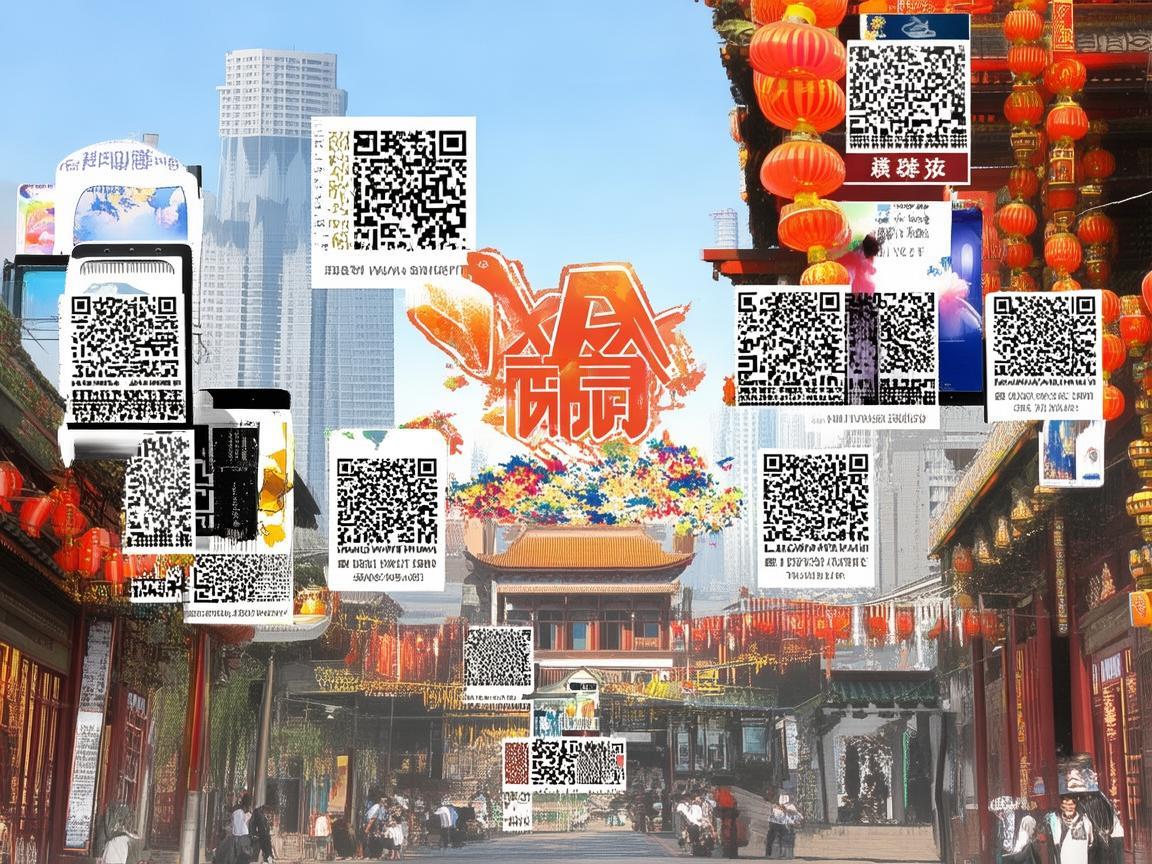
Travel QR Codes in Xi’an: My Practical Guide for Tourists
Pro tip: The app also shows real-time metro schedules and route planning, which saved me from getting lost more than once.
Buses: Use “Alipay” or “WeChat pay” for “Bus Codes”
Buses in Xi’an don’t accept cash, and you can’t buy tickets at stops. Instead, open Alipay or WeChat Pay, search for “公交码” (bus code) in the mini-programs section. For Alipay, it’s under “Transportation”; for WeChat, it’s in the “Services” tab. Enter your bus route number (you can find it on Google Maps or at the bus stop), and a QR code will pop up. Show it to the bus scanner as you board—the fare is automatically deducted (usually ¥1-2 per ride).
Note: Make sure your phone has data, or download the bus codes offline in advance (both apps allow this).
Shared Bikes: Meituan or Alipay for “Bike Codes”
Xi’an is a bike-friendly city, with shared bikes from Meituan (美团) and Hello Bike (哈啰) parked everywhere. To rent one, open Meituan or Alipay, search for “共享单车” (shared bikes), and find a nearby bike. Scan the QR code on the handlebar to unlock it—rides cost around ¥1-2 for 30 minutes. Remember to park in designated zones, or you’ll get fined!
Attraction Tickets: Skip the Lines with Pre-Booked QR Codes
Xi’an’s top attractions (like the Terracotta Army and Big Wild Goose Pagoda) get crowded, especially in peak season. Buying tickets online with QR codes is a game-changer—it saves you from waiting in lines for hours.
Official Channels: “Shaanxi Culture Tourism” or “WeChat Mini-Programs”
I learned this the hard way: showing up at the Terracotta Army at 9 AM on a Saturday meant a 2-hour ticket line. The next day, I used the “Shaanxi Culture Tourism” official account on WeChat (called “陕西文旅一码通”). I selected my ticket type (adult/student), chose a time slot (they limit entries to avoid overcrowding), and paid with Alipay. A QR code was generated instantly—this was my “ticket.” At the entrance, I just scanned it, and the guard let me through in 5 minutes.
Pro tip: For students, bring your student ID—you might need to show it along with the QR code to get the discount.
Other Attractions: Use “Trip.com” or “Meituan”
For smaller sites like the City Wall or Muslim Quarter attractions, I used Trip.com (飞猪) or Meituan. They have English interfaces, let you pick your visit time, and send the QR code to your email. Just show it at the gate—no printing needed!
Payments: Alipay and WeChat Pay Are King
Forget carrying cash. In Xi’an, even street vendors selling tanghulu (candied hawthorns) use QR codes. You’ll need two apps: Alipay (支付宝) and WeChat Pay (微信支付).
How to Set Up Alipay/WeChat Pay as a Tourist
If you don’t have a Chinese bank account, don’t worry—you can link your international credit card (Visa/Mastercard) to both apps. For Alipay: Open the app → “My” → “Payment Methods” → “Add Bank Card.” For WeChat: “Me” → “Payment” → “Cards” → “Add Bank Card.”
Note: Some international cards might not work for small payments (under ¥100), so it’s good to have both apps as backups.
How to Pay with QR Codes
Every shop, restaurant, or market stall has a QR code displayed: a green one for WeChat Pay, a blue one for Alipay. Just open your app, scan the code, enter the amount, and confirm the payment. It’s that fast!
One funny story: I bought a bowl of yangrou Paomo (Xi’an’s famous bread soup) from a street vendor. I tried to pay with cash, but she shook her head and pointed to her WeChat code. I scanned it, paid ¥15, and she handed me the soup with a smile. No change needed, no hassle.
Accommodation: QR Codes for Check-In
Most hotels and hostels in Xi’an use QR codes for check-in, especially if you book through platforms like Booking.com or Agoda. When you arrive, just show your booking confirmation (which has a QR code) at the front desk. They’ll scan it, and you’ll get your room key instantly.
Pro tip: Some budget hostels use self-check-in kiosks—you scan your QR code, print your room key, and skip the front desk entirely. Great if you arrive late at night!
Emergency & Useful Info: QR Codes to Save the Day
Health Codes: “Shaanxi Health Code”
During the pandemic, health codes became mandatory, and they’re still used in some places (like hospitals or large venues). To get one, open Alipay, search for “陕西健康码” (Shaanxi Health Code), and fill in your travel info. It will show a green QR code (meaning you’re healthy) that you might need to scan at certain checkpoints.
Tourist Help: “Xi’an Tourism” Official QR Code
If you get lost or need help, look for the “Xi’an Tourism” official QR code (displayed at major attractions, hotels, and tourist centers). Scan it, and you’ll access a mini-program with maps, English-speaking tour guides, and emergency contact numbers. I used it when I couldn’t find the metro exit at the Big Wild Goose Pagoda—it redirected me in seconds!
Final Tips for Using Travel QR Codes in Xi’an
- Download apps in advance: Make sure you have Alipay, WeChat Pay, and the Xi’an Metro app downloaded and set up before you arrive. Some apps require Chinese phone numbers, but you can use your international number for registration.
- Keep your phone charged: QR codes need power! Carry a power bank—you don’t want to be stuck at a metro station with a dead phone.
- Take screenshots of important QR codes: If you’re worried about poor signal, screenshot your metro ticket, bus code, or attraction QR code as a backup.
- Ask for help: Locals are friendly! If you’re confused about a QR code, just ask a shopkeeper or passerby—they’ll be happy to help.
Xi’an is a city where ancient history meets modern convenience, and QR codes are the bridge between the two. Once you get the hang of them, you’ll navigate the city like a local. Don’t let the “scan me” signs intimidate you—they’re there to make your trip easier. Happy travels!
Xi’an Airport Transfer Service
Private English-speaking driver service in Xi’an operated directly by Bruce Zhang. 24/7 airport pickup and hotel transfer for foreign travelers.
Helpful for Your Trip in Xi’an
Xi’an Through My Eyes: A Visitor’s Approval Guide to the Must-Do, Must-Eat, and Must-Avoid
2026-09-01Xi’an on Your Terms: How the Smart Access System Made My Trip a Breeze
2026-08-30Xi’an: Where Ancient History Meets a Modern Integrated Tourism Ecosystem
2026-08-29Xi’an: Where Ancient Heritage Breathes with Living Ecosystems
2026-08-27Xi’an on the Metro: A Traveler’s Guide to Getting Around Like a Local
2026-08-27Xi’an Travel Tips: Navigating Ticket Codes Like a Local
2026-08-25What I Only Figured Out After 3 Trips
2026-08-23Is the Forest of Stone Steles Actually Worth Visiting in Xi'an?
2026-08-182026 Travel Season: How to Visit Xi'an in Summer Without the Crowds
2026-08-16Xi’an Travel Diary: How Reservation Confirmations Saved My Trip
2026-08-14