

Unlocking Xi’an’s Museums: A Visitor’s Guide to Smooth Access and Rich Experiences
As a history buff who’s spent years chasing ancient ruins and dusty artifacts, Xi’an felt like a dream come true. But let me be real: my first trip here was a bit chaotic. I showed up at the Shaanxi History Museum at 10 AM on a Saturday, only to find a snaking queue that wrapped around the block—and I’d forgotten to book tickets in advance. After three hours of waiting (and nearly giving up), I finally got in, but by then I was too tired to enjoy the exhibits properly. Lesson learned: in Xi’an, museums aren’t just about what’s inside—they’re about how you get there and how you experience what you find. Over two trips, I’ve cracked the code. Here’s your no-BS guide to accessing Xi’an’s top museums and making the most of every visit.
Part 1: Before You Go—The Access Basics (aka Don’t Be Me)
Museum access in Xi’an starts long before you arrive at the gate. The biggest mistake travelers make? Underestimating how popular these places are. Shaanxi History Museum, Terracotta Army, even the smaller ones like the Stele Forest—they all get mobbed, especially on weekends and holidays. Here’s how to skip the stress:
Book Tickets Early—Like, Really Early
Most of Xi’an’s top museums require advance booking, and some sell out days in advance. Don’t wait until you’re standing in line to realize you’re screwed.
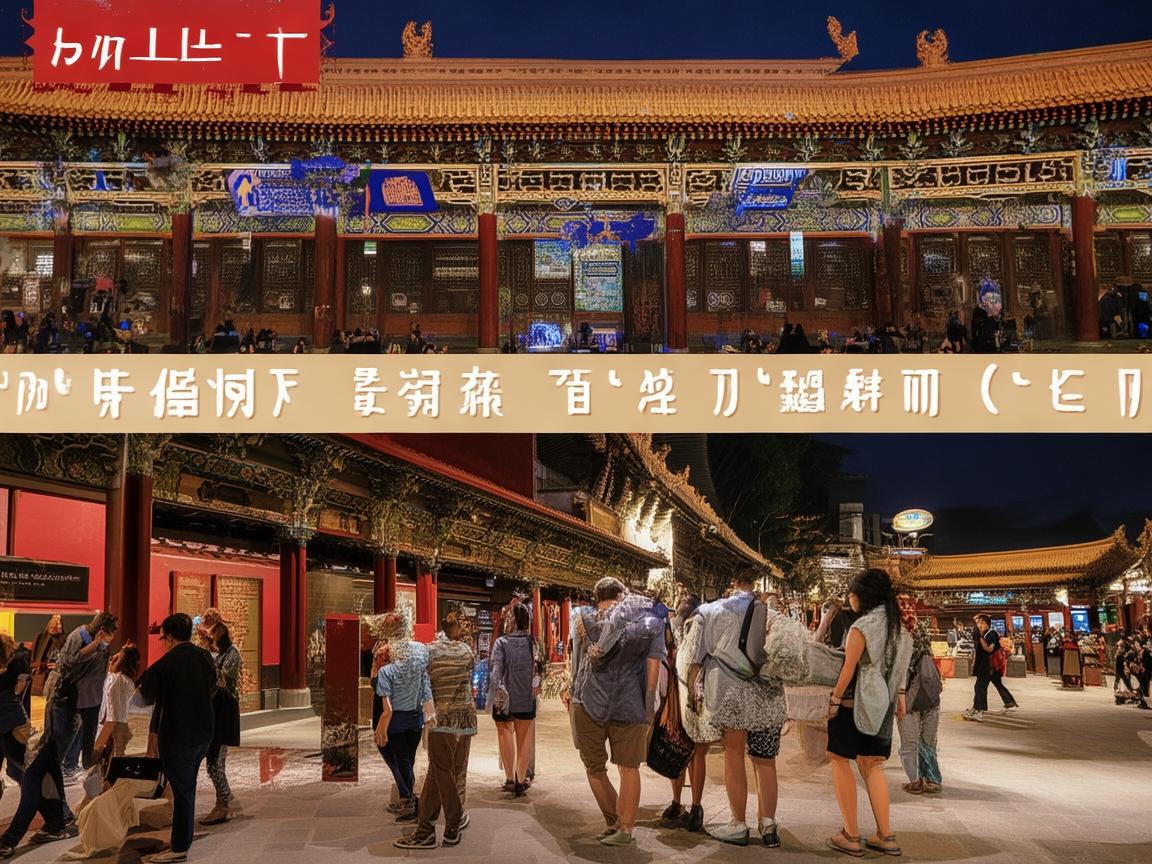
Unlocking Xi’an’s Museums: A Visitor’s Guide to Smooth Access and Rich Experiences
- Shaanxi History Museum: This is the crown jewel. It’s free (yes, free!), but tickets are limited and released online 7 days in advance at 10 AM sharp. Set a calendar reminder! Go to their official WeChat account (“陕西历史博物馆票务系统”) or website. Pro tip: If you miss the free tickets, skip the “golden ticket” (¥300 for a guided tour) and just buy a ¥20 special exhibition ticket—you’ll still get into the permanent exhibits without the wait.
- Terracotta Army Museum: Paid, but worth it. Book via their official site (terracottaarmy.cn) or travel platforms like Trip.com. For ¥150 (¥75 for students), you get entry to all three pits, the bronze chariots, and a 360° movie theater. Skip the “VIP packages” on site—they’re overpriced.
- Stele Forest (Beilin Museum): ¥75, and you can book same-day tickets on-site, but if you go on a weekend, arrive by 8:30 AM to avoid crowds.
Why this matters: Booking ahead saves you 2+ hours of waiting. That’s time you could spend eating roujiamo (Xi’an’s famous burgers) instead of staring at a crowd.
Download These Apps—They’re Your Lifeline
China’s museum scene is digital, and without the right apps, you’ll feel lost. Download these before you arrive:
- WeChat: Essential for everything. Follow museum official accounts for real-time updates (e.g., if a exhibit is closed for maintenance). Use WeChat pay to buy tickets—most places don’t take cash or international cards.
- Alipay: Great for metro cards (tap to enter!) and food stalls near museums.
- Dianping: Like Yelp for China. Check reviews for museum restaurants—some have hidden gems (e.g., the Shaanxi History Museum café has decent Paomo soup).
- Google Translate (with offline pack): While many museums have English signs, staff rarely speak English. Download the Chinese-English pack so you can ask, “Where is the restroom?” without charades.
Part 2: Getting There—Transportation That Actually Works
Xi’an’s museums are spread out, so picking the right transport is key. Here’s the lowdown:
Metro: The Cheapest & Most Reliable
Xi’an’s metro is clean, fast, and avoids traffic. Most major museums are on the line:
- Shaanxi History Museum: Metro Line 2 to “Small Wild Goose Pagoda” (小雁塔), Exit A. 10-minute walk.
- Terracotta Army: Metro Line 9 to “Terracotta Army” (兵马俑), Exit C. 5-minute walk. Note: This line is new (2023), so don’t trust old maps!
- Stele Forest: Metro Line 2 to “Bell Tower” (钟楼), Exit D. 15-minute walk.
Tip: Buy a metro card at any station (¥20 deposit + however much you want to load). Tap it in/out—no need to buy single tickets every time.
Buses: For the Brave (or Budget)
Buses are cheaper (¥1-2) but slower. Useful if you’re going to a museum not on the metro, like the Banpo Museum (Neolithic site). Bus 15 or 105 from the city center gets you there in 40 minutes. Warning: Buses get stuck in traffic during rush hour (7-9 AM, 5-7 PM).
Taxis/Rideshares: Convenient but Pricier
Didi (China’s Uber) is great if you’re with friends or carrying bags. From Xi’an Railway Station to Terracotta Army, it’s ¥60-80 (30 mins). From the city center to Shaanxi History Museum, ¥15-20. Never take unmarked “black taxis” near museums—they’ll overcharge you.
Part 3: Inside the Museum—Maximizing Your Experience
Getting in is half the battle. Now, how do you actually enjoy the exhibits? Here’s what I learned the hard way:
Skip the Crowds—Timing Is Everything
- Shaanxi History Museum: Go on a weekday (Tuesday-Thursday) if possible. Opens at 9 AM—be there by 8:45 AM to be first in line. Weekends are a zoo.
- Terracotta Army: Arrive by 8 AM (opens at 8:30 AM). The tour buses roll in around 10 AM, and it gets packed fast.
- Stele Forest: Less crowded than the big two, but still go early to avoid school groups (10 AM-2 PM).
Guides vs. Audio: What’s Worth It?
- Human Guides: Great for context, but expensive. At the Terracotta Army, a 2-hour group tour (10-15 people) costs ¥150 per person. If you’re a solo traveler, skip it—you’ll spend more time waiting for the group than looking at artifacts.
- Audio Guides: Cheaper and flexible. Shaanxi History Museum rents them for ¥5 (deposit ¥20). The Terracotta Army’s official audio guide (¥30) is worth it—it has cool stories about how the pits were built.
- Free Option: Use WeChat’s “Scan and Translate” on exhibit labels. Most museums have QR codes next to artifacts that link to English descriptions.
Don’t Miss These Hidden Gems
- Shaanxi History Museum: The “Tang Dynasty Gold and Silver Ware” exhibit (Room 3) is breathtaking. Look for the “gilded silver cup with parrot design”—it’s so detailed you can see the feathers on the parrot’s chest.
- Terracotta Army: Most people rush to Pit 1 (the biggest one), but Pit 2 has the most varied figures—archers, cavalry, even kneeling soldiers. And don’t skip the “Bronze Chariots” exhibit—they’re life-size and took 10 years to restore.
- Banpo Museum: It’s smaller, but the “Neolithic Village” replica shows how people lived 6,000 years ago. Fun fact: They found pottery with fingerprints still on it—so cool!
Part 4: The Small Stuff That Makes a Big Difference
Even with perfect planning, little things can ruin your day. Here’s how to avoid them:
- What to Wear: Comfortable shoes. You’ll walk a lot. Museums are big—Shaanxi History Museum has 7 halls, and the Terracotta Army is the size of 3 football fields. Also, bring a light jacket; AC is blasting indoors.
- Food and Water: Most museums have cafés, but they’re overpriced (¥15 for a bottle of water). Bring snacks from a convenience store (7-Eleven is everywhere). At the Terracotta Army, there’s a food stall just outside selling jianbing (Chinese crepes) for ¥5—way better than the museum’s ¥30 sandwich.
- Etiquette: No flash photography (it damages artifacts), and don’t touch anything (even the “please touch” signs—those are for replicas). At the Stele Forest, people rub the stone carvings for good luck—don’t do it, it wears them down.
- Accessibility: Most museums have elevators and ramps, but some older ones (like the Stele Forest) have stairs. If you need help, ask staff—they’re usually friendly, even if they don’t speak English.
Final Thoughts: Museums Are Stories, Not Just Stuff
After my first chaotic trip, I fell in love with Xi’an’s museums because I stopped treating them as “to-do lists” and started seeing them as stories. The Terracotta Army isn’t just clay soldiers—it’s the story of a king who wanted to rule even in death. The Shaanxi History Museum’s Tang Dynasty relics tell tales of a time when Xi’an (then Chang’an) was the world’s biggest, most cosmopolitan city.
By planning ahead (booking tickets, using the right apps), you skip the stress and dive into those stories. And that’s the best part of museum access in Xi’an: it’s not just about getting in—it’s about connecting with the past. So go early, take your time, and let the artifacts whisper their secrets to you. You won’t regret it.
Xi’an Airport Transfer Service
Private English-speaking driver service in Xi’an operated directly by Bruce Zhang. 24/7 airport pickup and hotel transfer for foreign travelers.
Helpful for Your Trip in Xi’an
Xi’an Through My Eyes: A Visitor’s Approval Guide to the Must-Do, Must-Eat, and Must-Avoid
2026-09-01Xi’an on Your Terms: How the Smart Access System Made My Trip a Breeze
2026-08-30Xi’an: Where Ancient History Meets a Modern Integrated Tourism Ecosystem
2026-08-29Xi’an: Where Ancient Heritage Breathes with Living Ecosystems
2026-08-27Xi’an on the Metro: A Traveler’s Guide to Getting Around Like a Local
2026-08-27Xi’an Travel Tips: Navigating Ticket Codes Like a Local
2026-08-25What I Only Figured Out After 3 Trips
2026-08-23Is the Forest of Stone Steles Actually Worth Visiting in Xi'an?
2026-08-182026 Travel Season: How to Visit Xi'an in Summer Without the Crowds
2026-08-16Xi’an Travel Diary: How Reservation Confirmations Saved My Trip
2026-08-14