

Xi’an Entry Platforms: A Traveler’s Guide to Smooth Sights
I’ll never forget my first day in Xi’an. I’d flown 12 hours, lugged a heavy backpack, and stood blinking in the sunlight of Xi’an Xianyang International Airport, feeling both excited and overwhelmed. My first mission? Get to the city center. I followed the signs for “Entry to Metro” and “Taxi Pick-up,” but somehow ended up in a circular hallway going nowhere—that was my first lesson: in Xi’an, “entry platforms” (whether for transport, attractions, or even restaurants) are more than just doors; they’re the gateways to experiences, and knowing how to navigate them can make or break your trip.
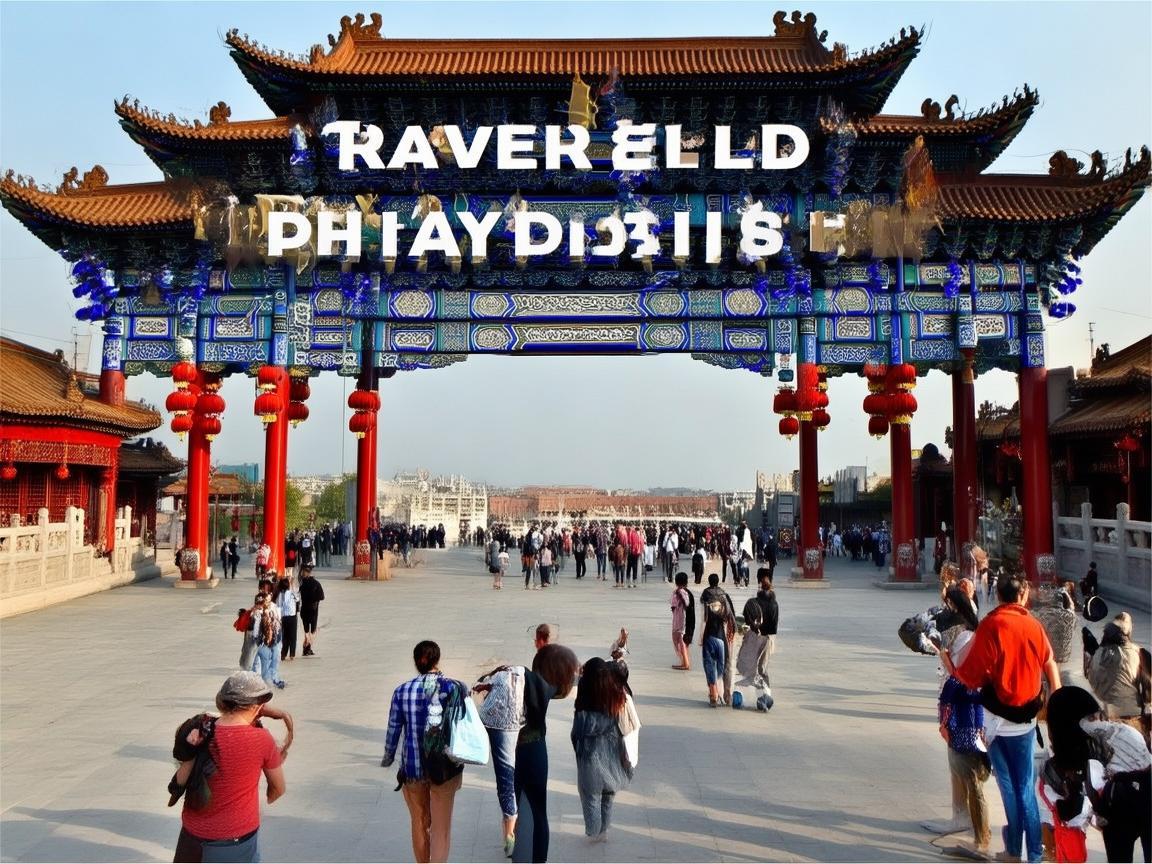
Xi’an Entry Platforms: A Traveler’s Guide to Smooth Sights
After a week of exploring—from the Terracotta Warriors to the Muslim Quarter—I’ve learned that “entry platforms” here are as diverse as the city itself. Some are sleek and modern, others ancient and winding. But all have one thing in common: a little prep goes a long way. So, let me break down the key entry platforms you’ll encounter in Xi’an, with tips to help you glide through like a local.
Xi’an Xianyang International Airport: Your First Entry to the City
Landing in Xi’an is the start of everything, and the airport’s entry platforms are your first test. Here’s what to expect:
-
Arrival Hall Entry: After deplaning, follow signs for “Arrivals.” You’ll pass through immigration (if international) and baggage claim, then hit the main arrival hall. This is where you’ll find transport entry platforms:
- Metro Entry: Look for the “Metro Line 14” sign. The station is connected via a underground walkway (about 10 minutes from baggage claim). Entry gates use Alipay/WeChat pay—just scan the QR code at the ticket machine (no need to buy a physical card unless you plan to stay long). A one-way trip to the city center (e.g., to Bell Tower) takes ~60 minutes and costs ¥8. Pro tip: Avoid rush hours (7-9 AM, 5-7 PM)—the metro gets packed, and you might miss your stop in the crowd!
- Taxi/Ride-Hail Entry: Taxis queue outside Exit 7. Always insist on using the meter—drivers might try to negotiate a flat rate (e.g., ¥100 to Bell Tower), but the correct fare is ~¥50-60. For ride-hails (Didi, similar to Uber), use the app before you exit; the pickup area is clearly marked with “Didi Pick-up” signs.
- Airport Shuttle Entry: Shuttles to major hotels (e.g., Sheraton, Grand Mercure) depart from Exit 8. Tickets are ¥30-50, and you can buy them at the booth inside the hall.
-
My Mistake: First time, I followed a “Taxi” sign that led to an unlicensed cab stand. The driver quoted ¥80 to my hostel—way overpriced. I walked 5 minutes to the official taxi queue, saved ¥30, and got a driver who actually spoke English (rare, but nice!).
Terracotta Army: Entry to the “Eighth Wonder of the World”
No trip to Xi’an is complete without the Terracotta Army, and its entry platform is a well-oiled machine—if you know the drill.
-
Location & Getting There: The site is 40km east of the city. The easiest entry? Take Metro Line 9 to “Huaqing Palace” station, then transfer to Bus 5 or 306 (look for the “Terracotta Army” sign on the bus). Buses leave every 10 minutes, cost ¥5, and take ~30 minutes. Warning: Avoid touts at “Huaqing Palace” station—they’ll try to sell you “private tours” for triple the price.
-
Main Entry Platform: The ticket office is at the north entrance. Buy tickets online (WeChat Mini Program: “秦始皇帝陵博物院”) to skip the line—queues can be 1+ hours during peak season (Oct-Nov, May-Jun). A combo ticket (¥150) includes the Terracotta Army Pit 1, 2, 3, and the Bronze Chariot Pit; if you’re short on time, skip Pit 3 (smaller) and prioritize Pit 1 (the largest, with 6,000+ soldiers).
-
Inside the Entry: After scanning your ticket, you’ll pass through security (no drones, large bags, or food). Grab a map—there are three pits, plus a museum with artifacts like bronze swords and terracotta acrobats. Pro tip: Hire a guide at the entry (¥150-200 for a group) or rent an audio guide (¥60)—the stories behind the pits (e.g., how each soldier’s face is unique) make it 10x more interesting.
-
My Tip: I went at 8 AM (opening time) and had Pit 1 almost to myself. By 10 AM, it was swarming with tour groups. Entry platforms here are efficient, but timing is everything!
Xi’an City Wall: Pedal Through History
The City Wall is a 14km Ming Dynasty fortification, and its entry platforms are your launchpad for biking, walking, or even segwaying (yes, really!).
-
Entry Points: There are 13 gates, but tourists mostly use four:
- Yongning Gate (South Gate): The grandest, with a moat and tower. Great for photos—entry is via a stone staircase under the gate.
- Changle Gate (East Gate): Quieter, with bike rentals right at the entry.
- Anding Gate (West Gate): Close to the Muslim Quarter—convenient if you’re combining with a food crawl.
- Zhengyang Gate (North Gate): Less crowded, but fewer transport links.
-
Entry Process: Buy tickets at the gate (¥54) or online (WeChat: “西安城墙”). For bikes, head to the rental desk inside—¥45 for 100 minutes, ¥80 for 24 hours. They require a deposit (¥200) and ID. Pro tip: Rent after you enter—some entry points have bike stations, but the main rental is inside the wall, so you don’t have to carry your bike up the stairs.
-
My Experience: I entered at Changle Gate, rented a bike, and pedaled clockwise to Yongning Gate. The entry platform here is wide and flat, no stairs—perfect for rolling bikes. Bonus: The view of the city from the wall is unbeatable, and biking lets you stop at watchtowers without rushing.
Muslim Quarter: Entry to a Food Paradise
The Muslim Quarter (Huimin Street) is Xi’an’s food hub, and its entry platforms are a mix of chaos and charm.
-
Main Entry Points:
- Beiyuanmen Gate: The “official” entrance, near the Bell Tower. A stone archway with “回民街” (Muslim Street) in Chinese—hard to miss.
- Dapiyuan Alley: A quieter entry, parallel to Beiyuanmen. Less crowded, more local.
-
What to Expect: Entry platforms here are narrow alleys lined with food stalls. The “entry” isn’t a gate—it’s the moment you step from the bustling street into a world of skewers, noodles, and sweet treats. Pro tip: Go on an empty stomach! Start with roujiamo (Chinese hamburger, ¥10) at “Laomajie Roujiamo” (near Beiyuanmen entry), then try Paomo (bread soup, ¥15) at “Lao Sun Ji.” For dessert, grab hongdou tang (red bean soup, ¥5) from a street vendor—look for the stall with the longest line (locals know best).
-
My Mistake: First time, I entered from the west end (near the Drum Tower) and got lost in a maze of identical alleys. I wasted 30 minutes walking in circles. Now, I always start at Beiyuanmen Gate—there’s a map at the entry, and vendors are used to guiding lost tourists.
Big Wild Goose Pagoda (Dayan Ta): Entry to Buddhist Serenity
This 7th-century pagoda is a symbol of Xi’an, and its entry platform blends history with modern park vibes.
-
Location: In the “Big Wild Goose Pagoda North Square,” a huge public space with fountains and statues. Entry to the square is free—you only pay to enter the pagoda itself.
-
Entry Process: Buy tickets at the booth (¥50, or ¥70 for “combo” with the nearby Tang Dynasty Music and Dance Show). The entry platform is a stone staircase leading up to the pagoda base. You’ll pass by monks and locals praying—keep quiet and respectful.
-
Pro Tip: Visit at sunset. The square’s fountains light up at 8 PM (free show), but the best part? The view from the pagoda’s top (extra ¥20). You can see the whole city—ancient pagodas, modern skyscrapers, and the City Wall in the distance.
-
My Tip: Skip the “combo ticket” unless you plan to stay for the music show (it’s touristy). Just entering the pagoda is worth it—climb the wooden stairs (narrow, so take your time) to see Buddhist relics and carvings.
Final Thoughts: Entry Platforms Are Your Travel Allies
After a week in Xi’an, I realized “entry platforms” aren’t just about getting in—they’re about setting the tone for what’s next. A smooth airport entry means less stress; a well-timed Terracotta Army entry means fewer crowds; a strategic City Wall entry means more fun.
My biggest takeaway? Prep is key. Download WeChat (for payments and tickets), learn a few Chinese phrases (“你好” = hello, “谢谢” = thank you), and always check opening times (some attractions close on Mondays). And don’t be afraid to ask locals—most are happy to help, even if your Mandarin is as bad as mine!
Xi’an is a city where ancient and modern collide, and its entry platforms are the threshold to all of it. Navigate them well, and you’ll not only see the sights—you’ll feel the city. Happy travels!
Xi’an Airport Transfer Service
Private English-speaking driver service in Xi’an operated directly by Bruce Zhang. 24/7 airport pickup and hotel transfer for foreign travelers.
Helpful for Your Trip in Xi’an
Xi’an Through My Eyes: A Visitor’s Approval Guide to the Must-Do, Must-Eat, and Must-Avoid
2026-09-01Xi’an on Your Terms: How the Smart Access System Made My Trip a Breeze
2026-08-30Xi’an: Where Ancient History Meets a Modern Integrated Tourism Ecosystem
2026-08-29Xi’an: Where Ancient Heritage Breathes with Living Ecosystems
2026-08-27Xi’an on the Metro: A Traveler’s Guide to Getting Around Like a Local
2026-08-27Xi’an Travel Tips: Navigating Ticket Codes Like a Local
2026-08-25What I Only Figured Out After 3 Trips
2026-08-23Is the Forest of Stone Steles Actually Worth Visiting in Xi'an?
2026-08-182026 Travel Season: How to Visit Xi'an in Summer Without the Crowds
2026-08-16Xi’an Travel Diary: How Reservation Confirmations Saved My Trip
2026-08-14