

Xian Offline: A Solo Travelers No-Fluff Guide to Ancient China and Local Life
I landed in Xi’an with a vague idea of "terracotta warriors and old city walls"—and left completely in love. This city isn’t just a checklist of sights; it’s a living, breathing museum where every alley whispers history, and every meal tells a story. As someone who ditched the endless scrolling of travel blogs to explore offline, I learned the hard way (and the delicious way) how to do Xi’an right. Here’s my no-BS guide for travelers who want to feel the city, not just see it.
Getting There & Getting Around: No-Nonsense Transport
First things first: Xi’an is easy to reach, but skip the overpriced airport taxis unless you’re lugging a ton of luggage. From Xi’an Xianyang International Airport, take the Airport Metro Line (Airport Line) straight to the city center—it’s clean, cheap (¥8), and drops you at North Square of Bell Tower (钟楼北), a central hub. From there, the regular metro (Lines 1-4) covers almost everything: a single ride costs ¥3-¥6, and you can pay by scanning Alipay/WeChat (just link your international card first).
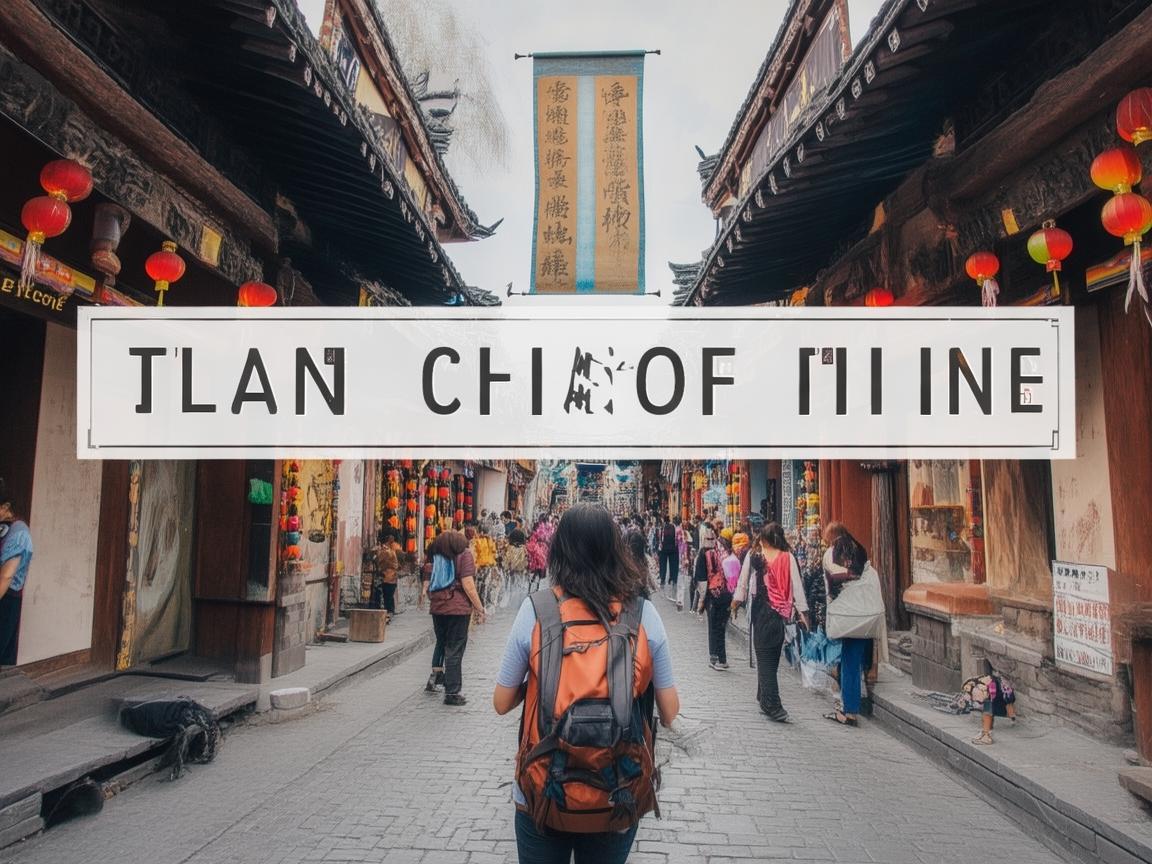
Xian Offline: A Solo Travelers No-Fluff Guide to Ancient China and Local Life
For short distances, walk! Xi’an’s old city is compact, and wandering the lanes between the Bell Tower and Muslim Quarter is half the fun. If you’re tired, bikes from HelloBike or Meituan are everywhere—¥1-¥2 per 30 minutes, and they have helmets now. Pro tip: Avoid "black cabs" (unmarked cars hanging around tourist spots)—use Didi (China’s Uber) instead; it’s cheap and reliable.
Where to Stay: Base Yourself Like a Local
Don’t stay in a sterile hotel chain in the suburbs. Pick a spot in the Old City (inside the city walls) or Muslim Quarter (near the Bell Tower). I stayed at a tiny guesthouse in Beiyuanmen (北院门), the main street of the Muslim Quarter. It was noisy at night, but waking up to the smell of roasting lamb and vendors calling out "roujiamo!" (meat burger) was priceless.
- Budget: Look for "青旅" (qīnglǚ, youth hostels) like Xi’an City Youth Hostel—dorm beds from ¥80/night, and they organize group trips to Terracotta Warriors.
- Mid-range: Muslim Quarter boutique hotels like "The Muslim Quarter Inn"—clean, traditional decor, and steps away from breakfast.
- Splurge: The Bell Tower Hotel—right next to the Bell Tower, with stunning views of the city from the rooftop bar.
Avoid staying too far east or west of the center; you’ll waste hours commuting.
Must-See Spots: Beyond the Postcard Views
Xi’an has iconic sights, but the magic is in the details. Here’s how to do them offline:
Terracotta Warriors (兵马俑)
Yes, it’s crowded, but it’s worth it. Skip the "private guides" yelling at the entrance—they’re overpriced and unreliable. Instead:
- Take Bus 5 (游5路) from the East Bus Station (东汽车站). It’s direct, ¥5, and leaves every 10 minutes. Avoid Bus 306—locals say it overcharges.
- Hire an official guide at the ticket counter: ¥150 for a 2-hour tour (max 5 people). They’ll explain the why behind the warriors (e.g., "Why do some have helmets and others don’t?").
- Go early (8:30 AM opening) to beat tour groups. The "Archers Pit" (二号坑) is less crowded and has the best-preserved warriors.
Xi’an City Wall (西安城墙)
Walk it, don’t just take a photo. Rent a bike (¥50/2 hours) and ride the entire 14km loop—start at Yongning Gate (南门), the most restored section. The best part? Riding at sunset when the wall glows gold. Pro tip: If you’re tired, jump off at East Gate (东门) and take the metro back.
Muslim Quarter (回民街)
It’s touristy, but offline magic hides in the side streets. Skip the main drag (Beiyuanmen) for food—head to Sajinqiao (洒金桥) or Dapiyuan (大皮院), where locals eat.
- Must-try: Roujiamo (肉夹馍)—"Chinese hamburger" with slow-cooked pork. Try "Sunroujiamo" (孙肉夹馍) in Sajinqiao; the bread is crispy, and the meat falls apart.
- Breakfast: Paomo (泡馍)—tear the bread yourself, then the server simmers it in lamb broth. Add chili oil and garlic. "Laomao Paomo" (老泡馍) in Dapiyuan is legendary.
- Dessert: Liangpi (凉皮)—cold noodles with sesame paste. "Shengzhiwang Liangpi" (盛志望麻酱酿皮) in Beiyuanmen is worth the line.
Shaanxi History Museum (陕西历史博物馆)
Xi’an’s "treasure chest" of Tang Dynasty relics, but tickets sell out fast. Book 3 days ahead on their WeChat account (search "陕西历史博物馆"). Entry is free, but special exhibitions (e.g., Tang gold artifacts) cost ¥30. Go at 9 AM when it opens—you’ll have 2 hours before the crowds hit. Don’t miss the "Sancai Tang" (三彩堂)—Tang tri-colored pottery is stunning.
Big Wild Goose Pagoda (大雁塔)
It’s a tall pagoda, but the real vibe is at night. At 7 PM, the North Square Fountain Show (亚洲最大的音乐喷泉) starts—free, and it’s a spectacle of lights, water, and music. Grab a bingfengbing (冰峰汽水, Xi’an’s local soda) from a street vendor and watch the locals dance.
Offline Experiences: Talk to People, Not Screens
Xi’an’s soul is in its people. Here’s how to connect:
- Join a food tour with "Xi’an Eats"—they take you to family-run restaurants in Muslim Quarter, where you’ll learn to make dumplings and chat with grandmas who’ve been cooking for 50 years.
- Visit a teahouse in "De Fa Cheng" (德发长) near the Bell Tower. Order a pot of piancha (陕南粗茶, local black tea) and watch locals play chess. They’ll happily teach you a few moves.
- Go to a night market in "Tang West Market" (大唐西市). It’s a modern replica, but the night market is real—try grilled squid on a stick (¥5) and jianbing (煎饼, savory crepe). Bargain with vendors—they’ll laugh if you’re too serious, but they’ll cut you a deal.
Avoiding Tourist Traps: Lessons from a First-Timer
I fell for these—don’t you:
- "Authentic Terracotta Warrior" miniatures: The ones sold near the Terracotta Warriors are plastic. Buy souvenirs at the museum shop—they have replicas made of clay.
- "Free" tea ceremonies: In Muslim Quarter, "friendly" locals might invite you for tea, then charge ¥200 for a tiny cup. Politely say "no thanks."
- Overpriced "hamburger" roujiamo: Some vendors charge ¥20 for a roujiamo with a tiny piece of meat. Look for stalls with long lines—locals know where the good stuff is.
Final Tips for a Smooth Trip
- Weather: Spring (Apr-May) and autumn (Sep-Oct) are perfect. Summer is scorching (35°C+), and winter is cold but less crowded.
- Language: Learn basic Mandarin: "Ni hao" (hello), "Duoshao qian?" (how much?), "Xiexie" (thank you). Young people speak English, but older vendors appreciate the effort.
- Cash: Small bills (¥5, ¥10, ¥20) are king—street vendors and small shops rarely take cards.
- Pace: Xi’an is best slow. Spend 2 days in the old city, 1 day at Terracotta Warriors, and 1 day exploring side streets. You’ll leave feeling like you lived here, not just visited.
Xi’an isn’t just a destination—it’s a feeling. It’s the smell of lamb skewers at dusk, the sound of bike bells on the city wall, and the warmth of a grandma handing you an extra paomo because "you’re too skinny." So put your phone down, get lost in the alleys, and let this ancient city wrap you in its story. That’s the magic of offline tourism.
Xi’an Airport Transfer Service
Private English-speaking driver service in Xi’an operated directly by Bruce Zhang. 24/7 airport pickup and hotel transfer for foreign travelers.
Helpful for Your Trip in Xi’an
Xi’an Through My Eyes: A Visitor’s Approval Guide to the Must-Do, Must-Eat, and Must-Avoid
2026-09-01Xi’an on Your Terms: How the Smart Access System Made My Trip a Breeze
2026-08-30Xi’an: Where Ancient History Meets a Modern Integrated Tourism Ecosystem
2026-08-29Xi’an: Where Ancient Heritage Breathes with Living Ecosystems
2026-08-27Xi’an on the Metro: A Traveler’s Guide to Getting Around Like a Local
2026-08-27Xi’an Travel Tips: Navigating Ticket Codes Like a Local
2026-08-25What I Only Figured Out After 3 Trips
2026-08-23Is the Forest of Stone Steles Actually Worth Visiting in Xi'an?
2026-08-182026 Travel Season: How to Visit Xi'an in Summer Without the Crowds
2026-08-16Xi’an Travel Diary: How Reservation Confirmations Saved My Trip
2026-08-14