

Xi’an QR Code Survival Guide: How I Navigated China’s Digital Maze as a Tourist
Landing in Xi’an, I was equal parts excited and overwhelmed. As a tourist from the U.S., I’d heard stories about China’s “cashless society,” but I didn’t realize how much I’d rely on the QR code system until I tried to buy a bottle of water at the airport and the vendor just stared at me when I handed her cash. “WeChat, Alipay,” she said, pointing at my phone. Cue my panic: I hadn’t set up either app yet, and my phone plan didn’t work in China. That first hour was a crash course in why QR codes are the backbone of travel here. By the end of my trip, I’d mastered the system enough to hail cabs, order food, and even visit the Terracotta Warriors without breaking a sweat. If you’re heading to Xi’an, let me save you the headache—here’s how to survive (and thrive) using China’s QR code system.
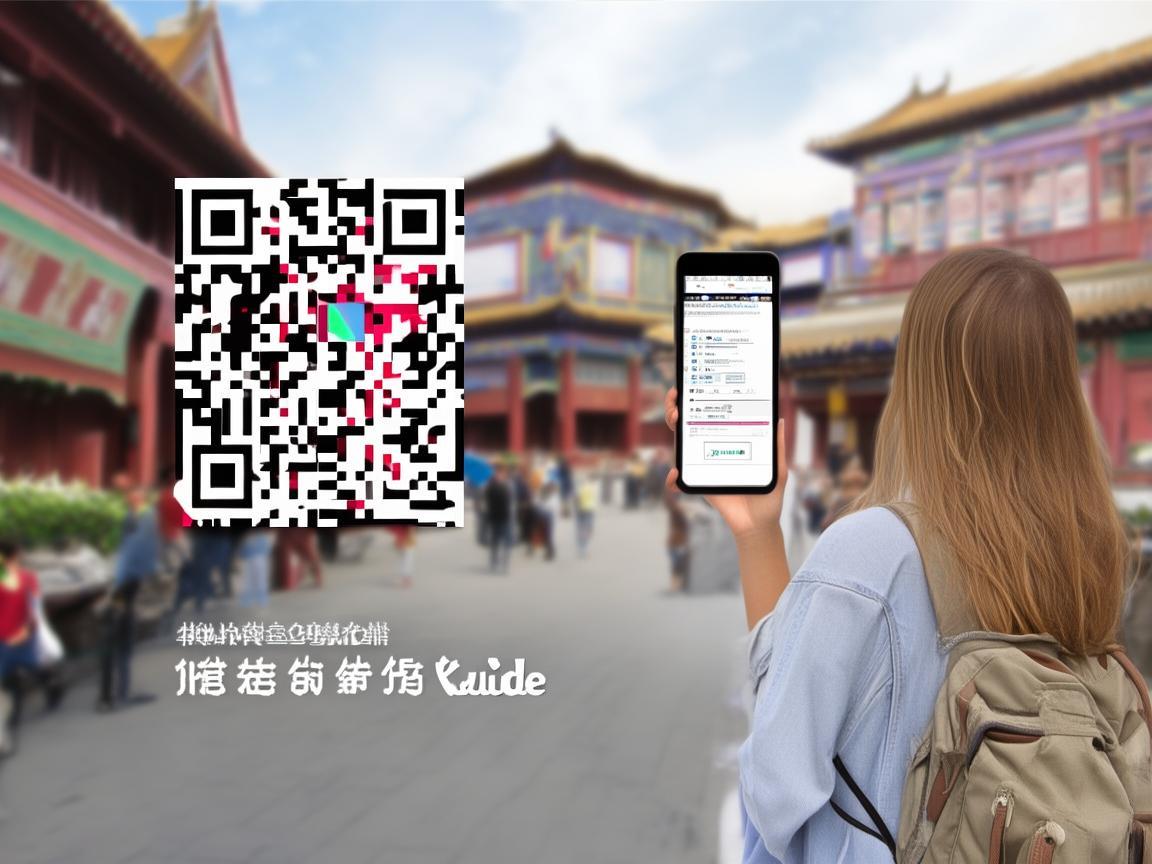
Xi’an QR Code Survival Guide: How I Navigated China’s Digital Maze as a Tourist
First Things First: Get Your Digital Wallet Ready
Before you even think about leaving the airport, you need a way to pay. Cash is rare in most shops, and even street vendors prefer QR codes. The good news? It’s easy to set up, but you need to plan ahead.
Step 1: Download WeChat pay or Alipay
Both are China’s dominant payment apps. WeChat is more social (great for splitting bills with friends), while Alipay is more financial (linked to banks, better for big purchases). I downloaded both—better safe than sorry.
Step 2: Link a Bank Card
You’ll need an international credit/debit card (Visa/Mastercard work). Open the app, go to “Me” → “Wallet” → “Payment Methods” → “Add Bank Card.” Enter your card details—don’t worry, it’s secure. I tested with a small $5 load to make sure it worked.
Step 3: Top Up (Optional but Helpful)
If you’re worried about foreign transaction fees, you can add Chinese yuan (CNY) to your wallet via “Recharge” in Alipay or “Wallet” → “Balance” in WeChat. I added ¥500 (~$70) at the start, which lasted me 3 days for meals, transport, and souvenirs.
Pro Tip: If you don’t have a Chinese phone number, you can still register with your passport. At the airport, I saw a “WeChat Help Desk” near baggage claim—staff can assist with setup if you get stuck.
Transportation: Hailing Cabs and Riding the Metro
Xi’an’s public transport is efficient, but only if you know how to scan QR codes. Taxis, metro, and even buses use digital payments, so skip the ticket lines.
Taxis: Use WeChat/Alipay to Pay
Hailing a cab is easy—just stand on the street and raise your hand. But when you get to your destination, the driver will say, “WeChat or Alipay.” Open your app, go to “QR Code” (WeChat) or “扫一扫” (Alipay), and let the driver scan your code. I once tried to pay with cash and the driver just shook his head and pointed to his QR code sticker on the dashboard. Lesson learned: always have your payment app ready.
Metro: Buy a “Yikatong” Card or Use QR Codes
Xi’an Metro is the best way to get around, but ticket machines only take cash (and the lines are long). Instead, use Alipay’s “Metro Pass” or WeChat’s “Metro Code.” Here’s how:
- Open Alipay → “Metro Pass” → Select “Xi’an Metro” → Add your face or phone number to generate a QR code.
- At the station, scan the code at the gate—no need to buy a physical ticket!
- It automatically deducts the fare (around ¥2-5 per ride).
Bonus: The QR code works for buses too! I took Bus 5 from the Bell Tower to the Muslim Quarter, and the bus driver just scanned my phone. Saved me from fumbling for coins.
Pro Tip: Download a metro map offline (use “Xi’an Metro” app or Google Maps) in case you lose cell service. Stations are well-signed, but it’s easy to get turned around in the transfer hubs.
Attractions: Skip the Ticket Lines with QR Codes
Xi’an’s top spots—Terracotta Warriors, Big Wild Goose Pagoda, City Walls—require advance booking, and QR codes are your ticket.
Book Online First
Forget buying tickets at the gate; most sell out, especially in peak season. Use:
- Official Apps: “Xi’an Culture Tourism” (for city-run sites) or “Terracotta Warriors Museum” (for the army).
- OTA Platforms: Trip.com, Klook, or WeChat Mini Programs (search “西安门票”).
I booked the Terracotta Warriors + Huaqing Palace combo on Trip.com for ¥150 (~$21). After paying, I got a QR code confirmation email.
Scan to Enter
At the entrance, show your ID and the QR code. Staff scan it, and you’re in—no printing needed! For the Terracotta Warriors, I also rented an audio guide via WeChat Mini Program (search “兵马俑语音导览”), scanned a QR code at the gate, and listened on my phone. So much easier than carrying a clunky device.
Pro Tip: For popular sites like the City Walls, book early morning tickets (8-10 AM) to avoid crowds. I went at 9 AM, scanned my code, and walked right onto the wall—no line at all!
Eating Out: From Street Food to Fancy Restaurants
Xi’an is a foodie paradise, but you can’t enjoy it if you can’t pay. Whether you’re at a night market or a sit-down restaurant, QR codes rule.
Street Vendors: WeChat/Alipay Is King
At the Muslim Quarter, I tried to buy roujiamo (Chinese hamburger) from a street cart. The vendor pointed to a laminated QR code taped to his cart. Open WeChat → “QR Code” → let him scan. Done! I ate like a king for ¥20 (~$3). Even small food stalls have these codes—just look for the bright green (WeChat) or blue (Alipay) stickers.
Restaurants: Split Bills with Ease
At a sit-down restaurant, the server will give you a QR code to pay when you’re done. If you’re with friends, use WeChat’s “Split Bill” feature: open the chat → “+” → “Split Bill” → enter the total → select friends → they pay you back instantly via WeChat Pay. No more “I’ll Venmo you later” drama—I split a ¥200 bill with 3 friends this way, and it took 30 seconds.
Pro Tip: Keep a small stash of cash (¥10 and ¥20 bills) for tiny stalls that might not accept QR codes (rare, but I met one grandma selling persimmons who only took cash). Also, check if restaurants add a “service fee” for QR payments—most don’t, but it’s worth asking.
Accommodation: Check-In and Beyond
Even hotels use QR codes for check-in, room service, and more. I stayed at a mid-range hotel near the Bell Tower, and the process was seamless.
Check-In with a QR Code
When I booked via Booking.com, I got a QR code confirmation. At the front desk, I showed it, scanned my ID, and got my room key—no paperwork. Later, I ordered room service via the hotel’s WeChat Mini Program: scanned a QR code in the room menu, paid, and my food arrived in 20 minutes.
Pro Tip: Some hotels use facial recognition for check-in (you stand in front of a scanner, it matches your ID to your booking). If you’re uncomfortable, just ask for a manual check—they’re happy to help.
QR Code Disasters: How to Fix Common Problems
I’ll be honest—I ran into a few hiccups. Here’s how to bounce back:
Problem 1: “This QR Code Is Invalid”
I tried to enter the Big Wild Goose Pagoda and my booking QR code wouldn’t scan. Turns out, I’d downloaded the confirmation email but didn’t open the latest version (Trip.com had sent an update). Always refresh your booking apps before heading to a site.
Problem 2: “Network Error”
In the Terracotta Warriors parking lot, I had no cell service and couldn’t pay for a taxi. Solution: Download offline maps (Google Maps or Baidu Maps) and keep a screenshot of your QR codes in your photo roll. I also saved my hotel’s address in Chinese (“西安市碑林区钟楼南路” ) to show drivers.
Problem 3: “WeChat Pay Is Temporarily Unavailable”
Once, WeChat Pay froze because I’d tried to pay too quickly (I was buying snacks and coffee at the same stall). If this happens, close the app, wait 5 minutes, and try again. Better yet, use Alipay as a backup—they rarely glitch at the same time.
Final Thoughts: QR Codes Are Your Friend
By the end of my trip, I was a QR code pro. I’d hailed cabs at 2 AM, eaten street food without speaking a word of Mandarin, and even bought a silk scarf from a vendor using just my phone. The QR system might seem intimidating at first, but it’s designed to make life easier—no cash, no cards, just tap and go.
My advice? Download WeChat and Alipay before you leave home, test them with a small purchase, and keep a backup of your QR codes in your photo roll. Xi’an is an incredible city—ancient walls, delicious food, and friendly people—and with the QR system, you can focus on exploring, not stressing. Now go enjoy those roujiamo!
Xi’an Airport Transfer Service
Private English-speaking driver service in Xi’an operated directly by Bruce Zhang. 24/7 airport pickup and hotel transfer for foreign travelers.
Helpful for Your Trip in Xi’an
Xi’an Through My Eyes: A Visitor’s Approval Guide to the Must-Do, Must-Eat, and Must-Avoid
2026-09-01Xi’an on Your Terms: How the Smart Access System Made My Trip a Breeze
2026-08-30Xi’an: Where Ancient History Meets a Modern Integrated Tourism Ecosystem
2026-08-29Xi’an: Where Ancient Heritage Breathes with Living Ecosystems
2026-08-27Xi’an on the Metro: A Traveler’s Guide to Getting Around Like a Local
2026-08-27Xi’an Travel Tips: Navigating Ticket Codes Like a Local
2026-08-25What I Only Figured Out After 3 Trips
2026-08-23Is the Forest of Stone Steles Actually Worth Visiting in Xi'an?
2026-08-182026 Travel Season: How to Visit Xi'an in Summer Without the Crowds
2026-08-16Xi’an Travel Diary: How Reservation Confirmations Saved My Trip
2026-08-14