

Xi’an Travel Smart: How China’s Smart Entry Made My Trip a Breeze
I’ll admit, before my trip to Xi’an, I was a bit nervous. I’d heard stories about long immigration lines, confusing paperwork, and the hassle of navigating a foreign country with limited Mandarin. But as it turned out, China’s “Smart Entry” system turned all those worries into a smooth, almost seamless experience. Let me walk you through how this tech-savvy approach made my Xi’an adventure not just doable, but delightful—from the moment I landed to my last bite of roujiamo.
Landing in Xi’an: The Smart Entry Game-Changer
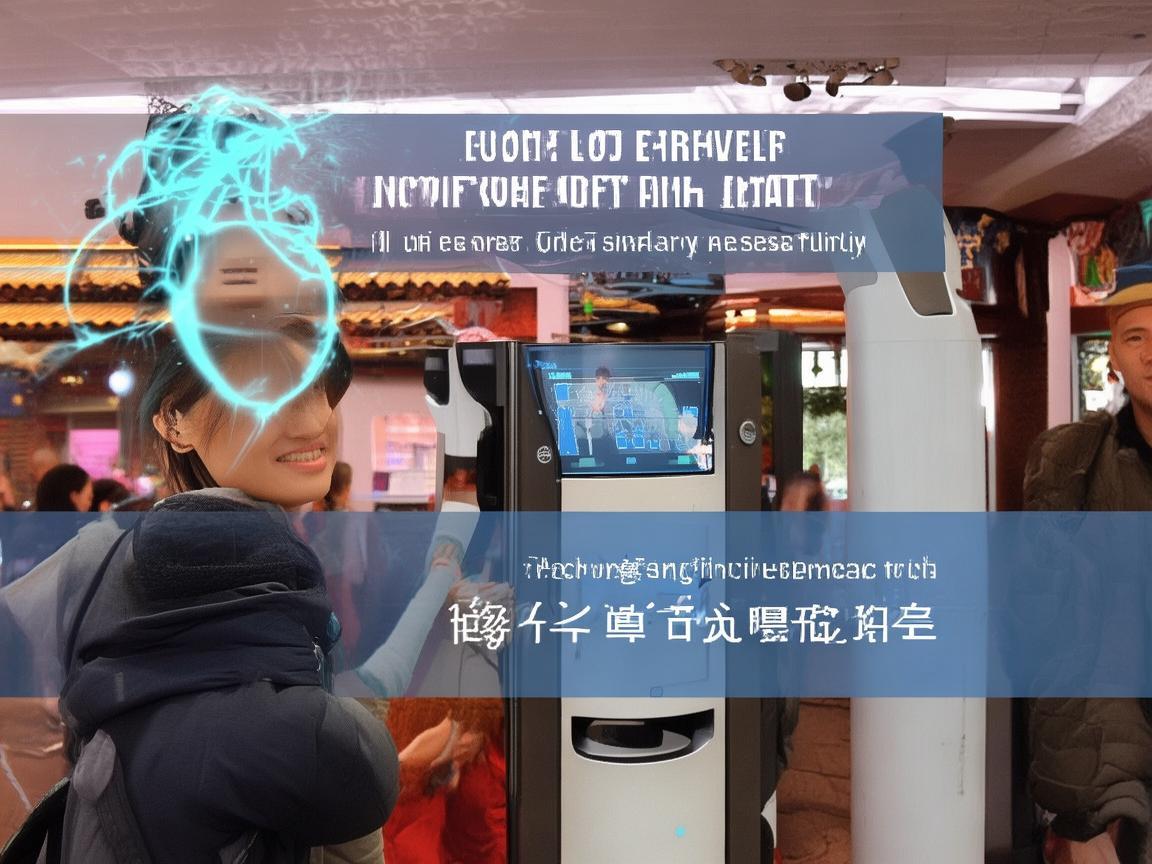
My flight touched down at Xi’an Xianyang International Airport around 10 PM. I braced myself for the usual chaos: crowded passport control, sleepy officers, and maybe a language barrier. But instead, I was greeted by sleek, self-service kiosks labeled “Smart Entry.”
Xi’an Travel Smart: How China’s Smart Entry Made My Trip a Breeze
First things first: I scanned my passport at the machine. It read my bio page in seconds, then prompted me to place my face in a frame—no photo, just a quick glance. A pop-up asked if I had any declared items (I didn’t, just a suitcase and a backpack). Within 60 seconds, the machine printed a small slip with my photo, name, and entry stamp—no need to talk to anyone, no need to fill out paper forms.
Even better? The lines for these kiosks were 80% shorter than the traditional counters. I saw a few other tourists fumbling with paper forms, but for those of us using Smart Entry, it was in-and-out. By the time I collected my luggage (which came out quickly, thanks to automated tracking), I was already in a taxi, heading to my hotel. No stress, no confusion—just pure efficiency.
Pro tip: If you’re traveling with a group, split up to use the Smart Entry kiosks while others wait in line. You’ll save at least 20 minutes!
Getting Around: Smart Apps and Cashless Magic
Once I cleared immigration, the next hurdle was transportation. I’d read that Xi’an’s subway system is efficient, but I wasn’t sure how to buy a ticket without Mandarin. Enter Alipay and WeChat pay—China’s two super-apps that are basically essential for travel.
At the airport subway station, I saw signs for “Mobile Payment” guiding me to self-service ticket machines. Instead of cash, I opened Alipay (which I’d linked to my credit card before the trip), scanned the QR code on the machine, and selected my destination (the city center, where my hotel was). The machine spit out a subway card loaded with fare—done. No exchange counters, no fumbling with coins.
Over the next few days, I relied on these apps for everything: hailing Didi (China’s Uber) with a few taps, paying for street food at Muslim Quarter, and even buying tickets to the Terracotta Army. At the Terracotta Army ticket office, I scanned a QR code on my phone, entered my ID, and got an e-ticket—no waiting in line, no paper to lose.
Smart move: Download Alipay and WeChat Pay before you go. Link your international credit card (Visa/Mastercard work most places), and top up a little “wallet” balance for small purchases. For subway, you can also use WeChat’s “Ride Metro” feature—just scan the QR code at the gate, and it deducts fare automatically when you exit.
Exploring Xi’an: Smart Tech Meets Ancient History
Xi’an is a city of contrasts: 3,000-year-old city walls next to futuristic skyscrapers, and the Smart Entry system wasn’t just for immigration—it was everywhere, making ancient sites accessible to modern travelers.
Take the Terracotta Army, for example. I’d heard it’s crowded, but with a pre-booked e-ticket (via the “游西安” app, Xi’an’s official tourism platform), I skipped the main ticket line. Inside, there are AR (augmented reality) devices you can rent (or use your phone with the app) to “see” the warriors come to life—point your camera at a pit, and your screen shows soldiers marching, horses galloping. It’s like having a personal historian in your pocket.
At the City Wall, I rented a bike using a WeChat mini-program. Scanned a QR code at the rental kiosk, paid a deposit, and off I went—no staff needed, no cash. The app even had a map showing bike-friendly routes and scenic spots. For sunset, I stopped at a snack stall and paid for tea with Alipay—just scanned the vendor’s QR code.
The Muslim Quarter was another highlight. I was worried about language barriers when ordering food, but most vendors had pictures of dishes (like Paomo soup or yangrou paomo) with prices in English. For extra help, I used Google Translate’s camera feature—point it at a menu, and it translates in real time. Some stalls even had QR codes linking to English descriptions of their food.
Pro tip: Download the “游西安” app early. It has maps, event info, and even “smart guides” for major sites—like audio tours triggered by scanning QR codes at specific exhibits.
Staying Connected: eSIM and 5G Everywhere
One of my biggest fears was being without internet. But China’s 5G network is fast, and getting connected was easier than I expected. I bought an eSIM online before my trip (via apps like Airalo), which let me activate Chinese data as soon as I landed. For just $20, I got 10GB of high-speed data—enough for maps, apps, and posting to Instagram.
If you prefer a physical SIM, you can buy one at the airport arrival hall—just look for the “China Mobile” or “China Unicom” counters. Staff speak basic English, and you’ll be set up in 5 minutes.
Bonus: Xi’an’s tourist spots have free public Wi-Fi, but it’s often slow. Stick to your mobile data—it’s more reliable.
Smart Security: Stress-Free Checks
Even security in Xi’an felt smarter. At the airport, my bag went through an automated scanner that flagged liquids over 100ml—no more unpacking and repacking in a panic. At hotel check-in, I used a self-service kiosk to scan my ID and get my room key in 30 seconds. No waiting for the front desk, no paperwork.
At the Big Wild Goose Pagoda, there were metal detectors, but they were fast—just walk through, and a beep means you’re clear. No pat-downs, no hassle.
Final Thoughts: Smart Entry = More Time for Adventure
By the end of my trip, I realized China’s Smart Entry system isn’t just about “entry”—it’s a whole ecosystem of tech that makes travel easier. From immigration to meals to museum visits, every step was designed to save time and reduce stress.
If you’re planning a trip to Xi’an, here’s my takeaway: embrace the tech. Download the apps, link your cards, and use the self-service options. You’ll spend less time waiting and more time exploring—whether you’re marveling at the Terracotta Army, biking the City Wall, or devouring street food in the Muslim Quarter.
Xi’an is a city where ancient history meets modern innovation, and thanks to Smart Entry, it’s more accessible than ever. So go ahead—book your ticket, download the apps, and get ready for a trip that’s as smart as it is unforgettable.
Xi’an isn’t just a destination—it’s a lesson in how technology can make travel better. And I, for one, am already planning my next visit.
Xi’an Airport Transfer Service
Private English-speaking driver service in Xi’an operated directly by Bruce Zhang. 24/7 airport pickup and hotel transfer for foreign travelers.
Helpful for Your Trip in Xi’an
Xi’an Through My Eyes: A Visitor’s Approval Guide to the Must-Do, Must-Eat, and Must-Avoid
2026-09-01Xi’an on Your Terms: How the Smart Access System Made My Trip a Breeze
2026-08-30Xi’an: Where Ancient History Meets a Modern Integrated Tourism Ecosystem
2026-08-29Xi’an: Where Ancient Heritage Breathes with Living Ecosystems
2026-08-27Xi’an on the Metro: A Traveler’s Guide to Getting Around Like a Local
2026-08-27Xi’an Travel Tips: Navigating Ticket Codes Like a Local
2026-08-25What I Only Figured Out After 3 Trips
2026-08-23Is the Forest of Stone Steles Actually Worth Visiting in Xi'an?
2026-08-182026 Travel Season: How to Visit Xi'an in Summer Without the Crowds
2026-08-16Xi’an Travel Diary: How Reservation Confirmations Saved My Trip
2026-08-14