

Xi’an’s Scenic Pass: A Traveler’s Guide to Winding Roads, Hidden Alleys, and Timeless Views
Let me tell you about Xi’an—not just the Terracotta Warriors or the Big Wild Goose Pagoda, but the scenic passes that tie this city together. I’m not talking about mountain trails (though those are amazing too); I mean the winding roads, hidden alleyways, and quiet paths that turn a tourist checklist into a real adventure. As someone who wandered Xi’an for 10 days last fall, I learned that the best experiences come when you slow down and follow these “passes”—they’re the secret threads connecting history, food, and everyday life. Here’s how to find them.
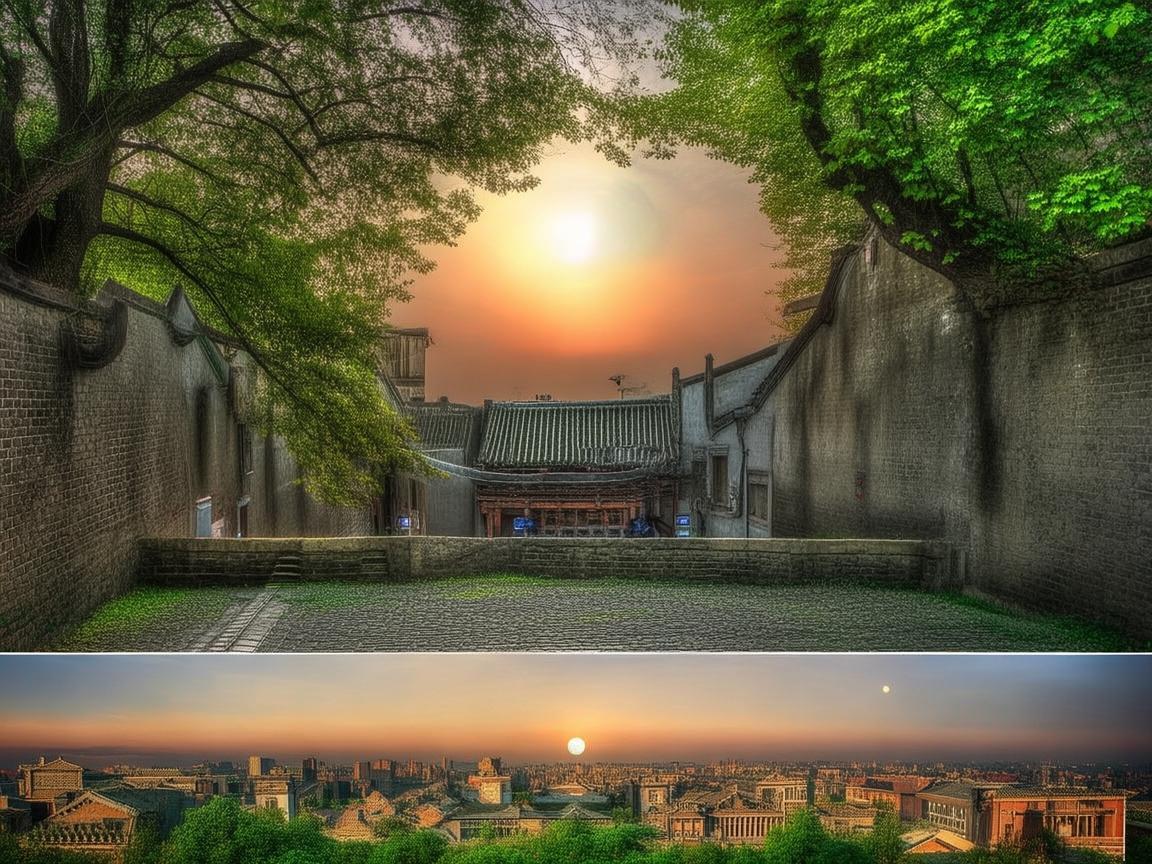
Xi’an’s Scenic Pass: A Traveler’s Guide to Winding Roads, Hidden Alleys, and Timeless Views
First Stop: The City Wall—Your Open-Air “Scenic Pass”
You can’t miss the Xi’an City Wall—it’s 14 kilometers long, 12 meters high, and encloses the old city like a giant stone ribbon. But most tourists just hop on a bus or bike for a quick loop. Don’t do that. Instead, start at the Yongning Gate (南门), the most restored and picturesque entrance. Rent a bike (¥30 for two hours, deposit ¥200) and ride clockwise. Why clockwise? Because the southern side offers the best views of the Bell Tower and Drum Tower as you pedal, and the eastern side has quieter lanes spilling out from the wall.
Here’s the pro move: Stop at the Zhaomen Gate (早门) around 4 p.m. Climb the stairs to the top—there’s a small, free overlook where locals sit on benches, drinking tea and chatting. You’ll see the sun setting behind the modern skyscrapers, the old city’s gray tiles glowing gold. If you’re lucky, a street musician might be playing the erhu, the sound mixing with the city’s hum.
Don’t just ride—explore. On the western side, you’ll find the Shuyuanmen Gate (书院门), a cobblestone alley lined with calligraphy shops and paper-cutting stalls. Grab a ¥5 roujiamo (meat burger) from a vendor here; it’s the best you’ll find near the wall. The wall isn’t just a barrier—it’s a scenic pass that lets you see Xi’an’s past and present side by side.
Second Pass: The Muslim Quarter—More Than Just a Food Street
Everyone goes to the Muslim Quarter for the night market, but the real magic is in the side alleys. Start at the Beiyuanmen Gate (北院门), the main entrance, but don’t follow the crowds. Turn left onto Dapiyuan Alley (大皮院), a narrow lane lined with century-old noodle shops. My favorite spot? Lao Sun Family’s Lamb Noodles (老孙家羊肉泡馍). It’s not fancy—just wooden tables, steamy pots, and a bowl of Paomo (bread soaked in mutton soup) that’ll warm you to your bones. Ask for “extra bread” (多加馍)—they’ll charge you ¥2 more, but it’s worth it.
After lunch, wander into Xiaozhai Alley (小寨巷), a quiet residential street behind the main market. You’ll see grandmothers hanging laundry, kids chasing cats, and tiny doorways leading to courtyards. One afternoon, I followed the smell of roasting nuts and found an old man making hongzao (jujubes) in a wok. He handed me a handful for free, laughing when I tried to pay. “Xi’an people share,” he said.
The Muslim Quarter’s “scenic pass” is its texture—it’s not just a place to eat, but to get lost. Go early (before 10 a.m.) to avoid crowds, and bring cash—most small vendors don’t take cards.
Third Pass: The “Southern Mountain Route”—Nature Meets History
Xi’an isn’t just a city—it’s at the foot of the Qinling Mountains. For a change of pace, take the “Southern Mountain Route,” a scenic pass that connects ancient temples with lush greenery. Start at the Small Wild Goose Pagoda (小雁塔), then take Bus 609 south to Fahai Temple (法海寺). It’s a 15-minute ride up a winding road, and as you climb, the city fades into pine forests and misty hills.
Fahai Temple is quiet, with fewer tourists than the Big Wild Goose Pagoda. Climb the stone steps to the main hall—you’ll see 500-year-old murals of Buddhist stories, their colors still vivid. From there, hike 20 minutes to Qinglong Temple (青龙寺), famous for its cherry blossoms in spring (even in fall, the maple leaves are stunning). The temple’s wooden pavilions overlook a valley, and on weekdays, you might have the whole place to yourself.
If you have energy, keep going to Jianfu Palace (荐福寺), a smaller temple at the foot of the mountain. The path from Fahai to Jianfu is all dirt trails and fresh air—perfect for clearing your head. This “scenic pass” is a reminder that Xi’an’s history isn’t just underground; it’s woven into the mountains.
Fourth Pass: The “Nighttime River Walk”—Lights and Legends
Don’t skip the Moat (护城河) at night. It’s a 14-kilometer loop, but the best part is from the Shaanxi History Museum to the Changle Gate (长乐门). Start at the museum (it’s free, but book tickets online a day ahead) and walk east along the moat. The water reflects the city lights—red lanterns hanging from the walls, the glow of the Bell Tower in the distance.
Halfway, you’ll find Shuyuanmen Night Market (书院门夜市). It’s smaller than the Muslim Quarter, but more intimate. Vendors sell handmade lanterns, silk scarves, and old books. I bought a ¥20 paper-cut of a horse, a symbol of Xi’an’s Tang Dynasty glory. As you walk, listen for the sound of the drum tower’s evening bell—it rings at 7 p.m., a deep, resonant chime that echoes across the moat.
End your walk at the Changle Gate, where you can climb the wall (¥54) for a night view. The city is spread out below, a sea of lights, with the moat glinting like a silver ribbon. This “scenic pass” is all about atmosphere—slow down, breathe in the cool night air, and let the city’s magic sink in.
Practical Tips for Your “Scenic Pass” Adventure
- Get a Xi’an Traffic Card: ¥20 deposit, refundable. Works on buses, subways, and even some bike rentals.
- Wear Comfortable Shoes: You’ll be walking a lot—cobblestones, dirt trails, and city walls all demand good sneakers.
- Avoid Crowds: Go to popular spots (like the Terracotta Warriors) at 8 a.m. when they open. The Muslim Quarter is busiest at 7 p.m.—aim for 5 p.m. instead.
- Try Local Snacks: Beyond roujiamo, don’t miss bingfeng (ice cream, try the rose flavor), suanpanzi (cold noodles with garlic), and mianqi (a crispy, savory snack).
- Stay Inside the Old City: Hostels like “Xi’an City Wall Hostel” or “Backpackers Youth Hostel” are cheap (¥80-¥150/night) and walking distance to most “scenic passes.”
Xi’an isn’t just a destination—it’s a journey. The “scenic passes” I’ve shared aren’t on any map, but they’re the heart of the city. They’re the alleyway where you taste your best paomo, the mountain trail where you find peace, and the nighttime moat where you feel the city’s pulse. So come with an open mind, a comfortable pair of shoes, and a willingness to get lost. The best parts of Xi’an? They’re waiting just around the bend.
Xi’an Airport Transfer Service
Private English-speaking driver service in Xi’an operated directly by Bruce Zhang. 24/7 airport pickup and hotel transfer for foreign travelers.
Helpful for Your Trip in Xi’an
Xi’an Through My Eyes: A Visitor’s Approval Guide to the Must-Do, Must-Eat, and Must-Avoid
2026-09-01Xi’an on Your Terms: How the Smart Access System Made My Trip a Breeze
2026-08-30Xi’an: Where Ancient History Meets a Modern Integrated Tourism Ecosystem
2026-08-29Xi’an: Where Ancient Heritage Breathes with Living Ecosystems
2026-08-27Xi’an on the Metro: A Traveler’s Guide to Getting Around Like a Local
2026-08-27Xi’an Travel Tips: Navigating Ticket Codes Like a Local
2026-08-25What I Only Figured Out After 3 Trips
2026-08-23Is the Forest of Stone Steles Actually Worth Visiting in Xi'an?
2026-08-182026 Travel Season: How to Visit Xi'an in Summer Without the Crowds
2026-08-16Xi’an Travel Diary: How Reservation Confirmations Saved My Trip
2026-08-14