

Business Traveler’s Payment Survival Guide in Xi’an: Avoiding Hassles, Saving Time
Last month, I found myself sprinting through Xi’an’s High-tech Zone, laptop bag bouncing, trying to catch a taxi to a client meeting—only to realize my wallet was completely empty. Not a single yuan, not even a coin. I’d spent the morning at a conference, paid for everything with my phone, and somehow forgotten to recharge my digital wallets. The driver, bless him, took my WeChat QR code (miraculously still with ¥5 left), but that 15-minute panic attack taught me a hard lesson: for business travelers in Xi’an, payment planning isn’t just a tip—it’s a lifeline.
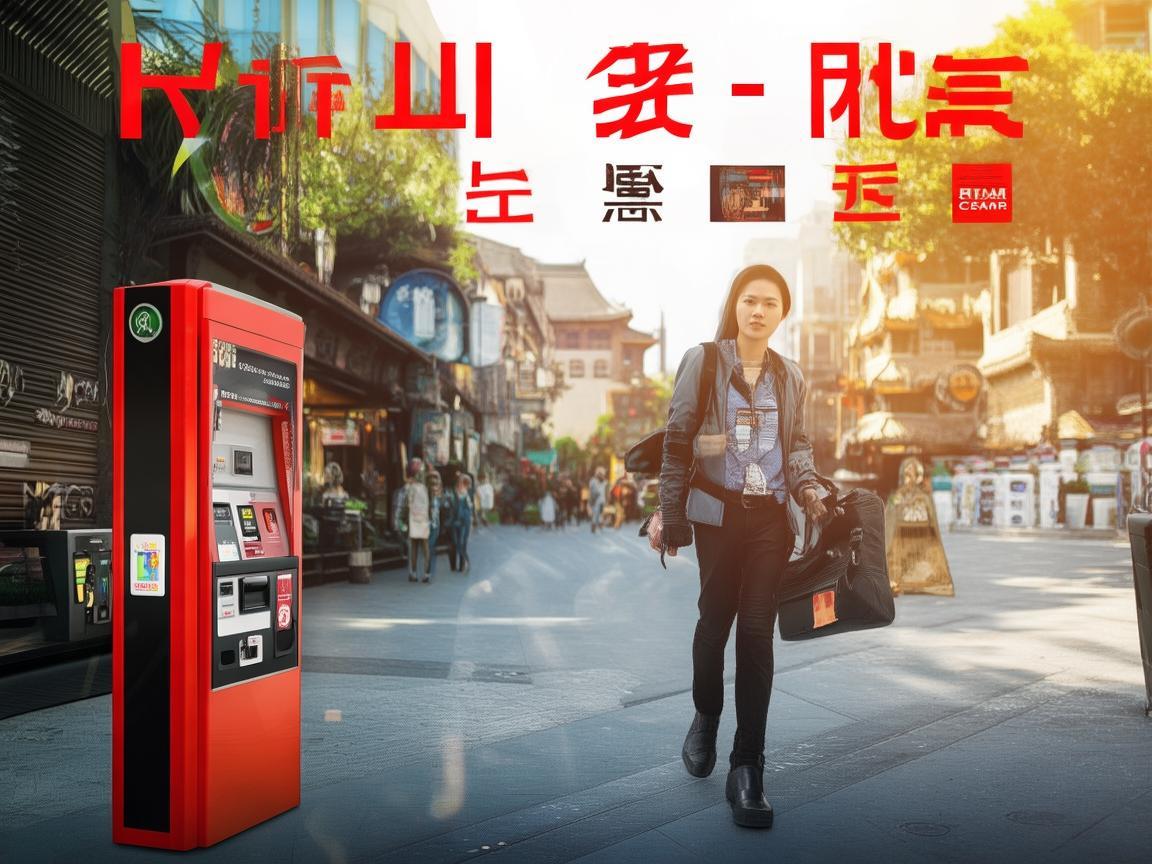
Business Traveler’s Payment Survival Guide in Xi’an: Avoiding Hassles, Saving Time
Xi’an, a city where 3,000-year-old history meets hyper-modern tech, is surprisingly kind to business travelers if you know how to navigate its payment ecosystem. But between cashless apps, currency quirks, and “tourist trap” pricing traps, it’s easy to stumble. Over three recent trips, I’ve cracked the code. Here’s what you actually need to know to pay smoothly, save time, and avoid that “empty wallet” panic.
First Things First: Your Payment Toolkit (What to Actually Bring)
As a business traveler, you value efficiency. Xi’an’s payment scene is 90% cashless, but that doesn’t mean you can rock up with just a credit card. Here’s my non-negotiable checklist:
Dual Mobile Payment Apps: Alipay + WeChat pay
This is the big one. In China, everyone uses either Alipay or WeChat Pay—think of them as PayPal + Venmo + a bank account rolled into one. You cannot survive here without at least one, and ideally, both.
- Alipay: Better for “serious” transactions—hotels, big-ticket purchases, and splitting bills with colleagues. It’s linked to your bank account and has a more robust “pass” system for transit and event tickets.
- WeChat Pay: More casual—street food, taxis, convenience stores. It’s integrated into WeChat (China’s WhatsApp/Instagram hybrid), so it’s faster for quick payments.
Pro tip: Before you leave home, download both apps and link an international credit card (Visa/Mastercard) during setup. You’ll need to verify your phone number (use a +86 code if you have a dual-SIM phone). Once in Xi’an, top up with cash or local cards to avoid foreign transaction fees—more on that later.
A Backup Physical Wallet (With Some Cash)
I know, I know—cash is “old school.” But in Xi’an, cash is your emergency parachute. Small family-run restaurants, night market vendors, or taxi drivers in remote areas might still only take cash. I carry ¥200-300 at all times, split into small bills (¥10, ¥20) and coins (for bus fares or vending machines).
Where to get cash: ATMs at Bank of China or ICBC accept international cards and have decent exchange rates. Avoid airport exchange counters—their rates are terrible. My go-to: the Bank of China branch near the Bell Tower; it’s open late and has English-speaking staff.
International Credit Cards (But Don’t Rely on Them)
Yes, Visa and Mastercard work at luxury hotels, high-end restaurants, and some multinational stores. But in most local spots? They’ll stare at you like you’re speaking ancient Greek. I once tried to pay for a ¥120 lunch at a popular noodle spot with my Visa—owner shook his head and pointed to a QR code. “WeChat, Alipay only.”
Card strategy: Bring one for emergencies (hotel deposits, big purchases) but assume 90% of your spending will be digital.
Navigating Xi’an’s Payment Scene: By Scenario
Business travel is a mix of rushed meetings and downtime. Here’s how to handle payments in Xi’an’s common “business + leisure” spots:
Hotels: Deposit Dilemmas and Digital Check-In
Most mid-range to high-end hotels in Xi’an (like the Sheraton or Intercontinental) accept international cards, but they’ll always ask for a deposit—¥500-¥1000 for incidentals. Pro tip: Pay the deposit with Alipay/WeChat. If you use a credit card, they’ll freeze that amount for days; digital wallets release it instantly when you check out.
Budget hack: Local business hotels (e.g., Home Inn, Hanting) are cheaper and often accept digital payments only. I stayed at a Hanting near the High-tech Zone last month—¥350/night, free breakfast, and I paid via WeChat in 10 seconds. No deposit, no hassle.
Meals: From Client Dinners to Street Snacks
- Client dinners: If you’re wining and Chinese clients, expect to pay at the end (they’ll likely insist). Let them use WeChat/Alipay, then Venmo them the equivalent later. Tip: Use a currency app like XE to check the real-time exchange rate—don’t just guess.
- Solo lunches: Local canteens in office buildings (called “食堂”) are cashless heaven. Just scan a QR code at the counter—prices are ¥15-¥30 per meal, and the food is way better than hotel options.
- Night markets: The Muslim Quarter is a must-visit, but vendors hike prices for tourists. I always ask, “Is this the local price?” (用本地价格卖吗?) and point to my digital wallet if they quote ¥50 for a dish that should be ¥20. Most will cave.
Transport: Taxis, Metro, and Ride-Shares
- Taxis: All take cash, but most accept WeChat/Alipay now. Always ask the driver to use the meter—if they refuse, hop out. There’s always another taxi.
- Metro: Buy a “Yikatong” card at any station (¥20 deposit, ¥19 usable) or scan a QR code via Alipay/WeChat. The metro is the fastest way to get between the airport, city center, and business districts (like High-tech Zone or Qujiang).
- Ride-shares: Didi (China’s Uber) is your best friend. It’s cheaper than taxis, accepts digital payments, and lets you share your route with colleagues so they know when you’ll arrive.
Shopping: Souvenirs and “Business Gifts”
If you need to bring back gifts (silk, tea, Terracotta Warrior replicas), skip the tourist traps near the Bell Tower. Go to the “Muslim Quarter Wholesale Market” instead—prices are 50% lower, and vendors are used to haggling. I bought 10 silk scarves for ¥80 each (vs. ¥200 in the tourist zone) and paid via Alipay.
Warning: Never pay “foreigner prices.” If a vendor sees you’re a foreigner, they might quote double. Just smile, say “太贵了” (too expensive), and walk away—they’ll chase you with a better price.
Money-Saving Tricks Business Travelers Need
Xi’an isn’t expensive, but it’s easy to overspend if you’re not careful. Here’s how I cut costs:
Use Local Bank Apps for Free ATM Withdrawals
If you have a Bank of China account back home, you can withdraw cash from Bank of China ATMs in Xi’an with zero fees. I do this every trip—saves me ¥5-¥10 per transaction in international fees.
“Split Bills” Like a Local
Chinese restaurants rarely split bills automatically. Use Alipay’s “AA” feature (search for “AA收款” in the app)—just enter the total, scan the QR code, and everyone pays their share. No more awkward math after a long client dinner.
Avoid “Tourist Tax” on Digital Payments
Some tourist spots add a 3-5% “convenience fee” for credit cards. I always ask, “Is there a fee for card payment?” (刷卡有手续费吗?). If yes, I switch to digital wallets—no extra cost.
Recharge Your Wallets at “ convenience Stores”
7-Eleven (called “全家”) and Family Mart are everywhere in Xi’an. You can top up Alipay/WeChat with cash at their counters—no need to find a bank. I do this every morning while grabbing coffee: ¥100 at a time, no fees.
Emergency: What to Do If Your Payment Fails
It happens. Your phone dies, your wallet gets stolen, or an app glitches. Here’s my backup plan:
- Borrow from a colleague: Chinese business travelers always have cash. Just Venmo them later.
- Go to a bank: Bank of China and ICBC have English-speaking staff and can help with lost cards or cash advances.
- Call your hotel concierge: They’ve dealt with this a million times. Most will lend you cash or help you find an ATM.
Final Thoughts: Payment Peace of Mind
Xi’an is a city of contrasts—ancient walls and skyscrapers, street food and Michelin-starred restaurants. But one thing’s consistent: its love for digital payments. For business travelers, the key is balance: bring cash for emergencies, use mobile apps for 90% of transactions, and always have a backup plan.
Last week, I landed in Xi’an, checked into my hotel via WeChat, grabbed a ¥20 lunch at a local canteen, and took a Didi to my meeting—no stress, no panic. It’s taken a few trips to get here, but now? I pay like a local. And honestly, that’s the best feeling when you’re trying to close a deal and explore a city at the same time.
Safe travels—and may your wallets always be full (digitally or otherwise).
Xi’an Airport Transfer Service
Private English-speaking driver service in Xi’an operated directly by Bruce Zhang. 24/7 airport pickup and hotel transfer for foreign travelers.
Helpful for Your Trip in Xi’an
Macau Payment Guide for Foreign Travelers: From Cash to Apps
2026-08-19Xi’an Travel: A Tourist’s Guide to Scenic Area Payments & Tips
2026-08-13Navigating Payments in Xi’an Without a Data Plan: A Tourist’s Practical Guide
2026-08-11Smart Savings in Xi’an: A Traveler’s Guide to Education-Friendly Payment Systems
2026-08-10Xi’an Travel: A Tourist’s Guide to Paying Smart (WeChat vs. Alipay vs. Cash)
2026-08-1012306 Payment Guide for Foreign Travelers: My Experience Booking Xi’an Trains
2026-08-09Hotel Check-in in Xi’an: A Foreigner’s Practical Guide
2026-08-08An Alipay Hiccup in Xi’an: How I Fixed It and What You Should Know
2026-08-08An Xi’an Tourist’s Guide: How to Pay in Hong Kong Like a Local
2026-08-06Business Traveler’s Payment Survival Guide in Xi’an: Avoiding Hassles, Saving Time
2026-08-06