

Navigating Payments in Xi’an: A Foreign Traveler’s Practical Guide to China’s Payment System & Risks
Landing in Xi’an last autumn, I was buzzing with excitement to explore the Terracotta Army, wander through the Muslim Quarter, and stuff myself with roujiamo (Chinese hamburgers) and liangpi (cold skin noodles). But as a first-time visitor to China, one question loomed large: How on earth do I pay for things? I’d heard China was a “cashless society,” but as a foreigner with limited Mandarin, I worried about getting stuck with no way to buy a bottle of water or a bus ticket. After two weeks navigating Xi’an’s streets, markets, and restaurants, I learned the hard way (and a few smart ways) to handle payments here. Let me break down what actually works—what doesn’t—and how to avoid common payment risks.
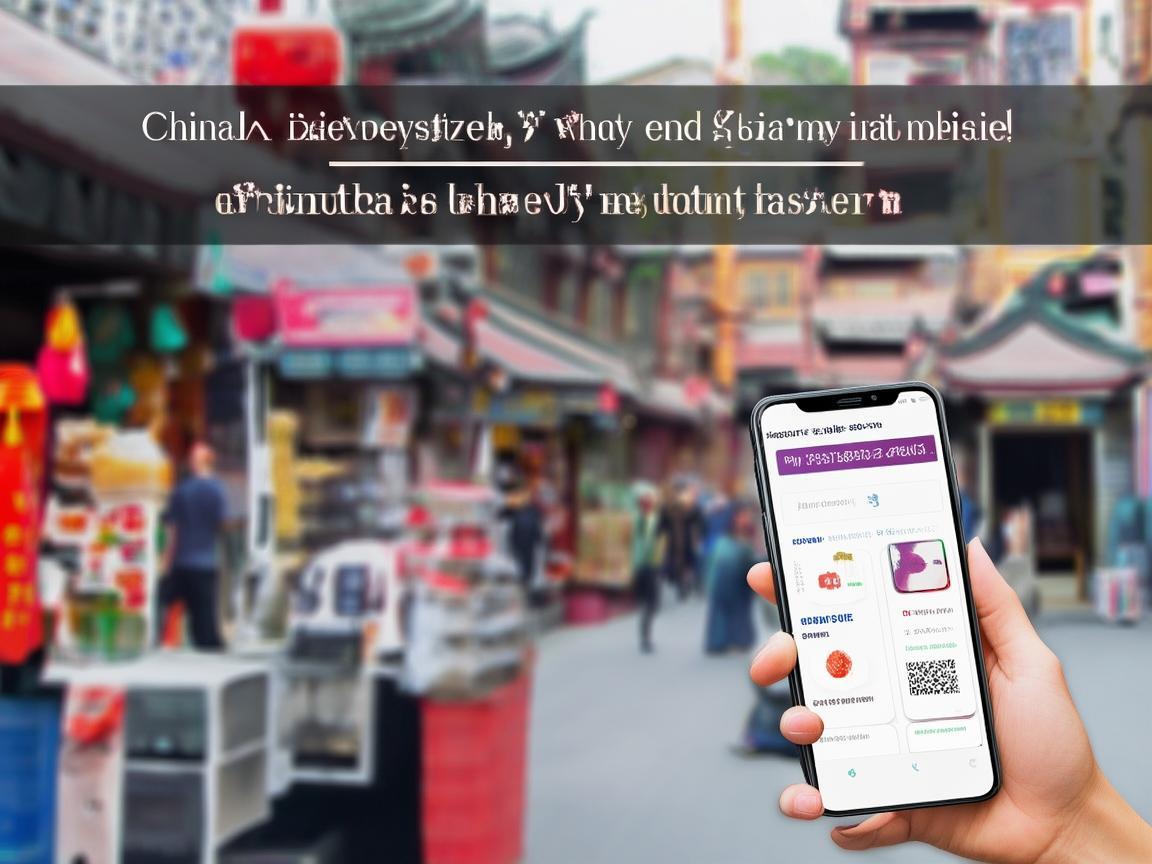
Navigating Payments in Xi’an: A Foreign Traveler’s Practical Guide to China’s Payment System & Risks
Part 1: Before You Leave—Payment Prep Is Key
My first mistake? Assuming my credit card would save me. Spoiler: it won’t, not most of the time. China’s payment system is dominated by two local apps: Alipay and WeChat Pay. Neither accepts foreign credit/debit cards directly. So, before you fly to Xi’an, sort these three things:
Get a Chinese Bank Card (If You Can)
If you have a Chinese friend or plan to stay long-term, ask them to help you open a bank account (e.g., ICBC, China Merchants Bank). You’ll need your passport and a temporary residence permit (if staying over 3 months). With a local card, you can link it to Alipay/WeChat Pay and use it everywhere—no stress. For short-term travelers, though, this is tricky. Banks often require proof of address in China, so skip this if you’re just visiting for a week.
Link Your Foreign Card to Alipay/WeChat Pay (Limited, but Worth a Try)
Both apps let you bind foreign cards in theory, but it’s hit-or-miss. For Alipay: Open the app, go to “Me” → “Payment Methods” → “Add Bank Card.” Enter your foreign card details (Visa/Mastercard), then verify via SMS (your bank may charge international fees). I tried with my U.S. Visa—Alipay accepted it, but WeChat rejected it (“unsupported card type”). Success rate depends on your bank and card type. Pro tip: Call your bank before you go to activate international transactions.
Bring Cash—Yes, Really
I know, “cashless” is the buzzword, but in Xi’an, cash is your backup. Small vendors (e.g., street snack stalls, night market carts), rural areas near the Terracotta Army, or even some taxis may not accept digital payments. Bring ~500–1000 RMB in small bills (10s, 20s, 50s) and coins (for buses). Exchange money at Xi’an Xianyang International Airport or Bank of China branches—avoid airport exchange kiosks with terrible rates. Pro tip: Keep cash in a money belt; pickpockets target crowded areas like the Muslim Quarter.
Part 2: In Xi’an—How to Pay (and Where)
Once you’re in Xi’an, you’ll face two choices: digital payments (Alipay/WeChat) or cash. Here’s when to use each:
Digital Payments: Alipay vs. WeChat Pay
These are the kings of Chinese payments. 99% of shops, restaurants, and even street vendors will display a QR code for one (or both). Here’s how to use them as a foreigner:
Alipay:
- Download: Get the app from the App Store/Google Play (it’s available globally).
- Set up: If you couldn’t link a foreign card, add “Balance” by transferring money from a friend (or use “Recharge” with a supported card). Alternatively, use the “Tour Card” feature—some banks (like DBS in Singapore) offer prepaid Alipay cards for travelers.
- Pay: Open Alipay → “扫一扫” (Scan) → point your camera at the merchant’s QR code. Enter the amount, confirm with your password/fingerprint, and done!
WeChat Pay:
- Download: WeChat (already have it for chatting?) → go to “Me” → “Services” → “Wallet.”
- Set up: Similar to Alipay, but linking foreign cards is harder. Easiest way: Ask a friend to send you money via “Red Packets” (you can cash it out to your WeChat Balance).
- Pay: Open WeChat → “扫一扫” (Scan) → scan the QR code → confirm payment.
Which one to use? Alipay is more widely accepted by small businesses; WeChat is handy if you already use WeChat for messaging (no need to switch apps). I carried both—Alipay for markets, WeChat for restaurants.
Cash: When Digital Fails
Digital payments are convenient, but they will fail sometimes. I learned this the hard way at a tiny noodle shop in the Muslim Quarter. The owner, an elderly man, didn’t know how to use WeChat Pay (his grandson usually handled it), and his card machine was broken. Cash saved me. Other times to use cash:
- Taxis: Some drivers prefer cash (especially older ones).
- Remote attractions: If you visit places like Famen Temple (1.5 hours from Xi’an), small souvenir stalls may only take cash.
- Emergencies: If your phone dies (or you lose it), cash is your only lifeline.
Bank Cards: For Big Spending
Your foreign credit card (Visa/Mastercard) works at some places:
- High-end hotels (e.g., Sheraton Xi’an)
- International restaurants (e.g., KFC, McDonald’s)
- Large shopping malls (e.g., Century Ginwa, Platinum Plaza)
- ATMs: Bank of China and ICBC ATMs dispense RMB with foreign cards (look for “UnionPay” or “Visa/Mastercard” logos). But ATM fees are steep (~3–5 USD per transaction), so only use this for emergencies.
Part 3: Payment Risks in China—How to Stay Safe
China’s payment system is efficient, but it’s not without risks—especially for foreigners. Here are the biggest pitfalls and how to avoid them:
QR Code Scams
This is the #1 risk. Scammers may stick fake QR codes on legitimate-looking stands (e.g., “Bus Ticket Payment” or “Charity Donation”). Scan it, and your money gets stolen. How to avoid:
- Only scan QR codes provided by staff (e.g., a waiter hands you a table code, a vendor points to their official stand).
- Check the URL/merchant name: Alipay/WeChat will show the business name—if it’s “Unknown” or “Test,” don’t scan.
- Never scan QR codes from strangers on the street (e.g., someone “asking for help” with their “phone broken”).
Fake “Helpers”
I almost fell for this at the Terracotta Army. A “friendly” local approached me, saying the ticket line was “closed” and he could “help me buy a ticket via his Alipay—for a small fee.” He then handed me a QR code to “pay the ticket price.” Red flags: Why would he need my money? I went to the official ticket counter instead (and the line was fine). Lesson: Always buy tickets from official sources (websites, on-site booths). Never pay “fees” to strangers for “help.”
Overcharging or “Hidden” Fees
Some tourist spots (especially small shops near attractions) may overcharge foreigners. For example, a bottle of water might cost 5 RMB at a convenience store but 10 RMB at a stall near the Big Wild Goose Pagoda. How to avoid:
- Check prices before paying: Point to the item and show the number on your fingers (e.g., “5 RMB?”). If they nod, pay. If they hesitate or demand more, walk away.
- Use digital payments: Alipay/WeChat often show the item price before you confirm, so you can’t be overcharged.
Phone Loss or Theft
If your phone (with Alipay/WeChat) is stolen, the thief could access your money—unless you’ve locked it. How to protect yourself:
- Enable “Face ID/Fingerprint” for payments (so only you can authorize).
- Set a “payment password” (separate from your phone password).
- In Alipay: Go to “Settings” → “Security” → “Activate Device Lock” (locks the app if your phone is lost).
- In WeChat: Go to “Me” → “Settings” → “Account Security” → “Set up Security Notifications” (alerts you if someone logs in on a new device).
Unreliable Wi-Fi
Digital payments need internet. If you’re in a remote area (e.g., Huashan Mountain, a day trip from Xi’an), Wi-Fi might be weak. Solution:
- Download offline maps (Google Maps or Baidu Maps) before you go.
- Enable “Offline Payments” in Alipay: Go to “Me” → “Settings” → “Offline Payment” → turn it on. This lets you pay with a pre-set balance even without internet (limit: ~100 RMB per transaction).
Part 4: My Top Payment Tips for Xi’an
After surviving (and thriving) in Xi’an, here are my no-fail tips:
- Carry a Power Bank: Your phone will die from scanning QR codes all day. A power bank is a lifesaver.
- Learn Basic Mandarin Phrases: “How much?” (多少钱? – duōshao qián?) and “Cash, please” (现金,谢谢 – xiànjīn, xièxiè) go a long way.
- Use “Travel Mode” in Alipay: If you’re hopping between cities, “Travel Mode” lets you switch regions without re-logging in (avoid location-based payment blocks).
- Ask for Help: Chinese people are friendly! If a QR code isn’t working, show the merchant your phone—they’ll often help you fix it (my Muslim Quarter tea shop owner taught me how to switch to “scan mode” in WeChat).
- Keep a Payment “Backup”: I split my money: 60% in Alipay/WeChat, 30% in cash, 10% on my credit card. Never put all your eggs in one basket.
Final Thoughts
Xi’an’s payment system is amazing—fast, convenient, and everywhere. But as a foreigner, it’s not “plug-and-play.” A little prep (downloading apps, bringing cash) and caution (avoiding fake QR codes) will save you a ton of stress. I went from panicking over a 10 RMB bowl of noodles to confidently paying for a taxi at 2 AM—all thanks to these tips. So pack your power bank, download those apps, and get ready to explore. Xi’an’s food, history, and culture are worth every payment hassle. Safe travels!
Xi’an Airport Transfer Service
Private English-speaking driver service in Xi’an operated directly by Bruce Zhang. 24/7 airport pickup and hotel transfer for foreign travelers.
Helpful for Your Trip in Xi’an
Xi’an E-Wallet: How This Little App Made My Trip a Breeze
2026-07-29Xi’an Traveler’s Survival Guide: How to Master China’s Mobile Wallets (WeChat Pay & Alipay)
2026-07-28Xi’an Travel: Your Practical ID Guide to Navigate China’s Real-World Rules
2026-07-28Xi’an Long Stay: How to Handle Payments Like a Local
2026-07-28Paying at Xi’an Clubs: A Foreigner’s No-Fluff Guide
2026-07-28Navigating Xi’an’s Metro: A Foreigner’s Practical Payment Guide
2026-07-27Navigating Xi’an: A Tourist’s Guide to Mastering Mobile Payments in China
2026-07-27Navigating Xi’an Like a Local: My Digital Pay Survival Guide
2026-07-26Xi’an Travel Tips: Cash vs. QR Codes for Entrance Tickets——A Tourist’s Practical Guide
2026-07-25Alipay for Foreign Travelers in Xi’an: A Practical Setup Guide
2026-07-25