

Navigating Xi’an Like a Local: My Digital Pay Survival Guide
Landing in Xi’an for my first trip, I was buzzing with excitement—until I tried to pay for a taxi. I handed the driver a 100 RMB note, he shook his head, and pointed to a QR code on his dashboard. “WeChat or Alipay only,” he said, in Chinese laced with a patient smile. My stomach dropped. I’d assumed cash would suffice, but here I was, a foreigner fumbling with an empty wallet and zero clue how China’s digital world worked.
That first hour was a crash course in Xi’an’s digital pay ecosystem. By the end of my week, though, I was zipping through subway gates, ordering street food with a tap, and even haggling at markets—all without touching a single coin. If you’re heading to Xi’an, let me save you the panic. Here’s how to master digital pay like a local, step by step.
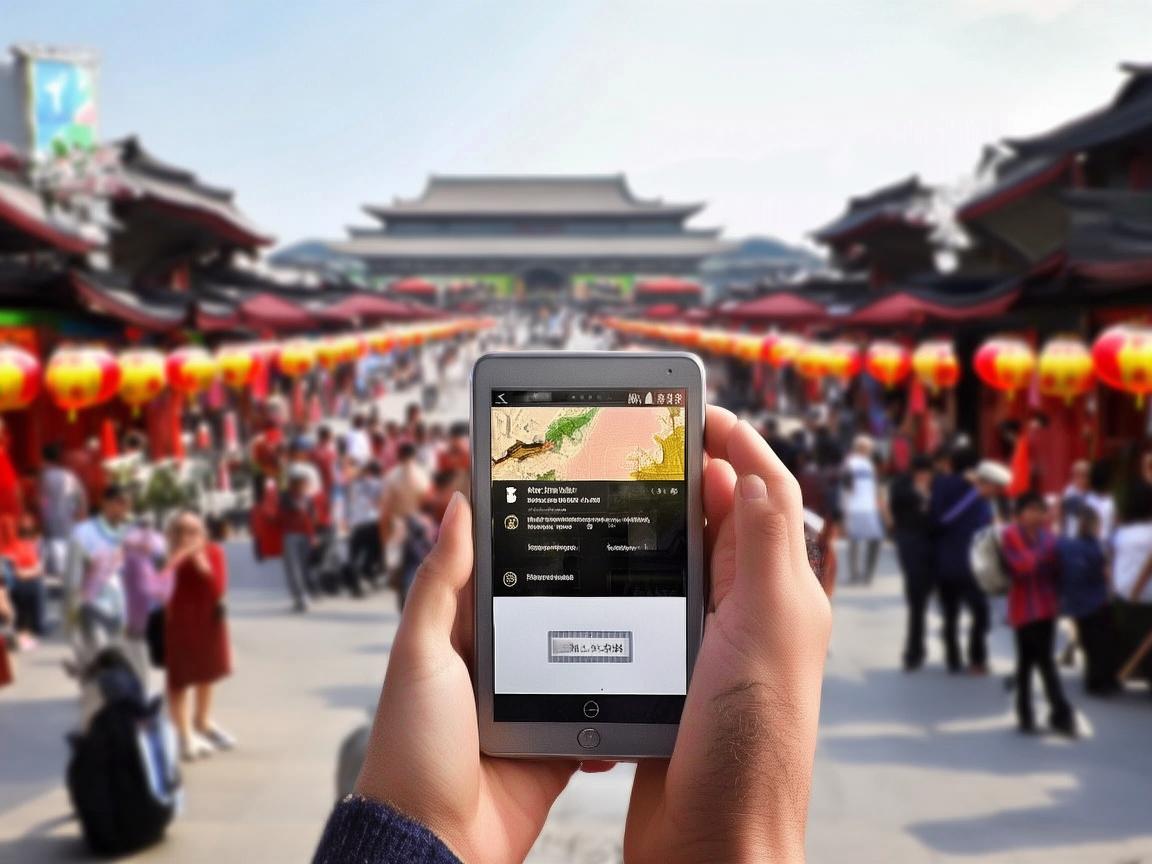
Navigating Xi’an Like a Local: My Digital Pay Survival Guide
Before You Go: Get Your Digital Wallets Ready
Xi’an’s digital pay scene revolves around two apps: WeChat pay and Alipay. Think of them as China’s version of PayPal, but way more integrated into daily life. You can use credit/debit cards at big hotels or malls, but 90% of small shops, street vendors, taxis, and even public toilets only take QR code scans.
Step 1: Download the Apps
- WeChat Pay: Part of the WeChat super app (like WhatsApp + PayPal + social media combined). If you already use WeChat, great—just tap “Me” → “Services” → “Wallet.” If not, download it from the App Store or Google Play.
- Alipay: Alibaba’s answer to WeChat Pay. Download it separately; it’s a must for markets and smaller vendors.
Step 2: Link Your Payment Method
Here’s the tricky part: foreign cards (Visa, Mastercard) often don’t work directly on these apps—unless you know the hacks.
Option 1: Use Alipay’s “Alipay+” (Easiest for Tourists)
Alipay now lets you link international credit/debit cards. Open Alipay → “Me” → “Wallet” → “+” → “Add Bank Card.” Enter your card details, and it’ll convert your currency to RMB automatically. I used my U.S. Visa, and it worked for 95% of purchases—though sometimes there’s a 2-3% currency fee, so keep some cash for small amounts.
Option 2: WeChat Pay’s “International Wallet”
Similar to Alipay+, WeChat lets you link foreign cards. Go to “Me” → “Wallet” → “Payment Methods” → “Add Bank Card.” I tried this with my Mastercard, and it worked for taxis and restaurants, but a few street vendors said they “couldn’t see” international payments (more on that later).
Option 3: Get Help from a Local (If All Else Fails)
If your cards won’t link, don’t panic! Ask your hotel concierge or a friendly local to help you “top up” your wallet. Many Chinese users link their bank accounts, so you can give them cash, and they’ll transfer it to your WeChat/Alipay via “red envelopes” (a feature where you send money). Just be sure to trust the person—this is common among friends, but maybe not a random taxi driver!
In Xi’an: How to Pay Like a Local
Once your wallets are set, it’s time to use them. Here’s what to expect in everyday situations:
Taxis & Ride-Hailing
Xi’an’s taxis are cheap (starting at ¥9 for the first 3 km), but almost none take cash. When you hop in, the driver will point to a QR code on the headrest. Open WeChat Pay or Alipay, tap “扫一扫” (Scan), and aim your phone at the code. The fare will auto-deduct, and you’ll get a receipt.
If you’re not confident hailing taxis, use Didi (China’s Uber). It’s like WeChat for rides—just enter your destination, pay via the app, and the driver arrives. I used Didi to get from the airport to my hotel, and it was seamless (and cheaper than the airport’s overpriced taxis).
Pro tip: Save your hotel’s address in Chinese characters (e.g., “西安城墙南门酒店”) to show drivers if their GPS acts up.
Street Food & Night Markets
Xi’an’s street food is a must—roujiamo (Chinese hamburgers), biangbiang noodles, and yangrou Paomo (bread soup) are iconic. But most vendors don’t speak English, and their payment methods are cashless only.
At the Muslim Quarter (回民街), I bought a roujiamo from a stall. The vendor pointed to a laminated QR code. I opened Alipay, scanned it, and the ¥8 fee was deducted instantly. No fumbling, no language barrier.
For smaller purchases (like a ¥5 skewer of grilled lamb), vendors might use a “mini program” on WeChat—just tap the link they send, and pay. If you’re worried about data, download offline QR codes in WeChat/Alipay (go to “Wallet” → “QR Codes” → toggle “Offline Mode”).
What if your card won’t scan? I once had a vendor shake her head when I tried Alipay+. She mumbled “国际卡不行” (international cards don’t work). I pulled out a ¥10 note, and she took it—no problem. So for purchases under ¥20, keep some small cash handy.
Restaurants & Cafes
Mid-range to high-end restaurants often have QR codes on tables. You can either:
- Scan to order: Many places use WeChat/Alipay mini programs for ordering. Scan the code, pick your dishes, and pay directly—no waiter needed. I did this at a dumpling place; it was fast and fun, even though the menu was all in Chinese (I used Google Translate’s camera feature to read it).
- Scan to pay: After eating, a waiter will bring a bill with a QR code. Scan it, confirm the amount, and pay.
At fancy restaurants, they might accept cards, but I still prefer digital pay—it’s quicker, and I get a receipt instantly.
Attractions & Public Transport
Xi’an’s top spots (Terracotta Army, Big Wild Goose Pagoda, City Wall) let you book tickets online via WeChat/Alipay mini programs. I bought my Terracotta Army tickets on Alipay a day in advance—skipped the 2-hour line, and just scanned my phone at the entrance.
For public transport, subways and buses are cashless. Open WeChat Pay → “Me” → “Wallet” → “交通卡” → “添加交通卡.” Select “Xi’an Metro,” link your card, and tap your phone at the gate. Buses use the same system—just look for the “WeChat Pay” sign above the fare box.
Pro tip: Keep your phone charged! Most stations have power outlets, but it’s better to be safe.
When Digital Pay Doesn’t Work: Cash Backup Plan
Even in a digital-first city, cash is your safety net. Here’s what to carry:
- Small bills: ¥10, ¥20, ¥50 notes. Many vendors can’t break ¥100, and ATMs often give out ¥100s.
- Coins: For buses (some still take coins) or public toilets (¥1-2).
Where to get cash? ATMs at Bank of China or ICBC accept foreign cards. I pulled ¥500 from an ATM near my hotel—easy and with low fees. Avoid exchanging money at airports or hotels; their rates are terrible.
My Top Digital Pay Tips for Xi’an
- Test Before You Go: Open WeChat/Alipay at home, link your card, and send a “red envelope” to a friend (or yourself) to make sure it works.
- Save QR Codes: Take photos of your hotel’s, favorite restaurants’, and even taxi drivers’ QR codes—so you don’t have to scramble to scan them in a hurry.
- Learn a Few Phrases: “扫码支付” (sǎo mǎ zhī fù) = “scan to pay”; “现金可以吗?” (xiàn jīn kě yǐ ma?) = “can I pay with cash?” Locals will appreciate the effort!
- Don’t Stress: If a payment fails, just smile and show them your cash. Xi’an’s locals are used to tourists and will help you out.
By the end of my trip, I was a digital pay pro. I’d grab a roujiamo with a scan, hop a Didi to the City Wall, and pay for entrance tickets—all without a second thought. Xi’an’s digital pay system isn’t just convenient; it’s the key to feeling like a local, not just a tourist. So download those apps, link your cards, and get ready to explore—because in Xi’an, the future of payment is already here, and it’s waiting for you to tap in.
Xi’an Airport Transfer Service
Private English-speaking driver service in Xi’an operated directly by Bruce Zhang. 24/7 airport pickup and hotel transfer for foreign travelers.
Helpful for Your Trip in Xi’an
Xi’an Night Markets: A Tourist’s Guide to Navigating QR Code Payments Like a Local
2026-09-08Renting a Car in Xi’an as a Foreigner: A Practical Guide to Payments and More
2026-09-0612-Hour Xi’an Layover: A Foreigner’s Guide to Payments & Must-See Spots
2026-09-03Xi’an Travel Tips for Foreigners: Navigating Payments & Hotel Drop-offs Like a Pro
2026-09-02Your QR Payment Survival Guide for Xi’an: How to Pay Like a Local
2026-09-01Xi’an Travel Tips: Why Cash Still Matters (and Where to Use It!)
2026-08-26Macau Payment Guide for Foreign Travelers: From Cash to Apps
2026-08-19Xi’an Travel: A Tourist’s Guide to Scenic Area Payments & Tips
2026-08-13Navigating Payments in Xi’an Without a Data Plan: A Tourist’s Practical Guide
2026-08-11Smart Savings in Xi’an: A Traveler’s Guide to Education-Friendly Payment Systems
2026-08-10