

Navigating Xi’an: How I Fixed My App Payment Woes (and What You Should Know)
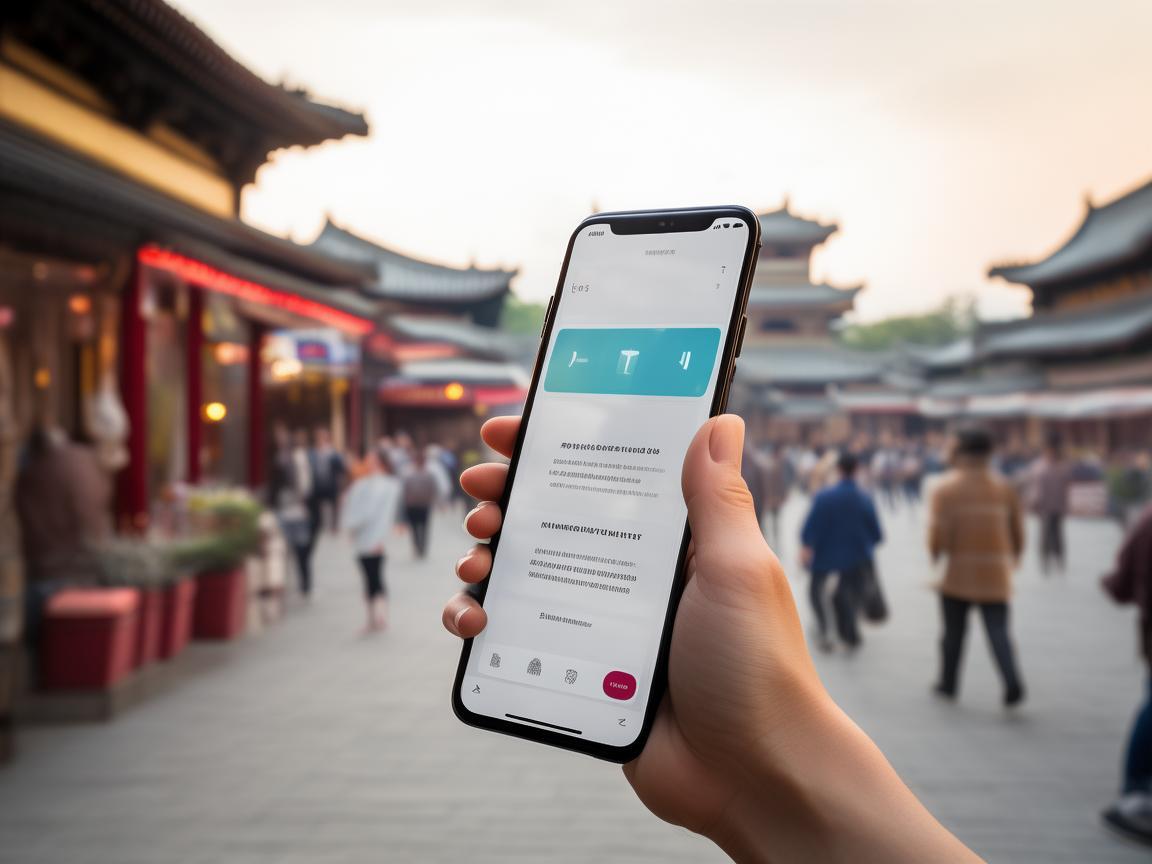
Xi’an had been calling my name for years—the Terracotta Army, the Muslim Quarter’s night market, the ancient city walls at sunset. I pictured myself strolling through the Muslim Quarter, snack in hand, effortlessly tapping my phone to pay for a steaming bowl of paomo or a handmade clay figurine. As a frequent traveler, I’d grown used to cashless societies; I rarely carry physical money back home, so I assumed Xi’an would be the same. Big mistake. Within 24 hours of arriving, my “cashless dream” turned into a frantic, stress-filled scramble to figure out why my apps kept failing. If you’re planning a trip to Xi’an, let me save you the headache—here’s exactly what went wrong, how I fixed it, and the practical tips you need to avoid the same fate.
Navigating Xi’an: How I Fixed My App Payment Woes (and What You Should Know)
The First Sign of Trouble: At the Terracotta Army Ticket Gate
My first stop was the Terracotta Army, the crown jewel of Xi’an. I’d downloaded the official “Xi’an Tourism” app beforehand, hoping to skip the ticket line. I tapped “Buy Tickets,” selected the “Foreign Visitor” package (including all three pits and the Qin Shi Huang Mausoleum), and entered my passport details. The app asked for payment via Alipay or WeChat Pay—standard in China. I opened Alipay, linked to my international credit card (which I’d used successfully in Japan and Europe), and hit “Confirm.”
Error message: “Payment failed. Please try another payment method.”
I tried again. Same result. I switched to WeChat Pay, thinking maybe it was an Alipay issue. WeChat prompted me to add a payment method, but my international card wasn’t an option. “Bind Bank Card” only showed Chinese banks. My heart sank. I had 200 yuan in cash—enough for a taxi ride or a small snack, but nowhere near the 150 yuan ticket price. I glanced at the ticket line, snaking around the building, and debated braving it. But then I spotted a sign: “Foreign Visitors: Use WeChat/Alipay OR Pay at Counter.” I sighed, put my phone away, and got in line. Thirty minutes later, I paid in cash, but I couldn’t shake the frustration—why had the app promised online payment if it didn’t work?
Disaster Two: The Muslim Market “Cash Only” Moment
That evening, I headed to the Muslim Quarter, Xi’an’s vibrant food and shopping hub. The air was thick with the scent of grilled lamb skewers and baking bingfeng (a flaky pastry). I wanted to try roujiamo (the “Chinese hamburger”) from a stall with a long line of locals—always a good sign. I smiled at the vendor, pointed to the meat-filled bun, and pulled out my phone to open Alipay.
The vendor, a middle-aged man with a kind face, shook his head and held up a hand: “Cash only.”
I froze. I’d spent my last 150 yuan on the Terracotta Army tickets. I mumbled “sorry” and walked away, stomach rumbling. A few stalls down, I spotted a tourist couple paying for suanlatang (cold noodles) with WeChat Pay. I asked them how they’d done it. “Oh, we linked our Chinese bank account before coming,” the woman said. “International cards don’t always work here.”
That’s when it clicked: my “international” payment methods were the problem. But how were other tourists managing this? I spotted a girl at a tea stall scanning a QR code with WeChat. I hesitantly approached her. “Excuse me, I’m having trouble with payments—do you mind helping?”
She was friendly. “Oh, you need to set up ‘WeChat Pay Pass’ or use a ‘virtual wallet’ with a Chinese number. But if you don’t have one, some places take cash.” She pointed to a small exchange booth near the market entrance: “You can swap foreign currency for yuan there.”
The Breaking Point: When Even “Small Bills” Weren’t Enough
The next day, I went to the Giant Wild Goose Pagoda, another must-see. I’d found the exchange booth in the Muslim Quarter and swapped $50 for 350 yuan—enough for tickets, food, and a taxi. But as I browsed a craft shop near the pagoda, I fell in love with a small, hand-painted clay horse (a replica of the Terracotta Army). The price? 80 yuan. I handed the vendor a 100 yuan bill. She shook her head, pointed to a sign: “No change for 100+ yuan.”
I only had two 50s and a 10. I needed 30 yuan more. The vendor looked apologetic but firm. I walked out, defeated, clutching the clay horse I couldn’t buy. That’s when I decided: enough was enough. I needed to solve this app payment issue before my last day in Xi’an.
How I Finally Fixed It: Step-by-Step Solutions
Back at my hotel, I did some research (thank goodness for the free Wi-Fi). I learned that while international credit/debit cards can work in China, they’re often blocked by Chinese payment systems for security reasons. Most local vendors—especially small stalls or markets—rely on Alipay or WeChat Pay, which are designed for Chinese bank accounts or mobile numbers. Here’s what I did to get my apps working:
Step 1: Link a Chinese Bank Account (or Use a “Virtual” One)
The biggest hurdle was that my international cards wouldn’t link to Alipay or WeChat. A quick search revealed that some Chinese banks allow international tourists to open temporary “virtual accounts” with just a passport. I asked my hotel concierge for help—he recommended the Bank of China branch a 10-minute walk away.
I went there with my passport, and a teller helped me open a “Tourist Wallet” account. It wasn’t a full bank account—just a digital wallet linked to my passport, where I could deposit cash (I added the 350 yuan I’d exchanged). She then helped me link this wallet to my Alipay account. Success! Alipay now showed a “balance” of 350 yuan.
Step 2: Set Up WeChat Pay with “Scan to Pay”
Since I already had WeChat, I just needed to add a payment method. I went to “Me” → “Wallet” → “Payment Methods” → “Add Bank Card.” The Bank of China “Tourist Wallet” popped up as an option. I entered my passport number and the account details, and within minutes, WeChat Pay was linked!
I tested it by buying a bottle of water from a convenience store. Scanned the QR code, entered my 6-digit PIN (I’d set one up at the bank), and beep—payment confirmed. I almost cried with relief.
Step 3: Download a “Backup” Payment App
Just in case, I also downloaded “UnionPay QuickPass,” China’s national bank card network. Many larger restaurants, malls, and hotels accept UnionPay, and it’s compatible with some international cards (especially those from banks with partnerships in China). I didn’t end up needing it, but it was good to have as a backup.
The Game-Changer: Small Changes, Big Impact
With Alipay and WeChat Pay working, my last two days in Xi’an were completely different. I ordered yangrou paomo (mutton soup) in a tiny, family-run restaurant without hesitation—just scanned the QR code on their table. I bought a silk painting from an artist in the Muslim Quarter, paying directly through WeChat. I even took a taxi from the city wall to my hotel, paying with Alipay (the driver had a QR code in the car). No more fumbling for cash, no more “cash only” signs, no more anxiety.
Practical Tips for Xi’an Travelers: Avoid My Mistakes
If you’re heading to Xi’an (or any Chinese city), here’s what I wish I’d known before I went:
Don’t Rely on International Cards Alone
Most small vendors, street food stalls, and even some mid-range restaurants won’t accept foreign credit/debit cards. Alipay and WeChat Pay are king—so get them set up before you arrive.
Link a Chinese Payment Method Early
- Option A (Best for Short Stays): Open a “Tourist Wallet” at a Bank of China branch. You just need your passport, and you can deposit cash to use in apps.
- Option B (If You Have a Chinese Friend): Ask them to send you money via Alipay/WeChat, then pay them back later. (I did this for a friend who helped me at the bank—she sent me 200 yuan, and I transferred it back via PayPal when I got home.)
- Option C (For Longer Stays): Get a Chinese SIM card (like China Unicom) and register for a mobile payment plan—some providers offer temporary accounts for tourists.
Download These Apps Before You Fly
- Alipay: For shopping, dining, and tickets (many tourist attractions have Alipay-exclusive discounts).
- WeChat Pay: For street markets, taxis, and small purchases (most vendors prefer this over Alipay).
- Xi’an Tourism Official App: For booking tickets (but now I know to pay in cash if online payment fails!).
Carry Some Cash—Just in Case
Even with working apps, keep 200-300 yuan in small bills (10s, 20s, 50s). Some remote spots (like small temples or rural villages) might still be cash-only, and you’ll need change for vendors who can’t break large bills.
Learn Basic Payment Phrases
A little Mandarin goes a long way. If you’re unsure about payment, say:
- “Wǒ yòng zhīfùbǎo/huìxìn fùkuǎn.” (I’ll use Alipay/WeChat to pay.)
- “Nǐmen shōu zhīfùbǎo ma?” (Do you accept Alipay?)
Most vendors will nod or point to their QR code if they accept digital payments.
Final Thoughts: Xi’an Is Worth the Hassle
By the end of my trip, I’d fallen in love with Xi’an—the history, the food, the warmth of the people. The app payment stress was a bump in the road, but it taught me a valuable lesson: when traveling, always be prepared to adapt. China’s cashless society is incredible—efficient, convenient, and everywhere—but it’s designed for locals, not international tourists. A little prep work (and a backup plan) goes a long way.
So if you’re heading to Xi’an, don’t let payment issues ruin your trip. Download those apps, link a Chinese payment method, and carry a little cash. Trust me—you’ll want to spend more time enjoying the Terracotta Army and the Muslim Quarter, not worrying about how to pay for a roujiamo. Xi’an is waiting—and now, you’re ready.
Xi’an Airport Transfer Service
Private English-speaking driver service in Xi’an operated directly by Bruce Zhang. 24/7 airport pickup and hotel transfer for foreign travelers.
Helpful for Your Trip in Xi’an
Xi’an Long Stay: How to Handle Payments Like a Local
2026-07-28Paying at Xi’an Clubs: A Foreigner’s No-Fluff Guide
2026-07-28Navigating Xi’an’s Metro: A Foreigner’s Practical Payment Guide
2026-07-27Navigating Xi’an: A Tourist’s Guide to Mastering Mobile Payments in China
2026-07-27Navigating Xi’an Like a Local: My Digital Pay Survival Guide
2026-07-26Xi’an Travel Tips: Cash vs. QR Codes for Entrance Tickets——A Tourist’s Practical Guide
2026-07-25Alipay for Foreign Travelers in Xi’an: A Practical Setup Guide
2026-07-25How to Survive (and Thrive) in Xi’an: A Tourist’s Guide to Digital Transactions
2026-07-24Navigating Theme Park Payments in Xi’an: A Traveler’s Practical Guide
2026-07-24Xi’an’s Convenience Stores: Your Go-To for Easy Travel Payments
2026-07-23