

Paying Like a Local in Xi’an: Your No-Stress Guide to China’s Cashless Life
Landing in Xi’an, I was buzzing with excitement—until I tried to pay for a taxi. The driver, smiling but firm, pointed to a QR code on his dashboard: “WeChat or Alipay only.” I stood there, wallet in hand, clutching a stack of yuan, feeling like I’d stepped into a time warp where cash was suddenly ancient history. If you’re visiting Xi’an (or really, anywhere in China now), let me save you that awkward moment: paying like a local is all about going digital. Here’s exactly how to do it, no stress, no confusion.
First Things First: Why Cash Takes a Backseat in Xi’an
China’s cashless revolution isn’t just a trend—it’s a way of life. In Xi’an, even the grandma selling steamed buns at a morning market will tap her phone to accept payment. Why? It’s faster, safer (no fumbling with large bills), and convenient for everyone—vendors don’t have to carry change, and you don’t have to worry about losing cash. That said, don’t ditch your cash entirely (more on that later), but trust me: mastering mobile payments will make your trip 10x smoother.
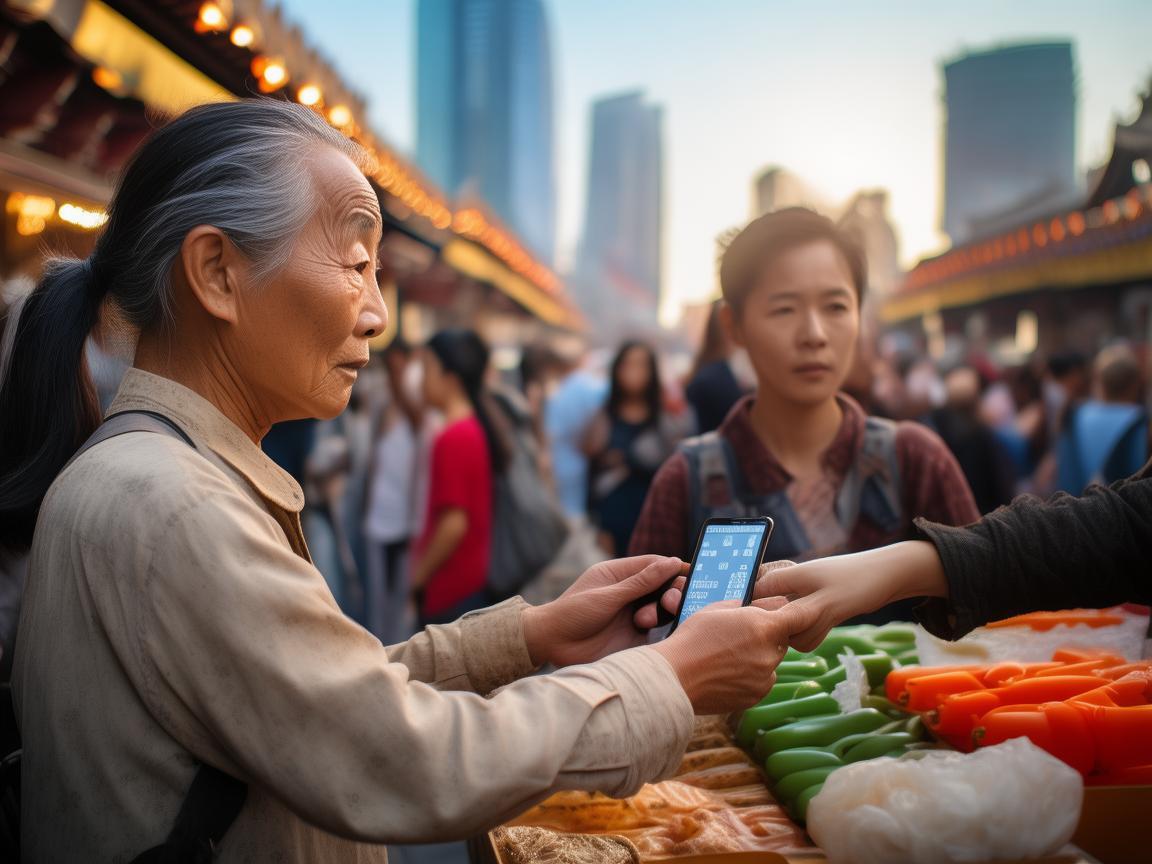
Paying Like a Local in Xi’an: Your No-Stress Guide to China’s Cashless Life
The Two Giants: WeChat Pay vs. Alipay
Every local uses one (or both) of these apps. Think of them as China’s PayPal + Venmo + banking app rolled into one. Here’s the breakdown:
WeChat Pay: The “Social” Wallet
WeChat (Weixin in Chinese) is more than a messaging app—it’s the superglue of daily life. Most locals use WeChat Pay for everyday purchases: coffee, street food, splitting bills with friends. If you already have WeChat (download it before you go!), setting it up is easy:
- Open WeChat, go to “Me” (bottom right), then “Services.”
- Tap “Wallet” (you’ll need to verify your identity—follow the prompts, which might involve linking a phone number).
- To add money: Click “Balance,” then “Add Money.” You can link a Chinese bank card (if you have one) or—easier for tourists—use your international credit/debit card (Visa/Mastercard work for most transactions).
Pro tip: WeChat has a “Mini Programs” feature—tiny apps within WeChat for things like ordering food (Meituan), booking taxis (Didi), or buying metro tickets. Many street vendors in Xi’an’s Muslim Quarter or near the Bell Tower will have a WeChat QR code labeled “收款码” (shōu kuǎn mǎ—“payment code”). Just open WeChat, go to “Wallet,” tap “QR Code,” and let the vendor scan your code.
Alipay: The “Super-App” for Everything
Alipay (owned by Alibaba) is WeChat’s main rival, but it’s often preferred for bigger purchases: shopping at malls, booking hotels, or paying for attractions. It’s a bit more “finance-focused,” with features like investment tools and credit scoring (Sesame Credit). Setup is similar:
- Download Alipay (if you don’t have it, ask a friend to help—you might need a Chinese phone number to register, but tourists can often sign up with a passport).
- Go to “Me” > “Balance” > “Add Funds.” Link your international card (look for the “+” icon or “Top Up” option).
- For payments: Open Alipay, tap “扫一扫” (sǎ yī sǎ—“scan”), and point your camera at the vendor’s QR code.
Which one to choose? Both work everywhere in Xi’an. If you use WeChat more for messaging, stick with WeChat Pay. If you plan to shop online (e.g., on Taobao) or book tours, Alipay might be handier. No need to have both—one is enough!
The “Tourist Hack”: No Chinese Bank Card? No Problem!
I know what you’re thinking: “But I don’t have a Chinese bank account!” Don’t worry—China’s tourism industry has figured this out. Here’s how to add funds to your WeChat/Alipay without a local card:
Option 1: Link Your International Credit/Debit Card
This is the easiest way. Both WeChat and Alipay accept Visa, Mastercard, and Amex. Go to “Add Money”/“Top Up” in your app, enter your card details, and follow the prompts. Note: There might be a small daily limit (usually around ¥5,000–¥10,000, which is more than enough for daily expenses).
Option 2: Use “Tourist Cards” or Prepaid Wallets
Some airports and hotels in Xi’an offer prepaid “tourist cards” loaded with WeChat/Alipay balance. For example, China Mobile has a “Tourist SIM Card” that comes with a small balance—ask at the airport’s information desk.
Option 3: Ask a Local to “Transfer” You (Last Resort)
If all else fails, politely ask a young local (they’re usually tech-savvy) to help. You can give them cash, and they can transfer the equivalent to your WeChat/Alipay via “Red Packets” (hóng bāo—digital envelopes). Just open WeChat, go to “Me” > “Payments” > “Red Packets,” tap “Receive,” and they can send you money. Remember to return the favor with cash later!
Where to Use Mobile Payments (and Where to Keep Cash Handy)
In Xi’an, mobile payments work almost everywhere, but here’s a cheat sheet:
“100% Digital” Spots (No Cash Needed)
- Street Food Markets: Muslim Quarter (回民街), Shuyuan Men (书院门), and evening snack stalls near the Bell Tower. Vendors will have QR codes taped to their carts—just scan and pay.
- Restaurants: From fancy dumpling houses to hole-in-the-wall noodle shops, nearly all accept WeChat/Alipay.
- Transport: Taxis (most have QR codes on the back seat), metro (use WeChat/Alipay to scan in—search for “Metro” in Mini Programs), and buses (same as metro).
- Attractions: Terracotta Army, Big Wild Goose Pagoda, and City Wall all accept mobile payments for tickets and souvenirs.
- Shopping: Malls like Century Ginwa and local markets like Xi’an International Trade City.
“Cash Might Be Better” Spots (Bring Small Bills)
- Remote Villages or Temples: If you venture outside the city (e.g., to Famen Temple or small countryside shrines), some elderly vendors might only take cash.
- Market Haggling: In places like the “Antiques Market” (书院门), if you’re bargaining hard, some sellers might prefer cash—they can avoid transaction fees that way.
- Emergency Situations: Keep ¥200–¥300 in small bills (¥10, ¥20, ¥50) for taxis if your phone dies, or for places with spotty Wi-Fi (rare, but possible).
“Wait—How Do I Get Cash If I Need It?”
Yes, ATMs exist! Look for Bank of China, ICBC, or China Construction Bank—they have English interfaces and accept international cards. Pro tip: Withdraw larger amounts at once (ATMs in China often have high daily limits, around ¥3,000–¥5,000) to avoid fees. Also, some hotels (especially international chains) can exchange cash, but rates are worse than banks.
Local Payment Etiquette: Do’s and Don’ts
Paying in China is easy, but a little local know-how goes a long way:
- Do Say “Thank You”: After scanning, vendors might say “谢谢” (xiè xie—thank you). A smile and a nod (or a simple “谢谢” back) goes a long way!
- Don’t Tip: Tipping isn’t customary in China—waiters, drivers, and vendors will be confused if you leave extra cash. Just pay the exact amount.
- Do Check the QR Code: Scanning the wrong code (e.g., a vendor’s personal payment code instead of their business one) is a common mistake. Look for words like “商户收款码” (shāng hù shōu kuǎn mǎ—“business payment code”) or ask the vendor to point it out.
- Don’t Worry About “Pending” Payments: Sometimes payments take a minute to process—don’t scan twice! Wait for the “Payment Successful” message.
- Do Keep Your Phone Charged: Dead phone = no payments. Carry a power bank (you can buy cheap ones at convenience stores like 7-Eleven for ¥50–¥100).
My “Oops” Moments (And How to Avoid Them)
First time using WeChat Pay, I accidentally sent money to a random vendor’s personal account instead of scanning their business code—oops! I had to ask a local to help me contact the vendor (luckily, he was honest and returned the money). Lesson learned: Always double-check the QR code before scanning!
Another time, my phone died at the Terracotta Army, and I had to walk 20 minutes to find an ATM. Now I always carry a power bank—and a little cash, just in case.
Final Thoughts: You’ve Got This!
By the end of my trip, paying like a local felt second nature. I’d scan a QR code for a ¥5 bowl of noodles without thinking, split a dinner bill with friends in one tap, and even book a Didi (Chinese Uber) in seconds. Mobile payments aren’t just convenient—they let you blend in, connect with locals, and focus on what matters: exploring Xi’an’s ancient streets, savoring roujiamo (肉夹馍—Chinese hamburgers), and marveling at the Terracotta Army.
So come to Xi’an with an open mind (and a charged phone). Skip the cash confusion, embrace the digital wave, and get ready to pay like a pro—you’ve got this!
Xi’an Airport Transfer Service
Private English-speaking driver service in Xi’an operated directly by Bruce Zhang. 24/7 airport pickup and hotel transfer for foreign travelers.
Helpful for Your Trip in Xi’an
Xi’an Long Stay: How to Handle Payments Like a Local
2026-07-28Paying at Xi’an Clubs: A Foreigner’s No-Fluff Guide
2026-07-28Navigating Xi’an’s Metro: A Foreigner’s Practical Payment Guide
2026-07-27Navigating Xi’an: A Tourist’s Guide to Mastering Mobile Payments in China
2026-07-27Navigating Xi’an Like a Local: My Digital Pay Survival Guide
2026-07-26Xi’an Travel Tips: Cash vs. QR Codes for Entrance Tickets——A Tourist’s Practical Guide
2026-07-25Alipay for Foreign Travelers in Xi’an: A Practical Setup Guide
2026-07-25How to Survive (and Thrive) in Xi’an: A Tourist’s Guide to Digital Transactions
2026-07-24Navigating Theme Park Payments in Xi’an: A Traveler’s Practical Guide
2026-07-24Xi’an’s Convenience Stores: Your Go-To for Easy Travel Payments
2026-07-23