

Pharmacy Payments in China: A Foreigner’s Practical Guide
Let me start with this: I love Xi’an. The Terracotta Army, the Muslim Quarter’s street food, the ancient city walls—it’s a city where history feels alive. But a few days into my trip, I woke up with a sore throat that felt like I’d swallowed sandpaper. By evening, I had a fever and a cough. Suddenly, "buying medicine" went from a side task to a urgent mission. As a foreigner who’d never navigated China’s pharmacy system, I was nervous. Would I be able to communicate? How would I pay? What if my cards didn’t work?
After a frantic Google search (thank goodness for hotel WiFi), I learned that while China’s pharmacies are generally well-stocked, payments can be tricky for foreigners. Here’s what I wish I’d known before I walked into my first pharmacy—hopefully, it saves you the headache (literally) I went through.
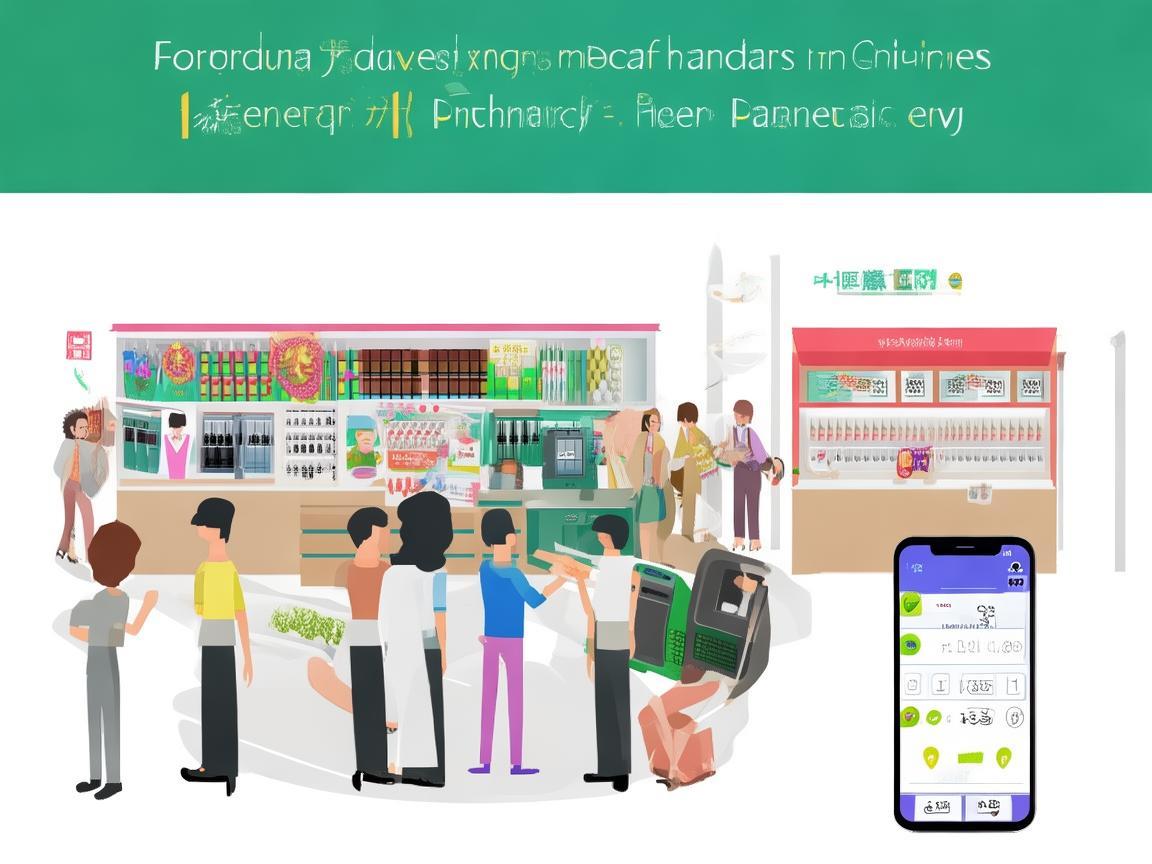
Pharmacy Payments in China: A Foreigner’s Practical Guide
First Things First: Know Your Pharmacy Types
Not all pharmacies in Xi’an (or China) are the same. I quickly learned to spot three main types:
- Hospital Pharmacies (医院药房): These are attached to hospitals and require a doctor’s prescription for most medicines. Unless you’ve already seen a Chinese doctor (which involves a language barrier and long waits), skip these for minor issues.
- Chain Pharmacies (连锁药店): These are your best bet as a foreigner. Big chains like Lao Baixian (老百姓大药房), Yifang Pharmacy (益丰药房), and Hai Wang Xing Chen (海王星辰) are everywhere in tourist areas. They’re modern, well-organized, and often have staff who speak basic English (or at least can point to payment options).
- Local/Independent Pharmacies (社区药店): These are small, family-run shops tucked into neighborhoods. They’re convenient for basics like painkillers or bandages, but payment is almost always cash-only, and communication can be tough if you don’t speak Chinese.
For my fever, I aimed for a Lao Baixian near the Bell Tower—tourist-friendly, easy to find, and likely to accept multiple payment methods.
The Big Question: How to Pay?
This is where most foreigners get stuck. China’s cashless society is amazing, but it’s built on local apps that don’t always work for overseas visitors. Here are your options, ranked from easiest to hardest:
Mobile Payment: Alipay or WeChat Pay (The Gold Standard)
If you can figure this out, you’ll be set for all purchases in China, not just pharmacies. Both apps are ubiquitous, but Alipay is generally more foreigner-friendly for payments.
How to Set It Up:
- Download the App: Get Alipay from your app store (it’s available globally).
- Register/Sign In: Use your phone number (you can use a foreign number) or link your overseas account.
- Add a Payment Method: Go to "Me" → "Wallet" → "Payment Methods." You can add:
- International Credit/Debit Cards: Visa, Mastercard, American Express. I added my U.S. Visa, but note: some cards may be rejected due to bank restrictions (call your bank beforehand to tell them you’re traveling in China!).
- Overseas Bank Accounts: Linking a foreign bank account works, but it’s slower to process.
- Alipay Balance: You can "top up" using your card, which is instant.
Using It in Pharmacies:
At the Lao Baixian, I showed the cashier the Alipay QR code in my app (it’s under "扫一扫" or "Scan"). She scanned it with her phone, and the payment went through in 2 seconds. No cash, no card, no hassle.
Pro Tip: If you’re staying longer than a week, consider getting an Alipay "Tourist Card" through your hotel or a service like Trip.com—it lets you load Chinese yuan (CNY) onto your balance at better exchange rates.
Cash (The Backup Plan)
Don’t underestimate cash. While big chains take mobile payments, small local pharmacies often only accept cash, especially in non-tourist areas.
How to Get It:
- ATMs: Most banks (ICBC, China Construction Bank) have ATMs that accept foreign cards. I pulled out 500 CNY (~$70) from an ICBC ATM near my hotel—easy and with a reasonable fee.
- Currency Exchange: Avoid airports; their rates are terrible. Use banks or official exchange offices in the city (the Muslim Quarter has a few).
- Small Denominations: Get some 10s, 20s, and 50s. Pharmacies rarely have change for 100s, and if your medicine is 35 CNY, handing over a 100 is awkward.
When to Use It: I ended up using cash at a tiny pharmacy near my guesthouse when my Alipay acted up (more on that later). The pharmacist took the cash, smiled, and handed me my medicine—no fuss.
International Credit/Debit Cards (Last Resort)
I thought my Visa would work everywhere, but I was wrong. Most small pharmacies (even some chains) don’t have card machines. And when they do, it’s often only for UnionPay cards (China’s local card network), which foreign cards can’t use.
My Experience: At a slightly larger Lao Baixian, I asked, "Can I use Visa?" The cashier pointed to a small UnionPay logo on the counter and shook her head. I tried my Mastercard at another pharmacy—same result. Save these cards for hotels, big restaurants, or international supermarkets (like Ole’ or Metro).
UnionPay Cards (If You Have One)
If you’re from a country that issues UnionPay cards (like some Southeast Asian countries), you’re in luck. Many chain pharmacies accept UnionPay, but most foreigners don’t have these, so I won’t dwell on it.
Language: How to Ask for Medicine
Even with the right payment method, you need to communicate what you need. Here’s my survival toolkit:
- Basic Symptoms: Use gestures + simple English. For my sore throat, I pointed to my throat and said, "Sore throat. Medicine?" For fever, I touched my forehead and said, "Hot. Fever."
- Common Medicines: Memorize these English-Chinese translations:
- Cold/flu: 感冒 (gǎn mào)
- Cough: 咳嗽 (ké sou)
- Fever: 发烧 (fā shāo)
- Painkiller/Headache: 止痛药 (zhǐ tòng yào) or 头痛 (tóu tòng)
- Stomachache: 肚子痛 (dù zi tòng)
- Allergy: 过敏 (guò mǐn)
- Translation Apps: Download Google Translate (with offline Chinese pack) or iFlyTranslate. I typed "I need medicine for sore throat" into Google Translate, showed it to the cashier, and she nodded immediately.
- Avoid Prescriptions: For minor issues, stick to over-the-counter (OTC) medicine. If a pharmacist asks for a prescription, just say "OTC, please" or move to another pharmacy.
My Top Tips for Smooth Pharmacy Visits
After three pharmacy trips (one for sore throat, one for a stomach bug from street food, one for bandages), here’s what I learned:
- Go to Chain Pharmacies: Lao Baixian, Yifang, and Hai Wang Xing Chen are your friends. They have clear signs, English-speaking staff (sometimes), and accept Alipay/WeChat.
- Carry Cash Always: Even if you plan to use mobile pay, keep 200-300 CNY in your wallet. You never when a pharmacy will be cash-only.
- Test Your Apps Before You Need Them: On my first day, I tried to set up Alipay while sick and sweating—stressful! Do it when you’re feeling fine.
- Don’t Overbuy: Chinese medicine can be strong. I bought a "cold and flu" packet with 10 pills; that was way too much. Ask for "small package" (小包装, xiǎo bāo zhuāng) or just a few pills.
- Keep Receipts: If a medicine doesn’t work, you can return it (with the receipt) to the same pharmacy. I had to return a stomach medicine that made me feel worse—easy with the receipt, impossible without.
A Quick Note on Chinese Medicine
You’ll see shelves of traditional Chinese medicine (TCM)—herbs, teas, and little packets of powder. Unless you’re familiar with TCM, I’d stick to Western OTC medicine. I tried a "chrysanthemum tea for sore throat" (菊花茶, jú huā chá) because it looked natural—tasted like grass and did nothing. Stick to what you know: ibuprofen, paracetamol, or cough syrup.
Final Thoughts
Getting medicine in Xi’an as a foreigner isn’t scary once you know the ropes. Mobile payment is king, but cash is your safety net. Chain pharmacies are your best bet for communication and payment options, and a little translation goes a long way.
By the end of my trip, I wasn’t just buying medicine—I was navigating China’s healthcare system like a pro. And that sore throat? Cleared up in three days. Now, go enjoy those roujiamo (Chinese hamburgers) and don’t worry about the what-ifs. With these tips, you’re ready for anything.
Happy travels—and stay healthy!
Xi’an Airport Transfer Service
Private English-speaking driver service in Xi’an operated directly by Bruce Zhang. 24/7 airport pickup and hotel transfer for foreign travelers.
Helpful for Your Trip in Xi’an
Xi’an E-Wallet: How This Little App Made My Trip a Breeze
2026-07-29Xi’an Traveler’s Survival Guide: How to Master China’s Mobile Wallets (WeChat Pay & Alipay)
2026-07-28Xi’an Travel: Your Practical ID Guide to Navigate China’s Real-World Rules
2026-07-28Xi’an Long Stay: How to Handle Payments Like a Local
2026-07-28Paying at Xi’an Clubs: A Foreigner’s No-Fluff Guide
2026-07-28Navigating Xi’an’s Metro: A Foreigner’s Practical Payment Guide
2026-07-27Navigating Xi’an: A Tourist’s Guide to Mastering Mobile Payments in China
2026-07-27Navigating Xi’an Like a Local: My Digital Pay Survival Guide
2026-07-26Xi’an Travel Tips: Cash vs. QR Codes for Entrance Tickets——A Tourist’s Practical Guide
2026-07-25Alipay for Foreign Travelers in Xi’an: A Practical Setup Guide
2026-07-25