

Tourist Payment in Xi’an: A First-Person Guide to Navigating Money in China
Let me start with this: I landed in Xi’an with a wallet full of cash and a head full of stereotypes—that China is a “cashless society” where a phone can buy you anything. Spoiler: I was half right, but the other half almost left me stranded at a night market stall, staring at a vendor shaking his head while I fumbled with a 100-yuan note.
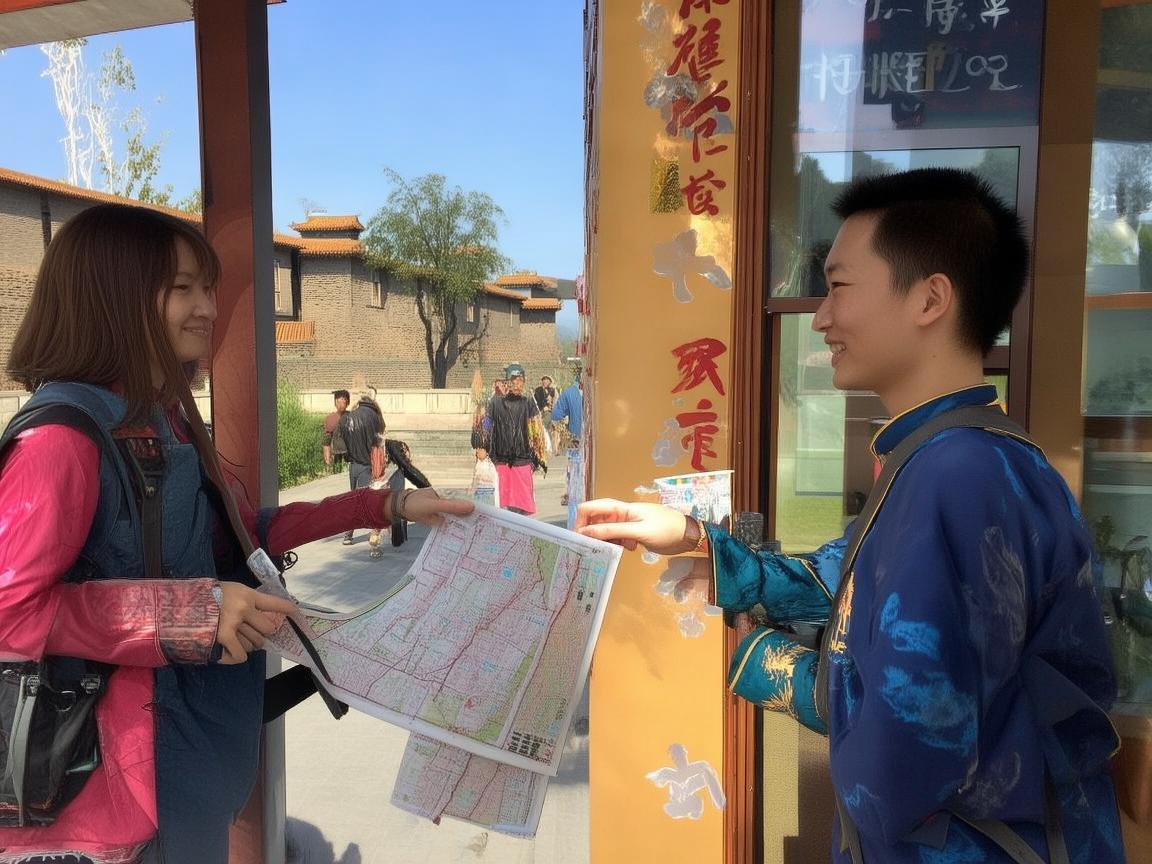
Tourist Payment in Xi’an: A First-Person Guide to Navigating Money in China
After a week of trial, error, and way too many translated phrases (“Can I use WeChat Pay?” became my mantra), I’ve learned that paying as a tourist in Xi’an isn’t just about having money—it’s about how you carry it, where you use it, and how to prep before you even leave the airport. If you’re heading to Xi’an (or really, anywhere in China), let me save you the stress. Here’s your no-BS guide to tourist payments, straight from someone who’s been there.
First Things First: Cash Still Rules—But Not Everywhere
I’d heard China was “cashless,” so I arrived with just $200 in USD, planning to exchange it once I got there. Big mistake. While big malls, chain restaurants, and tourist sites like the Terracotta Army do take mobile payments, cash is king in smaller, local spots—and you’ll want to experience those.
Where you’ll need cash:
- Street food stalls: Like the Muslim Quarter’s roujiamo (Chinese hamburgers) or liangpi (cold skin noodles). Most vendors don’t have QR codes, and trying to pay by card will get you a blank stare.
- Local markets: The Beilin Cultural Market for calligraphy brushes or the Hongxing Market for souvenirs? Many small vendors only take cash.
- Taxis: Some older drivers (or those in less touristy areas) still prefer cash, especially for short trips.
- Temples/attractions: Smaller sites, like the City Wall’s lesser-known gates or neighborhood temples, might only have a ticket booth that takes cash.
How to handle cash:
- Exchange money at the bank, not the airport. The airport’s exchange rate is terrible—I got 6.8 yuan to the USD at Xi’an Xianyang International Airport, while the Bank of China downtown gave me 7.2. Pro tip: Bring your passport—banks require ID for exchanges.
- Small bills are your best friend. Vendors often can’t break 100-yuan notes (about $14), and if you buy a 10-yuan snack, getting 90 yuan in change is a pain. Carry 10s, 20s, and 50s.
- Check for counterfeit money. All yuan notes have watermarks and a security thread. Hold a 100-yuan note up to the light—you should see a faint portrait of Mao Zedong and the value “100” appear.
Mobile Payments: The “Cashless” Myth—And How to Join In
Okay, China is pretty cashless, but only if you have the right apps. Alipay and WeChat Pay are everywhere, but as a foreigner, you can’t just sign up with a foreign number. Here’s how to make them work for you:
Option 1: Alipay (支付宝, Zhifubao)
Alipay is like PayPal on steroids—you can use it for everything from buying train tickets to paying for a massage. For tourists, the easiest way is Alipay+ (formerly Alipay Overseas).
How to set it up:
- Download Alipay from the App Store or Google Play.
- Tap “+” in the top-left corner, select “Travel,” and choose “Alipay+.”
- Link your international credit/debit card (Visa/Mastercard work). You’ll need to verify your identity with your passport—Alipay will guide you through a photo upload.
- Add money to your “Alipay Balance” or just pay directly with your linked card.
Where to use it:
- Everywhere. Seriously—Starbucks, H&M, even the 7-Eleven near your hotel. At restaurants, just show the QR code at the counter; no need to wait for a waiter to take your card.
- Bonus: You can use Alipay to book train tickets (via the “12306” feature) and avoid long lines at the station.
Option 2: WeChat Pay (微信支付, Weixin Zhifu)
WeChat Pay is integrated into WeChat (China’s super-app), so it’s great if you already use WeChat to message friends. It works almost identically to Alipay, but setup is a tiny bit trickier.
How to set it up:
- Open WeChat, go to “Me” → “Services” → “Wallet.”
- Tap “+” next to “Payment Methods” and select “Bank Cards.”
- Link your international card and follow the verification steps (again, passport required).
- To pay, open WeChat → “Me” → “Wallet” → “Payment,” and scan the merchant’s QR code.
Pro tip: Many Chinese friends use WeChat Pay for small transactions (like splitting a bill with friends), so if you’re traveling in a group, it’s handy to have.
What if you don’t want to link a card?
You can also “top up” your WeChat Pay or Alipay with cash at convenience stores like 7-Eleven or FamilyMart. Just show the cashier your QR code, pay them in cash, and they’ll add the balance to your account.
Credit/Debit Cards: When to (and Not to) Use Them
I brought my Visa debit card, thinking it’d be my “backup.” It was barely used. Here’s the reality:
Cards work at:
- High-end hotels (like the Sheraton or InterContinental).
- International chain restaurants (McDonald’s, KFC, Pizza Hut).
- Large tourist attractions (the Terracotta Army, Big Wild Goose Pagoda)—but even then, many prefer mobile payments.
- Some malls (like the Grand City Mall or the Mixc).
Cards don’t work at:
- Local restaurants (unless they’re in a fancy hotel).
- Street markets or small shops.
- Taxis (unless you’re lucky).
- ATMs for foreign cards: While some Bank of China ATMs take Visa/Mastercard, the withdrawal limits are low (around 3,000 yuan per day, ~$420), and fees are steep ($5–$10 per transaction).
Bottom line: Bring a card for emergencies, but don’t rely on it.
Scenario-by-Scenario Payment Tips
Let’s break it down by situation—because “it depends” is the most annoying phrase in travel, but it’s true here.
At Tourist Sites (Terracotta Army, Big Wild Goose Pagoda)
- Best option: Book tickets online via Alipay, WeChat, or a travel app like Trip.com. You’ll skip the ticket line (which can be 1+ hours during peak season) and pay instantly with your phone.
- If you pay in person: Some sites have ticket booths that take cash or cards, but mobile payments are faster. The Terracotta Army, for example, has QR codes at every entrance—just scan and go.
Eating Out
- Chain restaurants (Haidilao, Xiabu Xiabu): Mobile payments or cards are fine. Haidilao even lets you order on an iPad via WeChat!
- Local spots (Muslim Quarter, Yongxing Fang): Cash is safest, but most have Alipay/WeChat QR codes. If a vendor shakes their head at your phone, pull out a 20-yuan note—they’ll smile.
- Splitting the bill: WeChat Pay has a “Split Bill” feature—just select how many people and it’ll divide the total. No more awkward math!
Getting Around
- Metro: Download the “Metro Xi’an” app (or use Alipay/WeChat’s “Transportation” feature) to get a QR code for entry. No need to buy a physical card—just scan at the gate.
- Taxis: Tell the driver “WeChat Pay” or “Alipay” before you get in. Most will nod and show you their QR code. If they don’t, have cash ready.
- High-speed trains: Book tickets on the 12306 app (linked to Alipay) or at the station. Payment is via mobile or card—cash is accepted but slower.
Shopping
- Malls/department stores: Mobile payments or cards.
- Souvenir markets (Muslim Quarter, Beilin): Cash is better for bargaining. If you try to pay with a phone, the vendor might not “haggle” as easily (since the transaction feels “official”).
- Supermarkets (RT-Mart, Vanguard): Mobile payments or cards. Scan the QR code at self-checkout to save time.
One Last Thing: Tipping
Quick and simple: China doesn’t have a tipping culture. You don’t need to tip waiters, taxi drivers, or hotel staff. If you try, they might refuse or look confused—seriously, I tried to leave 5 yuan for a hotel concierge, and he chased me down to give it back. Just smile and say “谢谢 (xièxiè)” (thank you)—that’s enough.
Final Checklist: Before You Leave for Xi’an
- Download apps: Alipay (for Alipay+), WeChat (for WeChat Pay), and a translation app (like Google Translate—offline mode works great).
- Exchange cash: Bring $200–$300 in USD/EUR to exchange at a Bank of China branch downtown. Get 10s, 20s, and 50s.
- Link cards: Set up Alipay+ or WeChat Pay with your international card before you leave—Wi-Fi at the airport can be spotty.
- Tell your bank: Let your bank know you’re traveling to China, so they don’t freeze your card.
Xi’an is an incredible city—ancient history, amazing food, and the friendliest people you’ll ever meet. Don’t let payment stress ruin your trip. With a little prep (and a few 20-yuan notes in your pocket), you’ll be paying like a local in no time. Now go eat that roujiamo—I promise it’s worth the hassle of figuring out how to pay for it.
Xi’an Airport Transfer Service
Private English-speaking driver service in Xi’an operated directly by Bruce Zhang. 24/7 airport pickup and hotel transfer for foreign travelers.
Helpful for Your Trip in Xi’an
Xi’an E-Wallet: How This Little App Made My Trip a Breeze
2026-07-29Xi’an Traveler’s Survival Guide: How to Master China’s Mobile Wallets (WeChat Pay & Alipay)
2026-07-28Xi’an Travel: Your Practical ID Guide to Navigate China’s Real-World Rules
2026-07-28Xi’an Long Stay: How to Handle Payments Like a Local
2026-07-28Paying at Xi’an Clubs: A Foreigner’s No-Fluff Guide
2026-07-28Navigating Xi’an’s Metro: A Foreigner’s Practical Payment Guide
2026-07-27Navigating Xi’an: A Tourist’s Guide to Mastering Mobile Payments in China
2026-07-27Navigating Xi’an Like a Local: My Digital Pay Survival Guide
2026-07-26Xi’an Travel Tips: Cash vs. QR Codes for Entrance Tickets——A Tourist’s Practical Guide
2026-07-25Alipay for Foreign Travelers in Xi’an: A Practical Setup Guide
2026-07-25