

Xi’an Travel: How Mobile Payment Made My Trip Smooth and Stress-Free
Before landing in Xi’an, I’ll admit I was a bit anxious. I’d heard China was a “cashless society,” but as a tourist from the U.S. who relied mostly on credit cards, I wondered: What if I can’t pay for bus fares, snacks, or souvenirs? Turns out, my worries were completely unfounded—mobile payment didn’t just solve my problems; it made exploring Xi’an easier than I ever imagined. Here’s how I navigated the city using apps like Alipay and WeChat pay, with practical tips for any traveler.
First Things First: Setting Up Mobile Payment
My first stop after checking into my hotel was a convenience store (7-Eleven, which is everywhere in Xi’an) to buy a water bottle. I tried to hand the cashier cash, but she smiled and pointed to a QR code scanner. “We use mobile pay here,” she said, gesturing to a sign with Alipay and WeChat logos. Oops.
I asked her for help, and she walked me through setting up Alipay—the most widely used payment app in China. Here’s what I did:
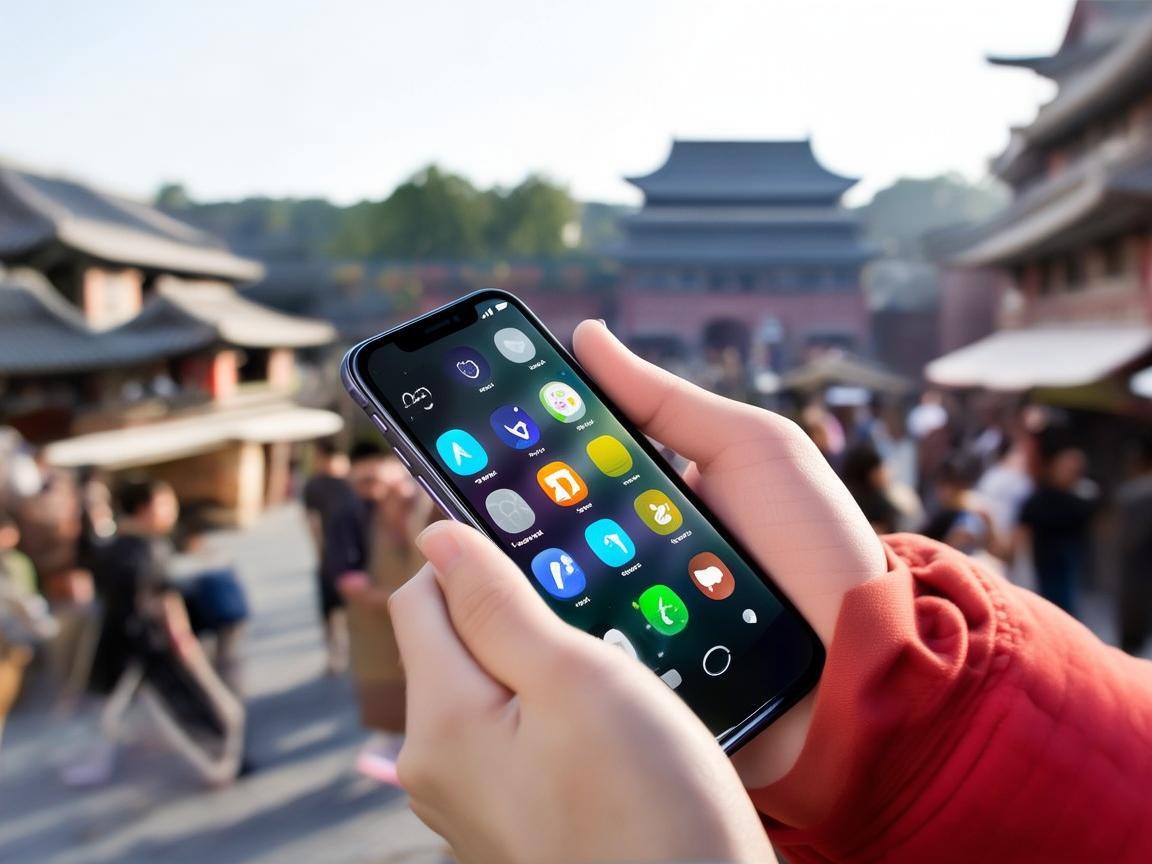
Xi’an Travel: How Mobile Payment Made My Trip Smooth and Stress-Free
- Downloaded Alipay: It’s available in English (go to “Settings” > “Language” and switch to “English”).
- Registered: I used my phone number (you can get a temporary Chinese number via services like eSIM if you don’t have one, but many tourists just use their international number with +86 prefix).
- Added a payment method: I linked my U.S. debit card (Visa/Mastercard work, but check with your bank about foreign transaction fees). For extra security, I set up a fingerprint login.
WeChat Pay is another option, but Alipay is more common in shops, transit, and tourist sites. Pro tip: If you have a friend in China, they can “scan you in” to their WeChat or Alipay account, letting you send them money to pay later—handy if you’re nervous about linking your card right away.
Daily Life: Paying for Everything with a Scan
Within a day, I was hooked. Mobile payment wasn’t just for big purchases—it was for everything.
Street Food & Markets:
Xi’an’s Muslim Quarter (Huimin Street) is a food lover’s paradise, and I ate like a king: roujiamo (Chinese hamburgers), biangbiang noodles, and tanghulu (candied hawthorns) every day. Every stall had a laminated QR code taped to the cart. I’d just open Alipay, scan the code, and confirm the payment—usually ¥5-15 per snack. No fumbling for coins, no worrying if the vendor had change. One time, I bought a whole bag of dried apricots for ¥30; the vendor even taught me how to use Alipay’s “red envelope” feature (like a digital gift) to send a ¥1 tip for his patience.
Transportation:
Xi’an’s subway and buses are efficient, and mobile payment made it seamless. I didn’t need to buy a physical transit card—instead, I used Alipay’s “Transportation” feature. Just open the app, click “交通” (Transportation), select “Xi’an Metro,” and add your payment method. At the station, I scanned the QR code at the gate to enter, and again when exiting—fare was automatically deducted (around ¥2-5 per trip). For buses, I used Alipay’s “Bus Code” feature: it generates a QR code that bus scanners read. No more buying paper tickets or figuring out exact change!
Shopping & Attractions:
Even at big tourist spots like the Terracotta Army and Big Wild Goose Pagoda, payment was digital. I bought tickets online via Alipay’s “Travel” section to skip lines—just scanned my phone at the entrance. At souvenir shops, vendors preferred mobile pay over cash (handling cash is a hassle for them, and they often give small discounts for digital payments). Once, I bought a silk scarf for ¥120; the seller scanned my Alipay code, and I got an instant receipt in the app.
Unexpected Hiccups (and How I Fixed Them)
Of course, I ran into a few issues—but they were easy to solve.
Low Battery: Using mobile payment drains your phone fast, so I always carried a power bank. Many restaurants and cafes have free charging ports too—just ask the staff.
No Signal: In some areas of the Terracotta Army site or older neighborhoods, my phone had weak signal. I learned to download offline maps via Alipay or WeChat (go to “Settings” > “Offline Maps”) and save QR codes for frequent stops (like my hotel or a favorite noodle shop) to my phone’s photo album—then I could scan them even without Wi-Fi.
Spending Limits: When I first linked my U.S. card, Alipay had a daily spending limit of about ¥5,000 (around $700), which was more than enough for a tourist. But if you plan to buy big-ticket items (like a jade bracelet), you might need to verify your identity—just follow the app’s prompts to upload a photo of your passport.
Why Mobile Payment Made Xi’an Better
As a traveler, the best part of mobile payment was convenience. I didn’t have to carry a wallet, count yuan, or worry about pickpockets. It also made me feel more connected to local life—seeing everyone from street vendors to grandparents using their phones to pay made me feel like I was part of the city’s rhythm.
Plus, it saved me money. Many small vendors in Muslim Quarter didn’t accept credit cards, and exchanging dollars for yuan at airports or banks gave me a bad exchange rate. With mobile payment, I used my own card at fair rates, and no cash meant no leftover currency to deal with when I left.
Final Tips for Travelers
- Bring a little cash anyway: Just in case! I kept ¥200 in my wallet for emergencies (like a taxi driver who only took cash).
- Use English mode: Alipay and WeChat both have English options—go to “Settings” to switch.
- Check for scams: Only scan official QR codes (from shops, transit gates, etc.). Never scan random codes from strangers.
- Ask for help: Chinese people are friendly! If you’re stuck, just show the vendor your phone—they’ll happily help you scan.
By the end of my trip, I was a mobile payment pro. Xi’an’s ancient history—Terracotta Warriors, city walls, Bell Tower—was awe-inspiring, but it was the seamless, modern convenience of mobile payment that let me focus on what mattered: exploring, eating, and soaking in the culture. If you’re heading to Xi’an, don’t stress about cash—just download Alipay, and get ready to travel like a local.
Xi’an Airport Transfer Service
Private English-speaking driver service in Xi’an operated directly by Bruce Zhang. 24/7 airport pickup and hotel transfer for foreign travelers.
Helpful for Your Trip in Xi’an
Macau Payment Guide for Foreign Travelers: From Cash to Apps
2026-08-19Xi’an Travel: A Tourist’s Guide to Scenic Area Payments & Tips
2026-08-13Navigating Payments in Xi’an Without a Data Plan: A Tourist’s Practical Guide
2026-08-11Smart Savings in Xi’an: A Traveler’s Guide to Education-Friendly Payment Systems
2026-08-10Xi’an Travel: A Tourist’s Guide to Paying Smart (WeChat vs. Alipay vs. Cash)
2026-08-1012306 Payment Guide for Foreign Travelers: My Experience Booking Xi’an Trains
2026-08-09Hotel Check-in in Xi’an: A Foreigner’s Practical Guide
2026-08-08An Alipay Hiccup in Xi’an: How I Fixed It and What You Should Know
2026-08-08An Xi’an Tourist’s Guide: How to Pay in Hong Kong Like a Local
2026-08-06Business Traveler’s Payment Survival Guide in Xi’an: Avoiding Hassles, Saving Time
2026-08-06