

Xi’an Travel: A Tourist’s Guide to Paying Smart (WeChat vs. Alipay vs. Cash)
I landed in Xi’an with a wallet full of cash and a head full of stereotypes: “China is all about mobile pay, right?” Turns out, I was half-right—but also half-wrong. After a week of navigating ancient streets, bustling markets, and quiet temples, I learned that paying in Xi’an is less about picking one “best” method and more about flexibility. Let me break down what I wish I’d known before arriving, so you can skip the “oops, no cash” moments I had.
First, the Big Two: WeChat pay vs. Alipay
If you’re a tourist, you’ll hear these two names nonstop. They’re China’s dominant mobile payment platforms, owned by Tencent and Alibaba respectively. Think of them like PayPal, but way more integrated into daily life—you can use them for everything from a 5 RMB bowl of noodles to a 500 RMB hotel room. But they’re not identical, and here’s how they stack up for travelers.
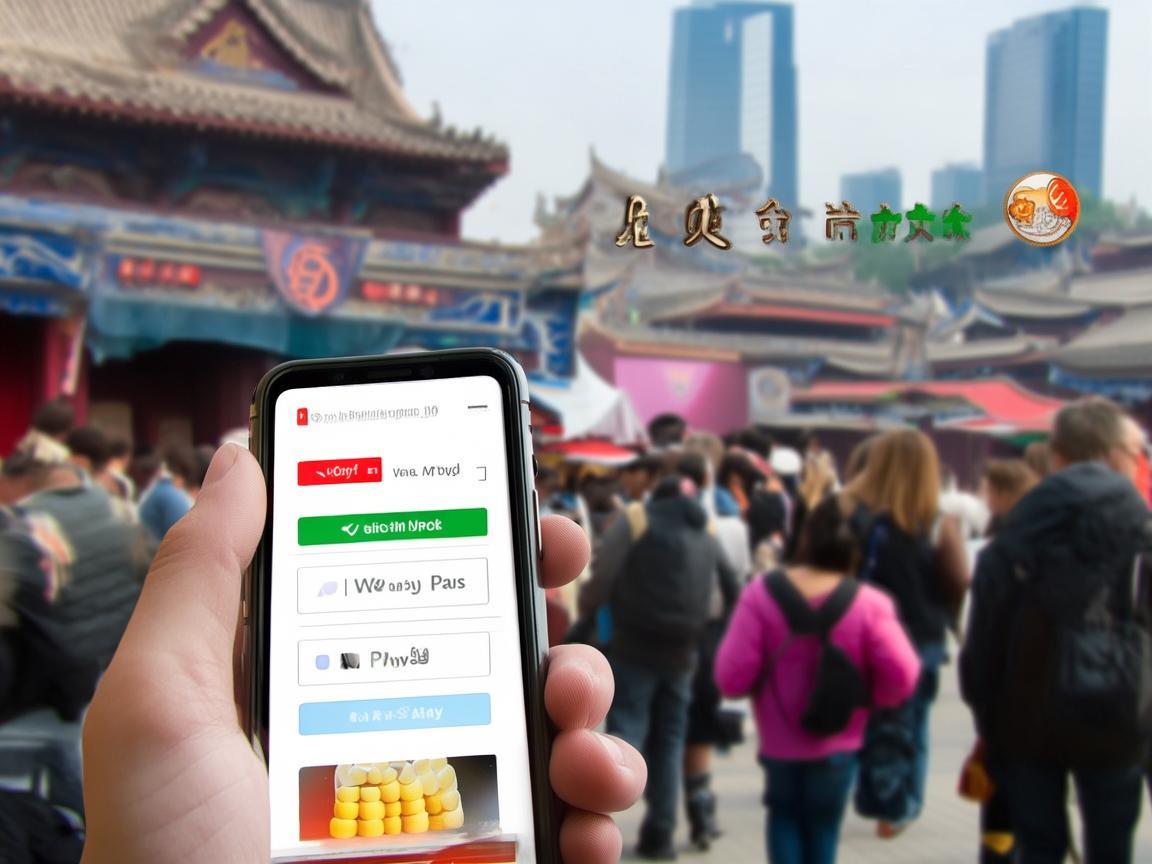
Xi’an Travel: A Tourist’s Guide to Paying Smart (WeChat vs. Alipay vs. Cash)
WeChat Pay: The “Social” Pay
WeChat is China’s super-app—think WhatsApp, Facebook, and PayPal rolled into one. Its payment feature is everywhere, especially in small, local spots. Why? Because most people use WeChat to chat, so they already have the app. For tourists, this means fewer barriers to entry.
How to set it up:
- If you have a non-Chinese phone number, you can link your WeChat Pay to a foreign credit/debit card (Visa/Mastercard) directly in the app. Go to “Me” > “Services” > “Wallet” > “Payment Methods” > “Add Bank Card.” I tried this with my Canadian Visa, and it worked instantly—no need for a Chinese bank account.
- Pro tip: Top up your WeChat Wallet before you need it. Some small vendors (like street food stalls) might not have card readers, so having a balance ready saves time.
Where it shines:
- Street food: That little dumpling shop near the Bell Tower? The grandma running it only has a WeChat QR code. Same for the guy selling roujiamo (Xi’an’s hamburger) on the sidewalk.
- Small hotels and hostels: Many family-run places prefer WeChat because it’s easy to send payment reminders or adjust bookings.
- Splitting bills: WeChat has a built-in “Split Bill” feature—perfect for when you’re dining with friends and want to avoid the “who owes what” chaos.
Downsides:
- International cards sometimes get declined for larger purchases (I tried to pay for a 800 RMB massage and my card was blocked—had to switch to Alipay).
- No “offline mode”: If you have no data, you can’t use WeChat Pay unless you’ve preloaded a “Transport Card” (more on that later).
Alipay: The “Shopping” Pay
Alipay is Alibaba’s baby, and it’s slightly more “formal” than WeChat. It’s heavily used for online shopping, but offline, it’s just as common—especially in malls, chain restaurants, and tourist sites.
How to set it up:
- Like WeChat, you can link a foreign card, but Alipay has a special feature for tourists: the “AlipayHK” app (for Hong Kong users) or “Alipay+,” which lets you use overseas e-wallets (like PayPal or GrabPay) to pay. I used my PayPal to top up Alipay, and it worked like a charm.
- If you’re staying longer, you can apply for a “China Tour Card” through Alipay, which offers discounts at attractions and restaurants.
Where it shines:
- Big-ticket items: Museums (like the Terracotta Army), train tickets, and tour groups often prefer Alipay because it’s more secure for larger sums.
- Chain stores: Starbucks, KFC, and most supermarkets accept Alipay without a hitch.
- Transfers: Sending money to friends (or vendors) is instant and fee-free—great if you’re buying souvenirs from a local artist.
Downsides:
- Fewer small vendors use it: I found a few night market stalls that only took WeChat, so don’t rely on Alipay alone for street food.
- Slightly clunkier interface: For first-timers, Alipay’s menu can feel overwhelming (so many options!). WeChat is simpler for quick payments.
The Dark Horse: Cash (Yes, Cash!)
I know, I know—you’re thinking, “But China is cashless!” And it is, mostly. But in Xi’an, cash still has its place, especially if you’re off the beaten path.
When you’ll need cash:
- Rural areas: I took a day trip to the Famen Temple (about 2 hours outside Xi’an), and the small villages nearby only accepted cash. The taxi driver from the temple to the train station? Cash only.
- Older vendors: Some elderly shopkeepers in Muslim Quarter don’t use smartphones—they’ll have a “cash only” sign (or just point to a jar of coins).
- Bargaining at markets: When you’re haggling over silk scarves or calligraphy scrolls, vendors prefer cash—it’s easier to give change on the spot.
How to get cash:
- ATMs: They’re everywhere in tourist areas (Bell Tower, Muslim Quarter, train stations). I used my debit card at a Bank of China ATM and got 3000 RMB at once—fees were around 30 RMB, which is worth it for convenience.
- Currency exchange: Avoid airports—their rates are terrible. Instead, go to a local bank (like ICBC or China Construction Bank) or a licensed exchange shop in Muslim Quarter. I got a better rate at a small shop near the Great Mosque.
Pro tip: Carry small bills (10s, 20s, 50s). Vendors often can’t break 100s, and you’ll end up with a pocket full of coins.
What About Credit Cards?
Short answer: Rarely. I brought my Visa and Mastercard for emergencies, but only used them twice—once at a fancy hotel and once at an international café. Most local restaurants, street stalls, and even mid-range hotels don’t accept foreign cards. If you do use one, expect dynamic currency conversion (DCC)—they’ll charge you in your home currency (with a terrible exchange rate). Always pay in RMB!
My “Perfect Payment” Strategy for Xi’an
After a few days of trial and error, I settled on this routine:
- Pre-load WeChat and Alipay: I put 1000 RMB into WeChat (for street food, small shops) and 500 RMB into Alipay (for tickets, malls). This way, I never had to worry about card declines.
- Carry 300 RMB in cash: For taxis, rural areas, and bargaining. I kept it in a separate pocket so I didn’t have to dig through my wallet.
- Use offline mode for transport: Both WeChat and Alipay let you add a “Transport Card” (like Beijing’s “Yikatong”). I added Xi’an’s “Xiao Tong Ka” to WeChat, so I could take the subway and buses without data—super handy when I had no signal in the Terracotta Army pits.
Oops Moments (and How to Avoid Them)
- “My phone died!”: I forgot my power bank on day 3, and trying to pay for lunch was a nightmare. Solution: Carry a portable charger—Xi’an’s streets are big, and you’ll be using your phone for maps, payments, and photos all day.
- “I can’t read the QR code!”: Many vendors have paper QR codes, but they’re faded or covered in food. Solution: Ask the vendor to show you the digital code on their phone—they’re happy to help!
- “I accidentally paid twice!”: Once, I tapped WeChat too quickly and the vendor thought I didn’t pay, so he scanned again. I ended up paying twice. Solution: Always check the “payment successful” message before walking away.
Final Thoughts: Flexibility is Key
Xi’an is a city of old and new—ancient walls meet skyscrapers, and cash meets mobile pay. There’s no “one-size-fits-all” payment method, but if you come prepared with WeChat, Alipay, and a little cash, you’ll be covered for everything.
So what’s my takeaway? Don’t stress about picking the “best” app—just download both, top them up, and keep some cash in your pocket. After all, the best part of travel isn’t worrying about payments—it’s savoring that first bite of biangbiang noodles while watching the sunset over the city walls. And trust me, with these tips, you’ll spend less time fiddling with your wallet and more time falling in love with Xi’an.
Happy travels—and happy paying!
Xi’an Airport Transfer Service
Private English-speaking driver service in Xi’an operated directly by Bruce Zhang. 24/7 airport pickup and hotel transfer for foreign travelers.
Helpful for Your Trip in Xi’an
Macau Payment Guide for Foreign Travelers: From Cash to Apps
2026-08-19Xi’an Travel: A Tourist’s Guide to Scenic Area Payments & Tips
2026-08-13Navigating Payments in Xi’an Without a Data Plan: A Tourist’s Practical Guide
2026-08-11Smart Savings in Xi’an: A Traveler’s Guide to Education-Friendly Payment Systems
2026-08-10Xi’an Travel: A Tourist’s Guide to Paying Smart (WeChat vs. Alipay vs. Cash)
2026-08-1012306 Payment Guide for Foreign Travelers: My Experience Booking Xi’an Trains
2026-08-09Hotel Check-in in Xi’an: A Foreigner’s Practical Guide
2026-08-08An Alipay Hiccup in Xi’an: How I Fixed It and What You Should Know
2026-08-08An Xi’an Tourist’s Guide: How to Pay in Hong Kong Like a Local
2026-08-06Business Traveler’s Payment Survival Guide in Xi’an: Avoiding Hassles, Saving Time
2026-08-06