

Xi’an Travel: How to Survive (and Thrive) in China’s Cashless Capital
First things first: I landed in Xi’an with a wallet stuffed with cash, convinced that’s how I’d navigate this ancient city. After all, I’d heard stories about China’s cashless revolution, but “trend” felt like an understatement—three days in, I hadn’t touched a single yuan note, and my cash stayed buried in my backpack. Xi’an isn’t just part of China’s cashless wave; it’s a city where digital payment has woven itself into the fabric of daily life, from buying a steamed bun at a night market to paying for a taxi at 6 AM. If you’re planning a trip here, let me save you the awkward fumbling (and the unnecessary bulk in your wallet). Here’s how to ride the cashless wave like a local.
Step 1: Ditch the Cash—But Not Completely
Before we dive in, let’s get one thing straight: China’s cashless system isn’t about eliminating cash entirely. It’s about making digital payments so seamless that you’ll only need a small stash for emergencies (think: 200-300 RMB in small bills, just in case). I carried 500 RMB initially and never used it. Even at a tiny roadside noodle stall where the owner squinted at my phone, she eventually pointed to a QR code taped to her stall—turns out, everyone has one.
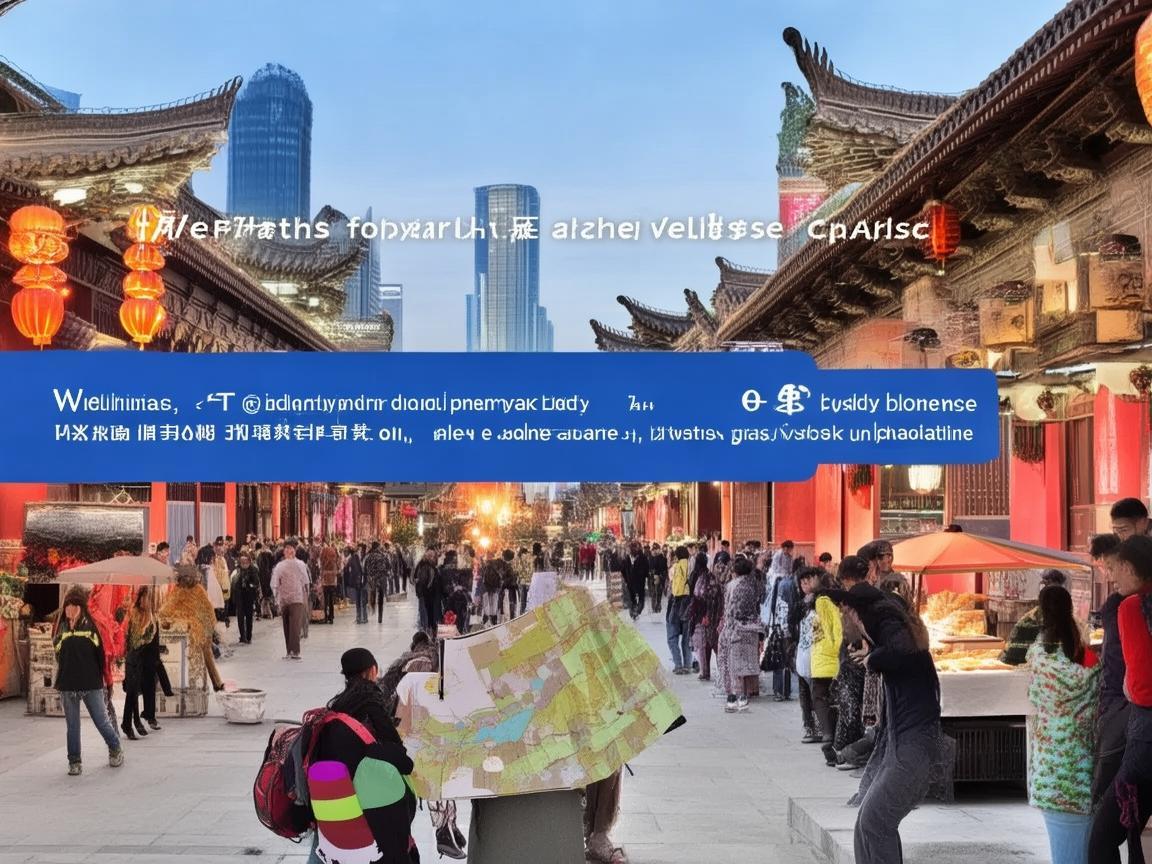
Xi’an Travel: How to Survive (and Thrive) in China’s Cashless Capital
Step 2: Your Digital Wallet: WeChat pay vs. Alipay
Two apps rule China’s cashless world: WeChat Pay and Alipay. Think of them as Apple Pay and Google Pay, but with way more features. For tourists, both work, but here’s the breakdown:
- WeChat Pay: More than a payment app—it’s China’s “super app.” You can chat, order food, book hotels, and pay for everything from street snacks to museum tickets. Most locals use it daily, so if you want to blend in, this is a must.
- Alipay: Owned by Alibaba, it’s big in e-commerce, travel bookings, and even “credit scores” (Sesame Credit, which can get you discounts or bike rentals). It’s slightly more tourist-friendly in some areas—many hotels and travel platforms integrate it seamlessly.
How to set them up:
If you have a Chinese phone number, you can link your bank account directly. If not (like me), you can use the “Guest Mode” feature, but it’s limited. Better yet: ask a friend to help you link your international credit/debit card (Visa/Mastercard work in most cities). I linked my Canadian debit card to WeChat Pay before leaving, and it worked flawlessly. Pro tip: Top up your wallet with RMB before you arrive—loading funds with a foreign card can take a few minutes, and you don’t want to be stuck at a ticket queue with a “payment failed” message.
Step 3: Navigating Xi’an: Cashless in Action
Xi’an’s transport, attractions, and eateries are a cashless dream. Here’s how to use it:
Transport: Subways, Buses, and Taxis
- Subway: Xi’an’s metro system is modern, clean, and cashless. At any station, buy a “Transport Card” (called “长安通”) for a 20 RMB deposit (refundable at the end of your trip) and load it with money. Or, simply scan a QR code at the ticket gate—WeChat and Alipay both have a “Metro” tab where you can generate a QR code for entry. I used this daily; it’s faster than buying a physical card, and you don’t have to worry about losing it.
- Buses: Same as subways—scan the QR code at the front, or tap your Transport Card. Drivers are used to tourists fumbling with phones, so they’ll wait patiently if you need a minute to open the app.
- Taxis/Rideshares: Didi (China’s Uber) is king here. Download the app, link your payment method, and you’re good to go. Even if you hail a cab on the street, most drivers have a QR code taped to the dashboard—just scan it with WeChat or Alipay to pay. I took a cab from the train station to my hotel at 5 AM, and the driver didn’t even have change—he just pointed to his phone.
Attractions: Skip the Lines, Pay Digitally
Xi’an’s top spots—from the Terracotta Army to the City Wall—have fully embraced cashless tickets. Here’s what I did:
- Book in advance: Use WeChat’s “Mini Programs” (tiny apps within WeChat) or platforms like Ctrip (Trip.com). For the Terracotta Army, I booked tickets on Ctrip the night before, selected a time slot, and just scanned my QR code at the entrance—no ticket, no problem.
- On-site payment: Even if you don’t book ahead, ticket booths have QR codes for WeChat/Alipay. I forgot to book tickets for the Big Wild Goose Pagoda and just scanned a code at the gate—paid in 10 seconds, while the cash line snaked around the block.
Eating Like a Local: From Night Markets to Michelin Stars
Xi’an is a food lover’s paradise, and cashless payments make indulging easy.
- Street food: The Muslim Quarter (回民街) is chaotic, amazing, and 100% digital. I grabbed a roujiamo (Chinese hamburger) from a stall where the vendor barely spoke English, but she had a laminated QR code. Scanned, paid, ate—done. Even at tiny night markets, every vendor has a sign: “微信/支付宝” (WeChat/Alipay).
- Restaurants: Whether it’s a hole-in-the-wall noodle shop or a fancy restaurant in the Bell Tower area, the bill will come on a tablet or a piece of paper with a QR code. Just scan, confirm the amount, and pay. I never once had to ask for a “bill” in Chinese—they just send it to your phone.
- Delivery: If you’re too tired to go out, use Meituan (China’s Uber Eats) or Ele.me, both linked to WeChat/Alipay. I ordered hotpot at 11 PM, paid via WeChat, and it arrived in 30 minutes.
Step 4: When Cashless Isn’t an Option—And How to Handle It
Let’s be real: no system is perfect. I ran into two hiccups, but they were easy to fix:
- Older vendors: At a small tea house in the Muslim Quarter, the owner didn’t have a smartphone (she was in her 70s and preferred cash). I had to break into my emergency cash stash—100 RMB got me a pot of chrysanthemum tea and two steamed buns. Lesson learned: keep a little cash for rural areas or elderly vendors.
- Network issues: Once, in the crowded Terracotta Army museum, my Wi-Fi was spotty, and WeChat Pay wouldn’t load. I switched to my mobile data (make sure you have an eSIM or international plan—China’s Great Firewall blocks Google, Facebook, etc., but WeChat/Alipay work fine with local data), and it worked. Pro tip: Download offline maps (via Baidu Maps or Amap) and save your payment apps to your home screen for quick access.
Step 5: Pro Tips for a Smooth Cashless Trip
- Link multiple cards: I had my Canadian debit card linked to WeChat, but I also brought a UnionPay card (China’s bank card network)—some ATMs and small shops prefer it.
- Enable “quick pay”: In WeChat/Alipay, turn on “Quick Pay” (免密支付) for small amounts (under 500 RMB). This lets you pay without entering a password—perfect for street food.
- Keep screenshots: Save screenshots of your emergency cash stash, important contacts (hotel, taxi company), and transport card QR codes in case your phone dies.
- Don’t forget “red envelopes”: WeChat has a “red envelope” feature (hongbao)—great for splitting bills with friends. Just click “Split” in the payment screen, and it divides the cost automatically.
Final Thoughts: Why Xi’an’s Cashless Trend Is a Traveler’s Dream
By the end of my trip, I was a cashless convert. Xi’an’s system isn’t just “convenient”—it’s efficient, safe, and makes traveling less stressful. No more worrying about pickpockets (who’d steal a phone when you can just block it?), no more fumbling with coins, no more “do you take credit cards?” in broken Chinese.
Of course, China’s cashless trend isn’t just about apps—it’s about infrastructure. Fast internet, widespread 5G, and a government push for digital economy have made this possible. For tourists, it means more time exploring the Terracotta Army, less time waiting in line.
So, come to Xi’an with an open mind (and a charged phone). Leave the cash at home—this city’s got you covered. And if you do need a little emergency yuan? Well, that’s what emergency stashes are for. But trust me, you won’t use it.
Happy travels—and happy tapping!
Xi’an Airport Transfer Service
Private English-speaking driver service in Xi’an operated directly by Bruce Zhang. 24/7 airport pickup and hotel transfer for foreign travelers.
Helpful for Your Trip in Xi’an
Xi’an Travel Tips: Why Cash Still Matters (and Where to Use It!)
2026-08-26Macau Payment Guide for Foreign Travelers: From Cash to Apps
2026-08-19Xi’an Travel: A Tourist’s Guide to Scenic Area Payments & Tips
2026-08-13Navigating Payments in Xi’an Without a Data Plan: A Tourist’s Practical Guide
2026-08-11Smart Savings in Xi’an: A Traveler’s Guide to Education-Friendly Payment Systems
2026-08-10Xi’an Travel: A Tourist’s Guide to Paying Smart (WeChat vs. Alipay vs. Cash)
2026-08-1012306 Payment Guide for Foreign Travelers: My Experience Booking Xi’an Trains
2026-08-09Hotel Check-in in Xi’an: A Foreigner’s Practical Guide
2026-08-08An Alipay Hiccup in Xi’an: How I Fixed It and What You Should Know
2026-08-08An Xi’an Tourist’s Guide: How to Pay in Hong Kong Like a Local
2026-08-06